
Weight Loss diet plan for elimination diet

Weight loss isn't normally associated with an elimination diet, but it can be quite revealing when it comes to understanding what, in fact, your body requires. Although you activate certain food sensitivities or allergies through a step-wise food withdrawal approach, you may also reverse the inflammatory concerns and, in some cases, diminish the excess weight gained through these foods. Moreover, it also makes you conscious about what you consume that can in itself assist in weight control.
Diet plan grocery list
Diet plan overview
The objective of weight loss diet plan for elimination diet involves eliminating particular foods that are mainly regarded as common food allergens and potential dietary intolerants in order to determine the impact that they have on the body. This procedure not only assists in detecting allergies and other similar conditions, but can also facilitate weight reduction as inflammatory or other unhealthy foods are excluded. It is an organized process which demands utmost attention and discipline when implementing.
After that, the triggers are identified and removed, and the foods are gradually added back to eliminate any reoccuring symptoms so as to help know what foods are detrimental to the body. It is necessary to do this diet in a supervised manner so that the risks are minimized and all the nutritional needs are fulfilled regardless of the restrictions.
Foods to eat
- Lean Proteins: Chicken, turkey, and fish that are less likely to elicit allergic reactions.
- Non-Starchy Vegetables: Zucchini, cucumber, and lettuce as fiber sources.
- Gluten-Free Grains: Quinoa, rice, and millet for energy.
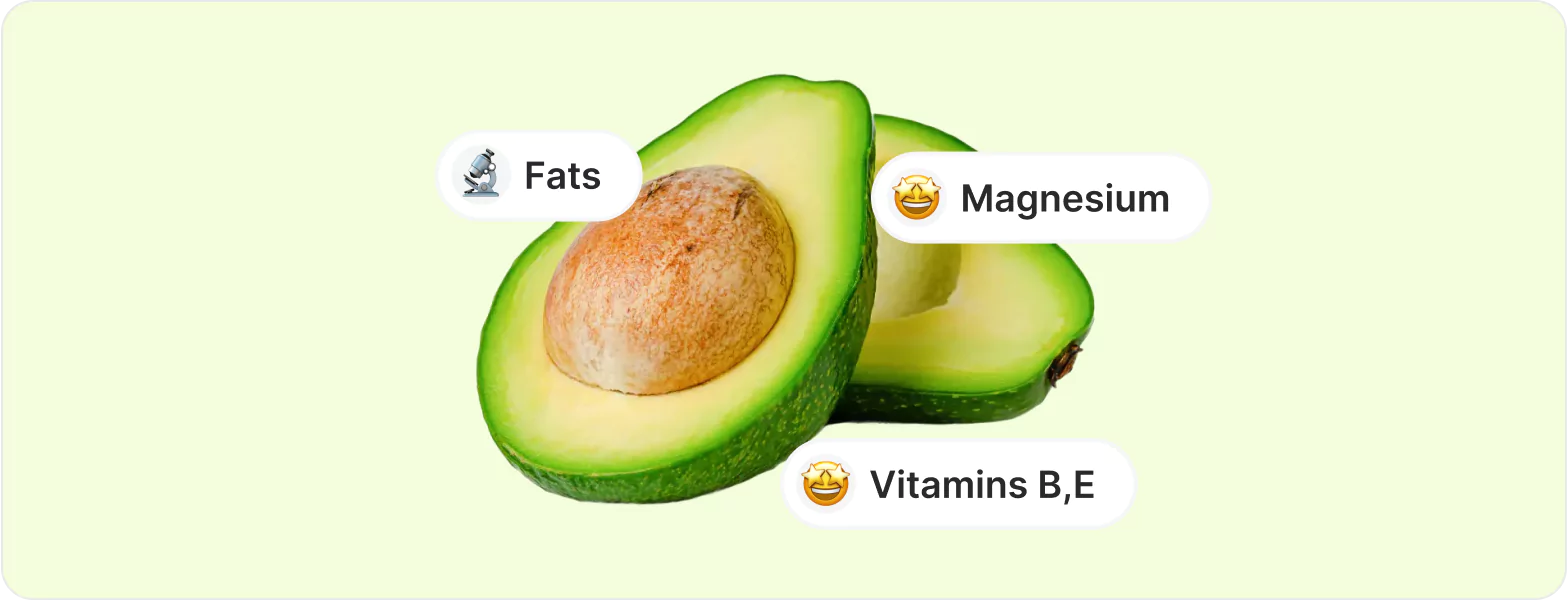
- Healthy Fats: Avocado and olive oil for anti-inflammatory properties.
- Lower-Allergenic Fruits: Pears, apples, and blueberries.
Tip
Gradually reintroduce nightshade vegetables into your elimination diet with small portions to identify your tolerance level.
Foods not to eat
- Common Allergens: Dairy, soy, eggs, and nuts.
- Gluten Grains: Wheat, barley, and rye.
- Junk Foods: Packaged snacks and frozen foods containing various additives.
- Sugar Craving: Candy, pastries, and ice cream.
- Alcohol: Beer, wine, and spirits, which can aggravate gut issues.
Main benefits
The weight loss diet plan for elimination diet shines its bright highlights when it comes to the identification of food intolerances and further management. Treat your digestive system well and eliminate irritating foods for your intestines to feel fresh and clean. Also, the problem of overweight descreases when the supply of overweight-causing agents is eliminated. Enjoy clearer skin, improved attention span, and enhanced energy levels.
How to budget on this diet plan
Setting forth on an elimination diet can seem like an expensive adventure or journey, but it does not need to be. Whole foods like sweet potatoes, rice, apples tend to be safe and won’t break the bank. Instead of splurging on specialized ‘free-from’ product lines, go for ingredients that are naturally gluten-free and dairy free such as quinoa and coconut milk. Also purchasing nuts and seeds in bulk and keeping them in sealed containers can save costs in the long run. Lastly, quite a few problem foods can be avoided while on a budget, if there are less ingredients while preparing the meals.
Meal plan suggestion
Day 1
- Breakfast: Greek yogurt with blueberries and chia seeds
- Lunch: Grilled chicken breast with quinoa and steamed broccoli
- Dinner: Baked salmon fillet with roasted sweet potatoes and asparagus
- Snack: Apple slices with almond butter
Day 2
- Breakfast: Omelet with spinach and bell peppers, served with avocado
- Lunch: Turkey mince stir-fry with zucchini noodles and carrots
- Dinner: Grass-fed beef steak with roasted cauliflower and kale
- Snack: Strawberries and walnuts
Day 3
- Breakfast: Cottage cheese with raspberries and chia seeds
- Lunch: Grilled salmon fillet with quinoa and steamed asparagus
- Dinner: Baked turkey mince meatballs with sweet potatoes and steamed broccoli
- Snack: Orange slices and almonds
Day 4
- Breakfast: Greek yogurt with banana slices and chia seeds
- Lunch: Grilled chicken breast with brown rice and steamed spinach
- Dinner: Grass-fed beef steak with roasted zucchini and kale
- Snack: Blueberries and walnuts
Day 5
- Breakfast: Omelet with kale and bell peppers, served with avocado
- Lunch: Salmon fillet with quinoa and steamed carrots
- Dinner: Baked turkey mince stuffed bell peppers with steamed cauliflower
- Snack: Apple slices and almond butter
Day 6
- Breakfast: Cottage cheese with strawberries and chia seeds
- Lunch: Grilled chicken breast with brown rice and steamed zucchini
- Dinner: Grass-fed beef steak with roasted sweet potatoes and steamed spinach
- Snack: Orange slices and walnuts
Day 7
- Breakfast: Greek yogurt with blueberries and chia seeds
- Lunch: Grilled turkey mince patties with quinoa and steamed asparagus
- Dinner: Baked salmon fillet with roasted zucchini and kale
- Snack: Banana slices with almond butter
Want to learn more?
Keep in mind
Other diet plans
-

Carnivore diet plan for diabetics
This diet plan on the carnivore diet for diabetic individuals is quite low on carbs while approximating almost 100 percent in protein and fats. This helps to control blood sugar levels. Avoiding sugars and most of carbs can make it possible to have diabetes well under control. It is a radical but straightforward dietary intervention which should be done with supervision and guidance from health practitioners.
-

Carnivore diet plan for healthy eating
Healthy eating in the carnivore diet plan comprises a range of nutrient-dense sourced meats, such as organs and bone broths, which contain critical vitamins and minerals. It aims to eliminate inflammatory reactions, which are characteristic of some lifestyle diseases, and cut back the diet to essential nutrients. It may seem limiting, however, it facilitates looking deeper into the quality of every piece of meat cuisine.
-

Carnivore diet plan for beginners
The following carnivore beginner’s plan is especially intended for those who are new to the carnivore way of life. It begins by eating only meat instead of animal-based foods. Just after a few weeks or so, start introducing other types of food, such as fish, poultry, and organ meat. No complicated steps involved - learn the basics of meat preparation and accommodate a new food pattern.