
Weight Loss diet plan for insulin resistance
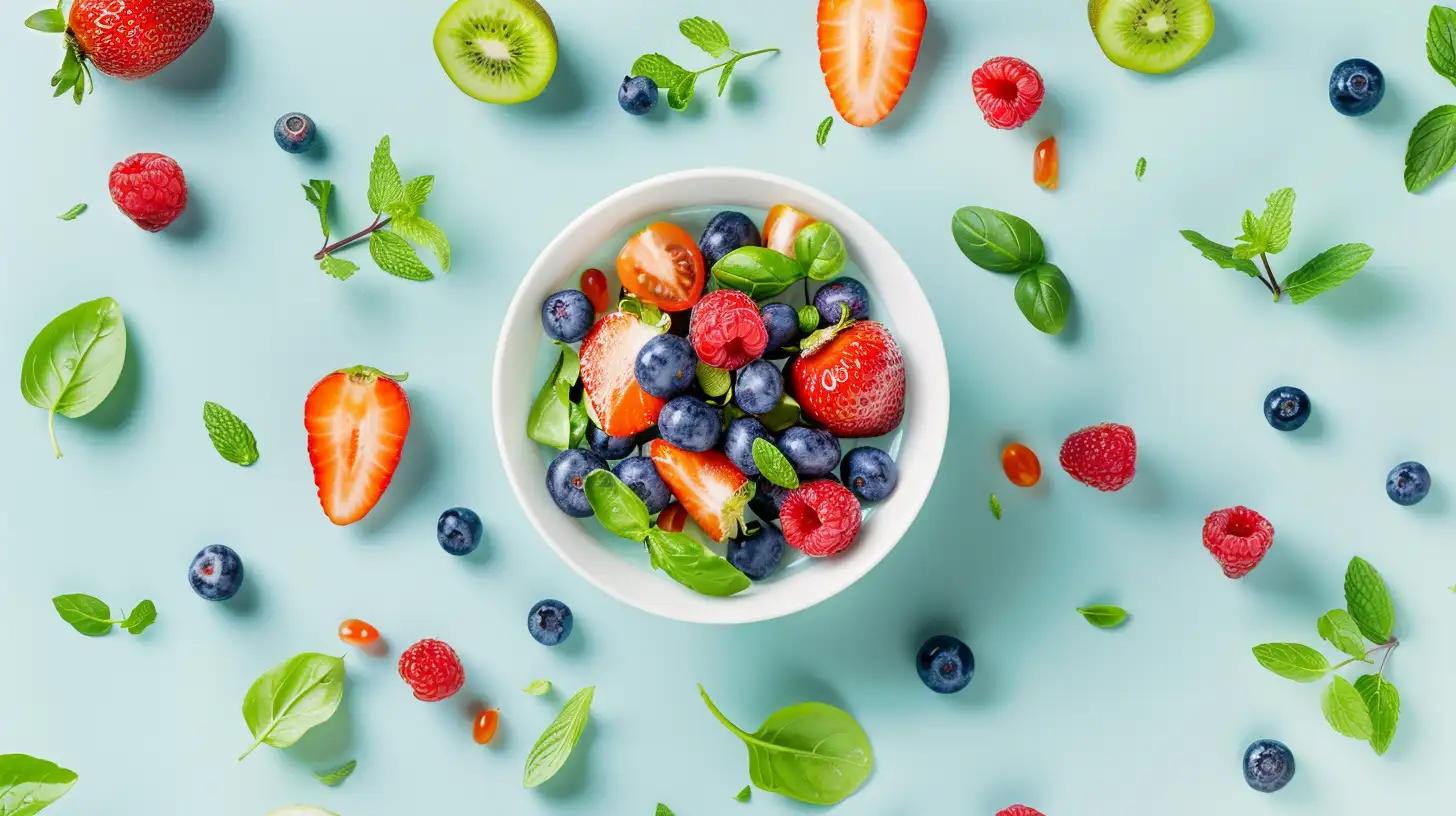
In order to control insulin resistance through dietary means, it translates into selecting foods which aid in weight loss. Foods with lower glycemic index can prevent body weight and fat levels from rising too high. It’s a two for one bonus which caters for healthy metabolism and physical health.
Diet plan grocery list
Diet plan overview
This weight loss diet plan for insulin resistance is meant for the people with insulin sensitivity. This diet plan goes for foods that are lower in glycemic index with managing blood glucose level and, as a result, weight management and diabetes reversal. The key components of this diet include fiber, lean meats, and healthy oils.
This means you will still be able to shed off those extra pounds and even alter the way your body reacts to insulin, which is favorable to one’s health. Many have reported feeling more energised and experiencing less sugar crashes.
Foods to eat
- Lean Proteins: Fish, chicken, and tofu for stable blood sugar levels.
- Non-Starchy Veggies: Spinach, broccoli, and peppers for fiber.
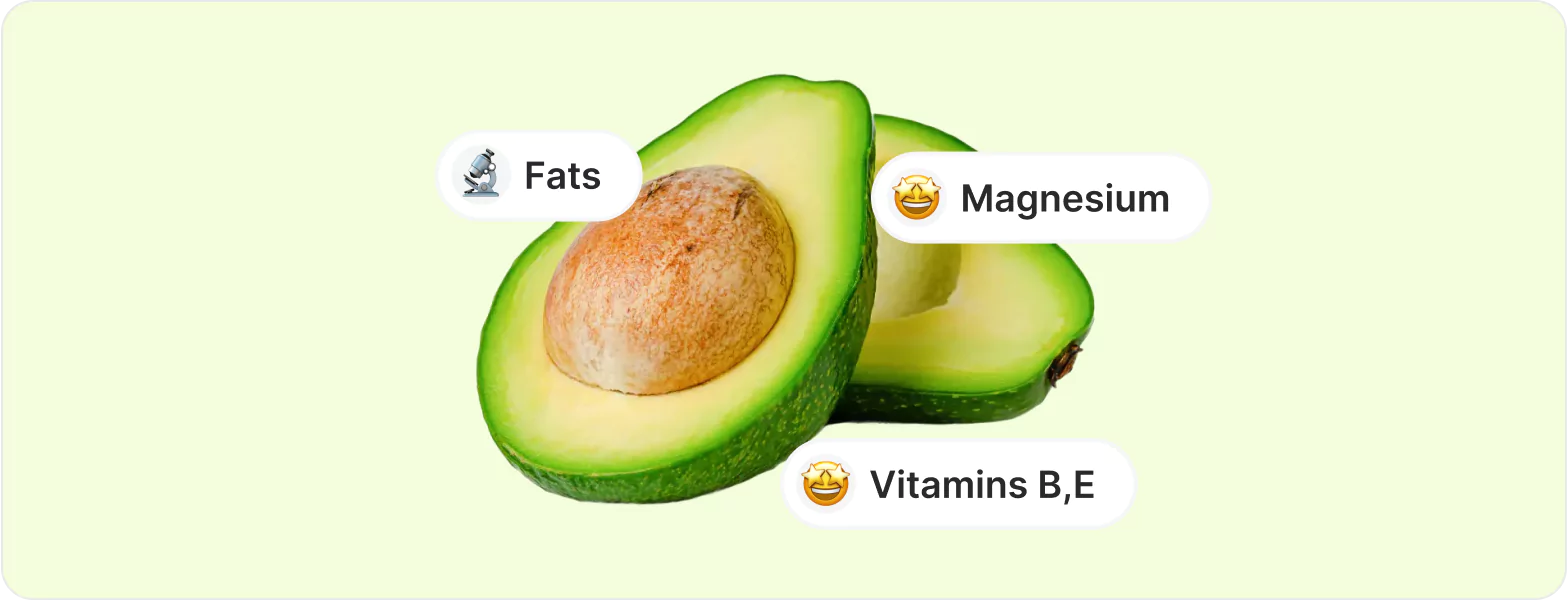
- Healthy Fats: Avocados, nuts, and olive oil to reduce inflammation.
- Whole Grains: Brown rice, quinoa, and oatmeal for longer-lasting energy.
- Low-Glycemic Fruits: Berries, apples, and pears for antioxidants.
Tip
Focus on pairing high-fiber carbs with healthy fats like avocado or nuts to keep blood sugar steady and cravings low.
Foods not to eat
- Refined Carbs: White rice, bread, pastries, and other foods that spike blood sugar.
- Sugary Drinks: Soft drinks, juices, and energy drinks.
- Processed Snacks: Chips, crackers, and cookies, especially those with high sugar content.
- Fried Foods: Fast foods like French fries and fried chicken.
- Alcohol: Beer, wine, and liquor that add empty calories.
Main benefits
The weight loss diet plan for insulin resistance is based on the concept of a less glycemic diet, thus making it possible to remove spikes and stabilize blood sugar levels. This causes slumps in energy levels to be fewer, and the energy cravings are much better controlled. Chronic low-grade inflammation is resolved, enhancing disease management and weight loss. Additionally, mental focus will improve, as will the quality of sleep.
How to budget on this diet plan
Focus on whole rather than processed foods when aiming to treat insulin resistance. Buy unflavored oats instead of instant flavored packets so you don’t add extra sugar. An example of some low-cost high fiber vegetables is broccoli and cauliflower. There are also many other inexpensive healthy foods out there, such as Greek yogurt, which make a wonderful healthy snack. You can also very well skip buying all the expensive unhealthy snack packs in the grocery stores and instead, make your own nuts or veggie sticks with hummus.
Meal plan suggestion
Day 1
- Breakfast: Greek yogurt with blueberries, chia seeds, and cinnamon
- Lunch: Grilled salmon with steamed broccoli and asparagus
- Dinner: Turkey breast stir-fry with bell peppers, zucchini, and ginger
- Snack: Cottage cheese with walnuts and strawberries
Day 2
- Breakfast: Scrambled eggs with spinach, kale, and tomatoes
- Lunch: Pork tenderloin with quinoa, roasted cauliflower, and turmeric
- Dinner: Chicken breast salad with cucumbers, avocados, and apple cider vinegar dressing
- Snack: Almonds and raspberries
Day 3
- Breakfast: Cottage cheese with chia seeds, cinnamon, and blueberries
- Lunch: Grilled turkey breast with steamed kale and bell peppers
- Dinner: Baked salmon with sweet potatoes, garlic, and ginger
- Snack: Greek yogurt with almonds and strawberries
Day 4
- Breakfast: Greek yogurt with chia seeds, raspberries, and turmeric
- Lunch: Grilled chicken breast with quinoa and steamed broccoli
- Dinner: Pork tenderloin with roasted bell peppers, cauliflower, and garlic
- Snack: Walnuts and blueberries
Day 5
- Breakfast: Scrambled eggs with spinach, zucchini, and turmeric
- Lunch: Lean ground beef stir-fry with kale, tomatoes, and ginger
- Dinner: Grilled salmon with asparagus, sweet potatoes, and olive oil
- Snack: Cottage cheese with chia seeds and strawberries
Day 6
- Breakfast: Greek yogurt with walnuts, cinnamon, and blueberries
- Lunch: Chicken breast with quinoa, roasted zucchini, and bell peppers
- Dinner: Turkey breast stir-fry with cucumbers, tomatoes, and olive oil
- Snack: Almonds and raspberries
Day 7
- Breakfast: Scrambled eggs with kale, bell peppers, and garlic
- Lunch: Pork tenderloin with brown rice, steamed broccoli, and ginger
- Dinner: Lean ground beef with roasted cauliflower, spinach, and olive oil
- Snack: Greek yogurt with chia seeds and strawberries
Want to learn more?
Keep in mind
Other diet plans
-

Carnivore diet plan for diabetics
This diet plan on the carnivore diet for diabetic individuals is quite low on carbs while approximating almost 100 percent in protein and fats. This helps to control blood sugar levels. Avoiding sugars and most of carbs can make it possible to have diabetes well under control. It is a radical but straightforward dietary intervention which should be done with supervision and guidance from health practitioners.
-

Carnivore diet plan for healthy eating
Healthy eating in the carnivore diet plan comprises a range of nutrient-dense sourced meats, such as organs and bone broths, which contain critical vitamins and minerals. It aims to eliminate inflammatory reactions, which are characteristic of some lifestyle diseases, and cut back the diet to essential nutrients. It may seem limiting, however, it facilitates looking deeper into the quality of every piece of meat cuisine.
-

Carnivore diet plan for beginners
The following carnivore beginner’s plan is especially intended for those who are new to the carnivore way of life. It begins by eating only meat instead of animal-based foods. Just after a few weeks or so, start introducing other types of food, such as fish, poultry, and organ meat. No complicated steps involved - learn the basics of meat preparation and accommodate a new food pattern.