
Weight Loss diet plan for type 2 diabetes
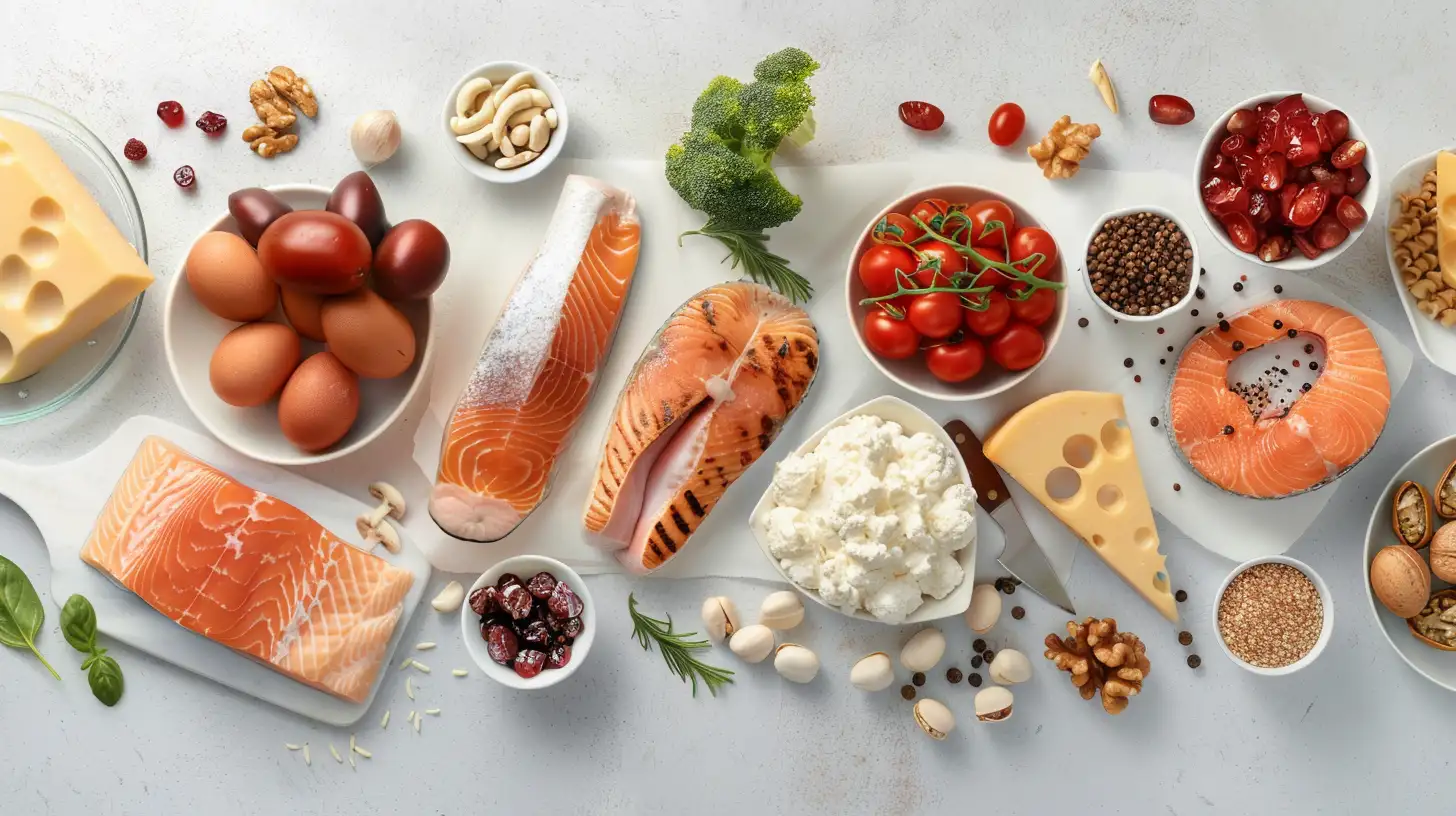
Type 2 diabetes may be confusing, but you can easily apply weight loss actions to your diabetes management plan. Proper nutrition, including a wholefood diet with low carb and high fiber contents makes it easy to avoid rapid spikes and falls in blood glucose levels. Keep in mind that every meal is an opportunity to promote normalizing blood sugar levels.
Diet plan grocery list
Diet plan overview
This diet plan for type 2 diabetes is designed to control glucose levels. In the first stage, eat low glycemic foods to avoid big changes in blood glucose and sacrifice high carb foods. Also, healthy fats and fibers are added to the meal as they make you feel full and less sensitive to insulin. It is important to keep on monitoring blood sugar levels on a daily basis so that the modifications to the diet can be made.
The other important feature is portion control which modulates energy intake, thereby aiding in weight loss. It is beneficial to consume more frequent meals but in smaller portions to prevent fluctuations of blood glucose concentration and the associated physiological effects. Also, adherence to physical activities is expected to improve the diet by ways of achieving better glycaemic control.
Foods to eat
- Leafy Greens: Spinach, kale, and Swiss chard for fiber and nutrients.
- Lean Proteins: Fish, fowl, and tofu to keep blood sugar stable.
- Whole Grains: Quinoa, oatmeal, and barley provide fiber and long-lasting energy.
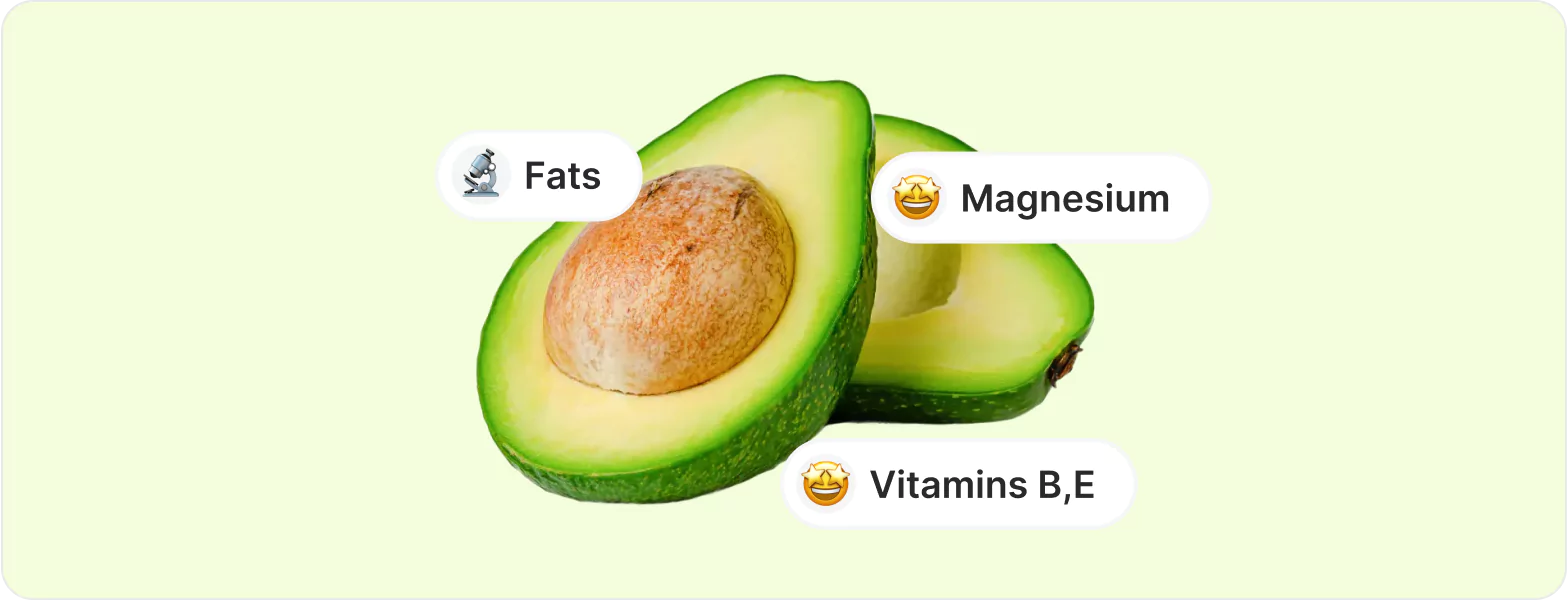
- Healthy Fats: Olive oil, avocado, and nuts to reduce inflammation.
- Low-Glycemic Fruits: Apples, berries, and pears as a healthier source of sweetness.
Tip
Swap your morning latte for cinnamon-infused green tea to help balance blood sugar levels and reduce sugar cravings.
Foods not to eat
- Refined Carbs: White rice, white bread, and other starches that raise blood sugar levels.
- Sugary Drinks: Carbonated drinks, fruit juices, and energy drinks, which can be harmful.
- Fried Foods: Foods like French fries and fried chicken add calories and unhealthy fats.
- High-Fat Dairy: Full-cream cheeses and ice cream.
- Processed Meats: Sausages, smoked bacon, deli meats, and others high in salt.
Main benefits
Following the weight loss diet plan for type 2 diabetes, you can enjoy some real benefits. Achieve balanced blood sugar levels while simultaneously descreasing insulin sensitivity thanks to your meals that are well-nutritioned. This plan also helps in the prevention of heart disease by lowering levels of LDL cholesterol and inflammatory agents. Besides, without any restriction, you will feel energized and light because of extra weight loss.
How to budget on this diet plan
Go for seasonal produce, since they are relatively cheaper and fresher as well. Beans and lentils are great and very cheap protein and fiber options. Buy frozen vegetables and fruits when there are discounts. They are not less healthy than the fresh ones. Cooking at home and meal planning in general will save you from many expensive and unhealthy takeout meals.
Meal plan suggestion
Day 1
- Breakfast: Greek yogurt with blueberries, chia seeds, and almonds
- Lunch: Quinoa salad with spinach, chickpeas, cucumber, bell peppers, and olive oil dressing
- Dinner: Grilled salmon with roasted broccoli, cauliflower, and garlic
- Snack: Apple slices with cottage cheese
Day 2
- Breakfast: Overnight oats with strawberries, flaxseeds, and walnuts
- Lunch: Tuna salad with zucchini noodles, avocado, and balsamic vinegar dressing
- Dinner: Skinless chicken breast with brown rice, carrots, and steamed spinach
- Snack: Cucumber sticks with Greek yogurt dip
Day 3
- Breakfast: Scrambled eggs with turkey bacon, spinach, and tomatoes
- Lunch: Lentil soup with carrots, zucchini, and garlic
- Dinner: Grilled tuna steak with quinoa, roasted bell peppers, and balsamic vinegar
- Snack: Cottage cheese with blueberries and almonds
Day 4
- Breakfast: Smoothie with Greek yogurt, strawberries, chia seeds, and spinach
- Lunch: Chickpea salad with tomatoes, cucumber, and olive oil dressing
- Dinner: Lean ground turkey stuffed bell peppers with quinoa and spinach
- Snack: Apple slices with almond butter
Day 5
- Breakfast: Cottage cheese with flaxseeds, strawberries, and walnuts
- Lunch: Tuna wrap with whole grain bread, spinach, cucumber, and Greek yogurt dressing
- Dinner: Baked salmon with zucchini noodles, tomatoes, and balsamic vinegar
- Snack: Greek yogurt with blueberries and chia seeds
Day 6
- Breakfast: Omelet with spinach, bell peppers, and turkey bacon
- Lunch: Quinoa salad with lean ground turkey, zucchini, tomatoes, and avocado
- Dinner: Grilled chicken breast with lentils, roasted cauliflower, and broccoli
- Snack: Apple slices with walnuts
Day 7
- Breakfast: Greek yogurt with strawberries, flaxseeds, and almonds
- Lunch: Lentil and chickpea stew with spinach, garlic, and carrots
- Dinner: Grilled salmon with brown rice, steamed broccoli, and avocado
- Snack: Cottage cheese with blueberries and walnuts
Want to learn more?
Keep in mind
Other diet plans
-

Carnivore diet plan for diabetics
This diet plan on the carnivore diet for diabetic individuals is quite low on carbs while approximating almost 100 percent in protein and fats. This helps to control blood sugar levels. Avoiding sugars and most of carbs can make it possible to have diabetes well under control. It is a radical but straightforward dietary intervention which should be done with supervision and guidance from health practitioners.
-

Carnivore diet plan for healthy eating
Healthy eating in the carnivore diet plan comprises a range of nutrient-dense sourced meats, such as organs and bone broths, which contain critical vitamins and minerals. It aims to eliminate inflammatory reactions, which are characteristic of some lifestyle diseases, and cut back the diet to essential nutrients. It may seem limiting, however, it facilitates looking deeper into the quality of every piece of meat cuisine.
-

Carnivore diet plan for beginners
The following carnivore beginner’s plan is especially intended for those who are new to the carnivore way of life. It begins by eating only meat instead of animal-based foods. Just after a few weeks or so, start introducing other types of food, such as fish, poultry, and organ meat. No complicated steps involved - learn the basics of meat preparation and accommodate a new food pattern.