
Zone diet plan for beginners
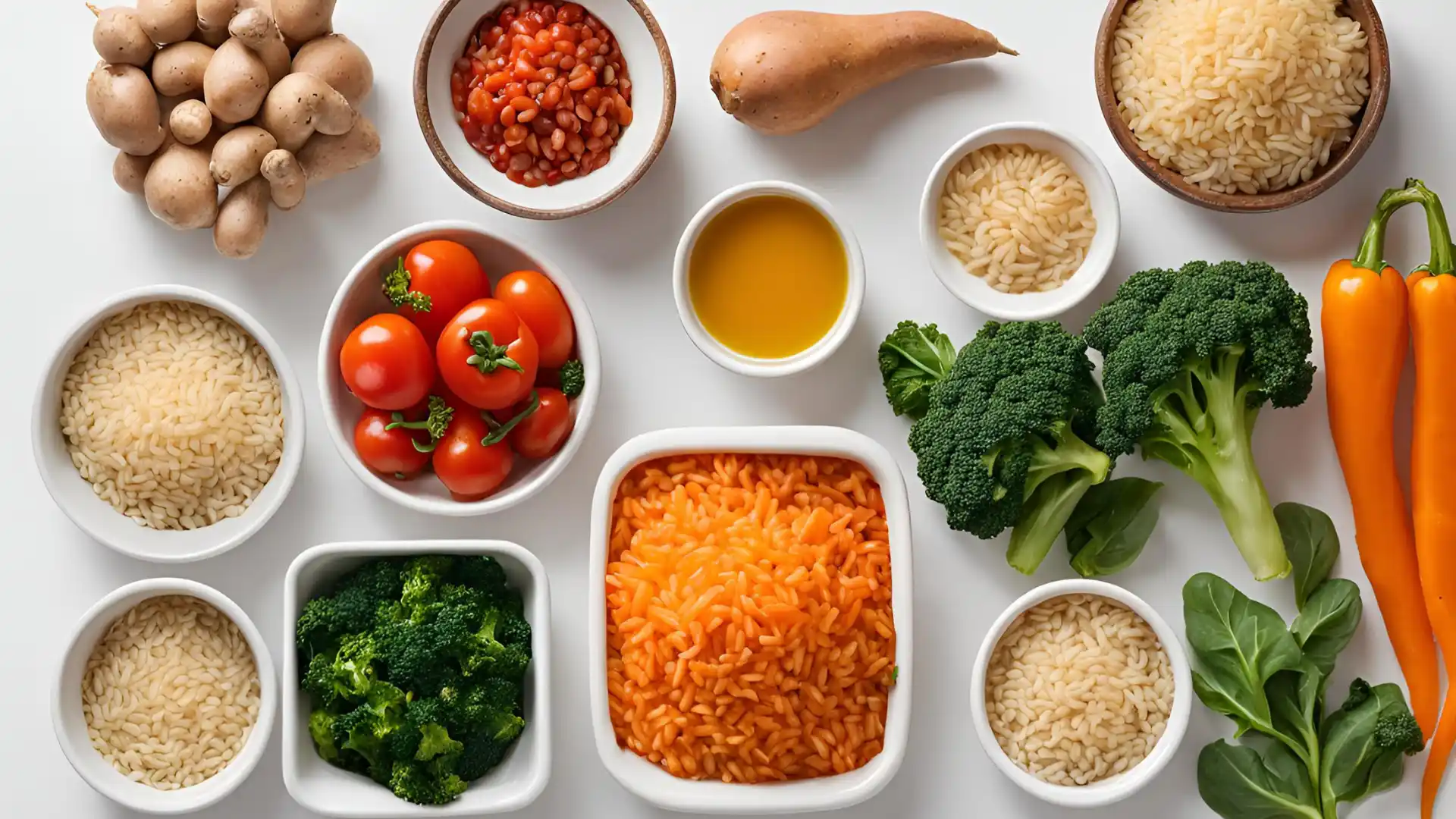
You don’t have to feel overwhelmed to get started with the Zone diet plan for beginners. This plan breaks it down to the basics so you can get into the habit of balanced eating. It’s an introduction to making better food choices.
Diet plan grocery list
Diet plan overview
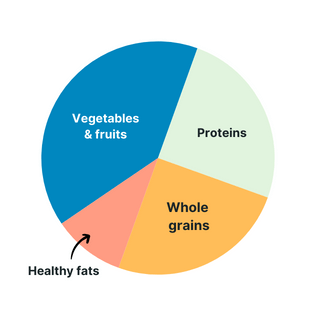
The Zone diet for beginners is an introduction to balanced eating by teaching the 40:30:30 nutrient ratio. It’s not overwhelming newcomers with too much too soon.
This beginner friendly approach makes sure you know how to portion your meals to get a balanced diet. It’s a gentle way to start a lifelong habit of eating healthy.
Foods to eat
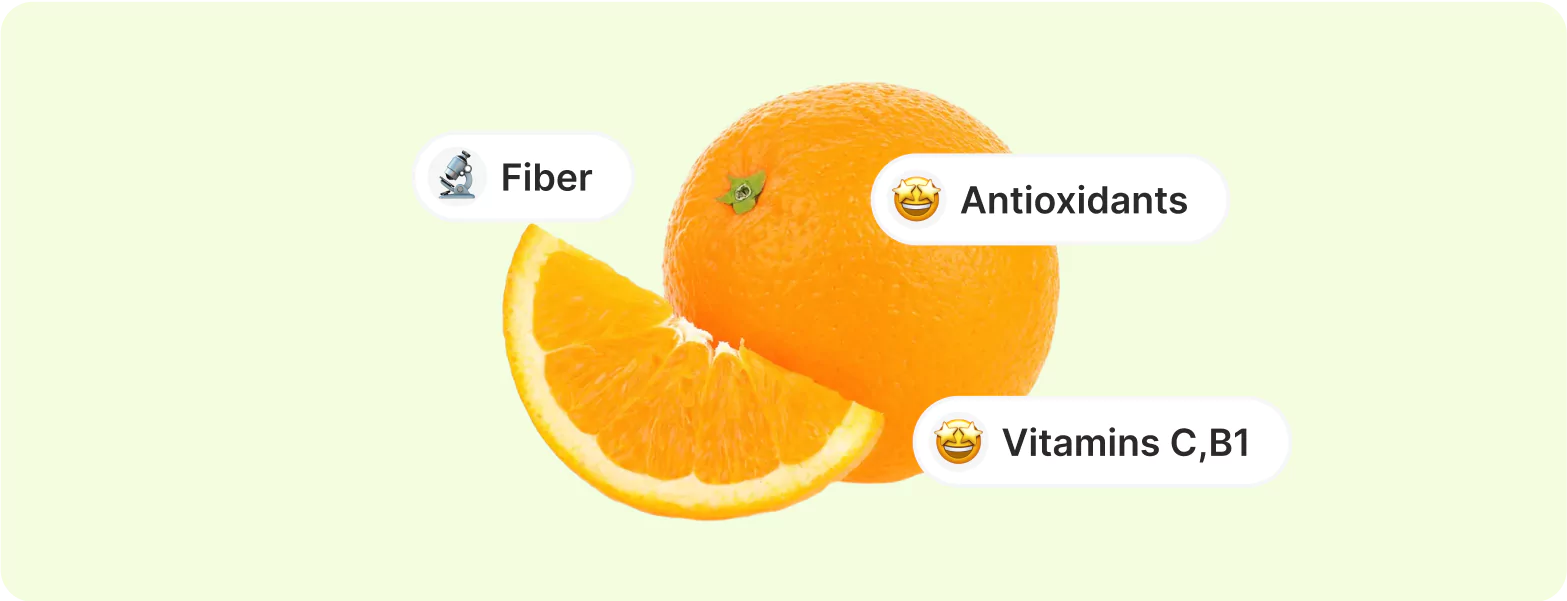
- Lean Proteins: Begin with simple foods like chicken, turkey, and fish, which are easy to cook and balance.
- Low Glycemic Vegetables: Load your plate with green vegetables, especially broccoli and spinach.
- Healthy Fats: Add a little olive oil or avocado to each meal for energy and satisfaction.
- Whole Grains: Include brown rice or whole wheat pasta in your meals.
- Fruits: Choose fruits like berries and apples for a touch of sweetness within dietary limits.
Tip
Keeping a food diary can help you learn the ropes and stay on track with your macronutrient ratios.
Foods not to eat
- Sugary Foods: Avoid anything with added sugar, such as desserts, sweets, and sodas.
- High-Glycemic Vegetables: Limit intake of potatoes and corn, as they can increase blood sugar levels.
- High-Fat Dairy: Minimize consumption of full-fat cheese, cream, and other full-fat dairy products, as they can disrupt macronutrient balance.
- Processed Foods: Avoid packaged snacks and meats with added sugars and unhealthy fats.
- Excessive Grains: Eat grains in moderation.
Main benefits
The Zone diet for beginners is perfect for easing into a structured eating plan without feeling overwhelmed. The clear guidelines simplify meal prep and decision making. As beginners see results, they’ll gain confidence and transition into healthier eating habits more smoothly.
How to budget on this diet plan
For those starting the Zone diet plan, simplify your grocery list to include basics like lean meats, leafy greens, and a variety of colorful veggies that can be mixed and matched across meals. These staples can be purchased in bulk and hence will help you save your money. Make a meal plan for yourself for the week so that you do not get tempted to buy things on an impulse and that no food is wasted. Also, seasonal sales on fruits and veggies work great, too, as you practice cost-effective eating and still manage to eat in season flavors.
Meal plan suggestion
Day 1
- Breakfast: Greek yogurt with chia seeds and blueberries
- Lunch: Grilled chicken breast with quinoa, spinach, and bell peppers
- Dinner: Baked salmon fillet with sweet potatoes and steamed broccoli
- Snack: Apple slices with almond butter
- Calories 🔥: 1500 Fat 💧: 65g Carbs 🌾: 135g Protein 🥩: 105g
Day 2
- Breakfast: Scrambled eggs with spinach and cheddar cheese
- Lunch: Ground turkey salad with kale, tomatoes, and avocado
- Dinner: Lean beef steak with brown rice, zucchini, and a side of kale
- Snack: Cottage cheese with walnuts
- Calories 🔥: 1550 Fat 💧: 70g Carbs 🌾: 140g Protein 🥩: 110g
Day 3
- Breakfast: Smoothie with Greek yogurt, banana, and chia seeds
- Lunch: Tofu stir-fry with bell peppers, broccoli, and quinoa
- Dinner: Baked salmon fillet with lentils and a side of spinach
- Snack: Strawberries with almonds
- Calories 🔥: 1500 Fat 💧: 68g Carbs 🌾: 130g Protein 🥩: 108g
Day 4
- Breakfast: Oatmeal with apples, walnuts, and a side of Greek yogurt
- Lunch: Grilled chicken breast with brown rice, kale, and tomatoes
- Dinner: Lean beef steak with sweet potatoes, zucchini, and bell peppers
- Snack: Cottage cheese with avocado
- Calories 🔥: 1520 Fat 💧: 65g Carbs 🌾: 135g Protein 🥩: 110g
Day 5
- Breakfast: Smoothie with Greek yogurt, strawberries, and spinach
- Lunch: Ground turkey salad with bell peppers, avocado, and a side of quinoa
- Dinner: Baked salmon fillet with broccoli, sweet potatoes, and carrots
- Snack: Blueberries with almond butter
- Calories 🔥: 1480 Fat 💧: 64g Carbs 🌾: 130g Protein 🥩: 105g
Day 6
- Breakfast: Scrambled eggs with spinach, cheddar cheese, and a side of avocado
- Lunch: Grilled chicken breast with quinoa, broccoli, and bell peppers
- Dinner: Lean beef steak with brown rice, zucchini, and a side of kale
- Snack: Cottage cheese with blueberries
- Calories 🔥: 1530 Fat 💧: 66g Carbs 🌾: 132g Protein 🥩: 112g
Day 7
- Breakfast: Greek yogurt parfait with chia seeds, almonds, and strawberries
- Lunch: Tofu stir-fry with kale, tomatoes, and a side of sweet potatoes
- Dinner: Grilled salmon fillet with lentils, broccoli, and a side of spinach
- Snack: Apple slices with cheddar cheese
- Calories 🔥: 1500 Fat 💧: 68g Carbs 🌾: 130g Protein 🥩: 108g
These nutritional values are approximate and can vary slightly based on specific portion sizes and preparation methods.
Want to learn more?
Keep in mind
Other diet plans
-

Carnivore diet plan for diabetics
This diet plan on the carnivore diet for diabetic individuals is quite low on carbs while approximating almost 100 percent in protein and fats. This helps to control blood sugar levels. Avoiding sugars and most of carbs can make it possible to have diabetes well under control. It is a radical but straightforward dietary intervention which should be done with supervision and guidance from health practitioners.
-

Carnivore diet plan for healthy eating
Healthy eating in the carnivore diet plan comprises a range of nutrient-dense sourced meats, such as organs and bone broths, which contain critical vitamins and minerals. It aims to eliminate inflammatory reactions, which are characteristic of some lifestyle diseases, and cut back the diet to essential nutrients. It may seem limiting, however, it facilitates looking deeper into the quality of every piece of meat cuisine.
-

Carnivore diet plan for beginners
The following carnivore beginner’s plan is especially intended for those who are new to the carnivore way of life. It begins by eating only meat instead of animal-based foods. Just after a few weeks or so, start introducing other types of food, such as fish, poultry, and organ meat. No complicated steps involved - learn the basics of meat preparation and accommodate a new food pattern.