
Zone diet plan for elderly
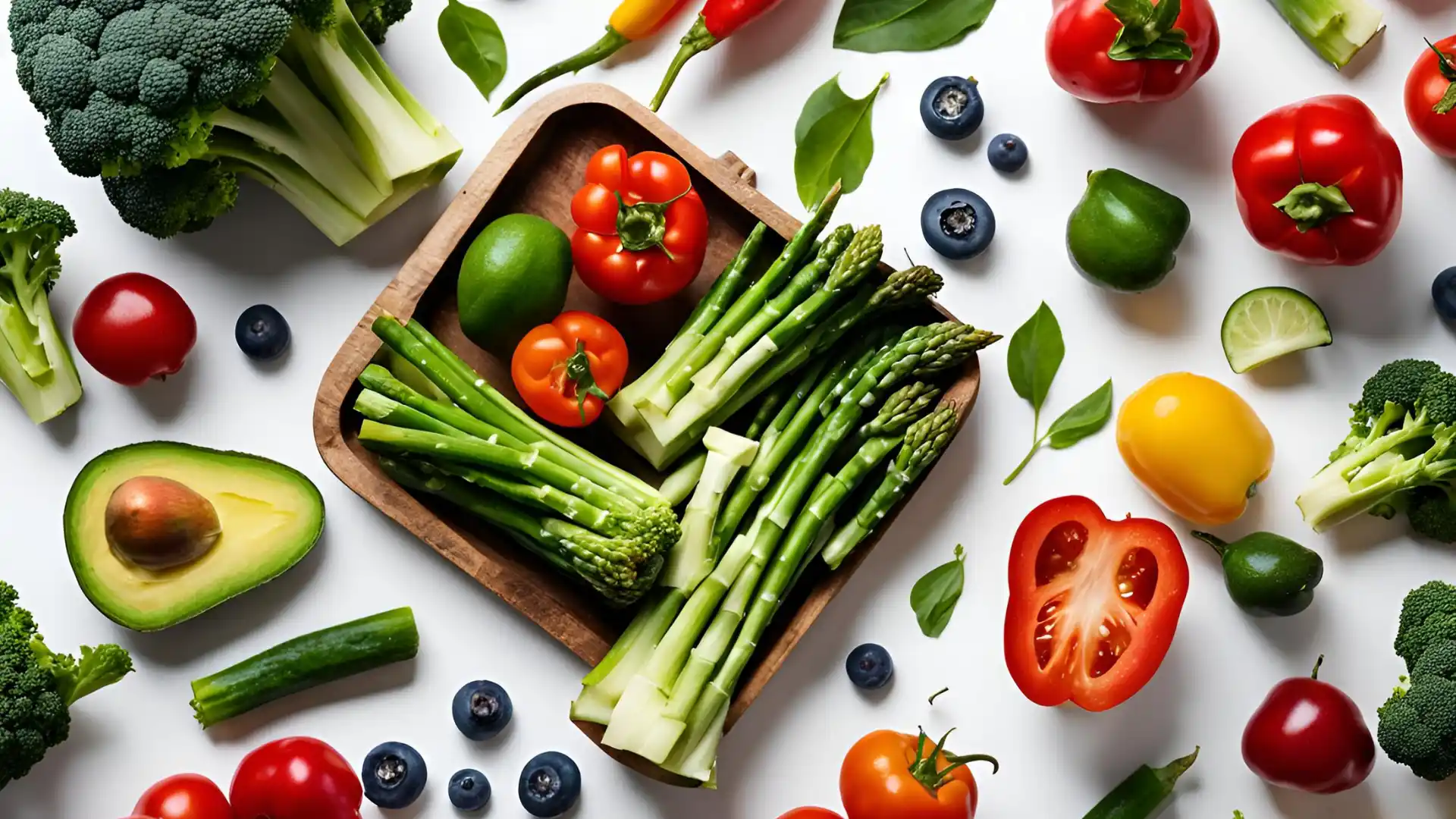
Aging as elegantly as possible, this particular generation views the Zone diet for elderly primarily as a way of enhancing nutrition. This plan concerns foods that are nourishing yet easy to eat so that you stay fit and energetic. They are very applicable in terms of eating good food and feeling good during the sunset years.
Diet plan grocery list
Diet plan overview
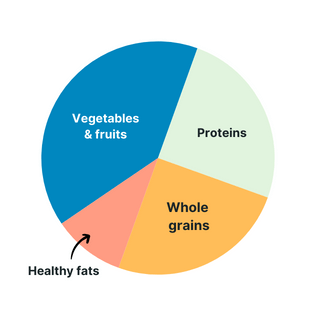
Adjustment of the standard Zone balance addressing the problem of elder population nutrition is present in the Zone diet for the elderly. This particular one focuses on the nutrients to promote bone health, muscle, and brain function.
Gentle on the tummy and packed with healthy vitamins and minerals, this diet plan is intended to keep the elderly active and lower the chances of diseases.

Foods to eat
- Easy-to-Chew Nutrient Dense Foods: Oatmeal, mashed potatoes, and soft-cooked fish.
- Bone Health Calcium Rich Foods: Dairy or fortified substitutes to support bone health.
- Digestive Health High Fiber Foods: Whole grains, fruits, and vegetables to aid digestion.
- Protein Without Fat Sources: Lean meat, tofu, and beans to support muscle mass and function.
- Food High on Antioxidants: Berries, nuts, and dark leafy greens to reduce oxidative stress.
Tip
Incorporating smoothies into the Zone diet can ensure nutrient intake is maintained even when appetite or dental issues make solid foods challenging.
Foods not to eat
- Vegetables that are Hard and Raw: Avoid hard-to-chew raw vegetables that are time-consuming and pose a choking risk.
- Sugars in Excess: Banish cookies, cakes, and sweets that lead to high blood sugar imbalances.
- Salty Packaged Snacks: Avoid processed and salty snacks, as they can elevate blood pressure.
- Heavy Creams and Cheeses: Limit these items to avoid excessive calorie and saturated fat intake.
- Difficult-to-Digest Grains: Avoid grains like corn, which can be taxing on the digestive systems of older adults.
Main benefits
For the older generation, the Zone diet for elderly focuses on nutrients for age-related health issues, bone density, and brain function. This means better life and more independence in the later years.
How to budget on this diet plan
For the elderly on the Zone diet, adopting soft food like oatmeal, yogurt, and steamed vegetables that are easy to dissolve might reduce costs and still meet dietary requirements. Instead of costly, highly packaged, brand-name products, more affordable generic sizes can be purchased without compromising nutritional integrity. For some more money saving tricks, apply elder discounts at the local grocery stores and farmer’s market as well.
Meal plan suggestion
Day 1
- Breakfast: Greek yogurt with blueberries and flax seeds
- Lunch: Grilled chicken breast with quinoa, spinach, and bell peppers
- Dinner: Baked salmon with sweet potatoes, broccoli, and a side of asparagus
- Snack: Apple slices with walnuts
- Calories 🔥: 1480 Fat 💧: 60g Carbs 🌾: 135g Protein 🥩: 108g
Day 2
- Breakfast: Oatmeal with strawberries and almond butter
- Lunch: Ground turkey salad with quinoa, kale, and bell peppers
- Dinner: Baked salmon with brown rice, spinach, and a side of zucchini
- Snack: Cottage cheese with pear slices
- Calories 🔥: 1500 Fat 💧: 62g Carbs 🌾: 130g Protein 🥩: 110g
Day 3
- Breakfast: Scrambled eggs with spinach and goat cheese
- Lunch: Grilled chicken breast with brown rice, kale, and bell peppers
- Dinner: Ground turkey with sweet potatoes, broccoli, and a side of tomatoes
- Snack: Greek yogurt with blueberries
- Calories 🔥: 1480 Fat 💧: 60g Carbs 🌾: 132g Protein 🥩: 110g
Day 4
- Breakfast: Smoothie with oat milk, banana, and flax seeds
- Lunch: Baked tofu with quinoa, spinach, and a side of bell peppers
- Dinner: Grilled chicken breast with brown rice, asparagus, and a side of broccoli
- Snack: Cottage cheese with pear slices
- Calories 🔥: 1500 Fat 💧: 62g Carbs 🌾: 130g Protein 🥩: 108g
Day 5
- Breakfast: Greek yogurt with strawberries and flax seeds
- Lunch: Grilled chicken breast with quinoa, kale, and a side of tomatoes
- Dinner: Baked salmon with brown rice, spinach, and a side of zucchini
- Snack: Apple slices with walnuts
- Calories 🔥: 1480 Fat 💧: 62g Carbs 🌾: 130g Protein 🥩: 110g
Day 6
- Breakfast: Smoothie with oat milk, blueberries, and flax seeds
- Lunch: Baked tofu with quinoa, kale, and a side of bell peppers
- Dinner: Grilled chicken breast with brown rice, asparagus, and a side of broccoli
- Snack: Greek yogurt with blueberries
- Calories 🔥: 1500 Fat 💧: 62g Carbs 🌾: 130g Protein 🥩: 108g
Day 7
- Breakfast: Scrambled eggs with spinach and a side of strawberries
- Lunch: Grilled chicken breast with quinoa, kale, and a side of tomatoes
- Dinner: Ground turkey with sweet potatoes, spinach, and a side of broccoli
- Snack: Cottage cheese with pear slices
- Calories 🔥: 1480 Fat 💧: 62g Carbs 🌾: 130g Protein 🥩: 110g
These nutritional values are approximate and can vary slightly based on specific portion sizes and preparation methods.
Want to learn more?
Keep in mind
Other diet plans
-

Carnivore diet plan for diabetics
This diet plan on the carnivore diet for diabetic individuals is quite low on carbs while approximating almost 100 percent in protein and fats. This helps to control blood sugar levels. Avoiding sugars and most of carbs can make it possible to have diabetes well under control. It is a radical but straightforward dietary intervention which should be done with supervision and guidance from health practitioners.
-

Carnivore diet plan for healthy eating
Healthy eating in the carnivore diet plan comprises a range of nutrient-dense sourced meats, such as organs and bone broths, which contain critical vitamins and minerals. It aims to eliminate inflammatory reactions, which are characteristic of some lifestyle diseases, and cut back the diet to essential nutrients. It may seem limiting, however, it facilitates looking deeper into the quality of every piece of meat cuisine.
-

Carnivore diet plan for beginners
The following carnivore beginner’s plan is especially intended for those who are new to the carnivore way of life. It begins by eating only meat instead of animal-based foods. Just after a few weeks or so, start introducing other types of food, such as fish, poultry, and organ meat. No complicated steps involved - learn the basics of meat preparation and accommodate a new food pattern.