
Zone diet plan for elimination diet
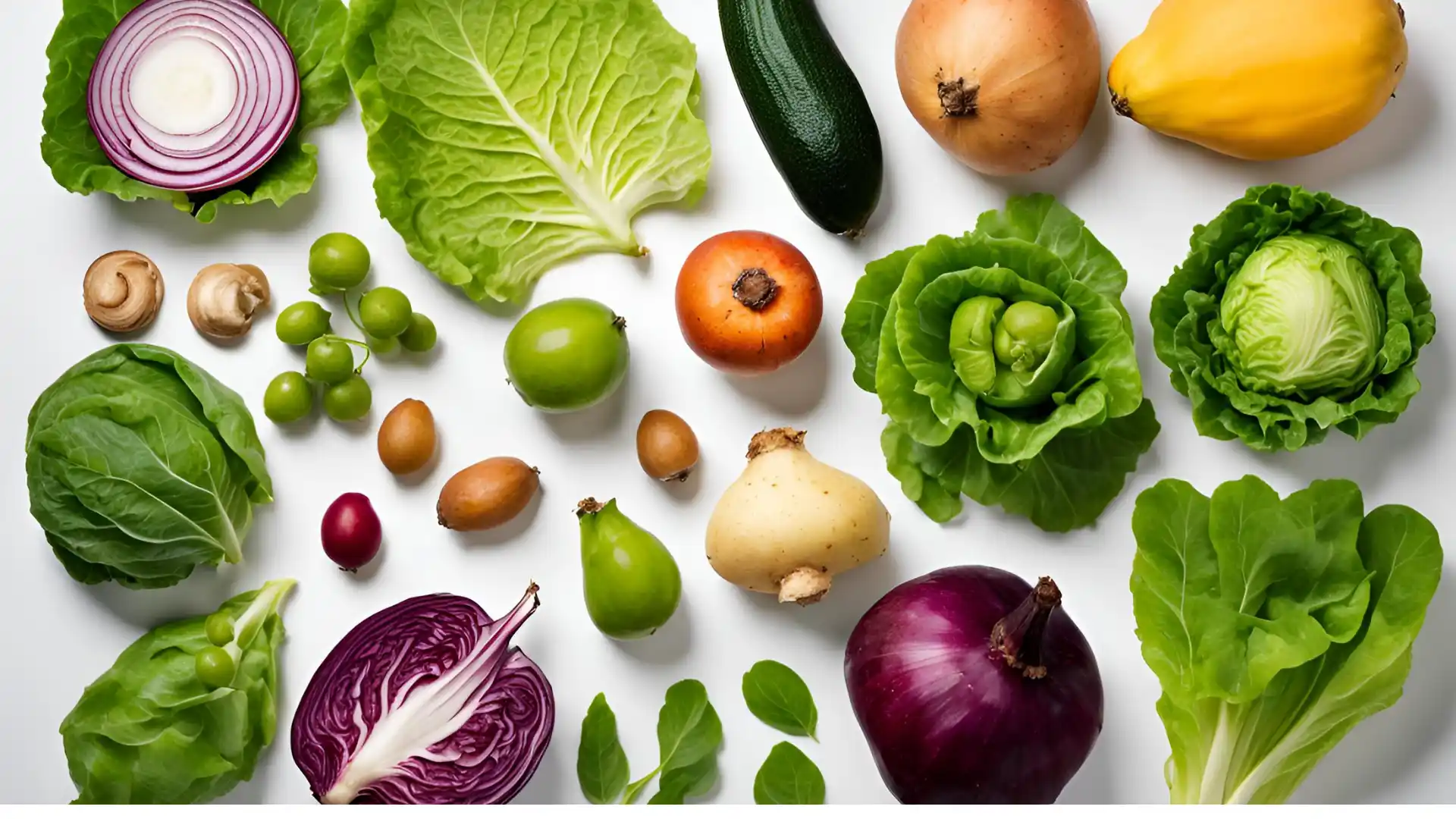
If you are interested in realizing where the allergy or sensitivity comes from, the Zone diet plan for elimination diet will be of great assistance. In this diet plan, likely trigger foods are omitted gradually and carefully with the aim of keeping the diet nutritionally healthy whilst watching out for possible body reactions. It’s a stepwise procedure of trial and error to find out what is in your best interest.
Diet plan grocery list
Diet plan overview
The Zone diet plan for elimination diet is designed to help you identify food sensitivities by systematically removing and reintroducing specific foods. This is done while keeping the Zone’s balance of nutrients so your body is supported throughout.
It’s a thoughtful way to find dietary triggers and have a diet that feels good for your body.
Foods to eat
- Whole Foods: Consume only unprocessed solid foods that promote healing from common food irritants.
- Low Sugar Foods: An elimination diet helps heal allergies, so ensure meals prepared do not contain allergens.
- Lean Proteins: Include lean protein sources like chicken and fish to maintain muscle while identifying food allergies.
- Green Vegetables: Incorporate vegetables like spinach and kale for sufficient vitamin and mineral intake.
- Fresh Fruits: Strawberries and apples are excellent choices as they are less likely to provoke stomach reactions.
Tip
Create a symptom chart to track how reintroducing each food affects your body, providing clear insights into food sensitivities.
Foods not to eat
- Processed Foods: Avoid all processed foods that may contain hidden allergens or additives.
- Common Allergens: Eliminate dairy, soy, gluten, eggs, and nuts to clearly identify sensitivities.
- Sugary Snacks: Remove sweets and desserts that may confuse your body’s response to other foods.
- Caffeine and Alcohol: Exclude these as they can exacerbate symptoms and interfere with sensitivity detection.
- Artificial Additives: Avoid foods with artificial colors, flavors, or preservatives that could trigger reactions.
Main benefits
The Zone diet plan for elimination diet removes potential triggers and watches for reactions. This personal approach will help food intolerance, allergies symptoms, and digestive health.

How to budget on this diet plan
For the Zone diet plan for elimination diet, keep everything very simple and prepare only few-ingredient meals so that the costs remain low as you are trying to explore the possible food sensitivities. This avoids wasting food and spending money on expensive cook books for complicated meals. Use whole unprocessed foods since they are cheaper and healthier than processed ones.
Meal plan suggestion
Day 1
- Breakfast: Scrambled eggs with chard and sesame seeds
- Lunch: Grilled turkey breast with millet, lettuce, and a side of mushrooms
- Dinner: Baked haddock fillet with green peas, squash, and a side of cabbage
- Snack: Cranberries with Brazil nuts
- Calories 🔥: 1480 Fat 💧: 60g Carbs 🌾: 135g Protein 🥩: 110g
Day 2
- Breakfast: Smoothie with goat cheese, mango, and poppy seeds
- Lunch: Turkey breast salad with lettuce, turnips, and a side of salsa verde
- Dinner: Baked haddock fillet with navy beans, chard, and a side of mushrooms
- Snack: Papaya slices with hazelnuts
- Calories 🔥: 1500 Fat 💧: 65g Carbs 🌾: 130g Protein 🥩: 108g
Day 3
- Breakfast: Eggs scrambled with goat cheese, basil, and a side of kiwi
- Lunch: Grilled turkey breast with millet, squash, and a side of cabbage
- Dinner: Baked haddock fillet with mung beans, green peas, and a side of salsa verde
- Snack: Pineapple slices with Brazil nuts
- Calories 🔥: 1500 Fat 💧: 62g Carbs 🌾: 135g Protein 🥩: 110g
Day 4
- Breakfast: Smoothie with sheep cheese, papaya, and poppy seeds
- Lunch: Turkey breast salad with lettuce, mushrooms, and a side of salsa verde
- Dinner: Baked haddock fillet with barley, turnips, and a side of cabbage
- Snack: Cranberries with macadamia nut oil
- Calories 🔥: 1480 Fat 💧: 64g Carbs 🌾: 132g Protein 🥩: 108g
Day 5
- Breakfast: Scrambled eggs with sheep cheese, oregano, and a side of mango
- Lunch: Grilled turkey breast with barley, green peas, and a side of salsa verde
- Dinner: Baked haddock fillet with navy beans, squash, and a side of cabbage
- Snack: Pineapple slices with hazelnuts
- Calories 🔥: 1500 Fat 💧: 63g Carbs 🌾: 135g Protein 🥩: 110g
Day 6
- Breakfast: Smoothie with goat cheese, kiwi, and sesame seeds
- Lunch: Turkey breast salad with lettuce, turnips, and a side of salsa verde
- Dinner: Baked haddock fillet with mung beans, green peas, and a side of mushrooms
- Snack: Cranberries with macadamia nut oil
- Calories 🔥: 1480 Fat 💧: 62g Carbs 🌾: 132g Protein 🥩: 108g
Day 7
- Breakfast: Scrambled eggs with goat cheese, basil, and a side of pineapple
- Lunch: Grilled turkey breast with millet, lettuce, and a side of cabbage
- Dinner: Baked haddock fillet with barley, squash, and a side of mushrooms
- Snack: Papaya slices with Brazil nuts
- Calories 🔥: 1500 Fat 💧: 63g Carbs 🌾: 135g Protein 🥩: 110g
These nutritional values are approximate and can vary slightly based on specific portion sizes and preparation methods.
Want to learn more?
Keep in mind
Other diet plans
-

Carnivore diet plan for diabetics
This diet plan on the carnivore diet for diabetic individuals is quite low on carbs while approximating almost 100 percent in protein and fats. This helps to control blood sugar levels. Avoiding sugars and most of carbs can make it possible to have diabetes well under control. It is a radical but straightforward dietary intervention which should be done with supervision and guidance from health practitioners.
-

Carnivore diet plan for healthy eating
Healthy eating in the carnivore diet plan comprises a range of nutrient-dense sourced meats, such as organs and bone broths, which contain critical vitamins and minerals. It aims to eliminate inflammatory reactions, which are characteristic of some lifestyle diseases, and cut back the diet to essential nutrients. It may seem limiting, however, it facilitates looking deeper into the quality of every piece of meat cuisine.
-

Carnivore diet plan for beginners
The following carnivore beginner’s plan is especially intended for those who are new to the carnivore way of life. It begins by eating only meat instead of animal-based foods. Just after a few weeks or so, start introducing other types of food, such as fish, poultry, and organ meat. No complicated steps involved - learn the basics of meat preparation and accommodate a new food pattern.