
Zone diet plan for lowering cholesterol
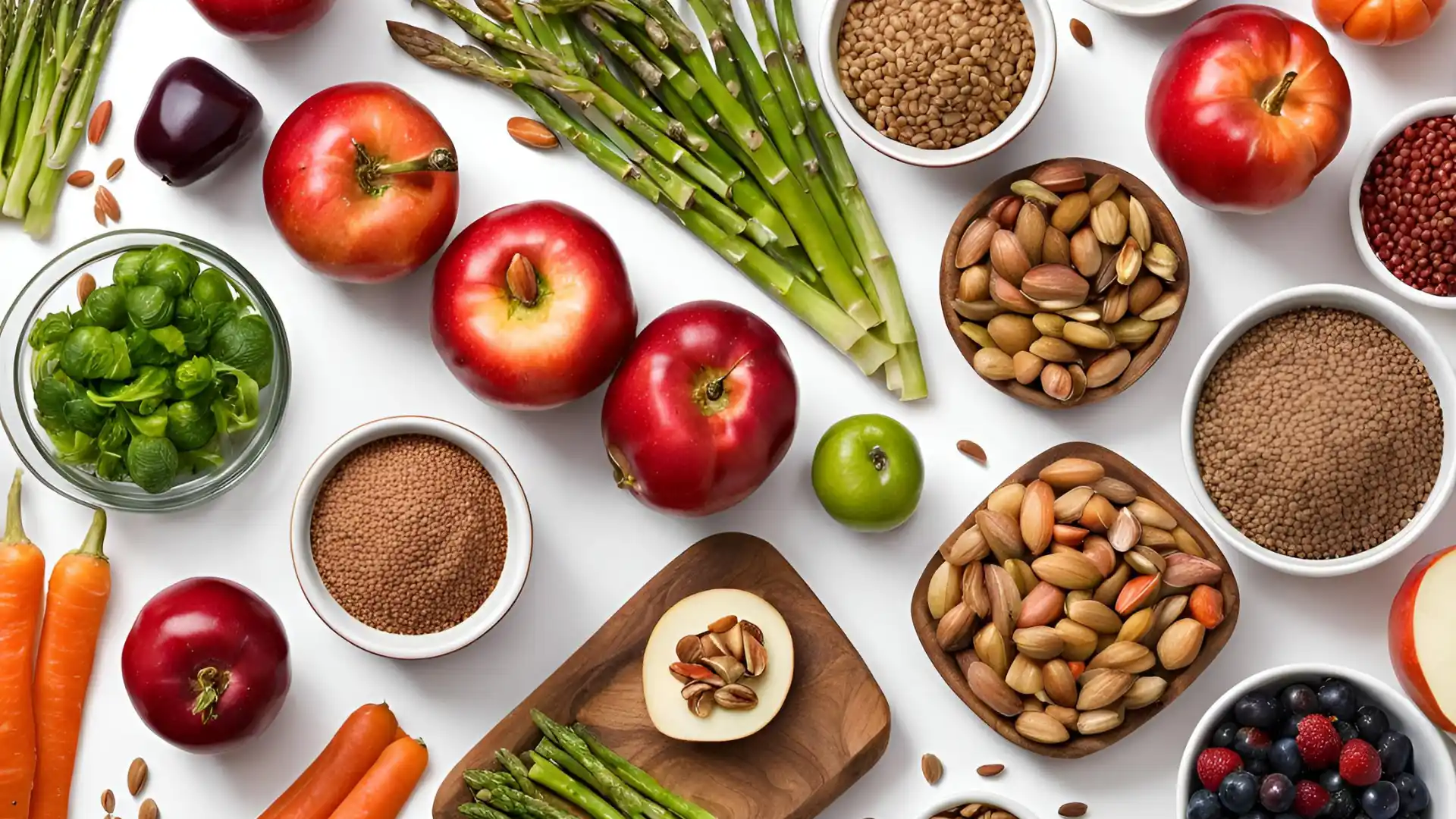
If you are determined to cut your cholesterol levels, then you should follow the Zone diet for lowering cholesterol. This is all about heart healthy fats, plenty of lean protein and fiber for managing cholesterol levels. Satisfying to the palate without compromise on how to eat.
Diet plan grocery list
Diet plan overview
The Zone diet for lowering cholesterol has certain alterations that are made to the standard Zone scheme which is aimed at reducing cholesterol. This includes high fiber foods, lean protein, and healthy fats for the heart; and this is the foundation of this one too.
This diet plan is a preventative approach in that heart health can be handled and enhanced through food.
Foods to eat
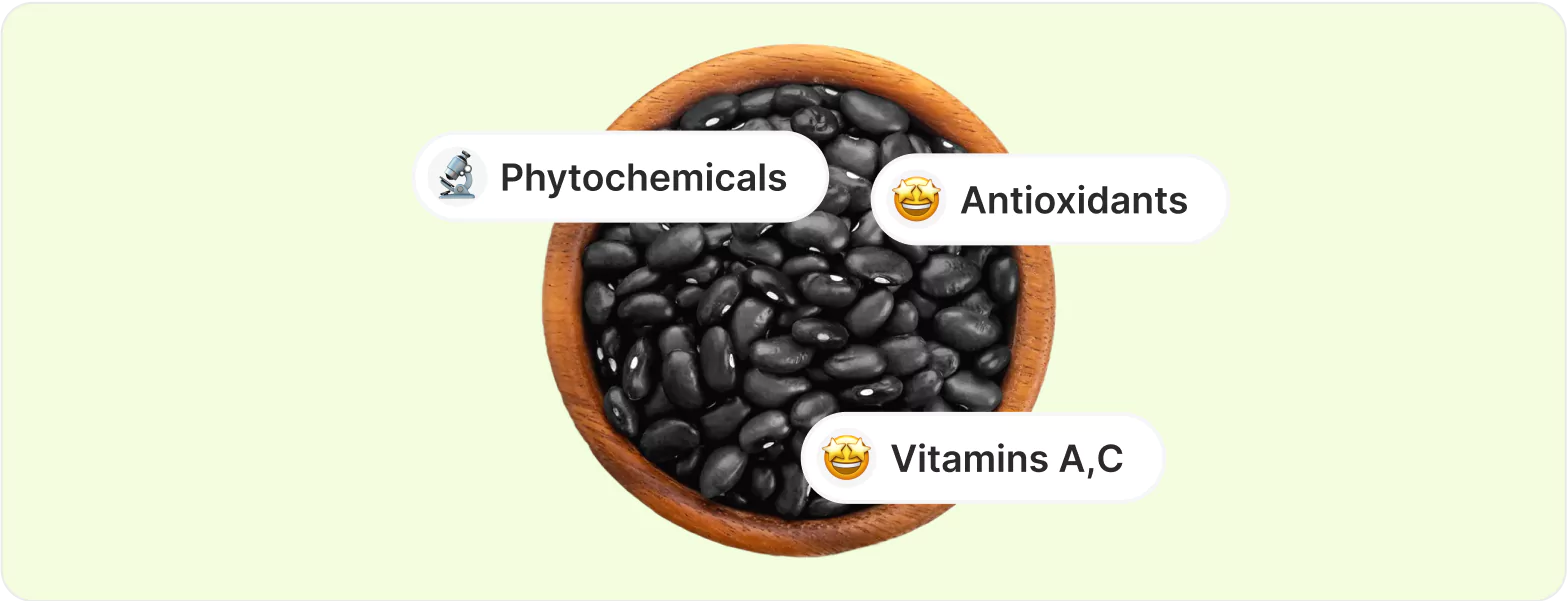
- High Fiber Foods: Oats, legumes, and fruits help reduce cholesterol buildup.
- Omega-3 Fatty Acids: Seafood like salmon, mackerel, and sardines are important for heart health.
- Nuts: Consuming walnuts, pistachios, and almonds can help lower bad cholesterol.
- Olive Oil: Use olive oil raw or in cooking to increase high-density cholesterol and reduce low-density cholesterol.
- Plant Sterols: Foods with plant sterols, such as certain margarines and orange juice, can aid in cholesterol lowering.
Tip
Incorporate a handful of nuts like almonds or walnuts daily; their healthy fats can help lower bad cholesterol and increase good cholesterol levels.
Foods not to eat
- Trans Fats: Avoid fried and baked goods that contain trans fats, as they can increase bad cholesterol.
- High Fat Meats: Limit fatty cuts of meat, which can raise cholesterol levels.
- Full Fat Dairy: Reduce full-fat milk, cheese, and cream to lower cholesterol intake.
- Fast Food: Minimize fast food, which is often high in saturated and trans fats.
- Processed Snacks: Avoid commercially baked cookies, crackers, and chips that are high in trans fats and cholesterol.
Main benefits
The Zone diet for lowering cholesterol has specific dietary adjustments to lower cholesterol. Regularly following this diet can lower bad cholesterol and raise good cholesterol for better heart health and lower heart disease risk.
How to budget on this diet plan
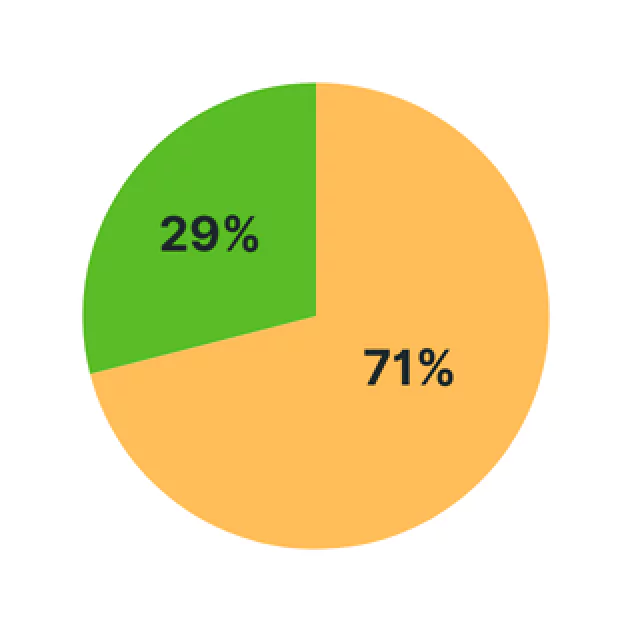
When following the Zone diet for lowering cholesterol, include plenty of high fiber foods like oats and beans which are cheap cholesterol fighters. Watch for sales on these essentials to include in your meals often for effective cholesterol management. Preparing meals at home rather than going out for meals also helps in managing the ingredients, portion, cost and cholesterol.
Meal plan suggestion
Day 1
- Breakfast: Greek yogurt with blueberries and chia seeds
- Lunch: Grilled chicken breast with quinoa, spinach, and a side of bell peppers
- Dinner: Baked salmon with sweet potatoes, broccoli, and a side of asparagus
- Snack: Apple slices with almonds
- Calories 🔥: 1500 Fat 💧: 64g Carbs 🌾: 132g Protein 🥩: 110g
Day 2
- Breakfast: Oatmeal with blueberries and chia seeds
- Lunch: Grilled chicken breast with quinoa, kale, and a side of bell peppers
- Dinner: Baked salmon with lentils, green beans, and a side of tomatoes
- Snack: Dark chocolate with walnuts
- Calories 🔥: 1520 Fat 💧: 65g Carbs 🌾: 130g Protein 🥩: 112g
Day 3
- Breakfast: Greek yogurt with blueberries and chia seeds
- Lunch: Grilled chicken breast with quinoa, kale, and a side of bell peppers
- Dinner: Baked salmon with sweet potatoes, broccoli, and a side of asparagus
- Snack: Apple slices with almonds
- Calories 🔥: 1500 Fat 💧: 64g Carbs 🌾: 132g Protein 🥩: 110g
Day 4
- Breakfast: Smoothie with Greek yogurt, blueberries, and chia seeds
- Lunch: Grilled chicken breast with quinoa, spinach, and a side of bell peppers
- Dinner: Baked salmon with lentils, green beans, and a side of tomatoes
- Snack: Dark chocolate with walnuts
- Calories 🔥: 1520 Fat 💧: 65g Carbs 🌾: 130g Protein 🥩: 112g
Day 5
- Breakfast: Greek yogurt with blueberries and chia seeds
- Lunch: Grilled chicken breast with quinoa, kale, and a side of bell peppers
- Dinner: Baked salmon with sweet potatoes, broccoli, and a side of asparagus
- Snack: Apple slices with almonds
- Calories 🔥: 1500 Fat 💧: 64g Carbs 🌾: 132g Protein 🥩: 110g
Day 6
- Breakfast: Oatmeal with blueberries and chia seeds
- Lunch: Grilled chicken breast with quinoa, kale, and a side of bell peppers
- Dinner: Baked salmon with lentils, green beans, and a side of tomatoes
- Snack: Dark chocolate with walnuts
- Calories 🔥: 1520 Fat 💧: 65g Carbs 🌾: 130g Protein 🥩: 112g
Day 7
- Breakfast: Greek yogurt with blueberries and chia seeds
- Lunch: Grilled chicken breast with quinoa, spinach, and a side of bell peppers
- Dinner: Baked salmon with sweet potatoes, broccoli, and a side of asparagus
- Snack: Apple slices with almonds
- Calories 🔥: 1500 Fat 💧: 64g Carbs 🌾: 132g Protein 🥩: 110g
These nutritional values are approximate and can vary slightly based on specific portion sizes and preparation methods.
Want to learn more?
Keep in mind
Other diet plans
-

Carnivore diet plan for diabetics
This diet plan on the carnivore diet for diabetic individuals is quite low on carbs while approximating almost 100 percent in protein and fats. This helps to control blood sugar levels. Avoiding sugars and most of carbs can make it possible to have diabetes well under control. It is a radical but straightforward dietary intervention which should be done with supervision and guidance from health practitioners.
-

Carnivore diet plan for healthy eating
Healthy eating in the carnivore diet plan comprises a range of nutrient-dense sourced meats, such as organs and bone broths, which contain critical vitamins and minerals. It aims to eliminate inflammatory reactions, which are characteristic of some lifestyle diseases, and cut back the diet to essential nutrients. It may seem limiting, however, it facilitates looking deeper into the quality of every piece of meat cuisine.
-

Carnivore diet plan for beginners
The following carnivore beginner’s plan is especially intended for those who are new to the carnivore way of life. It begins by eating only meat instead of animal-based foods. Just after a few weeks or so, start introducing other types of food, such as fish, poultry, and organ meat. No complicated steps involved - learn the basics of meat preparation and accommodate a new food pattern.