
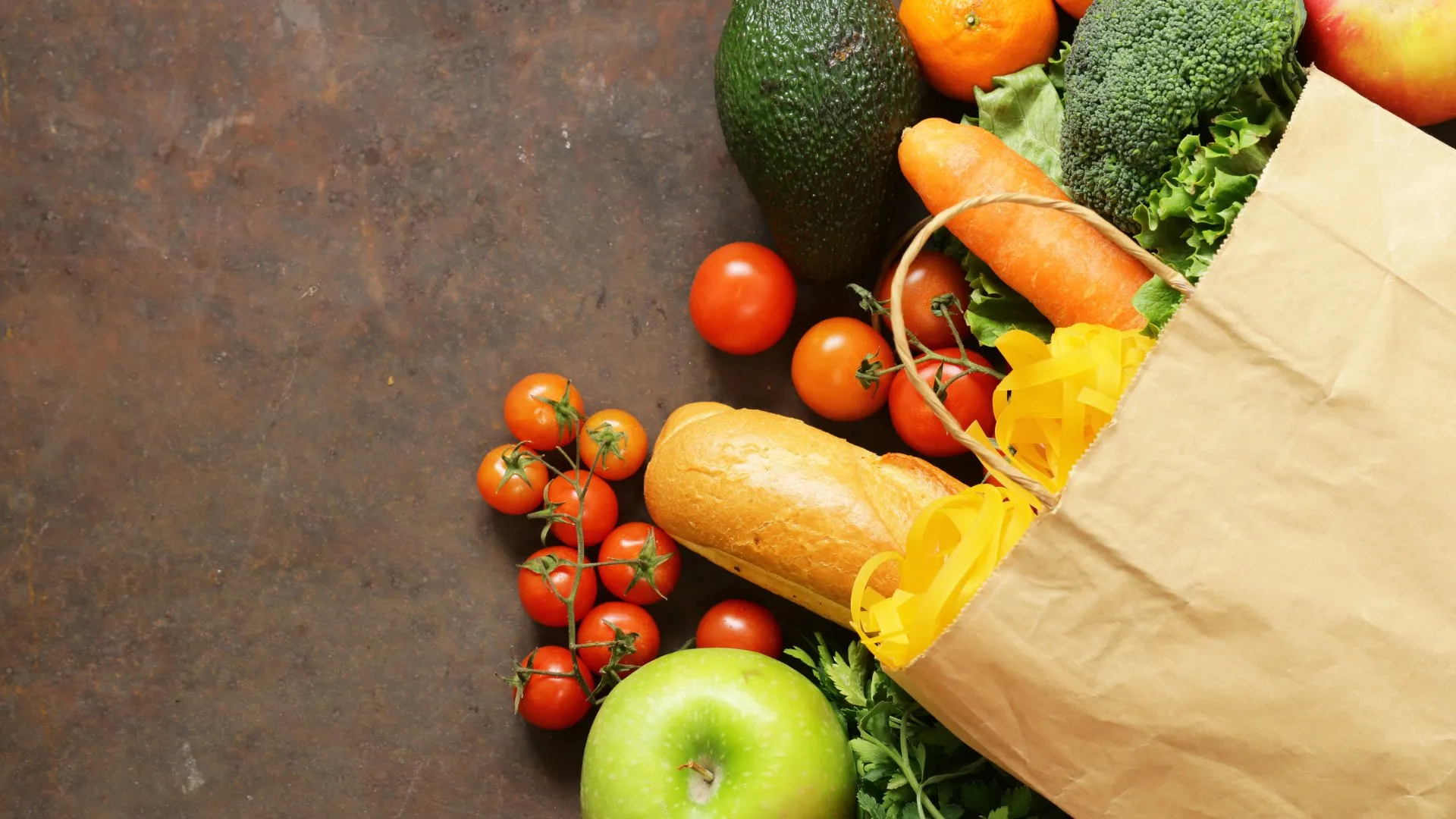
What Groceries Should I Always Keep at Home? And More About Food Shopping
Having the right groceries at home makes everyday cooking easier, reduces last-minute store runs, and helps you save money over time. An “always-ready” kitchen doesn’t mean stocking everything; it means keeping a smart selection of basics that work across many meals.
Below, we answer the most common questions about groceries you should always keep at home, simple food rules, and how to build a reliable pantry, including how Listonic can help you stay organized.
Get grocery listWhat are groceries you should always have in your house?
Groceries you should always have at home are versatile items that work for many meals.
These usually include staples like grains, proteins, basic vegetables, cooking fats, and pantry essentials such as canned goods or spices. Having these on hand makes it easier to prepare meals without starting from scratch every time.
Using Listonic, you can keep a permanent “always stocked” list and quickly check what needs refilling. This prevents overbuying and helps ensure your basics are always covered.
What is the 5 4 3 2 1 grocery rule?
The 5 4 3 2 1 grocery rule is a simple framework for balanced shopping:
- 5 vegetables
- 4 fruits
- 3 protein sources
- 2 grains
- 1 treat
This rule helps limit impulse purchases and keeps your grocery trips focused on essentials.
Listonic makes this easier by organizing items into categories, so you can quickly see if your list follows the rule before you shop.
What is the 3 3 3 rule for groceries?
The 3 3 3 rule focuses on simplicity and planning. It typically means choosing three meals, three snacks, and three staple items for a shopping period. This reduces decision fatigue and helps control spending.
With Listonic, you can create shorter, intentional lists that match this rule. Seeing fewer items and a clear total makes it easier to stick to your plan.
What is the 2 2 2 rule for food?
The 2 2 2 rule usually refers to buying:
- 2 proteins
- 2 carbohydrates
- 2 vegetables
This approach works well for small households or short shopping cycles.
Listonic helps you apply this rule consistently by keeping lists organized and easy to reuse for weekly shopping.
Basic grocery shopping list?
A basic grocery shopping list typically includes:
- Fresh produce
- Proteins (meat, fish, eggs, or plant-based options)
- Grains and bread
- Dairy or alternatives
- Pantry staples
Listonic allows you to save and reuse this basic list, so you don’t have to rebuild it every time. You simply adjust quantities or swap items based on what you already have.
👉 Check our suggestions for 30 items that should be on everyone’s shopping list.
Essential grocery list on a budget?
An essential grocery list on a budget focuses on affordable, flexible items that can be used across multiple meals. Staples like rice, pasta, beans, frozen vegetables, and eggs are common choices.
With Listonic, you can add prices to items and see estimated totals before shopping. This makes it easier to stay within budget and decide where substitutions make sense.
👉 Discover the benefits of creating a shopping list with prices.
Grocery essentials for new house?
Moving into a new house often means starting from an empty kitchen. Grocery essentials usually include cooking basics, shelf-stable foods, and a few fresh items for immediate meals.
Listonic helps by offering a large database of grocery items and the ability to build a “new home” checklist. This keeps your first few shopping trips organized and prevents forgetting important basics.
👉 Here’s an example of a ready-made essential new home list you can use.
Basic foods to have at home?
Basic foods to have at home are items that can be combined quickly into meals. These include oils, grains, canned goods, frozen foods, and simple proteins.
Using Listonic, you can maintain a recurring list of these basics and check items off as they run out. This creates a simple system for keeping your kitchen functional at all times.
What are the essential groceries to always have stocked at home?
Essential groceries are those that save time, reduce stress, and support regular cooking. These often include:
- Long-lasting pantry items
- Frozen or shelf-stable proteins
- Everyday produce
Listonic helps you monitor these essentials by saving past lists and making it easy to re-add frequently purchased items.
Where can I find curated grocery lists for an always-ready kitchen?
Curated grocery lists for an always-ready kitchen are most helpful when they guide you toward the right items without forcing you to plan everything from scratch.
Instead of relying on fixed templates, Listonic gives you access to a large product database, so you can quickly choose items that make sense for your household and cooking habits. Products are organized into clear categories, including popular and frequently bought items, which helps you build a reliable pantry without having to think through every choice yourself.
Get Listonic, the top-rated shopping list app, on your phone!


What are the top 10 foods to stockpile?
The best foods to stockpile are items that last a long time, work across many meals, and don’t require special storage. Keeping these basics on hand helps you cook quickly, handle unexpected situations, and reduce unnecessary store trips.
A practical top 10 foods to stockpile includes:
- Rice
- Pasta
- Canned beans
- Canned tomatoes
- Cooking oil
- Flour
- Oats
- Frozen vegetables
- Eggs
- Peanut butter or another long-lasting spread
With Listonic, you can keep these items in a dedicated stockpile list and quickly see what needs replenishing. This makes it easier to maintain your pantry intentionally instead of buying duplicates or forgetting key staples.