 Fish
 Tomatoes and coconut milk
Canned food is something we all should be using more of. Not only is it cheap and lasts for a long time, it is also often as healthy as fresh food. But from the wide range of canned goods that are available, what should you have on your pantry’s canned food list?
Why Canned Food for Your Stocked Pantry?
There are many benefits to canned food, which can be read in full in our “Canned Food is Good For You!” article. In short, the main reasons we should be shopping using canned food items list are as follows:
- Price - canned food is generally cheaper than fresh
- Range - some items can only be found canned in some stores, such as artichokes
- Sustainability - cans and their labels are recyclable, and their long shelf life and predetermined portions can help avoid unnecessary food waste
- Storage - long shelf-life means you can eat them well into the future. Because of this, canned goods make up a lot of items on a prepper food storage list.
- Nutrients - because canned food is prepared at the peak freshness, they are generally no less nutritious as fresh food
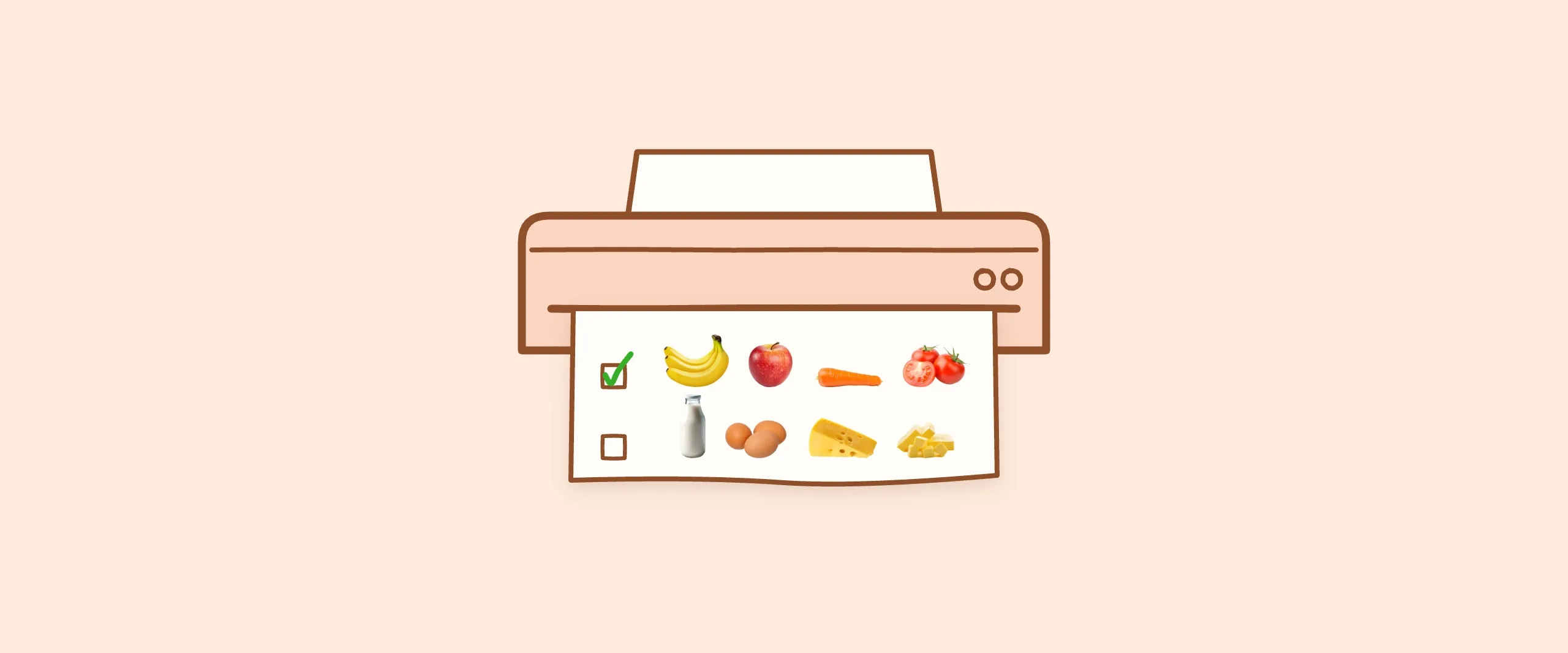
But what should you actually put on your canned food pantry list? We’ll take you through 10 items that we think should be on your list of canned goods and why. However, you can skip straight to the free printable shopping list template if you wish.


10 Essential Items for Your Canned Food List
Fish
We all should be eating at least 2 portions of fish per week. 1 of which should be oily fish such as tuna, mackerel, or sardines. Fresh fish can be difficult to store and keep fresh. But, the canned variety is easy to keep in your pantry without fear of it going off, and also means no messy or difficult preparation.
What’s more, some varieties of canned fish are a great source of calcium because the canning process softens the bones, making them edible. Fish canned with oil can also ensure a greater amount of omega 3 is preserved in the fish. Though this does mean increasing the calorie content.
Tomatoes
Tomatoes, especially chopped tomatoes, are a cooking essential. They and even appear on our basic grocery list. Canned varieties save a lot of preparation, such as peeling and chopping. Canned tomatoes are even healthier than fresh as the canning process increases the levels of lycopene in them: a great antioxidant.
Coconut milk
Have you ever tried milking a coconut? We certainly wouldn’t know where to start! However, it’s a key ingredient in southeast and east Asian cuisine. It also has several health benefits. It contains medium-chain triglycerides (MCTs) which can help boost your metabolism. Coconut milk can also help decrease bad cholesterol (LDL) as well as increase good cholesterol (HDL).
Baked beans
Many diets say that we should be increasing the amount of legumes we eat, especially if part of a flexitarian, planetary, or Mediterranean diets. Legumes, such as beans, peas, and lentils, are high in fiber, which help you maintain a healthy gut. They also keep you feeling full for longer as well as being a great source of protein.
So, what better place to start than with a family favorite: baked beans!
A word of caution; make sure you check the sugar and sodium levels per portion as these can be added to the sauce. You don’t want to be ingesting that healthy fiber and protein as well as too much of these. Especially as sugar and sodium are linked to obesity, diabetes, and hypertension. Look for low sodium and “diet”/light varieties, or check the label before buying.
Red kidney beans
These are another firm favorite. But you don’t have to add it only to your favorite chili recipe. They can be drained, rinsed, and put straight into salads or grain mixes to give these a fiber and protein boost. These canned beans are great because they do not need any soaking or cooking compared to the dried variety. However, be sure to take time to rinse them thoroughly to decrease the levels of salt, often added to the water to help preserve them. Alternatively, look for low sodium varieties.
Chickpeas
Another great pantry staple is chickpeas. As well as adding them to curries, like red kidney beans, they can be put straight into salads and grains mixes. Furthermore, if you blend them with some olive oil, garlic, and tahini (sesame seed paste), you’ve got your very own homemade hummus!
Lentils
Lentils are another great legume to have on your canned food list. Again, the canned version means you don’t have to take time to cook them. Many vegan recipes use green or black lentils to replace meat and ensure that there’s plenty of protein in your meal.
Vegetables
As much as legumes are a crucial element of any healthy diet, eating more vegetables is also just as important. But if you don’t have time to prepare and cook them, there is a better way: canned of course!
Vegetables come in many varieties, from boiled potatoes, cooked baby carrots, peas, to corn and red pepper mixes. These can be whole, chopped, pureéd, and more! The nutrient value of these is either very similar or just the same as fresh vegetables. What’s more, whilst frozen vegetables are just as nutritious, with canned you don’t need to worry about them going bad if there’s a power cut.
Soup
Nothing makes you feel nice and cozy during winter than a good soup. So, why not have some canned soup ready for those chillier days. Whilst it does take more time to cook than packet soup, these are generally more nutritious and tasty than packet soup’s freeze-dried ingredients and powdered flavor. Just make sure the canned soup you’re using doesn’t have too much sugar, sodium, saturated fat, or artificial ingredients.
Full meals
As well as soup, you can buy entire meals in a can. These can really help you out in a fix. If we’re honest, the canning process means they don’t always look too appetizing. But, like all other canned food, they’re still nutritious. Although, you need to watch out for meals with high levels of sugar, sodium, and saturated fat, as well as artificial ingredients.
We would actually recommend making a fresh meal using canned ingredients, such as legumes and vegetables. This can save some precious time, is generally tastier, and certainly looks better! But canned meals are decent enough for those who really don’t have much time to cook, or if there’s an emergency. They can provide a somewhat balanced meal with minimum effort.