
7-day Meal Plan For Cholesterol
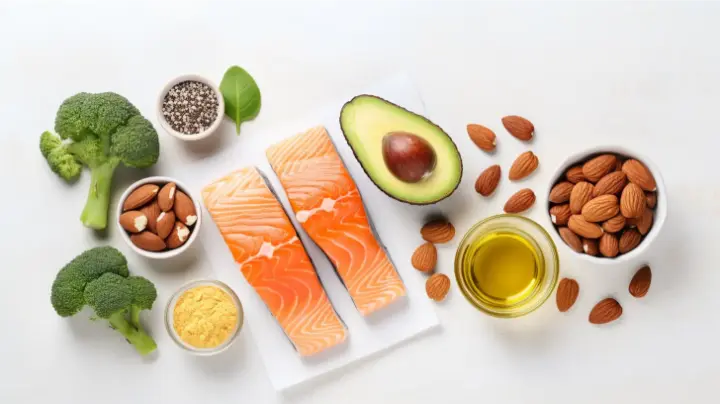
Looking to manage cholesterol through diet? Our 7-day meal plan for cholesterol focuses on heart-healthy foods. We'll guide you through nutritious meal choices and show you how to turn them into a convenient shopping list. Let's take a step towards a healthier heart!
Meal plan grocery list
 Dry goods
 Snacks & sweets
 Meats
 Fish & seafood
 Dairy & eggs
 Spices & sauces
 Fresh grocery
 Bakery
 Plant based
Meal plan overview
Looking to manage cholesterol through diet? Our 7-day meal plan for cholesterol focuses on heart-healthy foods. It's designed to help lower cholesterol levels and improve overall heart health.
Enjoy a variety of tasty, cholesterol-friendly meals that benefit your heart. It's a proactive approach to eating for a healthier heart.
Foods to eat
- Oats and Whole Grains: Choose oatmeal, whole wheat, barley, and quinoa for soluble fiber.
- Fruits: Include apples, berries, citrus fruits, and pears for fiber and antioxidants.
- Fatty Fish: Incorporate salmon, mackerel, and trout for omega-3 fatty acids.
- Nuts and Seeds: Opt for almonds, walnuts, flaxseeds, and chia seeds for heart-healthy fats.
- Vegetables: Enjoy a variety of colorful vegetables like broccoli, spinach, carrots, and bell peppers.
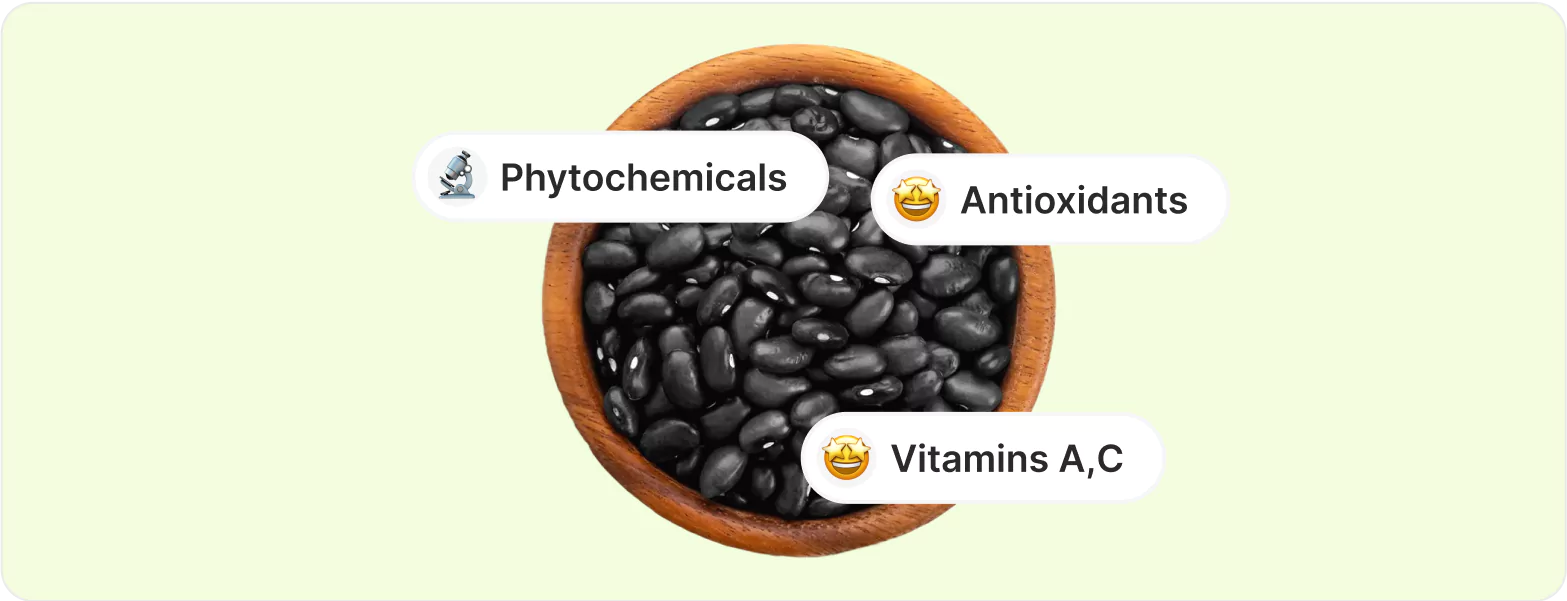
- Beans and Legumes: Include lentils, chickpeas, black beans, and peas for plant-based protein and fiber.
- Plant Sterols: Choose foods fortified with plant sterols, like certain margarines, for cholesterol management.
- Olive Oil: Use olive oil as a primary cooking oil for monounsaturated fats.
- Green Tea: Consider incorporating green tea for antioxidants that may benefit heart health.
- Avocado: Enjoy avocados for monounsaturated fats and other heart-healthy nutrients.
Tip
Include foods rich in soluble fiber like beans and oats to help lower LDL cholesterol levels.
Foods not to eat
- Saturated and Trans Fats: Limit intake of red meat, full-fat dairy, and processed foods high in unhealthy fats.
- High-Cholesterol Foods: Reduce consumption of organ meats, shellfish, and egg yolks.
- Processed Meats: Minimize intake of bacon, sausages, and other processed meats high in saturated fat.
- Excessive Added Sugars: Reduce intake of sugary beverages, candies, and desserts.
- Refined Grains: Choose whole grains over refined options for better cholesterol control.
- Fast Food: Minimize consumption of fast food, which is often high in unhealthy fats and cholesterol.
- Hydrogenated Oils: Avoid foods containing partially hydrogenated oils, which contain trans fats.
- Excessive Alcohol: Consume alcohol in moderation, or as recommended by a healthcare professional.
- Excessive Caffeine: Limit caffeine intake, as excessive amounts may affect cholesterol levels.
- Highly Processed Snacks: Opt for whole, unprocessed snacks over highly processed alternatives.
Read more about key products



Main benefits
The 7-Day Meal Plan For Cholesterol is tailored to manage and lower cholesterol levels through dietary choices. This plan emphasizes heart-healthy fats, including those from avocados, nuts, and olive oil. Incorporating soluble fiber from oats, legumes, and fruits helps reduce cholesterol absorption. Omega-3 fatty acids from fatty fish further contribute to heart health. With an emphasis on whole grains, lean proteins, and antioxidant-rich foods, this meal plan supports overall cardiovascular well-being and helps individuals manage their cholesterol levels effectively.
Recommended nutrient breakdown
- Protein: 11%
- Fat: 13%
- Carbs: 64%
- Fiber: 10%
- Other: 2%
How to budget on this meal plan
To budget this cholesterol-friendly meal plan, focus on buying whole grains, legumes, and nuts in bulk, as they are staples in a heart-healthy diet. Oats, brown rice, lentils, and almonds can be purchased in larger quantities for cost savings. Choose seasonal fruits and vegetables for better prices and quality, and consider frozen options for berries and mixed greens. For proteins, opt for lean meats like chicken, turkey, and fish, and buy them in bulk when on sale. Eggs and tofu are also affordable protein sources. Incorporate more plant-based meals using beans and lentils to reduce costs. Make your own healthy snacks like hummus and mixed nuts, rather than buying pre-packaged versions. Plan meals to use overlapping ingredients, minimizing waste and maximizing usage. Avoid processed foods, which can be more expensive and less healthy.
Lower cholesterol naturally with these choices:


Extra tips
Any healthy snack ideas?
Cholesterol-lowering snacks focus on heart-healthy ingredients:
- Oats with almond milk and berries
- Nuts like almonds or walnuts
- Apple slices with natural peanut butter
- Whole grain crackers with hummus
- Fresh fruit smoothies
- Vegetable sticks with guacamole
- Baked sweet potato fries
What should I drink on this meal plan?
In a diet aimed at managing cholesterol, water is key for hydration and flushing toxins. Green tea has been shown to help lower cholesterol. Almond milk is a heart-healthy, non-dairy alternative. Soy milk can also help reduce bad cholesterol. Fresh orange juice, in moderation, provides antioxidants without added sugars.
How to get even more nutrients?
To manage cholesterol, it’s about choosing the right types of fats and fibers. Emphasize soluble fiber found in foods like oats, beans, and certain fruits, which can help lower bad cholesterol. Lean proteins, particularly plant-based options, are excellent choices. Healthy fats from sources like olive oil, avocados, and nuts can improve your lipid profile. Avoid trans fats and limit saturated fats typically found in processed foods and red meats.
Meal plan suggestion
Day 1
- Breakfast: Oatmeal with fresh blueberries and a sprinkle of flaxseeds
- Lunch: Grilled chicken salad with mixed greens, avocado, and olive oil dressing
- Dinner: Baked salmon with quinoa and steamed broccoli
- Calories 🔥: 1800 Fat 💧: 65g Carbs 🌾: 180g Protein 🥩: 110g
Day 2
- Breakfast: Smoothie with spinach, banana, almond milk, and chia seeds
- Lunch: Whole grain wrap with hummus, cucumber, and grated carrots
- Dinner: Stir-fried tofu with mixed vegetables and brown rice
- Calories 🔥: 1900 Fat 💧: 70g Carbs 🌾: 200g Protein 🥩: 100g
Day 3
- Breakfast: Whole grain toast with avocado and a poached egg
- Lunch: Lentil soup with a side of mixed greens salad
- Dinner: Grilled turkey breast with sweet potato and green beans
- Calories 🔥: 1850 Fat 💧: 68g Carbs 🌾: 190g Protein 🥩: 105g
Day 4
- Breakfast: Greek yogurt with mixed nuts and honey
- Lunch: Quinoa salad with chickpeas, bell peppers, and a lemon vinaigrette
- Dinner: Baked cod with roasted asparagus and wild rice
- Calories 🔥: 1800 Fat 💧: 65g Carbs 🌾: 185g Protein 🥩: 100g
Day 5
- Breakfast: Scrambled eggs with spinach and mushrooms
- Lunch: Turkey and avocado sandwich on whole grain bread
- Dinner: Beef stir-fry with bell peppers, broccoli, and brown rice
- Calories 🔥: 1900 Fat 💧: 70g Carbs 🌾: 200g Protein 🥩: 105g
Day 6
- Breakfast: Berry and banana oat bran muffin
- Lunch: Baked chicken with quinoa and steamed carrots
- Dinner: Grilled shrimp with vegetable stir-fry and quinoa
- Calories 🔥: 1850 Fat 💧: 68g Carbs 🌾: 190g Protein 🥩: 103g
Day 7
- Breakfast: Whole grain cereal with skim milk and fresh strawberries
- Lunch: Tuna salad with mixed greens and olive oil dressing
- Dinner: Roast turkey with sweet potatoes and steamed Brussels sprouts
- Calories 🔥: 1800 Fat 💧: 65g Carbs 🌾: 185g Protein 🥩: 100g
Remember to drink plenty of water throughout the day and to adjust portion sizes according to your individual needs.
Want to learn more?
Keep in mind
Other meal plans
-

7-day Meal Plan For Mediterranean Diet
Embarking on a Mediterranean journey? You're in for a treat! Discover the secrets of a 7-day Mediterranean diet meal plan and how it can invigorate your health. This article will guide you through a flavorful world of nutritious foods and show you how to turn these meals into an efficient shopping list. Let's set sail!
-

7-day Meal Plan For Weight Loss
Ready to kickstart your weight loss journey? A 7-day meal plan tailored for weight loss could be your golden ticket. In this article, we'll explore how to craft a weight loss meal plan that's both delicious and effective for shedding pounds, plus tips on transforming it into a smart shopping list. Time to get excited about your health goals!
-

7-day Meal Plan For Diabetics
Managing diabetes with diet doesn't have to be daunting. Learn how a 7-day meal plan can help control your blood sugar and improve overall health. We'll guide you through creating diabetic-friendly meals and turning them into a simple shopping list. Let's make healthy eating a breeze!