
7-day Meal Plan For Intermittent Fasting
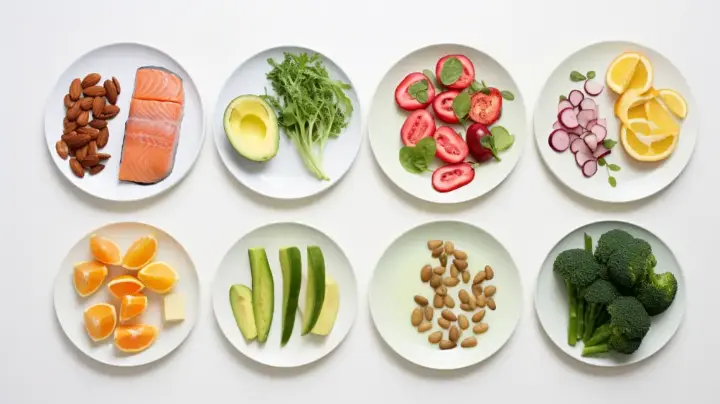
Interested in the benefits of intermittent fasting? Our 7-day meal plan for intermittent fasting simplifies your eating schedule while ensuring nutritional balance. Plus, we'll help you convert this plan into an easy-to-follow shopping list. Let's explore the world of intermittent fasting together!
Meal plan grocery list
 Meats
 Plant based
 Dairy & eggs
 Fish & seafood
 Fresh grocery
 Dry goods
 Snacks & sweets
 Spices & sauces
Meal plan overview
Explore the benefits of intermittent fasting with our 7-day meal plan. It simplifies your eating schedule while ensuring you get the right nutritional balance.
This plan is great for those looking to try intermittent fasting without compromising on health and nutrition.
Foods to eat
- Lean Proteins: Chicken, turkey, fish, tofu, and other lean protein sources.
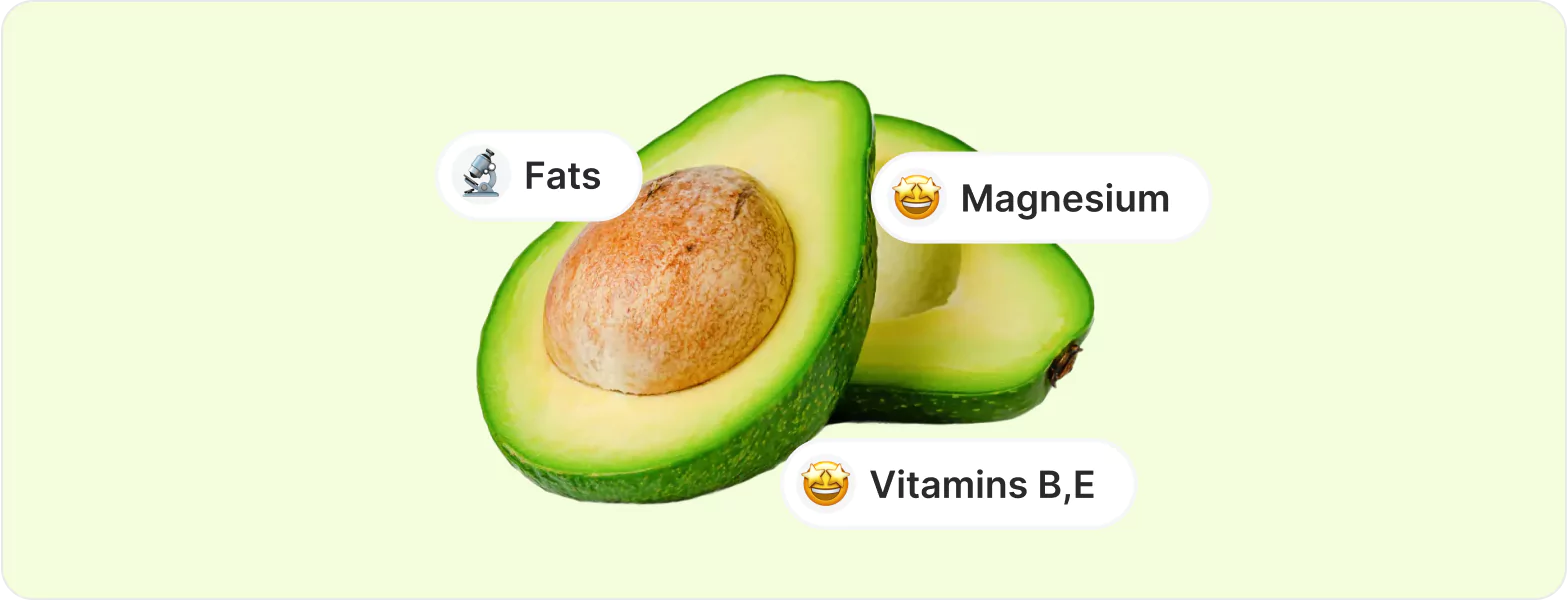
- Healthy Fats: Avocados, nuts, seeds, olive oil, and fatty fish for sustained energy.
- Fruits and Vegetables: Colorful fruits and vegetables for essential vitamins and minerals.
- Whole Grains: Quinoa, brown rice, oats, and whole wheat products for fiber and energy.
- Low-Calorie Beverages: Water, herbal tea, and black coffee for hydration during fasting periods.
- Nutrient-Dense Snacks: Greek yogurt, berries, and nuts for balanced snacks during eating windows.
- Hydration: Drink plenty of water to stay hydrated, especially during fasting periods.
- Caffeine in Moderation: Black coffee or tea can be consumed during fasting periods for a mild energy boost.
- Meal Timing: Plan nutrient-dense meals during eating windows to support overall health.
Tip
Break your fast with protein-rich foods like Greek yogurt to maintain muscle mass and satiety.
Foods not to eat
- Sugary Foods and Beverages: Minimize intake of sugary snacks, sodas, and desserts.
- Processed Foods: Limit highly processed snacks and convenience foods during eating windows.
- Excessive Caloric Intake: Be mindful not to overeat during eating windows, maintaining a balanced intake.
- Alcohol: Limit alcohol consumption, especially during fasting periods, to avoid interference with metabolism.
- Highly Caffeinated Beverages: Limit consumption of highly caffeinated beverages, especially if sensitive to caffeine.
- Unplanned Snacking: Avoid unplanned snacking outside designated eating windows to maintain the fasting structure.
- Unhealthy Fats: Minimize intake of trans fats and excessive saturated fats.
- Excessive Processed Meats: Limit processed meats high in sodium and additives.
- Consult a Professional: If in doubt, seek guidance from a nutritionist or healthcare professional to create a personalized plan.
Read more about key products


Main benefits
The 7-Day Meal Plan For Intermittent Fasting harnesses the benefits of intermittent fasting for improved metabolic health. This meal plan strategically incorporates periods of fasting and eating, promoting fat metabolism and supporting weight management. During eating windows, emphasis is placed on nutrient-dense foods, including lean proteins, whole grains, and fruits and vegetables. Intermittent fasting may offer various health benefits, such as improved insulin sensitivity and metabolic flexibility, making it a potentially effective approach for those seeking to optimize their health through intermittent fasting practices.
Recommended nutrient breakdown
- Protein: 29%
- Fat: 16%
- Carbs: 42%
- Fiber: 11%
- Other: 2%
How to budget on this meal plan
To budget this intermittent fasting meal plan, focus on purchasing versatile and bulk items. Choose whole grains like brown rice and quinoa in larger quantities for savings. Opt for seasonal fruits and vegetables, and consider frozen options for berries and mixed vegetables. Buy proteins like chicken, turkey, and tofu in bulk, and look for sales on fish and shrimp. Eggs are a cost-effective protein source. Utilize beans and lentils as inexpensive protein and fiber additions. Make your own dressings and sauces using bulk-bought olive oil and vinegar, and buy herbs and spices in bulk. Plan meals to use overlapping ingredients, reducing waste and cost.
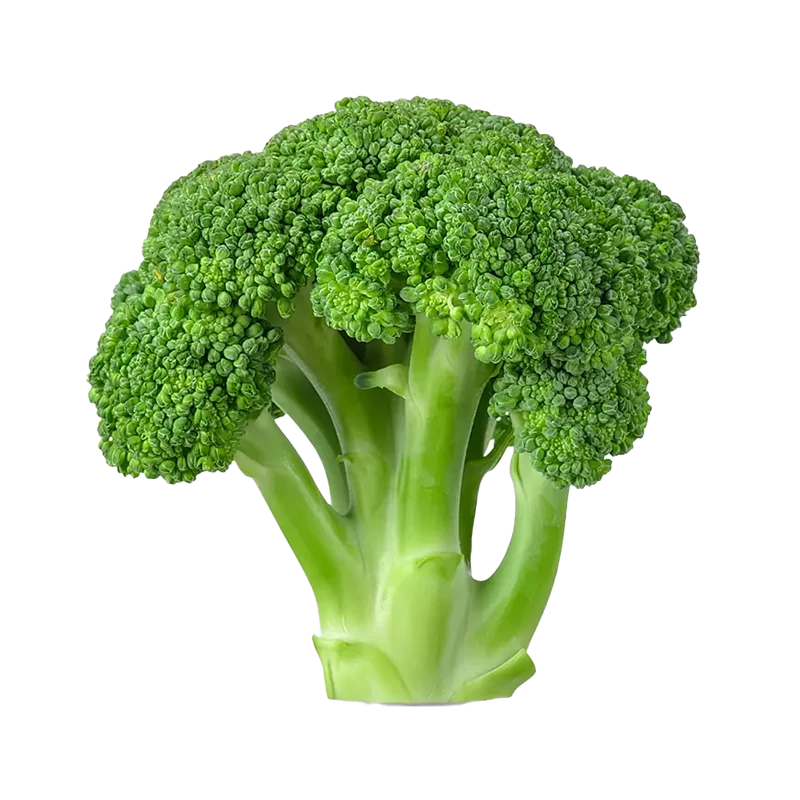
Packed with vitamins, minerals, and antioxidants:


Extra tips
Any healthy snack ideas?
Choose nourishing snacks for your eating windows in intermittent fasting:
- Greek yogurt with mixed berries
- Almonds and walnuts
- Boiled eggs
- Cheese slices with apple
- Fresh fruit salad
- Whole grain toast with avocado
- Carrot and cucumber sticks with hummus
What should I drink on this meal plan?
For intermittent fasting, water should be the primary beverage to maintain hydration. Herbal teas and black coffee are good choices as they contain minimal calories, helping to maintain the fast. Bone broth can be a nourishing option during eating periods, providing nutrients and aiding in satiety.
How to get even more nutrients?
Intermittent fasting is more about when you eat than what you eat, but nutrition still matters. During your eating periods, focus on nutrient-dense foods. Pack in proteins, healthy fats, and lots of fruits and veggies. Whole grains are great for sustained energy. It’s all about making those meals count with quality, nutritious foods.
Meal plan suggestion
Day 1
- Lunch: Grilled chicken salad with mixed greens, cherry tomatoes, cucumbers, and balsamic vinaigrette
- Snack: A handful of almonds and an apple
- Dinner: Baked salmon with steamed broccoli and quinoa
- Calories 🔥: 2000 Fat 💧: 70g Carbs 🌾: 150g Protein 🥩: 120g
Day 2
- Lunch: Turkey and avocado wrap with whole grain tortilla
- Snack: Greek yogurt with honey and mixed berries
- Dinner: Stir-fried tofu with mixed vegetables and brown rice
- Calories 🔥: 2100 Fat 💧: 75g Carbs 🌾: 160g Protein 🥩: 125g
Day 3
- Lunch: Quinoa salad with chickpeas, spinach, and feta cheese
- Snack: Carrot sticks with hummus
- Dinner: Grilled steak with sweet potato and green beans
- Calories 🔥: 2050 Fat 💧: 73g Carbs 🌾: 155g Protein 🥩: 130g
Day 4
- Lunch: Chicken Caesar salad with whole grain croutons
- Snack: Mixed nuts and a banana
- Dinner: Baked cod with roasted asparagus and wild rice
- Calories 🔥: 1950 Fat 💧: 68g Carbs 🌾: 150g Protein 🥩: 120g
Day 5
- Lunch: Tuna salad with mixed greens and whole grain crackers
- Snack: Cottage cheese with pineapple chunks
- Dinner: Grilled shrimp with vegetable stir-fry and brown rice
- Calories 🔥: 2000 Fat 💧: 70g Carbs 🌾: 155g Protein 🥩: 125g
Day 6
- Lunch: Veggie burger with avocado and a side salad
- Snack: Apple slices with peanut butter
- Dinner: Chicken stir-fry with bell peppers, broccoli, and brown rice
- Calories 🔥: 2100 Fat 💧: 75g Carbs 🌾: 160g Protein 🥩: 130g
Day 7
- Lunch: Spinach and goat cheese omelette with a side of whole grain toast
- Snack: A handful of dried fruit and nuts
- Dinner: Roasted lamb with mint sauce, quinoa, and steamed carrots
- Calories 🔥: 2050 Fat 💧: 72g Carbs 🌾: 155g Protein 🥩: 128g
These values are approximate and can vary slightly based on specific portion sizes and preparation methods.
Want to learn more?
Keep in mind
Other meal plans
-

7-day Meal Plan For Mediterranean Diet
Embarking on a Mediterranean journey? You're in for a treat! Discover the secrets of a 7-day Mediterranean diet meal plan and how it can invigorate your health. This article will guide you through a flavorful world of nutritious foods and show you how to turn these meals into an efficient shopping list. Let's set sail!
-

7-day Meal Plan For Weight Loss
Ready to kickstart your weight loss journey? A 7-day meal plan tailored for weight loss could be your golden ticket. In this article, we'll explore how to craft a weight loss meal plan that's both delicious and effective for shedding pounds, plus tips on transforming it into a smart shopping list. Time to get excited about your health goals!
-

7-day Meal Plan For Diabetics
Managing diabetes with diet doesn't have to be daunting. Learn how a 7-day meal plan can help control your blood sugar and improve overall health. We'll guide you through creating diabetic-friendly meals and turning them into a simple shopping list. Let's make healthy eating a breeze!