
7-day Meal Plan For Vegetarian
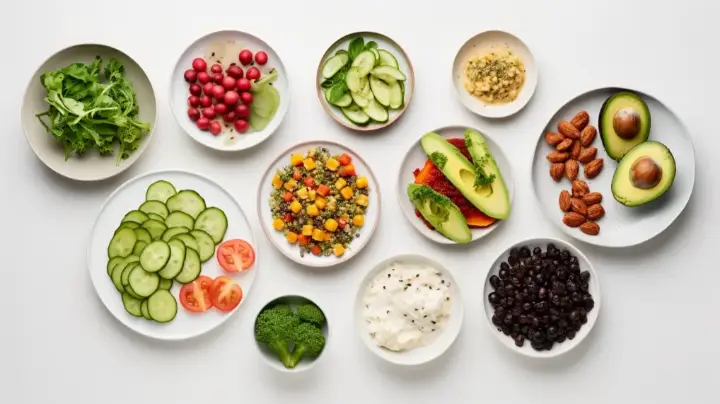
Going vegetarian? Our 7-day vegetarian meal plan is full of delicious, plant-based choices. We'll show you how to turn these meals into a quick and easy shopping list, so eating vegetarian really can be easy and enjoyable.
Meal plan grocery list
 Dry goods
 Baking goods
 Snacks & sweets
 Cans & jars
 Dairy & eggs
 Beverages
 Spices & sauces
 Fresh grocery
 Bakery
 Plant based
Ready meals
Meal plan overview
Our 7-day vegetarian meal plan celebrates plant-based eating. Less than this, it is chock-full of genuinely healthy and truly delicious vegetarian options that are sure to please.
Variety in dishes keeps the diet diverse and exciting, therefore both the long-time vegetarian and the beginner in these culinary arts can find comfort here.
Foods to eat
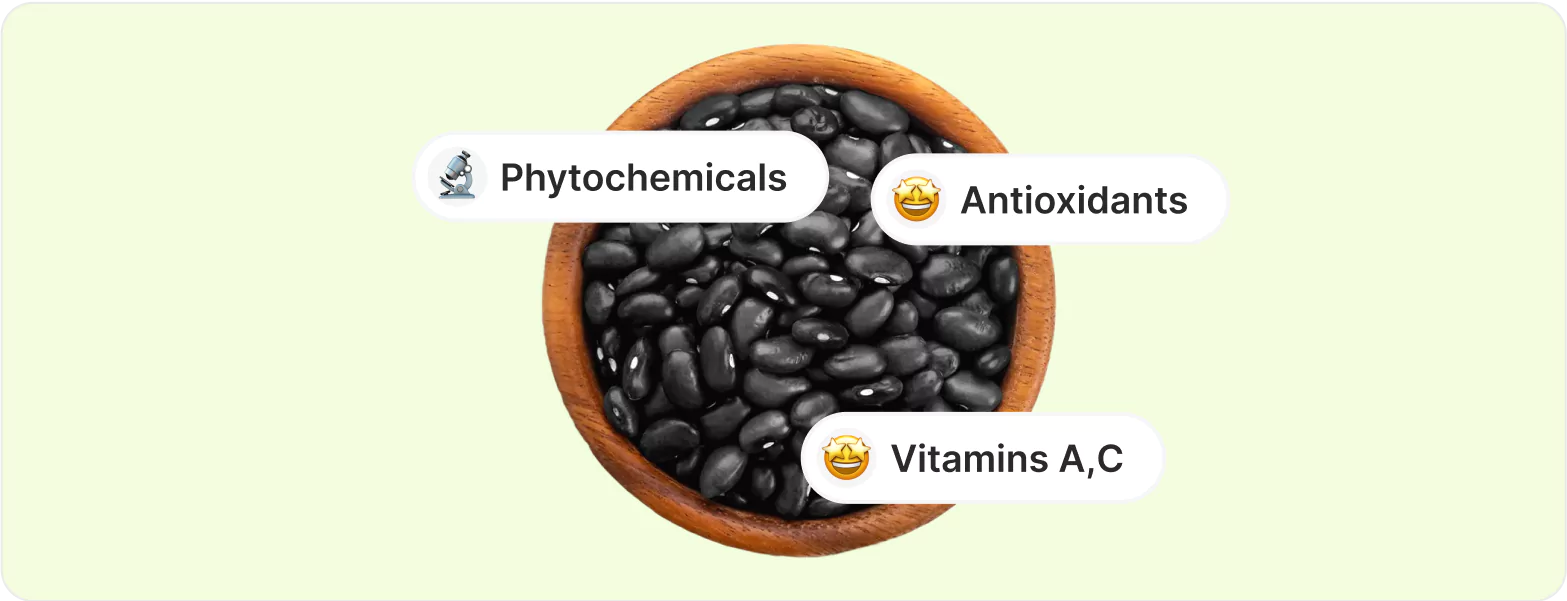
- Plant-Based Proteins: Lentils, chickpeas, black beans, tofu, tempeh, and edamame.
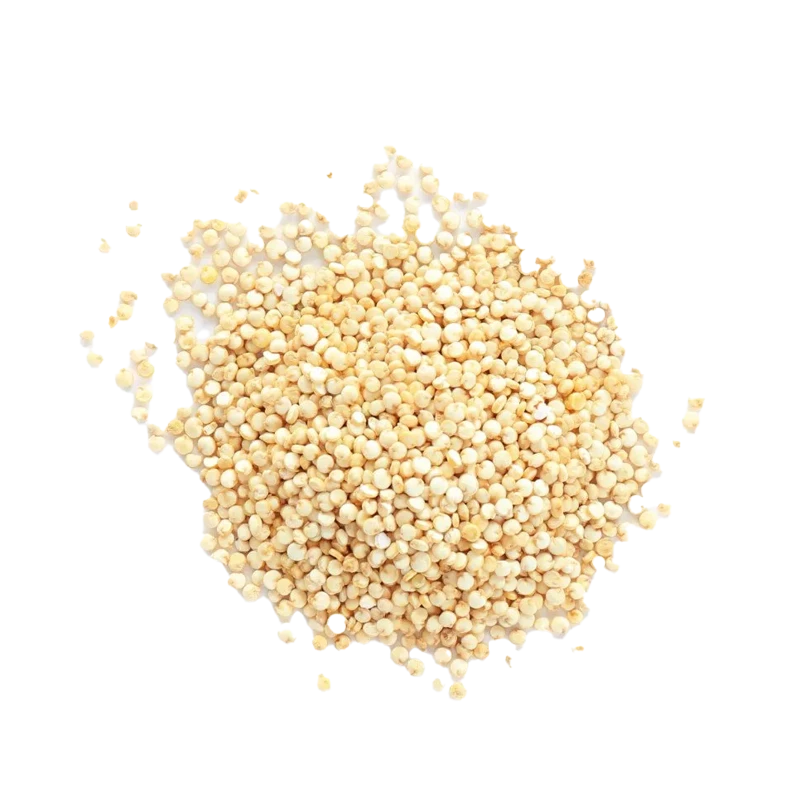
- Whole Grains: Quinoa, brown rice, oats, barley, and whole wheat products.
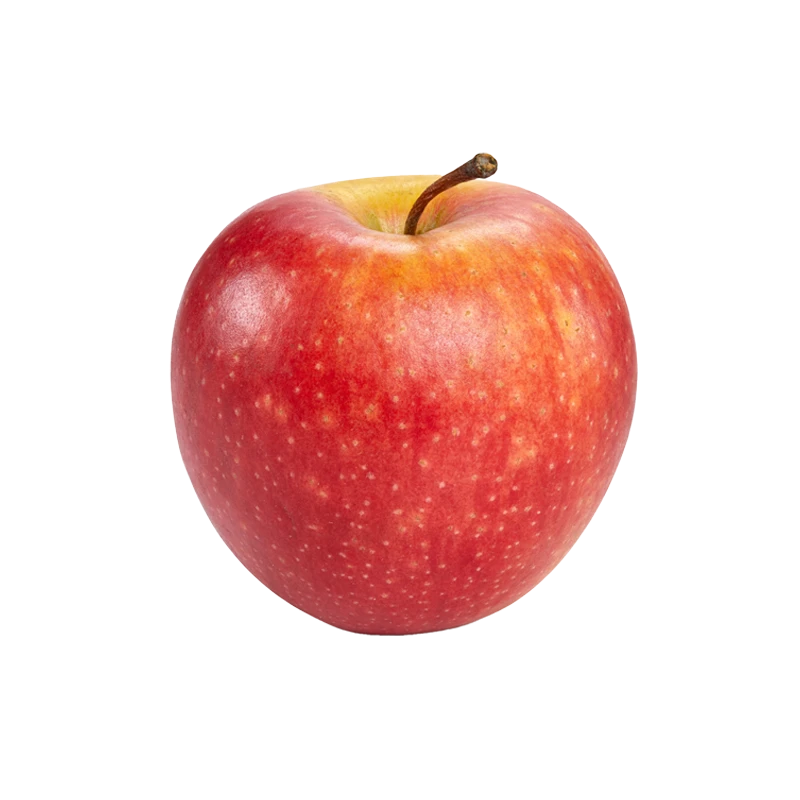
- Fruits: Berries, apples, bananas, citrus fruits, and a variety of fresh fruits.
- Vegetables: Leafy greens, broccoli, cauliflower, bell peppers, and colorful vegetables.
- Nuts and Seeds: Almonds, walnuts, chia seeds, flaxseeds, and sunflower seeds.
- Dairy or Dairy Alternatives: Greek yogurt, almond milk, soy milk, and other plant-based alternatives.
- Healthy Fats: Avocados, olive oil, and nuts for essential fatty acids.
- Eggs: For those who include eggs in their vegetarian diet.
- Herbs and Spices: Use a variety of herbs and spices for flavor without added calories.
Tip
Experiment with nutritional yeast in recipes for a cheese-like flavor, plus a boost of B vitamins, especially B12, which is crucial for vegetarians.
Foods not to eat
- Meat and Poultry: Exclude red meat, poultry, and fish from the diet.
- Processed Meat Alternatives: Be cautious with highly processed meat substitutes high in sodium and additives.
- Highly Processed Foods: Minimize intake of processed snacks, desserts, and convenience foods.
- Refined Grains: Choose whole grains over refined options for better nutritional value.
- Excessive Dairy: Limit full-fat dairy products and choose low-fat alternatives.
- High-Sugar Snacks: Be mindful of sugary snacks and desserts for overall health.
- Excessive Fried Foods: Choose healthier cooking methods over deep-frying.
- Unhealthy Cooking Oils: Opt for healthier cooking oils like olive oil and avoid excessive use.
- Processed Sauces and Dressings: Check labels for added sugars and unhealthy fats.
Read more about key products


Main benefits
The 7-Day Meal Plan For Vegetarian offers a plant-based approach to nutrition, providing numerous health benefits. Rich in fruits, vegetables, whole grains, legumes, and plant-based proteins, this meal plan is high in fiber and essential nutrients. The emphasis on plant foods contributes to a lower risk of chronic diseases, such as heart disease and certain cancers.
Additionally, a vegetarian diet may support weight management and improve blood sugar control. The inclusion of a variety of plant-based proteins ensures an adequate intake of amino acids. With a focus on sustainability and ethical food choices, this meal plan encourages a well-balanced and environmentally conscious approach to eating.
Recommended nutrient breakdown
- Protein: 19%
- Fat: 14%
- Carbs: 53%
- Fiber: 12%
- Other: 2%
How to budget on this meal plan
To budget this 7-day vegetarian meal plan, consider buying staple items like oats, quinoa, brown rice, and lentils in bulk, as they are versatile and often cheaper in larger quantities. Opt for seasonal fruits and vegetables, such as berries, tomatoes, and spinach, for better prices and freshness. Eggs and tofu are economical protein sources that can be used in various dishes.
Choose store brands for items like Greek yogurt, almond milk, and granola to save costs without compromising quality. Plan your meals to use perishable items like avocados and fresh berries earlier in the week to avoid waste. Homemade versions of items like hummus, marinara sauce, and pancake mix can be more cost-effective than pre-made versions. Utilize ingredients like cheese, mushrooms, and eggs in multiple meals to maximize their use and value.
Consider making your own veggie burgers and falafel, which can be cheaper and healthier than store-bought versions. Buying whole grain bread and wraps in bulk and freezing them can also be a budget-friendly strategy.
Meat-free and full of flavor:


Extra tips
Any healthy snack ideas?
Delicious vegetarian snacks:
- Vegetable sushi rolls
- Cheese and whole grain crackers
- Yogurt with honey and nuts
- Fruit smoothie with spinach and flaxseed
- Roasted chickpeas
- Vegetable spring rolls
- Grilled cheese sandwich with tomato
What should I drink on this meal plan?
Vegetarians should look for beverages that supplement their plant-based diet. Water is crucial for hydration. Soy milk and almond milk provide alternatives to dairy. Fresh vegetable juices offer vitamins and minerals. Herbal teas are great for variety and have many health benefits. Lastly, smoothies made with a mix of fruits, vegetables, and plant-based milks can be both nutritious and delicious.
How to get even more nutrients?
For vegetarians, getting all your nutrients is totally doable with the right food choices. Protein from beans, nuts, and soy is essential. Fruits and veggies give you a vitamin and mineral boost. Whole grains are great for energy, while dairy or fortified plant milks provide calcium and vitamin D. Iron-rich foods like greens are important, especially when paired with vitamin C-rich foods for better absorption. Don’t forget about omega-3s from flaxseeds and walnuts for brain and heart health.
Meal plan suggestion
Day 1
- Breakfast: Greek yogurt with granola and berries
- Lunch: Quinoa salad with mixed vegetables
- Dinner: Vegetable stir-fry with tofu
- Snack: Apple with peanut butter
- Calories 🔥: 2000 Fat 💧: 75g Carbs 🌾: 250g Protein 🥩: 75g
Day 2
- Breakfast: Oatmeal with almonds and banana
- Lunch: Grilled cheese sandwich with tomato soup
- Dinner: Spaghetti with marinara sauce and a side salad
- Snack: Orange
- Calories 🔥: 2100 Fat 💧: 80g Carbs 🌾: 260g Protein 🥩: 78g
Day 3
- Breakfast: Smoothie with spinach, banana, and almond milk
- Lunch: Veggie wrap with hummus
- Dinner: Lentil curry with brown rice
- Snack: Greek yogurt with honey
- Calories 🔥: 1950 Fat 💧: 72g Carbs 🌾: 240g Protein 🥩: 80g
Day 4
- Breakfast: Whole grain toast with avocado
- Lunch: Caprese salad with mozzarella, tomatoes, and basil
- Dinner: Veggie burger with sweet potato fries
- Snack: Pear
- Calories 🔥: 2050 Fat 💧: 78g Carbs 🌾: 235g Protein 🥩: 76g
Day 5
- Breakfast: Scrambled eggs with spinach and feta cheese
- Lunch: Greek salad with feta cheese and olives
- Dinner: Mushroom risotto
- Snack: Banana
- Calories 🔥: 2000 Fat 💧: 77g Carbs 🌾: 245g Protein 🥩: 78g
Day 6
- Breakfast: Pancakes with fresh berries
- Lunch: Tomato and mozzarella panini
- Dinner: Eggplant Parmesan
- Snack: Apple
- Calories 🔥: 2150 Fat 💧: 82g Carbs 🌾: 260g Protein 🥩: 79g
Day 7
- Breakfast: French toast with maple syrup
- Lunch: Falafel with tzatziki sauce and a side salad
- Dinner: Vegetarian chili with cornbread
- Snack: Carrot sticks with hummus
- Calories 🔥: 2050 Fat 💧: 80g Carbs 🌾: 255g Protein 🥩: 77g
These values are approximate and can vary slightly based on specific portion sizes and preparation methods.
Want to learn more?
Keep in mind
Other meal plans
-

7-day Meal Plan For Mediterranean Diet
Embarking on a Mediterranean journey? You're in for a treat! Discover the secrets of a 7-day Mediterranean diet meal plan and how it can invigorate your health. This article will guide you through a flavorful world of nutritious foods and show you how to turn these meals into an efficient shopping list. Let's set sail!
-

7-day Meal Plan For Weight Loss
Ready to kickstart your weight loss journey? A 7-day meal plan tailored for weight loss could be your golden ticket. In this article, we'll explore how to craft a weight loss meal plan that's both delicious and effective for shedding pounds, plus tips on transforming it into a smart shopping list. Time to get excited about your health goals!
-

7-day Meal Plan For Diabetics
Managing diabetes with diet doesn't have to be daunting. Learn how a 7-day meal plan can help control your blood sugar and improve overall health. We'll guide you through creating diabetic-friendly meals and turning them into a simple shopping list. Let's make healthy eating a breeze!