
Allergen-free meal plan for one person
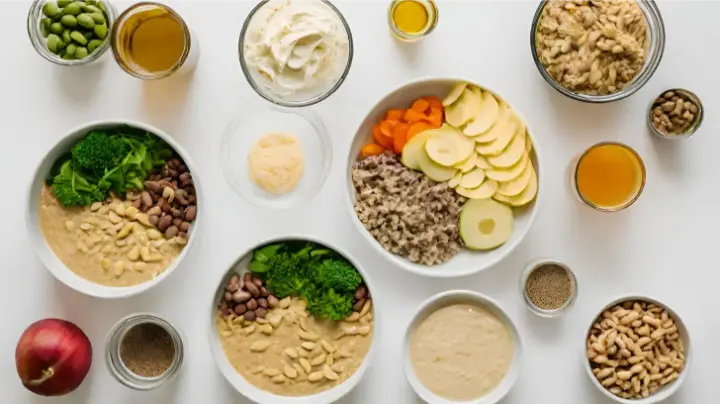
Enjoy safe, allergen-free dining with the Allergen-Free Meal Plan for One Person. This plan offers a selection of meals free from common allergens, like gluten-free pancakes, dairy-free soups, and nut-free stir-fries, ensuring every dish is both nutritious and compliant with dietary restrictions.
Meal plan grocery list
 Dry goods
 Snacks & sweets
 Meats
 Fish & seafood
 Fresh grocery
 Beverages
 Spices & sauces
 Plant based
 Bakery
 Ready meals
Meal plan overview
Embrace a personalized eating experience with the Allergen-Free Meal Plan for One Person. This plan is tailored for individuals with food allergies, featuring a variety of allergen-free meals that are both safe and satisfying.
From gluten-free breakfasts to dairy-free dinners, each meal is designed to cater to individual dietary needs, ensuring a nutritious and worry-free diet.
Foods to eat
- Varied Proteins: Lean meats, poultry, and fish.
- Vegetables: A wide range of colorful vegetables.
- Fruit: Fresh fruit like apples, bananas, and citrus.
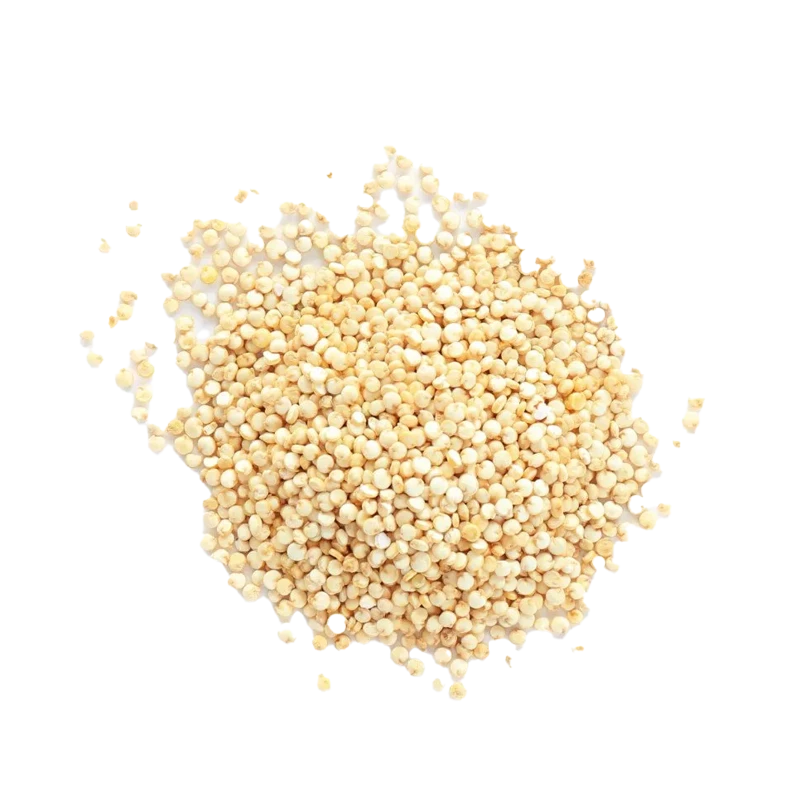
- Whole Grains: Gluten-free grains like rice and quinoa.
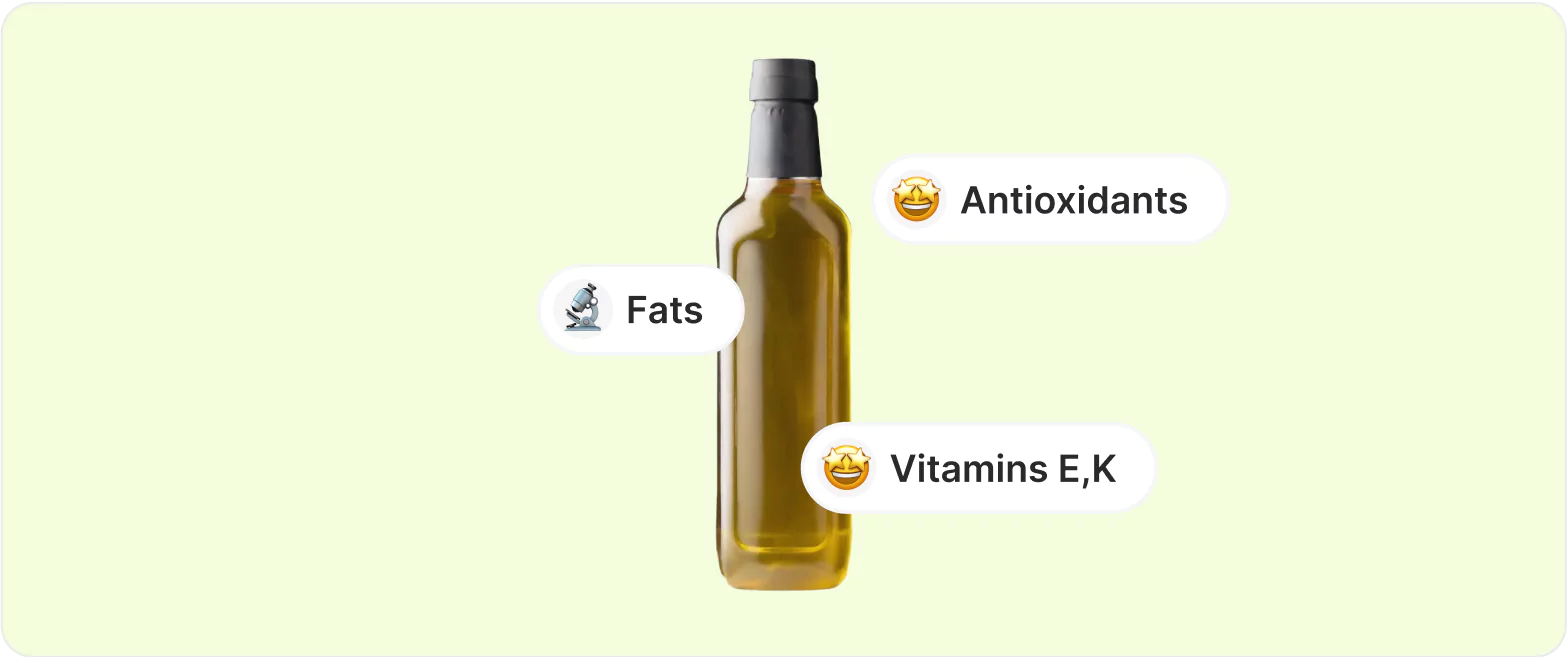
- Healthy Fats: Olive oil and coconut oil.
Tip
Embrace batch cooking and freezing individual portions to save time and ensure a variety of allergen-free meals throughout the week.
Foods not to eat
- Processed Foods: Often contain allergens and unhealthy additives.
- Fast Food: High in unhealthy fats and additives.
- Common Allergens: Including nuts, dairy, gluten, soy, eggs, and shellfish.
- Artificial Sweeteners: Found in many low-calorie processed foods.
Read more about key products



Main benefits
The Allergen-Free Meal Plan for One Person caters to individual dietary needs, avoiding common allergens like nuts, dairy, gluten, and soy. It offers a range of simple, nutritious meals that are easy to prepare, ensuring a balanced diet for one.
Recommended nutrient breakdown
- Protein: 15%
- Fat: 30%
- Carbs: 50%
- Fiber: 3%
- Other: 2%
How to budget on this meal plan
Focus on buying non-perishable items like quinoa, brown rice, and lentils in bulk. Almond milk and coconut water can be more economical when bought in larger sizes or on sale. Plan your meals around seasonal fruits and vegetables to get the best prices. Consider preparing and freezing portions of meals like stir-fries or curries to reduce waste and save time.
Packed with vitamins, minerals, and antioxidants:

Extra tips
Any healthy snack ideas?
These allergen-free snacks are tailored for individual needs:
- Rice cakes with avocado spread
- Homemade popcorn (without butter)
- Baked sweet potato wedges
- Fresh fruit salad
- Cucumber slices with hummus
- Oatmeal cookies (gluten-free)
- Carrot sticks with allergen-free dip
What should I drink on this meal plan?
For an individual with allergies, sticking to simple, natural beverages is best. Water is essential and the safest option. Herbal teas, especially those without added flavors, are great. Coconut water is a hydrating choice, provided there's no coconut allergy. Rice milk, if not allergic to rice, can be a gentle, nourishing drink. Lastly, homemade fruit or vegetable juices can be tailored to avoid specific allergens.
How to get even more nutrients?
Tailoring an allergen-free diet to individual needs ensures that you avoid specific triggers while maintaining nutritional balance. Choose quinoa and buckwheat as they are excellent gluten-free grains rich in protein and fiber. Incorporate seeds like chia and flaxseed for omega-3 fatty acids, which are vital for overall health, and help with anti-inflammatory benefits, essential for people avoiding allergens.
Meal plan suggestion
Day 1
- Breakfast: Smoothie made with spinach, kale, banana, and coconut water (Calories: 200, Protein: 5g, Carbs: 40g, Fat: 3g)
- Lunch: Quinoa salad with mixed vegetables (bell peppers, cucumber, carrots) and a lemon-tahini dressing (Calories: 350, Protein: 10g, Carbs: 45g, Fat: 15g)
- Snack: Apple slices with sunflower seed butter (Calories: 150, Protein: 3g, Carbs: 20g, Fat: 8g)
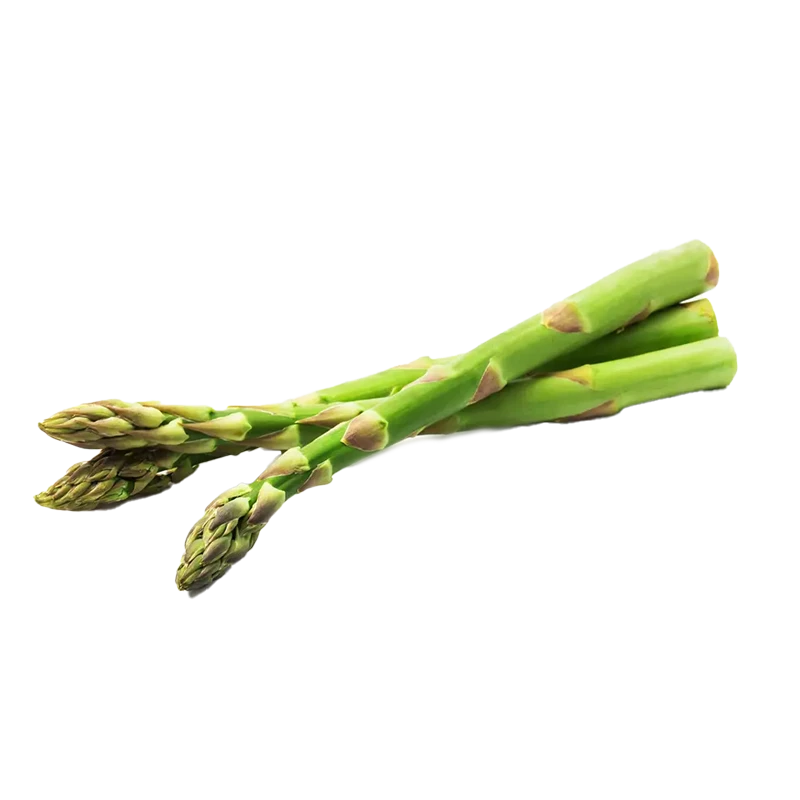
- Dinner: Baked salmon with roasted asparagus and wild rice (Calories: 400, Protein: 20g, Carbs: 35g, Fat: 18g)
Day 2
- Breakfast: Overnight oats made with almond milk, chia seeds, and mixed berries (Calories: 250, Protein: 7g, Carbs: 35g, Fat: 8g)
- Lunch: Chickpea and vegetable stir-fry with ginger-soy sauce, served over brown rice (Calories: 380, Protein: 12g, Carbs: 50g, Fat: 15g)
- Snack: Carrot and cucumber sticks with hummus (Calories: 100, Protein: 3g, Carbs: 15g, Fat: 4g)
- Dinner: Grilled chicken breast with quinoa pilaf and steamed broccoli (Calories: 380, Protein: 25g, Carbs: 30g, Fat: 15g)
Day 3
- Breakfast: Avocado toast on gluten-free bread, topped with sliced tomatoes and a sprinkle of hemp seeds (Calories: 300, Protein: 6g, Carbs: 25g, Fat: 20g)
- Lunch: Lentil soup with carrots, celery, and kale (Calories: 350, Protein: 15g, Carbs: 40g, Fat: 10g)
- Snack: Rice cakes with almond butter and banana slices (Calories: 200, Protein: 5g, Carbs: 25g, Fat: 8g)
- Dinner: Grilled shrimp skewers with quinoa tabbouleh and roasted Brussels sprouts (Calories: 400, Protein: 20g, Carbs: 35g, Fat: 18g)
Day 4
- Breakfast: Vegan protein smoothie with almond milk, banana, and a scoop of pea protein powder (Calories: 300, Protein: 15g, Carbs: 35g, Fat: 10g)
- Lunch: Turkey and avocado wrap with lettuce, tomato, and mustard on a gluten-free tortilla (Calories: 350, Protein: 20g, Carbs: 30g, Fat: 15g)
- Snack: Mixed nuts and dried fruits (Calories: 200, Protein: 5g, Carbs: 20g, Fat: 12g)
- Dinner: Baked cod with lemon-dill sauce, served with quinoa and steamed green beans (Calories: 380, Protein: 25g, Carbs: 30g, Fat: 15g)
Day 5
- Breakfast: Chia seed pudding made with coconut milk, topped with sliced strawberries and shredded coconut (Calories: 280, Protein: 5g, Carbs: 30g, Fat: 15g)
- Lunch: Mixed greens salad with grilled tofu, roasted vegetables, and balsamic vinaigrette (Calories: 350, Protein: 15g, Carbs: 25g, Fat: 20g)
- Snack: Hummus with cucumber and carrot sticks (Calories: 150, Protein: 5g, Carbs: 15g, Fat: 8g)
- Dinner: Stir-fried tempeh with mixed vegetables in a teriyaki sauce, served over brown rice (Calories: 400, Protein: 20g, Carbs: 45g, Fat: 15g)
Day 6
- Breakfast: Buckwheat pancakes with fresh fruit and a drizzle of maple syrup (Calories: 320, Protein: 6g, Carbs: 45g, Fat: 12g)
- Lunch: Quinoa and black bean salad with corn, tomatoes, avocado, and lime-cilantro dressing (Calories: 350, Protein: 12g, Carbs: 40g, Fat: 15g)
- Snack: Apple slices with sunflower seed butter (Calories: 150, Protein: 3g, Carbs: 20g, Fat: 8g)
- Dinner: Grilled portobello mushrooms with mashed sweet potatoes and steamed broccoli (Calories: 380, Protein: 10g, Carbs: 45g, Fat: 18g)
Day 7
- Breakfast: Smoothie bowl topped with granola, mixed berries, and shredded coconut (Calories: 350, Protein: 8g, Carbs: 45g, Fat: 15g)
- Lunch: Spinach and strawberry salad with grilled chicken, almonds, and balsamic vinaigrette (Calories: 380, Protein: 20g, Carbs: 30g, Fat: 18g)
- Snack: Rice cakes with almond butter and banana slices (Calories: 200, Protein: 5g, Carbs: 25g, Fat: 8g)
- Dinner: Baked tofu with sautéed kale and quinoa pilaf (Calories: 400, Protein: 18g, Carbs: 35g, Fat: 20g)
Want to learn more?
Keep in mind
Other meal plans
-

7-day Meal Plan For Mediterranean Diet
Embarking on a Mediterranean journey? You're in for a treat! Discover the secrets of a 7-day Mediterranean diet meal plan and how it can invigorate your health. This article will guide you through a flavorful world of nutritious foods and show you how to turn these meals into an efficient shopping list. Let's set sail!
-

7-day Meal Plan For Weight Loss
Ready to kickstart your weight loss journey? A 7-day meal plan tailored for weight loss could be your golden ticket. In this article, we'll explore how to craft a weight loss meal plan that's both delicious and effective for shedding pounds, plus tips on transforming it into a smart shopping list. Time to get excited about your health goals!
-

7-day Meal Plan For Diabetics
Managing diabetes with diet doesn't have to be daunting. Learn how a 7-day meal plan can help control your blood sugar and improve overall health. We'll guide you through creating diabetic-friendly meals and turning them into a simple shopping list. Let's make healthy eating a breeze!