
Keto meal plan for kidney disease

Designed for kidney health, the keto meal plan for kidney disease adapts the ketogenic diet to be kidney-friendly. It involves careful selection of low-carb foods that minimize renal stress.
This plan aims to support those with kidney concerns by offering keto options that are mindful of renal health. It’s about balancing kidney care with the benefits of ketosis.
Meal plan grocery list
 Dairy & eggs
 Meats
 Fish & seafood
 Fresh grocery
 Plant based
 Spices & sauces
Meal plan overview
Navigating kidney health on a keto diet? Keto Meal Plan for Kidney Disease offers a thoughtful approach to this challenge. The plan focuses on kidney-friendly, low-carb meals.
Each recipe is chosen for its compatibility with renal health requirements, ensuring a gentle yet effective keto diet experience. Delve into meals that respect and support kidney function while adhering to ketogenic principles.
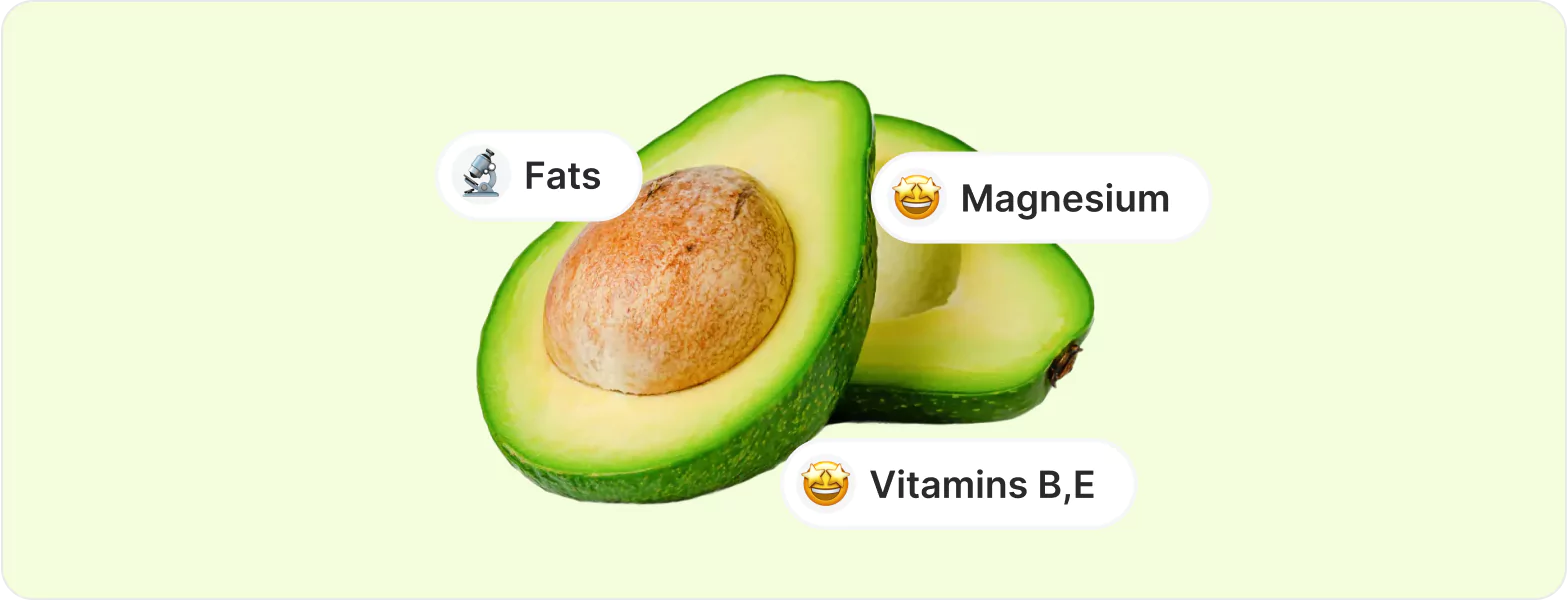
Foods to eat
- Low-Protein Options: Limited amounts of lean meats, poultry, and fish.
- Healthy Fats: Avocado, olive oil, and nuts for essential nutrients.
- Low-Potassium Vegetables: Cabbage, cauliflower, and bell peppers.
- Berries: Blueberries, strawberries, and raspberries in moderation.
- Low-Phosphorus Dairy: Limited amounts of cream and soft cheeses.
- Egg Whites: Protein source with lower phosphorus content.
- Herbs and Spices: Flavor meals without excessive sodium.
- Hydration: Water and herbal teas to support kidney function.
Tip
Opt for lower-protein keto options and focus on healthy fats to reduce kidney strain.
Foods not to eat
- High-Protein Diets: Limit protein intake to avoid strain on the kidneys.
- High-Potassium Foods: Avoid bananas, oranges, and potatoes.
- High-Phosphorus Foods: Minimize dairy, nuts, and seeds with high phosphorus content.
- Processed Foods: Reduce sodium intake by avoiding processed items.
- Alcohol: Limit alcohol intake, as it can impact kidney function.
- Sugary Snacks: Opt for low-carb snacks to manage blood sugar levels.
- Excessive Caffeine: Consume in moderation to prevent dehydration.
- High-Carb Foods: Choose low-carb alternatives to support overall health.
Read more about key products


Main benefits
The Keto Meal Plan for Kidney Disease is designed to support kidney health through a ketogenic approach. This plan emphasizes controlled levels of protein, phosphorus, and sodium, while ensuring adequate intake of essential nutrients.
By promoting a balanced diet, the plan supports individuals with kidney disease in managing their condition and maintaining overall well-being within the context of a ketogenic lifestyle.
Recommended nutrient breakdown
- Protein: 16%
- Fat: 67%
- Carbs: 15%
- Fiber: 1%
- Other: 1%
How to budget on this meal plan
Focus on buying eggs, spinach, and olive oil in bulk. Chicken breasts, mixed greens, and avocado are staples that can be bought in bulk. Salmon, cauliflower, and Greek yogurt are often cheaper when purchased in larger quantities. Berries, tuna, and lettuce can be more economical in bulk.
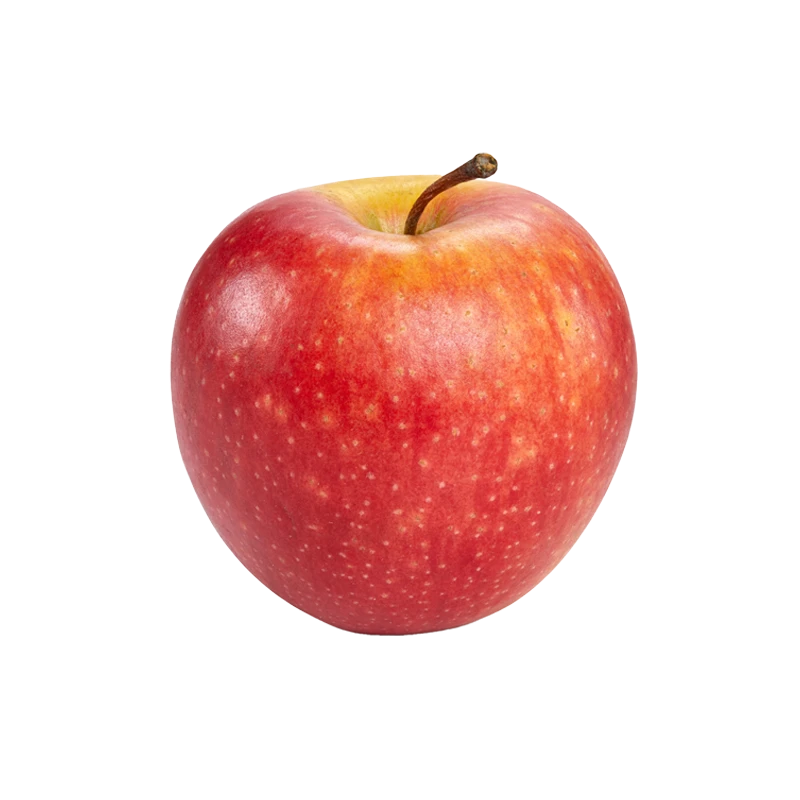
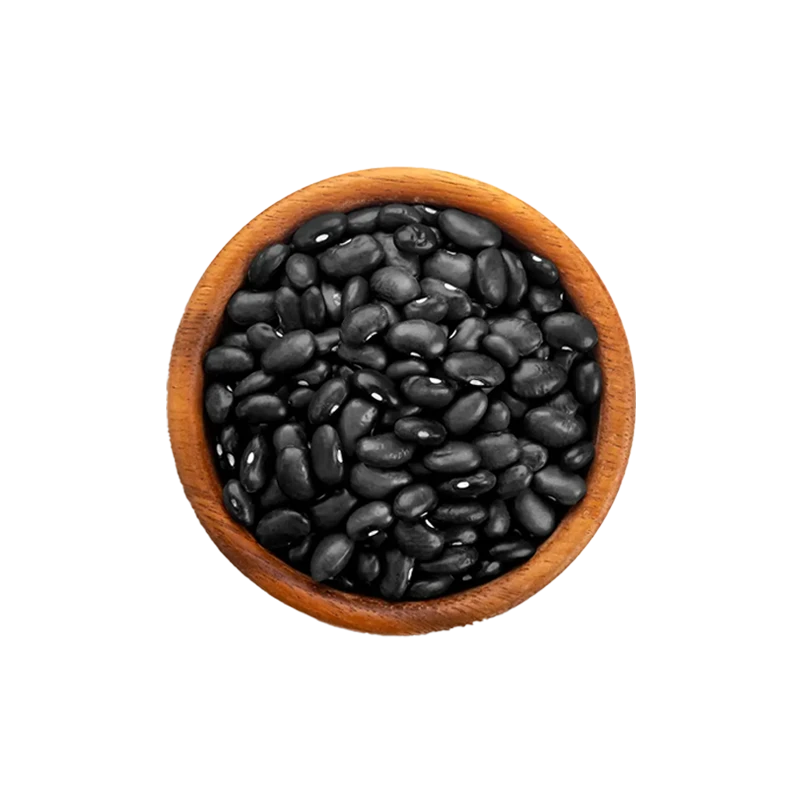
Packed with vitamins, minerals, and antioxidants:

Extra tips
Any healthy snack ideas?
Manage kidney health with these keto snacks, keeping protein and potassium in check:
- Raspberries or blackberries in moderation
- Macadamia nuts, lower in phosphorus
- Radishes sliced with herbed cream cheese
- Cucumber slices with guacamole
- Hard-boiled eggs (in moderation)
- Non-dairy whipped cream, unsweetened
- Cauliflower hummus with celery sticks
What should I drink on this meal plan?
For keto dieters with kidney disease, it's important to consult with a healthcare provider for specific beverage recommendations. Generally, water is crucial for maintaining hydration. Herbal teas, especially those recommended by a healthcare provider, can be included. Low-sodium bone broth can provide hydration without excess salt. It's essential to avoid high-potassium drinks and closely monitor fluid intake as per medical advice.
How to get even more nutrients?
Managing kidney disease with a keto diet requires careful planning to avoid high protein intake, which can be burdensome on the kidneys. Focus on moderate protein sources that are easy on kidney function, such as egg whites and lean fish. Incorporate non-starchy vegetables for fiber and essential nutrients without adding excess potassium, which needs to be monitored in kidney disease. Healthy fats from olive oil and avocados are also key.
Meal plan suggestion
Day 1
- Breakfast: Scrambled eggs with spinach (cooked in olive oil)
- Lunch: Chicken salad with mixed greens, avocado, and olive oil dressing
- Dinner: Baked salmon with a side of steamed cauliflower
- Calories 🔥: 1250 Fat 💧: 85g Carbs 🌾: 14g Protein 🥩: 90g
Day 2
- Breakfast: Greek yogurt (low in protein) with a handful of berries
- Lunch: Tuna salad with low-potassium vegetables like lettuce and cucumber
- Dinner: Grilled chicken breast with a side of zucchini noodles
- Calories 🔥: 1250 Fat 💧: 78g Carbs 🌾: 20g Protein 🥩: 98g
Day 3
- Breakfast: Avocado smoothie with almond milk
- Lunch: Cobb salad with turkey, hard-boiled eggs, and low-potassium vegetables
- Dinner: Beef stir-fry with bell peppers and a side of cauliflower rice
- Calories 🔥: 1300 Fat 💧: 90g Carbs 🌾: 21g Protein 🥩: 96g
Day 4
- Breakfast: Omelette with low-potassium vegetables like bell peppers and a small amount of cheese
- Lunch: Shrimp and avocado salad with a lemon-olive oil dressing
- Dinner: Pork chops with a side of sautéed green beans
- Calories 🔥: 1250 Fat 💧: 80g Carbs 🌾: 15g Protein 🥩: 100g
Day 5
- Breakfast: Chia seed pudding made with coconut milk
- Lunch: Turkey and cheese roll-ups with a side of lettuce and cucumber
- Dinner: Baked trout with a side of steamed asparagus
- Calories 🔥: 1150 Fat 💧: 75g Carbs 🌾: 17g Protein 🥩: 90g
Day 6
- Breakfast: Almond flour pancakes with a pat of butter
- Lunch: BLT salad with avocado (use turkey bacon for lower sodium)
- Dinner: Grilled steak with a side of roasted Brussels sprouts
- Calories 🔥: 1250 Fat 💧: 85g Carbs 🌾: 16g Protein 🥩: 95g
Day 7
- Breakfast: Keto-friendly cereal with almond milk
- Lunch: Greek salad with chicken, feta cheese, olives, and cucumber
- Dinner: Chicken thighs roasted with low-potassium vegetables like green beans
- Calories 🔥: 1250 Fat 💧: 80g Carbs 🌾: 18g Protein 🥩: 100g
These values are approximate and can vary slightly based on specific portion sizes and preparation methods.
Want to learn more?
Keep in mind
Other meal plans
-

7-day Meal Plan For Mediterranean Diet
Embarking on a Mediterranean journey? You're in for a treat! Discover the secrets of a 7-day Mediterranean diet meal plan and how it can invigorate your health. This article will guide you through a flavorful world of nutritious foods and show you how to turn these meals into an efficient shopping list. Let's set sail!
-

7-day Meal Plan For Weight Loss
Ready to kickstart your weight loss journey? A 7-day meal plan tailored for weight loss could be your golden ticket. In this article, we'll explore how to craft a weight loss meal plan that's both delicious and effective for shedding pounds, plus tips on transforming it into a smart shopping list. Time to get excited about your health goals!
-

7-day Meal Plan For Diabetics
Managing diabetes with diet doesn't have to be daunting. Learn how a 7-day meal plan can help control your blood sugar and improve overall health. We'll guide you through creating diabetic-friendly meals and turning them into a simple shopping list. Let's make healthy eating a breeze!