
Keto meal plan for marathon training
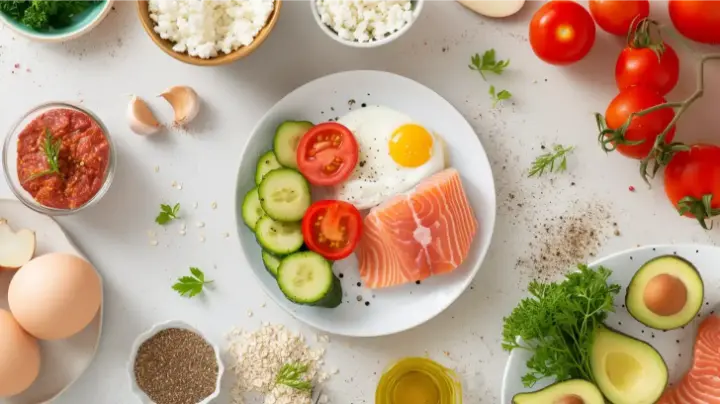
For long-distance runners, the keto meal plan for marathon training provides sustained energy through high-fat, low-carb foods. It includes meals that fuel endurance without the typical carb-loading.
This plan aligns with the unique energy demands of marathon training, offering a ketogenic twist to traditional running diets. It’s about maintaining peak performance with ketosis-fueled stamina.
Meal plan grocery list
 Dairy & eggs
 Meats
 Fish & seafood
 Fresh grocery
 Dry goods
 Plant based
 Spices & sauces
Meal plan overview
Introducing Keto Meal Plan for Marathon Training, a novel approach to fueling long-distance running with a ketogenic diet. This plan caters to the high-energy needs of marathon preparation while staying low-carb.
Each meal is strategically chosen to support endurance and recovery, ensuring runners have the right fuel for training. Discover how to optimize your marathon performance with energy-efficient, keto-friendly meals.
Foods to eat
- Lean Proteins: Chicken, turkey, fish, and lean cuts of beef for muscle support.
- Fatty Fish: Salmon, mackerel, and sardines for omega-3 fatty acids.
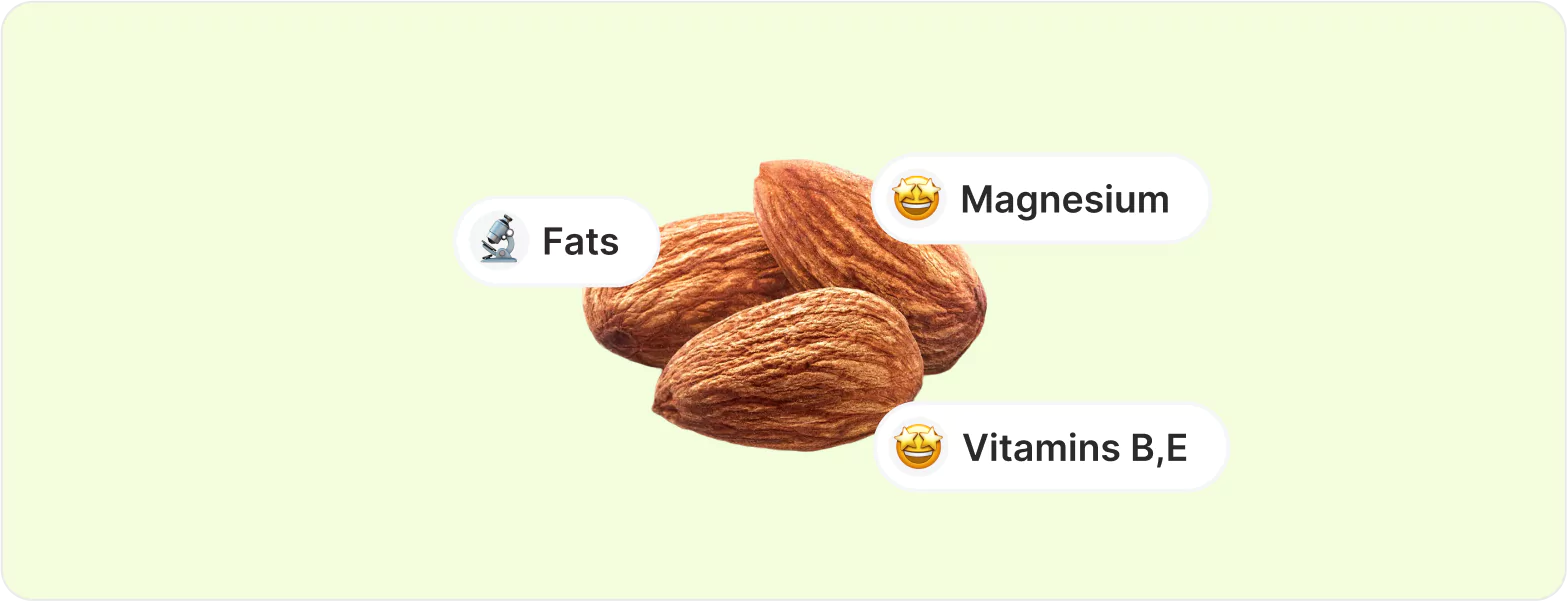
- Nuts and Seeds: Almonds, walnuts, chia seeds, and flaxseeds for energy-dense snacks.
- Avocado: A rich source of healthy fats and potassium for muscle function.
- Low-Carb Vegetables: Spinach, kale, broccoli, and cauliflower for essential nutrients.
- Berries: Strawberries, blueberries, and raspberries for antioxidants and a touch of sweetness.
- Electrolyte-Rich Foods: Include sodium, potassium, and magnesium-rich foods to support hydration.
- Hydration: Water, electrolyte drinks, and herbal teas for proper fluid intake.
Tip
Focus on MCT oil for quick energy boosts, as it's more rapidly absorbed and converted into ketones compared to other fats.
Foods not to eat
- Highly Processed Foods: Minimize intake of processed snacks and meals.
- Sugary Beverages: Avoid sugary drinks and opt for water or electrolyte-rich options.
- Excessive Alcohol: Consume alcohol in moderation to support recovery.
- High-Sugar Snacks: Choose low-carb snacks to avoid unnecessary sugar intake.
- Trans Fats: Limit intake of foods containing trans fats for heart health.
- Excessive Caffeine: Moderate caffeine intake for overall well-being.
- Processed Meats with Additives: Choose fresh, unprocessed meats for meals.
- Low-Calorie Dieting: Ensure adequate caloric intake to support energy needs.
Read more about key products


Main benefits
The Keto Meal Plan for Marathon Training is crafted to meet the heightened energy and nutrient requirements of marathon runners following a ketogenic approach. This plan emphasizes a mix of complex carbohydrates, proteins, and healthy fats to support endurance and recovery.
Adequate hydration and nutrient-dense foods contribute to sustained energy levels, muscle preservation, and overall well-being during the demands of marathon training.
Recommended nutrient breakdown
- Protein: 16%
- Fat: 67%
- Carbs: 15%
- Fiber: 1%
- Other: 1%
How to budget on this meal plan
Eggs, spinach, and mushrooms are staples that can be bought in bulk. Olive oil, chicken breasts, and avocado are often cheaper when purchased in larger quantities. Mixed greens, salad dressing, and salmon can be more economical in bulk. Asparagus, sweet potatoes, and almond milk are also more affordable in larger sizes.
Packed with vitamins, minerals, and antioxidants:

Extra tips
Any healthy snack ideas?
Optimize your marathon training with these keto-friendly, energy-boosting snacks:
- Avocado slices with a sprinkle of salt and lemon
- Nut butter packets for easy energy on the go
- Cheese cubes with a handful of almonds
- Hard-boiled eggs seasoned with herbs
- Coconut yogurt topped with chia seeds
- Macadamia nuts for a quick fat boost
- Celery sticks filled with cream cheese
What should I drink on this meal plan?
For marathon training on a keto diet, hydration is crucial, so water and electrolyte-infused drinks are essential. Coconut water is great for replenishing lost electrolytes, while bone broth provides necessary sodium and minerals. A moderate intake of black coffee can offer an energy boost pre-run. Finally, consider a keto-friendly sports drink for endurance support.
How to get even more nutrients?
Keto dieting for marathon training needs careful consideration to fuel the extensive energy demands of long-distance running. Typically, keto is low in carbs, but for marathon training, it's essential to include sources of energy that are keto-friendly, like MCT oil or fatty cuts of meat. Focus on adequate protein intake from sources like fish and chicken to support muscle recovery and growth. Incorporating avocados and nuts provides necessary fats and helps maintain energy levels during prolonged exercise.
Meal plan suggestion
Day 1
- Breakfast: Scrambled eggs with spinach and mushrooms, cooked in olive oil
- Lunch: Grilled chicken avocado salad with a mix of greens and olive oil dressing
- Dinner: Baked salmon with a side of roasted asparagus and a small serving of sweet potato
- Calories 🔥: 1300 Fat 💧: 87g Carbs 🌾: 26g Protein 🥩: 88g
Day 2
- Breakfast: Keto smoothie with almond milk, spinach, avocado, and a scoop of low-carb protein powder
- Lunch: Tuna salad with avocado and a side of mixed greens
- Dinner: Stir-fried beef with broccoli and bell peppers in coconut oil
- Calories 🔥: 1250 Fat 💧: 88g Carbs 🌾: 20g Protein 🥩: 80g
Day 3
- Breakfast: Greek yogurt with a handful of nuts and a sprinkle of chia seeds
- Lunch: Caesar salad with grilled chicken, Parmesan, and keto-friendly Caesar dressing
- Dinner: Grilled pork chops with a side of sautéed spinach and a small portion of quinoa
- Calories 🔥: 1350 Fat 💧: 85g Carbs 🌾: 24g Protein 🥩: 100g
Day 4
- Breakfast: Omelette with cheese, ham, and a side of avocado
- Lunch: Chicken avocado wraps using low-carb tortillas
- Dinner: Lamb curry with cauliflower rice
- Calories 🔥: 1350 Fat 💧: 89g Carbs 🌾: 20g Protein 🥩: 97g
Day 5
- Breakfast: Almond flour pancakes with a side of bacon
- Lunch: Cobb salad with hard-boiled eggs, avocado, bacon, and blue cheese
- Dinner: Grilled shrimp with zucchini noodles and a garlic butter sauce
- Calories 🔥: 1350 Fat 💧: 98g Carbs 🌾: 22g Protein 🥩: 94g
Day 6
- Breakfast: Chia seed pudding made with coconut milk and a few berries
- Lunch: BLT salad with bacon, lettuce, tomato, and avocado
- Dinner: Steak with a side of roasted Brussels sprouts and a small salad
- Calories 🔥: 1350 Fat 💧: 98g Carbs 🌾: 24g Protein 🥩: 92g
Day 7
- Breakfast: Berry and cream cheese stuffed keto crepes
- Lunch: Greek salad with grilled chicken, feta cheese, olives, and cucumber
- Dinner: Chicken thighs roasted with herbs and a side of sautéed kale
- Calories 🔥: 1400 Fat 💧: 98g Carbs 🌾: 22g Protein 🥩: 105g
These values are approximate and can vary slightly based on specific portion sizes and preparation methods.
Want to learn more?
Keep in mind
Other meal plans
-

7-day Meal Plan For Mediterranean Diet
Embarking on a Mediterranean journey? You're in for a treat! Discover the secrets of a 7-day Mediterranean diet meal plan and how it can invigorate your health. This article will guide you through a flavorful world of nutritious foods and show you how to turn these meals into an efficient shopping list. Let's set sail!
-

7-day Meal Plan For Weight Loss
Ready to kickstart your weight loss journey? A 7-day meal plan tailored for weight loss could be your golden ticket. In this article, we'll explore how to craft a weight loss meal plan that's both delicious and effective for shedding pounds, plus tips on transforming it into a smart shopping list. Time to get excited about your health goals!
-

7-day Meal Plan For Diabetics
Managing diabetes with diet doesn't have to be daunting. Learn how a 7-day meal plan can help control your blood sugar and improve overall health. We'll guide you through creating diabetic-friendly meals and turning them into a simple shopping list. Let's make healthy eating a breeze!