
Meal Plan For Anemia
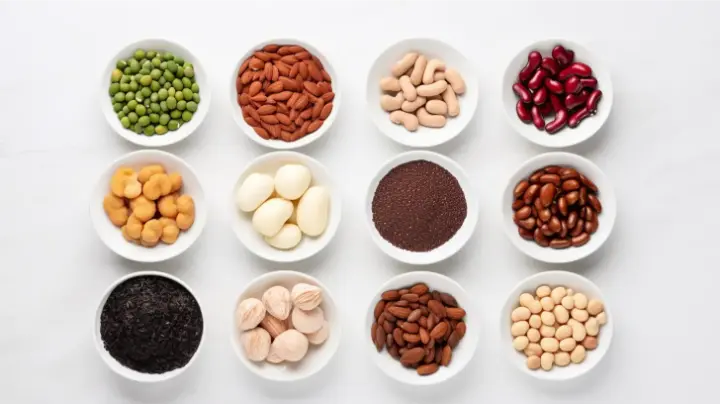
Dealing with anemia and need iron-rich meals? Our 7-day meal plan for anemia is packed with nutrient-dense foods. Learn how to create iron-rich meals and turn them into a practical shopping list. Let's boost your iron levels deliciously!
Meal plan grocery list
 Fresh grocery
 Meats
 Fish & seafood
 Dairy & eggs
 Plant based
 Dry goods
 Snacks & sweets
 Beverages
 Spices & sauces
 Protein
Meal plan overview
Dealing with anemia? Our 7-day meal plan is rich in iron and vitamin B12, crucial for combating anemia. It includes foods like leafy greens, lean meats, and fortified cereals to boost your iron levels.
This plan is not only about increasing iron intake but also about enhancing overall nutrient absorption. It's a thoughtful approach to managing anemia with diet.
Foods to eat
- Iron-Rich Foods: Red meat, poultry, fish, and tofu are great sources of iron.
- Legumes: Beans, lentils, and chickpeas also provide iron and other essential nutrients.
- Leafy Green Vegetables: Spinach, kale, and Swiss chard are high in iron and folate.
- Fruits: Citrus fruits and berries boost iron absorption thanks to their vitamin C content.
- Whole Grains and Fortified Foods: Oats, quinoa, and iron-fortified cereals help increase iron intake.
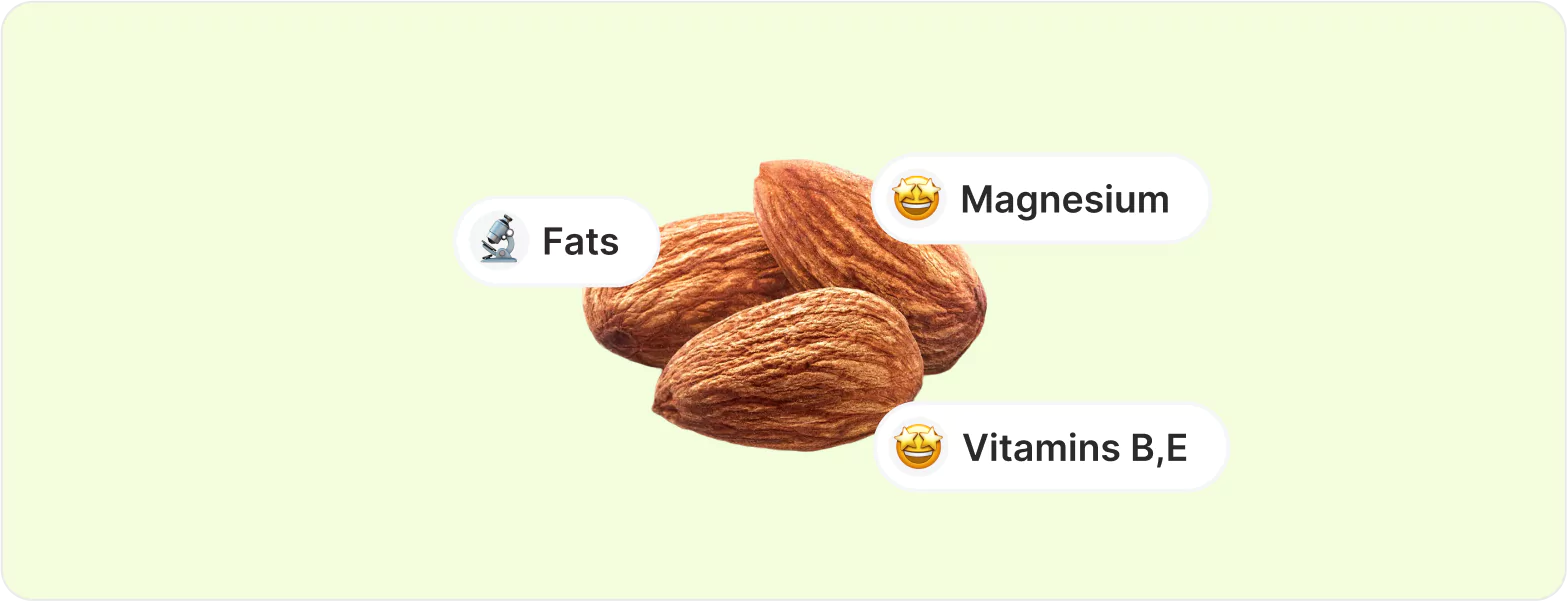
- Nuts and Seeds: Almonds, pumpkin seeds, and sunflower seeds are good snack options.
- Eggs: A source of iron and protein, they're versatile in many meals.
Tip
Foods not to eat
- Coffee and Tea: These can inhibit iron absorption, especially when consumed with meals.
- High-Calcium Foods: Dairy products may interfere with iron absorption.
- Whole Grain Products with Phytates: While healthy, they can reduce iron absorption. Balance is key.
- Gluten-Rich Foods: If gluten-sensitive, these can affect the absorption of various nutrients.
- Alcohol: Excessive consumption can negatively impact iron absorption and blood production.
- Foods High in Oxalates: Spinach and some other leafy greens, while high in iron, also contain oxalates that may hinder iron absorption.
- Processed and Fast Foods: Generally low in nutrients and high in substances that may inhibit iron absorption.
Read more about key products



Main benefits
The 7-Day Meal Plan For Anemia is tailored to address iron-deficiency anemia through iron-rich foods. This plan emphasizes sources of heme and non-heme iron, along with vitamin C-rich foods to enhance iron absorption. By including a variety of nutrient-dense options, the plan supports individuals in managing anemia and promoting overall iron balance for improved health.
Recommended nutrient breakdown
- Protein: 20%
- Fat: 20%
- Carbs: 50%
- Fiber: 5%
- Other: 5%
How to budget on this meal plan
To budget this anemia-focused meal plan, prioritize buying in bulk and choosing whole foods. Focus on iron-rich staples like lentils, spinach, and quinoa, which are cost-effective and versatile. Opt for seasonal fruits and vegetables for better prices and freshness. Consider plant-based proteins like tofu and chickpeas as economical alternatives to meats like beef and salmon. Prepare homemade snacks and dressings to save money. Utilize eggs and canned fish as affordable protein sources. Choose generic brands for dairy products and whole grains. Plan meals around weekly sales and discounts, especially for fresh produce and meat.
Packed with vitamins, minerals, and antioxidants:


Extra tips
Any healthy snack ideas?
Iron-rich snacks suitable for combating anemia:
- Spinach and kale chips
- Trail mix with pumpkin seeds and dried apricots
- Fortified whole-grain cereal with milk
- Lentil soup
- Roasted soybeans
- Baked potato with skin
- Dark chocolate
What should I drink on this meal plan?
For anemia, iron absorption and healthy blood formation are priorities. Vitamin C-rich juices like orange or strawberry aid iron absorption. Herbal teas, particularly those high in antioxidants, are beneficial. Beetroot juice, known for increasing blood flow and iron content, is an excellent option. Green smoothies with spinach can also boost iron intake.
How to get even more nutrients?
Managing anemia requires a diet rich in iron. Include both heme iron from animal products like red meat and poultry and non-heme iron from plant sources like lentils and spinach. Enhance iron absorption by pairing these foods with vitamin C-rich items like bell peppers or oranges. Also, consider foods high in folate and vitamin B12, such as eggs and fortified grains, which are important for blood health.
Meal plan suggestion
Day 1
- Breakfast: Spinach and mushroom omelet with whole grain toast
- Lunch: Lentil soup with a side of mixed greens
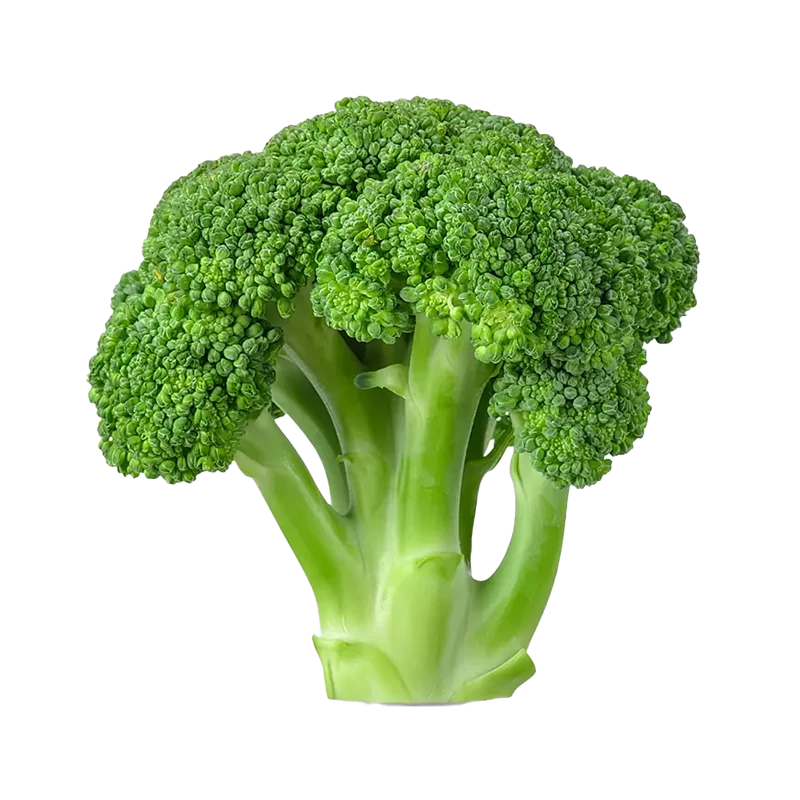
- Dinner: Baked chicken with roasted sweet potatoes and broccoli
- Snack: Greek yogurt with a handful of blueberries
- Calories 🔥: 1800 Fat 💧: 65g Carbs 🌾: 190g Protein 🥩: 110g
Day 2
- Breakfast: Oatmeal with sliced strawberries and a sprinkle of chia seeds
- Lunch: Quinoa salad with chickpeas, bell peppers, and lemon vinaigrette
- Dinner: Grilled salmon with steamed asparagus and quinoa
- Snack: Mixed nuts
- Calories 🔥: 1750 Fat 💧: 70g Carbs 🌾: 180g Protein 🥩: 105g
Day 3
- Breakfast: Whole grain waffles with almond butter and banana slices
- Lunch: Turkey and avocado wrap with whole grain tortilla
- Dinner: Stir-fried tofu with broccoli and brown rice
- Snack: Carrot sticks with hummus
- Calories 🔥: 1800 Fat 💧: 68g Carbs 🌾: 185g Protein 🥩: 110g
Day 4
- Breakfast: Spinach and berry smoothie with a scoop of protein powder
- Lunch: Spinach and kale salad with grilled chicken and citrus dressing
- Dinner: Beef stir-fry with a variety of colorful vegetables and quinoa
- Snack: A hard-boiled egg
- Calories 🔥: 1850 Fat 💧: 70g Carbs 🌾: 180g Protein 🥩: 115g
Day 5
- Breakfast: Whole grain cereal with fortified milk and sliced kiwi
- Lunch: Lentil and vegetable curry with brown rice
- Dinner: Baked cod with roasted zucchini and barley
- Snack: Greek yogurt with honey
- Calories 🔥: 1800 Fat 💧: 65g Carbs 🌾: 190g Protein 🥩: 110g
Day 6
- Breakfast: Scrambled eggs with spinach and whole grain toast
- Lunch: Chickpea and vegetable stir-fry with quinoa
- Dinner: Grilled shrimp with a kale and quinoa salad
- Snack: Cottage cheese with pineapple
- Calories 🔥: 1750 Fat 💧: 70g Carbs 🌾: 175g Protein 🥩: 105g
Day 7
- Breakfast: Fortified orange juice with a whole grain English muffin and almond butter
- Lunch: Spinach and walnut salad with grilled salmon and balsamic vinaigrette
- Dinner: Pork tenderloin with roasted Brussels sprouts and sweet potato
- Snack: A handful of raisins
- Calories 🔥: 1800 Fat 💧: 68g Carbs 🌾: 185g Protein 🥩: 110g
These values are approximate and can vary slightly based on specific portion sizes and preparation methods.
Want to learn more?
Keep in mind
Other meal plans
-

7-day Meal Plan For Mediterranean Diet
Embarking on a Mediterranean journey? You're in for a treat! Discover the secrets of a 7-day Mediterranean diet meal plan and how it can invigorate your health. This article will guide you through a flavorful world of nutritious foods and show you how to turn these meals into an efficient shopping list. Let's set sail!
-

7-day Meal Plan For Weight Loss
Ready to kickstart your weight loss journey? A 7-day meal plan tailored for weight loss could be your golden ticket. In this article, we'll explore how to craft a weight loss meal plan that's both delicious and effective for shedding pounds, plus tips on transforming it into a smart shopping list. Time to get excited about your health goals!
-

7-day Meal Plan For Diabetics
Managing diabetes with diet doesn't have to be daunting. Learn how a 7-day meal plan can help control your blood sugar and improve overall health. We'll guide you through creating diabetic-friendly meals and turning them into a simple shopping list. Let's make healthy eating a breeze!