
Meal Plan For Depression
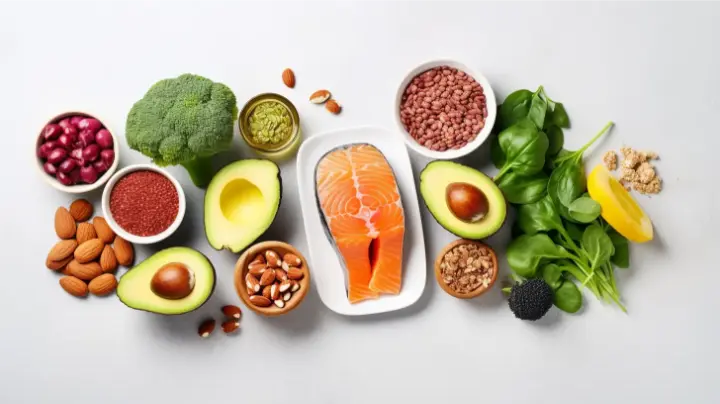
Dealing with depression and seeking dietary support? Our 7-day meal plan for depression focuses on mood-boosting foods. Learn how to create meals that support mental health and easily convert them into a shopping list. Let's eat towards a happier mindset!
Meal plan grocery list
 Dry goods
 Snacks & sweets
 Coffee & tea
 Meats
 Dairy & eggs
 Spices & sauces
 Fish & seafood
 Fresh grocery
 Bakery
Meal plan overview
Dealing with depression? Our 7-day meal plan for depression focuses on mood-boosting foods. It includes ingredients rich in omega-3s and antioxidants, known to improve mental health.
This plan is about supporting your mental well-being through diet, offering meals that can help elevate your mood.
Foods to eat
- Omega-3 Fatty Acids: Found in fish like salmon and sardines, and flaxseeds, which are linked to improved mood and brain health.
- Whole Grains: Oats, quinoa, and whole wheat products for steady energy and mood regulation.
- Leafy Greens: Spinach, kale, and Swiss chard, which are high in folate, a vitamin linked to lower depression rates.
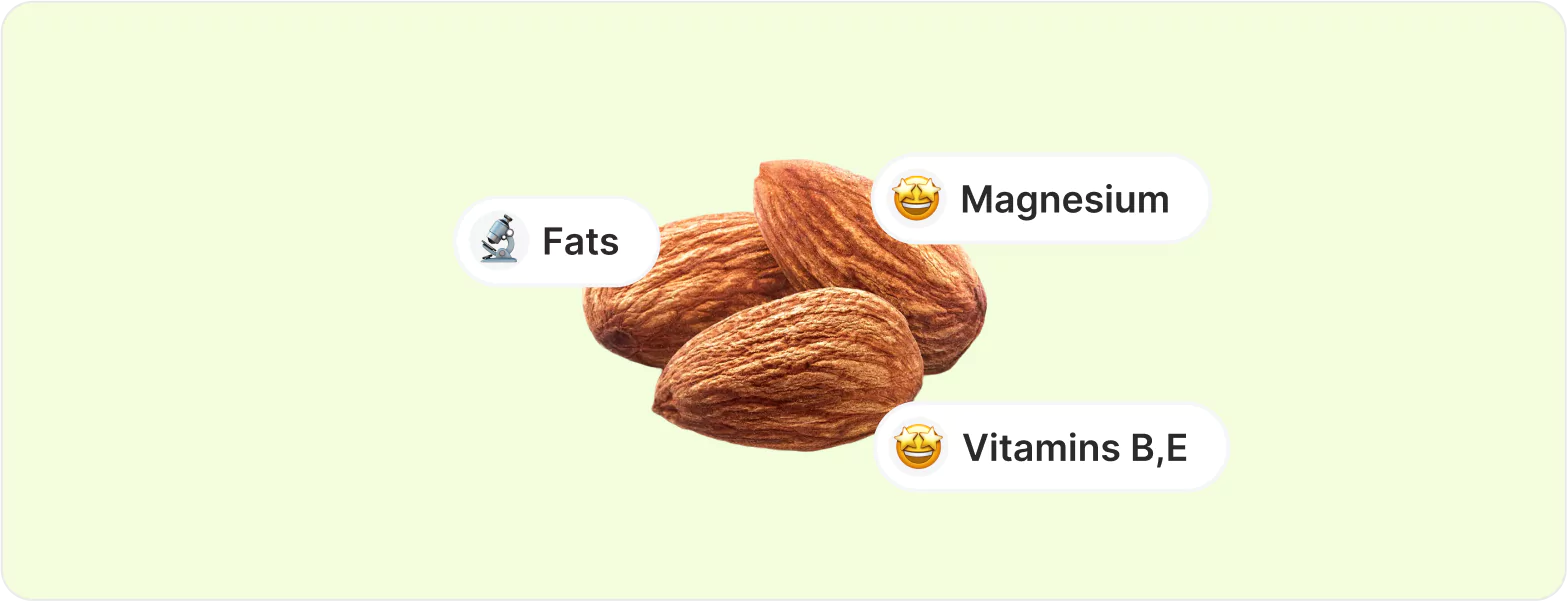
- Nuts and Seeds: Especially walnuts, almonds, and pumpkin seeds, which contain essential nutrients for brain health.
- Lean Proteins: Chicken, turkey, and beans that provide steady energy and are rich in amino acids like tryptophan.
- Fruits: Berries, oranges, and bananas are rich in vitamins, antioxidants, and fiber.
- Probiotic Foods: Yogurt, kefir, and fermented foods for gut health, which is linked to mental well-being.
Tip
Include omega-3 fatty acids from sources like fish and flaxseeds, which may have mood-boosting properties.
Foods not to eat
- High-Sugar Foods: Sweets and sugary drinks can cause energy spikes and crashes, impacting mood.
- Processed and Fast Foods: Often high in unhealthy fats and sugars, and low in nutrients essential for brain health.
- Alcohol: A depressant that can worsen mood disorders and interfere with sleep and medication.
- Caffeine: Can disrupt sleep and increase anxiety, which may exacerbate depression symptoms.
- Refined Carbohydrates: White bread and pasta can lead to rapid blood sugar fluctuations.
- Trans Fats: Found in some fried and baked goods, linked to poor mood and depression.
- Artificial Sweeteners: Like aspartame, which may affect serotonin levels and mood.
Read more about key products


Main benefits
The Meal Plan For Depression focuses on incorporating foods that may positively impact mood and mental health. This plan emphasizes nutrient-dense options, including omega-3 fatty acids, whole grains, and foods rich in vitamins and minerals. By supporting overall well-being through nutrition, the plan aims to complement other strategies in managing symptoms of depression.
Recommended nutrient breakdown
- Protein: 25%
- Fat: 25%
- Carbs: 45%
- Fiber: 3%
- Other: 2%
How to budget on this meal plan
To budget the depression meal plan, focus on whole, nutrient-rich foods that are cost-effective. Buy grains like oatmeal, brown rice, and barley in bulk. Opt for seasonal fruits and vegetables, and consider frozen options for berries and green beans. Utilize versatile proteins like eggs, chicken thighs, and canned tuna for affordability. Prepare large batches of soups and stews using economical ingredients like lentils, beans, and root vegetables. Homemade dressings and vinaigrettes can save money over store-bought versions. Limit more expensive items like salmon and cod to occasional meals, and explore plant-based proteins like tofu and chickpeas as nutritious, budget-friendly alternatives.
Packed with vitamins, minerals, and antioxidants:


Extra tips
Any healthy snack ideas?
Snacks to help combat depression, rich in omega-3 and antioxidants:
- Walnuts or almonds
- Dark chocolate (70% or higher)
- Berries mix (blueberries, strawberries)
- Whole grain crackers with avocado
- Yogurt with honey and flaxseeds
- Baked sweet potato wedges
- Oatmeal with cinnamon
What should I drink on this meal plan?
In managing depression, water maintains hydration and overall well-being. Herbal teas like chamomile can have a calming effect. Green tea, rich in antioxidants, may have a positive impact on mood. Omega-3 fortified beverages can support brain health. Warm milk before bed can promote better sleep, which is crucial for mental health.
How to get even more nutrients?
In managing depression through diet, focus on foods that support brain health and overall mood. Omega-3 fatty acids, found in fatty fish, flaxseeds, and walnuts, are known for their role in enhancing brain function and mood. Whole grains provide serotonin-boosting complex carbohydrates, while lean proteins help stabilize blood sugar levels, impacting mood and energy stability. Additionally, consuming a variety of fruits and vegetables ensures a high intake of vitamins and antioxidants, which can help combat the oxidative stress associated with depression.
Meal plan suggestion
Day 1
- Breakfast: Greek yogurt with mixed berries, chia seeds, and a drizzle of honey
- Lunch: Quinoa salad with chickpeas, cherry tomatoes, cucumber, and a lemon-tahini dressing
- Dinner: Baked salmon with sweet potato wedges and steamed broccoli
- Calories 🔥: 1800 Fat 💧: 43g Carbs 🌾: 110g Protein 🥩: 63g
Day 2
- Breakfast: Smoothie with spinach, banana, almond milk, and a scoop of protein powder
- Lunch: Lentil soup with whole grain bread and a side of mixed greens
- Dinner: Grilled chicken with quinoa and roasted Brussels sprouts
- Calories 🔥: 1700 Fat 💧: 38g Carbs 🌾: 115g Protein 🥩: 63g
Day 3
- Breakfast: Avocado toast with poached eggs and cherry tomatoes
- Lunch: Chickpea and vegetable stir-fry with brown rice
- Dinner: Baked cod with quinoa and sautéed spinach
- Calories 🔥: 1650 Fat 💧: 42g Carbs 🌾: 100g Protein 🥩: 55g
Day 4
- Breakfast: Whole grain cereal with low-fat milk, banana slices, and a sprinkle of almonds
- Lunch: Grilled turkey burger with sweet potato fries and a side salad
- Dinner: Quinoa-stuffed bell peppers with black beans, corn, and tomatoes
- Calories 🔥: 1750 Fat 💧: 41g Carbs 🌾: 115g Protein 🥩: 45g
Day 5
- Breakfast: Blueberry and almond butter smoothie with low-fat yogurt
- Lunch: Tuna salad with mixed greens, avocado, and a light vinaigrette
- Dinner: Grilled chicken with brown rice and roasted asparagus
- Calories 🔥: 1700 Fat 💧: 48g Carbs 🌾: 75g Protein 🥩: 68g
Day 6
- Breakfast: Overnight oats with sliced strawberries, almonds, and a touch of maple syrup
- Lunch: Vegetable and chickpea curry with basmati rice
- Dinner: Baked chicken thighs with quinoa and roasted vegetables
- Calories 🔥: 1800 Fat 💧: 47g Carbs 🌾: 120g Protein 🥩: 55g
Day 7
- Breakfast: Banana and walnut whole grain pancakes with a drizzle of honey
- Lunch: Hummus and vegetable wrap with whole grain tortilla
- Dinner: Grilled salmon with quinoa and steamed broccoli
- Calories 🔥: 1850 Fat 💧: 52g Carbs 🌾: 120g Protein 🥩: 67g
These values are approximate and can vary slightly based on specific portion sizes and preparation methods.
Want to learn more?
Keep in mind
Other meal plans
-

7-day Meal Plan For Mediterranean Diet
Embarking on a Mediterranean journey? You're in for a treat! Discover the secrets of a 7-day Mediterranean diet meal plan and how it can invigorate your health. This article will guide you through a flavorful world of nutritious foods and show you how to turn these meals into an efficient shopping list. Let's set sail!
-

7-day Meal Plan For Weight Loss
Ready to kickstart your weight loss journey? A 7-day meal plan tailored for weight loss could be your golden ticket. In this article, we'll explore how to craft a weight loss meal plan that's both delicious and effective for shedding pounds, plus tips on transforming it into a smart shopping list. Time to get excited about your health goals!
-

7-day Meal Plan For Diabetics
Managing diabetes with diet doesn't have to be daunting. Learn how a 7-day meal plan can help control your blood sugar and improve overall health. We'll guide you through creating diabetic-friendly meals and turning them into a simple shopping list. Let's make healthy eating a breeze!