
Vegan meal plan for low carb high protein
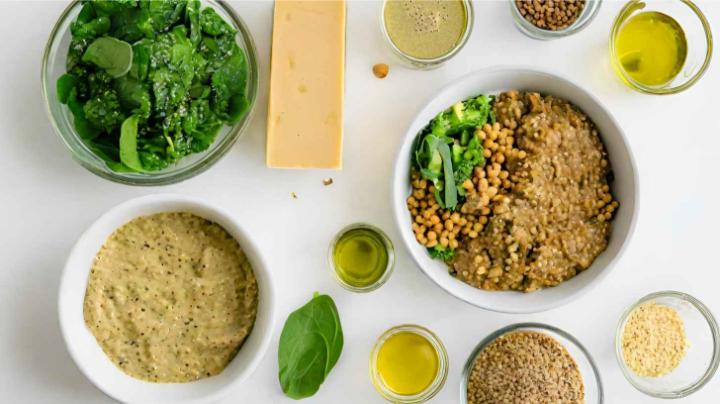
Explore the low-carb, high-protein side of veganism with our meal plan for a low-carb, high-protein diet. Packed with plant-based, low-carb, and protein-rich recipes, this plan supports those looking to reduce carbohydrate intake while prioritizing protein on a vegan lifestyle. Enjoy a variety of satisfying and flavorful options that align with your dietary preferences.
Meal plan grocery list
 Dry goods
 Plant based
 Fresh grocery
 Beverages
 Spices & sauces
Meal plan overview
Discover the perfect balance of low carb and high protein with our vegan meal plan. Packed with protein-rich and low-carb recipes, this plan caters to individuals looking to reduce carbohydrate intake while prioritizing plant-based options. Enjoy a variety of delicious options that align with your low carb and high protein dietary preferences on a vegan lifestyle.
Foods to eat
- Plant-Based Proteins: Incorporate tofu, tempeh, and legumes for a protein-rich diet.
- Low-Carb Vegetables: Choose non-starchy vegetables like leafy greens, broccoli, and cauliflower.
- Whole Grains in Moderation: Opt for small portions of quinoa, brown rice, and oats for sustained energy.
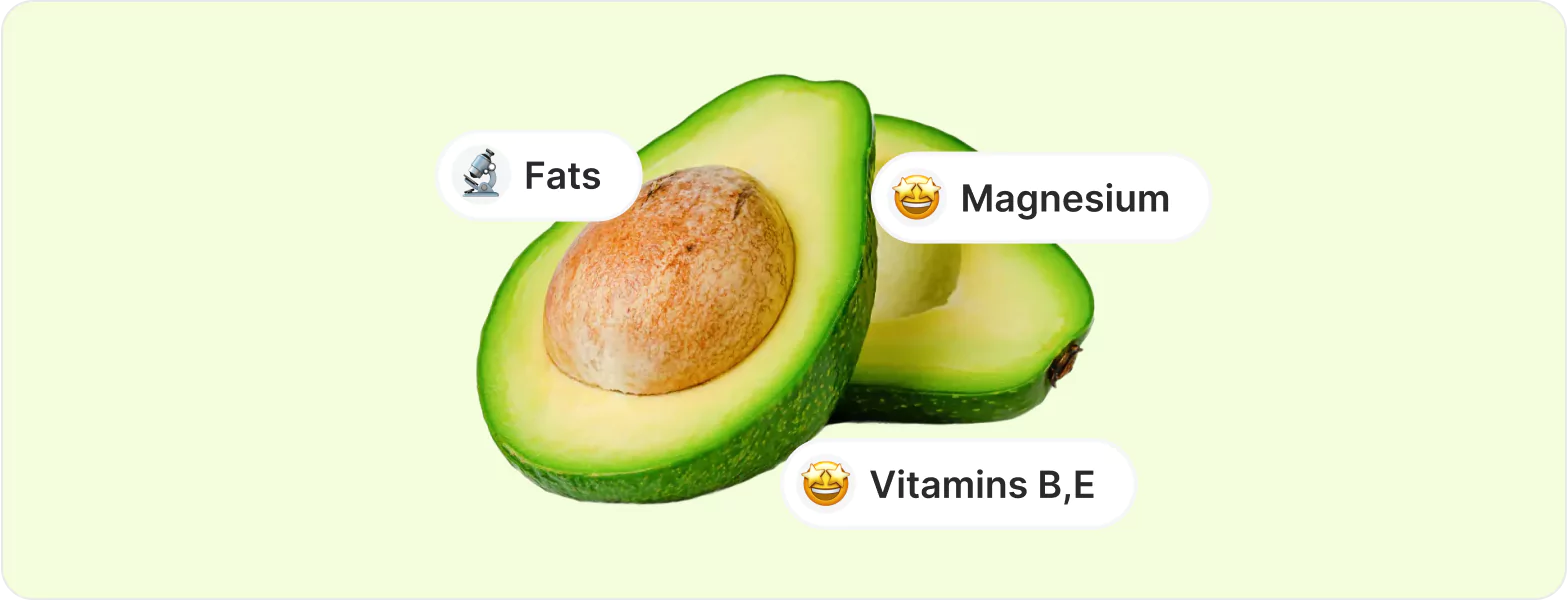
- Healthy Fats: Include avocados, nuts, and olive oil for a source of healthy fats.
- Non-Sweetened Plant-Based Milk: Choose unsweetened and fortified plant-based milk options.
- Seeds: Sprinkle seeds like chia, flaxseed, and pumpkin seeds for added nutrients.
- Herbs and Spices: Enhance flavors with a variety of herbs and spices like basil, turmeric, and garlic.
- Low-Carb Fruits: Enjoy small portions of berries, avocados, and tomatoes for natural sweetness.
- Plant-Based Snacks: Snack on celery with nut butter, cucumber slices, or seaweed snacks.
- Hydration: Stay hydrated with water, herbal teas, and black coffee.
Tip
Include plenty of tofu, tempeh, and seitan in your meals to meet your protein needs while minimizing carbohydrate intake.
Foods not to eat
- High-Carb Foods: Limit high-carb foods like bread, pasta, and sugary snacks to adhere to a low-carb diet.
- Sugar and Sweetened Foods: Avoid added sugars and sweetened snacks to control carbohydrate intake.
- Processed Low-Carb Products: Minimize consumption of processed low-carb alternatives and focus on whole foods.
- Starchy Vegetables: Reduce intake of starchy vegetables like potatoes and corn on a low-carb plan.
- High-Calorie Snacks: Be mindful of calorie-dense snacks that may hinder low-carb goals.
- Excessive Fruit Consumption: While fruits are nutritious, moderate their consumption due to natural sugars.
- Refined Grains: Limit refined grains to maintain a lower carbohydrate intake.
- Sweetened Beverages: Avoid sugary drinks, opting for water or unsweetened plant-based alternatives.
- Processed Vegan Meats: Consume vegan meat alternatives in moderation due to their processing.
- Unbalanced Meals: Ensure a well-balanced diet with a variety of nutrients to promote overall well-being.
Read more about key products


Main benefits
The Vegan meal plan for low carb high protein focuses on minimizing carbs while maximizing protein intake, using plant-based sources like legumes, seeds, and low-carb vegetables.
Recommended nutrient breakdown
- Protein: 30%
- Fat: 35%
- Carbs: 30%
- Fiber: 3%
- Other: 2%
How to budget on this meal plan
Focus on low-carb vegetables like zucchini and cauliflower, which can be more affordable when in season. Tofu, tempeh, and seitan are great protein sources and can be bought in bulk. Nuts and seeds, such as almonds and chia seeds, are versatile and economical. Vegan protein powder can be made at home for cost savings. Unsweetened almond milk and vegan yogurt can be bought in larger containers.
Fuel your body with these superstars:


Extra tips
Any healthy snack ideas?
These vegan snacks are perfect for a low-carb, high-protein diet:
What should I drink on this meal plan?
On a vegan low carb high protein diet, beverages like almond milk as a low carb option, soy milk for protein, herbal teas for a relaxing drink without carbs, water to stay hydrated, and black coffee for an energizing, carb-free option are ideal.
How to get even more nutrients?
A vegan low-carb, high-protein diet focuses on reducing carbohydrate intake while increasing protein sources. This involves prioritizing foods like tofu, tempeh, seitan, and legumes, which are low in carbs but high in protein. Nuts and seeds provide additional protein and healthy fats. Non-starchy vegetables complement this diet by offering essential nutrients and fiber without adding excessive carbs.
Meal plan suggestion
Day 1
- Breakfast: Tofu scramble with spinach and cherry tomatoes cooked in olive oil
- Lunch: Chickpea and avocado salad with mixed greens, cucumber, and a lemon-tahini dressing
- Dinner: Grilled tempeh with roasted broccoli and cauliflower rice
- Snack: Handful of almonds
- Calories 🔥: 1800 Fat 💧: 120g Carbs 🌾: 55g Protein 🥩: 120g
Day 2
- Breakfast: Chia seed pudding made with unsweetened almond milk, topped with sliced almonds and berries
- Lunch: Lentil and vegetable soup with kale and carrots
- Dinner: Baked tofu with zucchini noodles and marinara sauce
- Snack: Celery sticks with almond butter
- Calories 🔥: 1900 Fat 💧: 115g Carbs 🌾: 60g Protein 🥩: 125g
Day 3
- Breakfast: Vegan protein smoothie made with spinach, kale, unsweetened almond milk, flaxseeds, and vegan protein powder
- Lunch: Quinoa salad with diced avocado, cherry tomatoes, cucumber, and a lime-cilantro dressing
- Dinner: Seitan stir-fry with bell peppers, onions, and broccoli served over cauliflower rice
- Snack: Flaxseed crackers with guacamole
- Calories 🔥: 1900 Fat 💧: 110g Carbs 🌾: 60g Protein 🥩: 130g
Day 4
- Breakfast: Tofu and vegetable breakfast bowl with sautéed kale, mushrooms, and avocado
- Lunch: Spinach salad with grilled tempeh, cherry tomatoes, sliced almonds, and balsamic vinaigrette
- Dinner: Chickpea curry with coconut milk, served over zucchini noodles
- Snack: Vegan yogurt topped with flaxseeds
- Calories 🔥: 1900 Fat 💧: 115g Carbs 🌾: 60g Protein 🥩: 125g
Day 5
- Breakfast: Almond flour pancakes topped with fresh berries and unsweetened coconut flakes
- Lunch: Lentil and vegetable stir-fry with snow peas, bell peppers, and tofu
- Dinner: Grilled portobello mushrooms stuffed with quinoa, spinach, and vegan cheese
- Snack: Roasted chickpeas seasoned with cumin and paprika
- Calories 🔥: 1900 Fat 💧: 110g Carbs 🌾: 60g Protein 🥩: 130g
Day 6
- Breakfast: Vegan protein smoothie bowl topped with sliced almonds, chia seeds, and shredded coconut
- Lunch: Cauliflower rice stir-fry with tempeh, broccoli, and snap peas
- Dinner: Baked tofu with roasted Brussels sprouts and a side salad
- Snack: Celery sticks with tahini
- Calories 🔥: 1900 Fat 💧: 115g Carbs 🌾: 55g Protein 🥩: 130g
Day 7
- Breakfast: Avocado and spinach smoothie made with unsweetened almond milk, flaxseeds, and vegan protein powder
- Lunch: Quinoa and kale salad with roasted chickpeas, avocado, and lemon-tahini dressing
- Dinner: Seitan fajitas with sautéed peppers and onions, served in lettuce wraps
- Snack: Handful of mixed nuts
- Calories 🔥: 1900 Fat 💧: 110g Carbs 🌾: 60g Protein 🥩: 130g
These values are approximate and can vary slightly based on specific portion sizes and preparation methods.
Want to learn more?
- Effect of a hypocaloric, nutritionally complete, higher-protein meal plan on bone density and quality in older adults with obesity: a randomized trial
- A high-protein breakfast induces greater insulin and glucose-dependent insulinotropic peptide responses to a subsequent lunch meal in individuals with type 2 diabetes
Keep in mind
Other meal plans
-

7-day Meal Plan For Mediterranean Diet
Embarking on a Mediterranean journey? You're in for a treat! Discover the secrets of a 7-day Mediterranean diet meal plan and how it can invigorate your health. This article will guide you through a flavorful world of nutritious foods and show you how to turn these meals into an efficient shopping list. Let's set sail!
-

7-day Meal Plan For Weight Loss
Ready to kickstart your weight loss journey? A 7-day meal plan tailored for weight loss could be your golden ticket. In this article, we'll explore how to craft a weight loss meal plan that's both delicious and effective for shedding pounds, plus tips on transforming it into a smart shopping list. Time to get excited about your health goals!
-

7-day Meal Plan For Diabetics
Managing diabetes with diet doesn't have to be daunting. Learn how a 7-day meal plan can help control your blood sugar and improve overall health. We'll guide you through creating diabetic-friendly meals and turning them into a simple shopping list. Let's make healthy eating a breeze!