
Vegetarian meal plan for menopause
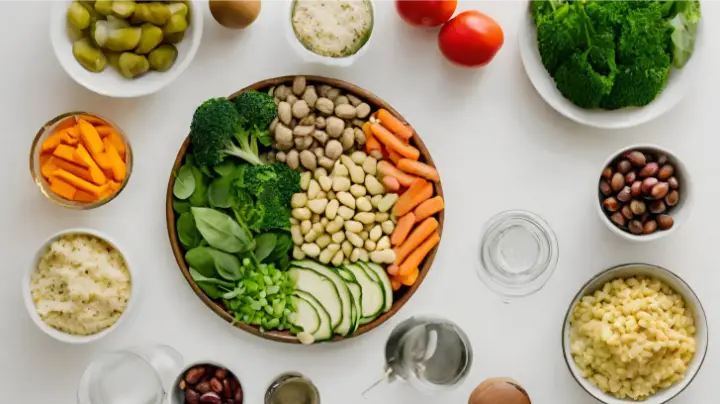
Navigate menopause gracefully with the Vegetarian Meal Plan for Menopause. This plan includes a variety of hormone-balancing foods like flaxseed smoothies, calcium-rich vegetable stir-fries, and whole grain dishes, all tailored to support women's health during this menopause diet vegetarian approach.
Meal plan grocery list
 Dairy & eggs
 Fresh grocery
 Dry goods
 Plant based
 Snacks & sweets
 Spices & sauces
Meal plan overview
Support your health during menopause with the Vegetarian Meal Plan for Menopause. This plan focuses on foods rich in phytoestrogens, calcium, and other essential nutrients, including tofu, leafy greens, and fortified plant milks, helping to alleviate menopausal symptoms and aligning with a plant-based diet for menopause.
Each meal is designed to offer hormonal balance and bone health support, combining the benefits of vegetarian eating with the specific needs of menopause, featuring some of the best vegetarian foods for hot flashes.
Foods to eat
- Phytoestrogen-Rich Foods: Soy products like tofu, tempeh, and edamame.
- Calcium-Rich Foods: Fortified plant milks, almonds, and dark leafy greens.
- Whole Grains: For fiber and B vitamins, which can help with mood swings and energy levels.
- Omega-3 Fatty Acids: Flaxseeds and walnuts for heart health.
- Antioxidant-Rich Fruits and Vegetables: Berries, carrots, and bell peppers to combat oxidative stress.
Tip
Foods not to eat
- High-Sugar Foods: Can exacerbate mood swings and weight gain.
- Processed Foods: Often high in unhealthy fats and additives.
- Spicy Foods: Can trigger hot flashes in some women.
- Caffeine and Alcohol: Can affect sleep and mood.
Read more about key products


Main benefits
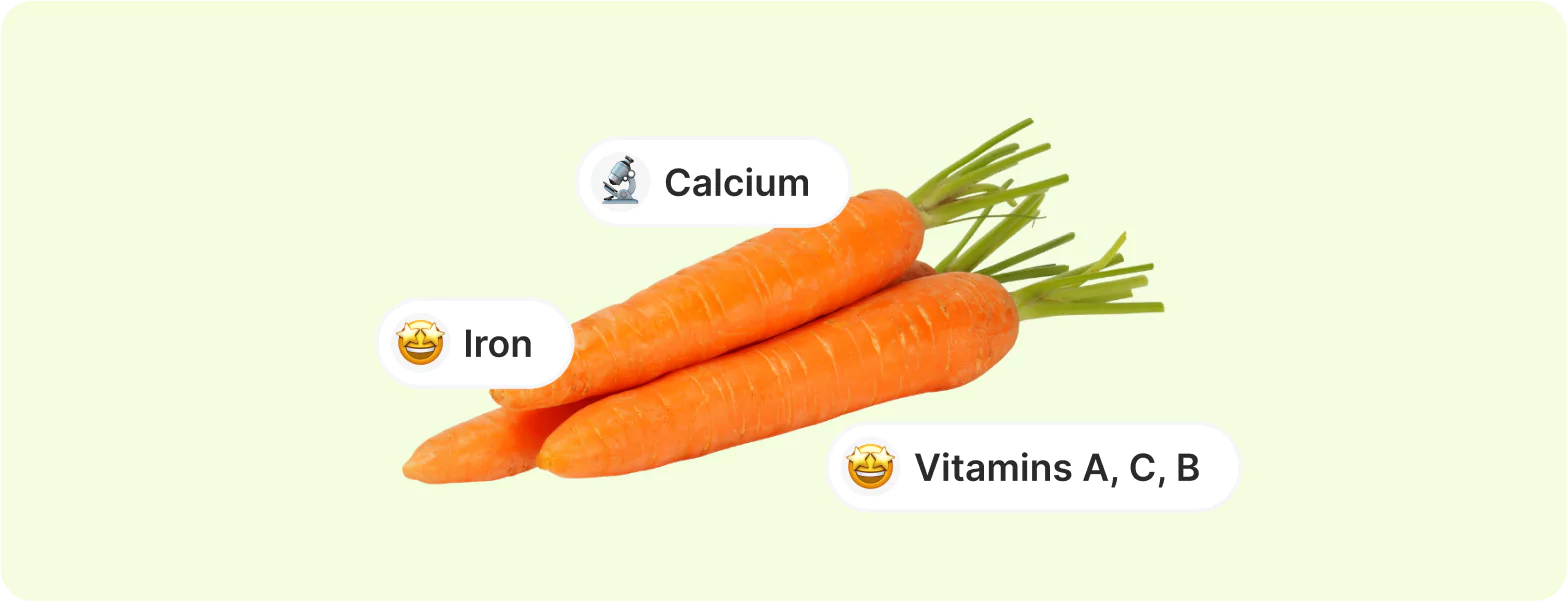
The Vegetarian Meal Plan for Menopause includes foods rich in calcium, iron, and phytoestrogens to help manage menopausal symptoms. As a lacto-ovo vegetarian menopause diet, it emphasizes whole grains, legumes, fruits, vegetables, and nuts, providing a balanced diet that supports hormonal health during menopause.
Recommended nutrient breakdown
- Protein: 15%
- Fat: 30%
- Carbs: 50%
- Fiber: 3%
- Other: 2%
How to budget on this meal plan
Greek yogurt and unsweetened almond milk can be more cost-effective when bought in larger containers. Bulk-buying quinoa, chickpeas, and lentils is economical. For a menopause-friendly grocery list, seasonal fruits and vegetables like berries, carrots, and cucumbers offer better value and freshness. Consider making your own dressings and granola to save money.
Meat-free and full of flavor:


Extra tips
Any healthy snack ideas?
Support your health during menopause with these vegetarian snacks:
- Yogurt with flaxseed
- Almonds and walnuts
- Fresh fruit like apples and oranges
- Whole grain crackers with avocado
- Edamame
- Dark chocolate
- Soy milk smoothies
What should I drink on this meal plan?
During menopause, soy milk can help with its natural phytoestrogens. Green tea is beneficial for its antioxidant properties. Flaxseed smoothies offer omega-3 fatty acids. Herbal teas like black cohosh tea can alleviate menopausal symptoms. Water, essential for overall health, helps counteract increased dryness during menopause.
How to get even more nutrients?
During menopause, nutritional needs shift, emphasizing the need for adequate protein, fiber, and fats. Incorporating hormone-balancing foods for menopause, such as those rich in phytoestrogens like flaxseeds and soy products, can help balance hormones naturally. Whole grains and legumes not only provide protein but also help in managing weight by keeping you fuller longer, making them excellent foods to ease menopause symptoms. Avocados and nuts are great for their healthy fats, which support overall hormone health and provide sustained energy.
Meal plan suggestion
Day 1
- Breakfast: Greek yogurt with mixed berries and a sprinkle of ground flaxseed (Calories: 300, Protein: 20g, Carbs: 25g, Fat: 12g)
- Lunch: Quinoa and roasted vegetable salad with chickpeas and lemon-tahini dressing (Calories: 350, Protein: 12g, Carbs: 45g, Fat: 15g)
- Snack: Carrot and cucumber sticks with hummus (Calories: 100, Protein: 4g, Carbs: 15g, Fat: 4g)
- Dinner: Baked tofu with steamed broccoli and quinoa pilaf (Calories: 380, Protein: 20g, Carbs: 35g, Fat: 18g)
Day 2
- Breakfast: Whole grain toast with avocado, sliced tomatoes, and a poached egg (Calories: 320, Protein: 14g, Carbs: 30g, Fat: 16g)
- Lunch: Lentil soup with a side of mixed green salad dressed with balsamic vinaigrette (Calories: 350, Protein: 15g, Carbs: 40g, Fat: 10g)
- Snack: Greek yogurt with honey and sliced peaches (Calories: 180, Protein: 15g, Carbs: 20g, Fat: 8g)
- Dinner: Stuffed bell peppers with quinoa, black beans, corn, and avocado (Calories: 400, Protein: 14g, Carbs: 50g, Fat: 16g)
Day 3
- Breakfast: Smoothie with spinach, banana, almond milk, and almond butter (Calories: 300, Protein: 10g, Carbs: 35g, Fat: 15g)
- Lunch: Chickpea and avocado salad with cherry tomatoes and cilantro-lime dressing (Calories: 370, Protein: 12g, Carbs: 40g, Fat: 20g)
- Snack: Rice cakes with mashed avocado and hemp seeds (Calories: 150, Protein: 4g, Carbs: 20g, Fat: 8g)
- Dinner: Tofu stir-fry with mixed vegetables and brown rice (Calories: 400, Protein: 18g, Carbs: 45g, Fat: 15g)
Day 4
- Breakfast: Overnight oats made with almond milk, chia seeds, and sliced strawberries (Calories: 300, Protein: 8g, Carbs: 45g, Fat: 10g)
- Lunch: Spinach and feta stuffed mushrooms served with a side of quinoa (Calories: 350, Protein: 14g, Carbs: 25g, Fat: 18g)
- Snack: Cottage cheese with pineapple chunks (Calories: 180, Protein: 15g, Carbs: 20g, Fat: 6g)
- Dinner: Eggplant parmesan with whole grain spaghetti (Calories: 400, Protein: 18g, Carbs: 45g, Fat: 15g)
Day 5
- Breakfast: Whole grain waffles with Greek yogurt and mixed berries (Calories: 320, Protein: 20g, Carbs: 35g, Fat: 12g)
- Lunch: Veggie wrap with hummus, shredded carrots, cucumbers, and sprouts, served with a side of fruit salad (Calories: 350, Protein: 10g, Carbs: 40g, Fat: 18g)
- Snack: Almond milk latte with a small piece of dark chocolate (Calories: 200, Protein: 4g, Carbs: 15g, Fat: 10g)
- Dinner: Lentil and vegetable curry with coconut milk, served with brown rice (Calories: 420, Protein: 16g, Carbs: 55g, Fat: 18g)
Day 6
- Breakfast: Chia seed pudding made with almond milk, topped with mixed berries and sliced almonds (Calories: 300, Protein: 8g, Carbs: 35g, Fat: 15g)
- Lunch: Caprese salad with mozzarella, tomatoes, basil, and balsamic glaze, served with whole grain crackers (Calories: 300, Protein: 14g, Carbs: 30g, Fat: 16g)
- Snack: Celery sticks with peanut butter and raisins (Calories: 160, Protein: 6g, Carbs: 20g, Fat: 8g)
- Dinner: Butternut squash risotto with a side of sautéed kale (Calories: 420, Protein: 10g, Carbs: 65g, Fat: 12g)
Day 7
- Breakfast: Scrambled tofu with spinach, tomatoes, and onions, served with whole grain toast (Calories: 350, Protein: 18g, Carbs: 30g, Fat: 18g)
- Lunch: Mediterranean quinoa salad with chickpeas, olives, cucumber, and feta cheese, dressed with lemon-tahini dressing (Calories: 380, Protein: 14g, Carbs: 40g, Fat: 20g)
- Snack: Apple slices with almond butter (Calories: 200, Protein: 4g, Carbs: 25g, Fat: 10g)
- Dinner: Vegetable stir-fry with tofu and cashews, served over brown rice (Calories: 400, Protein: 16g, Carbs: 50g, Fat: 18g)
Want to learn more?
Keep in mind
Other meal plans
-

7-day Meal Plan For Mediterranean Diet
Embarking on a Mediterranean journey? You're in for a treat! Discover the secrets of a 7-day Mediterranean diet meal plan and how it can invigorate your health. This article will guide you through a flavorful world of nutritious foods and show you how to turn these meals into an efficient shopping list. Let's set sail!
-

7-day Meal Plan For Weight Loss
Ready to kickstart your weight loss journey? A 7-day meal plan tailored for weight loss could be your golden ticket. In this article, we'll explore how to craft a weight loss meal plan that's both delicious and effective for shedding pounds, plus tips on transforming it into a smart shopping list. Time to get excited about your health goals!
-

7-day Meal Plan For Diabetics
Managing diabetes with diet doesn't have to be daunting. Learn how a 7-day meal plan can help control your blood sugar and improve overall health. We'll guide you through creating diabetic-friendly meals and turning them into a simple shopping list. Let's make healthy eating a breeze!