What to bring to a sleepover
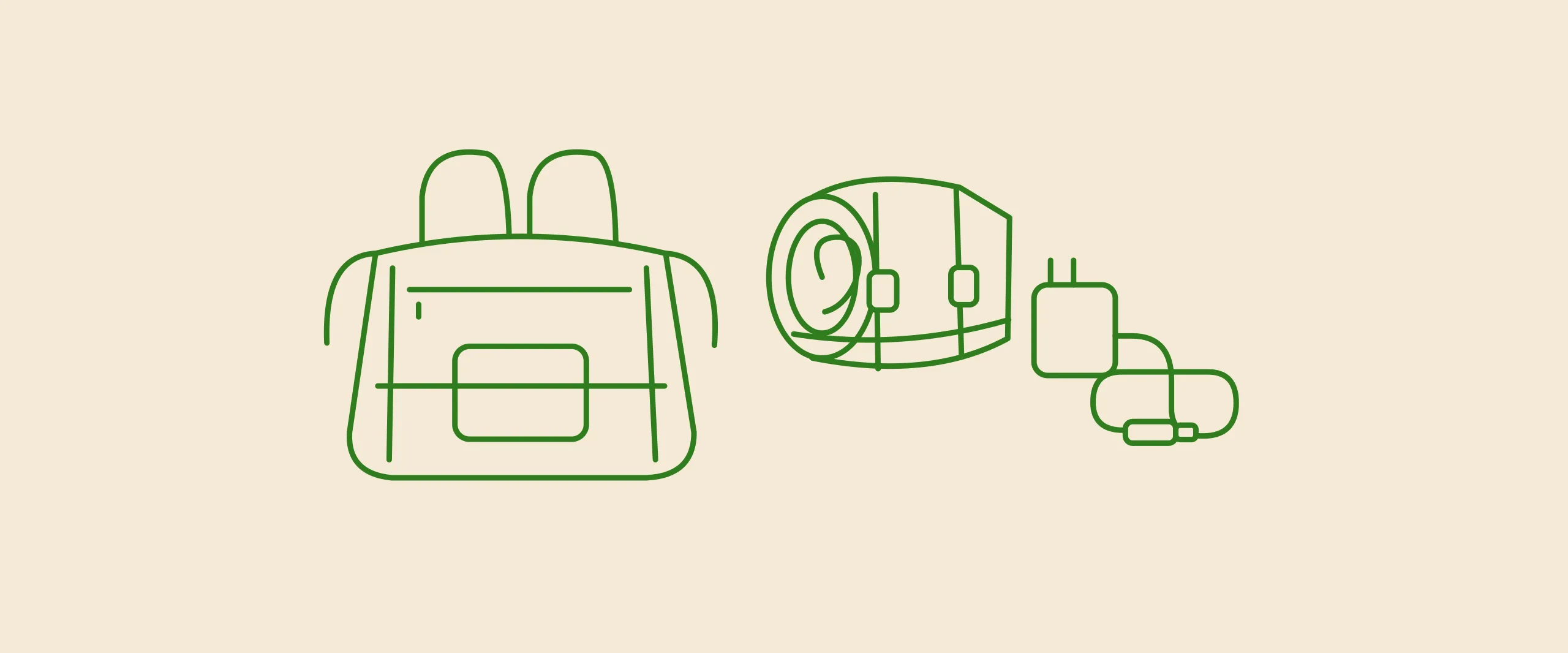
One night needs less than people pack. A sleeping bag or a blanket, a pillow, pajamas, one change of clothes for the morning, a toothbrush and toothpaste, and the stuffed animal if there is one. That is the whole list, and it fits in a backpack.
Add the comfort item even when your child says they do not need it. Late at night in someone else’s living room is a different place than the same room in the afternoon, and what gets a child through it is usually small and worn out.
Two more that get forgotten. A flashlight, because sleepovers happen in the dark and someone always has to find the bathroom. And socks, because other people’s floors are colder than yours.
Leave out the tablet, the expensive headphones, and anything that causes a problem if it is lost or argued over. Pack one bag rather than three, and have your child carry it in themselves. If they cannot lift it, it is too much for one night.
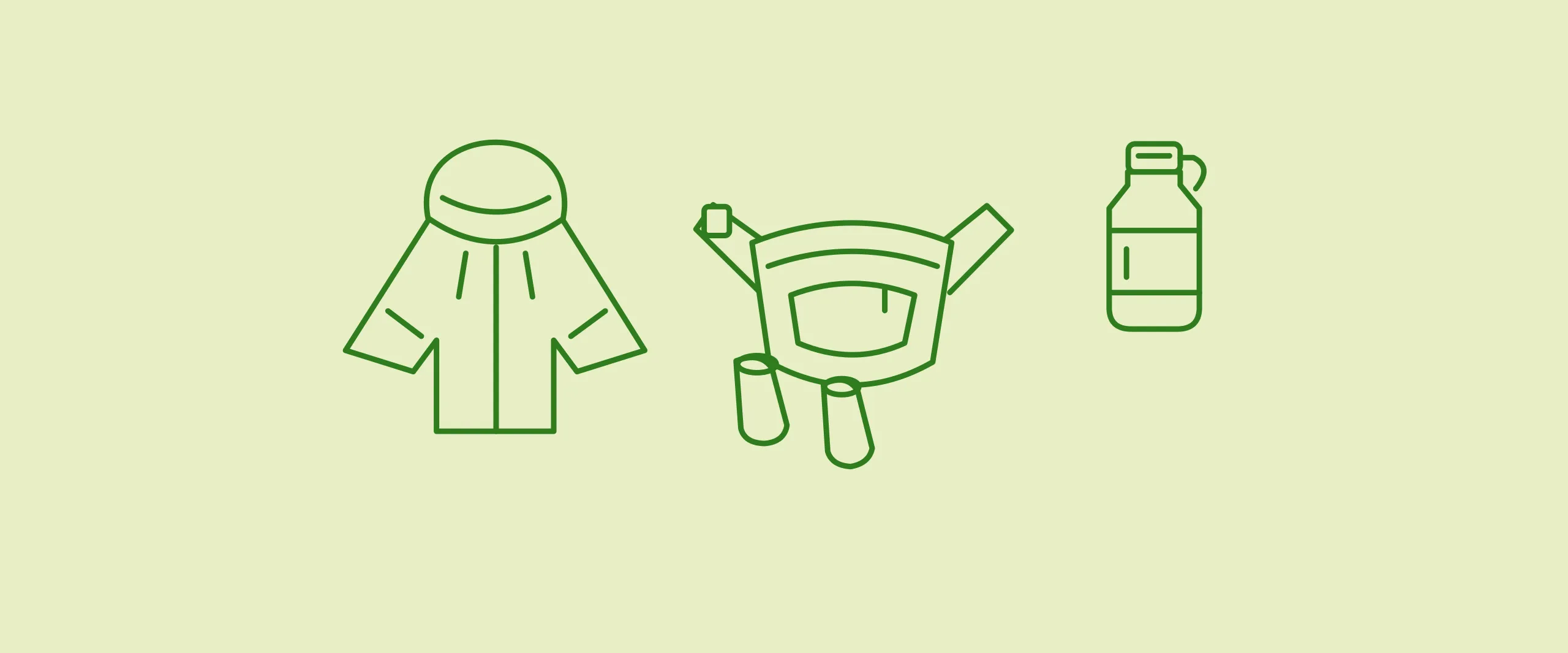
The ten you cannot go without
Forget any of these and someone is borrowing, buying, or going without for the rest of the trip.
-
 Sleeping bag
-
 Pillow
-
 Pajamas
- Towel
-
 Toothbrush
- Water bottle
-
 Flashlight
- Rain jacket
- Socks
- Laundry bag
Packing a camp week by days, not by outfits
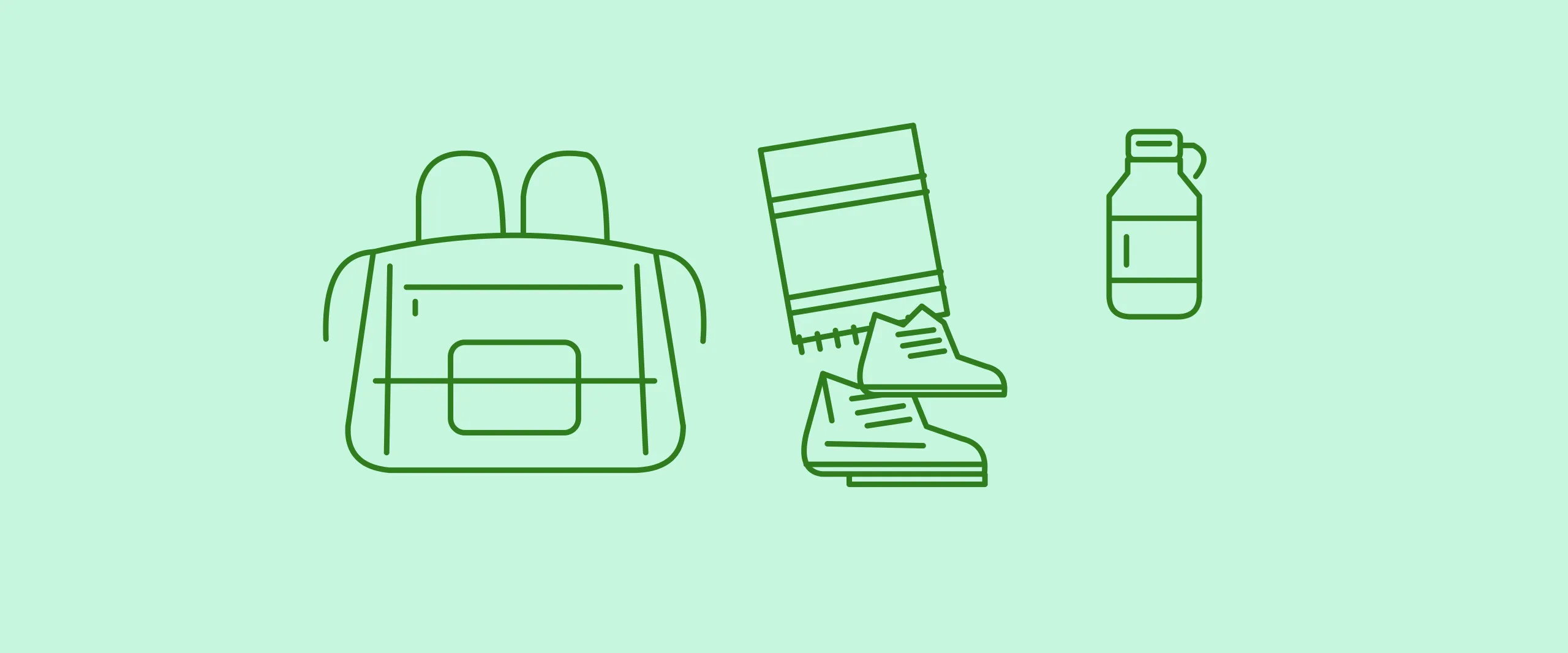
A week at camp is a counting exercise. Lay out the days, put one outfit next to each one, then add two spare sets for the days that end in mud or a lake. Socks and underwear get the same treatment, one per day plus two. Everything else is packed once: one sweatshirt, one rain jacket, one sun hat, one towel, one pair of sneakers, one pair of water shoes, and flip flops for the shower.
Pack what you do not mind losing. Camp clothes come home stained, shrunk, or not at all, and a child worrying about a jacket is a child not swimming.
Roll each day’s outfit together rather than stacking shirts in one pile and shorts in another. A child digging for shorts empties the whole duffel onto the cabin floor on day one and lives out of the pile until Friday.
Keep the bedding at the top. The sleeping bag, the fitted sheet, and the pillow are the first things needed on arrival, usually while a counselor is waiting to show the next family in.
Labels, laundry, and the things that disappear
Label everything. Name on the tag, name on the water bottle, name on the flashlight, name inside both shoes. Lost and found at the end of a session is a table of unmarked gray sweatshirts, and every one of them belongs to somebody.
Send a laundry bag, a real one, and tell your child what it is for. Without it, wet and dry end up in the same corner of the duffel and the whole bag comes home smelling like the lake.
Pack the small things where they can be found. Toothbrush, toothpaste, soap, shampoo, hairbrush, sunscreen, and bug spray go in one washbag, not loose in the bottom. A washbag that hangs beats one that lies flat, because cabin bathrooms rarely have counter space.
Medication stays in its original packaging and goes to the camp office or nurse at check-in, with the camp forms, rather than into the duffel. Ask what your camp wants before you leave, since every camp runs this differently.
The mistake that makes the bag too heavy
Packing for weather that is not coming. The duffel doubles when someone adds a second jacket, a second pair of long pants, and a sweater for the cold snap. One sweatshirt and one rain jacket cover an ordinary summer week, and a camp with genuinely cold nights keeps blankets.
The other half of the same mistake is packing entertainment. Camp fills the day on its own. A book, a deck of cards, and a notebook are plenty. Stamped envelopes are the one thing worth adding, because a child who decides on Wednesday to write home otherwise has no way to.
Check the camp’s own list before you close the bag. Camps usually publish one, and it usually names a few things to leave at home. Where theirs and this one disagree, theirs wins.
Then pack it with your child rather than for them. A child who packed the bag knows the flashlight is in the side pocket. A child who watched you pack it does not.