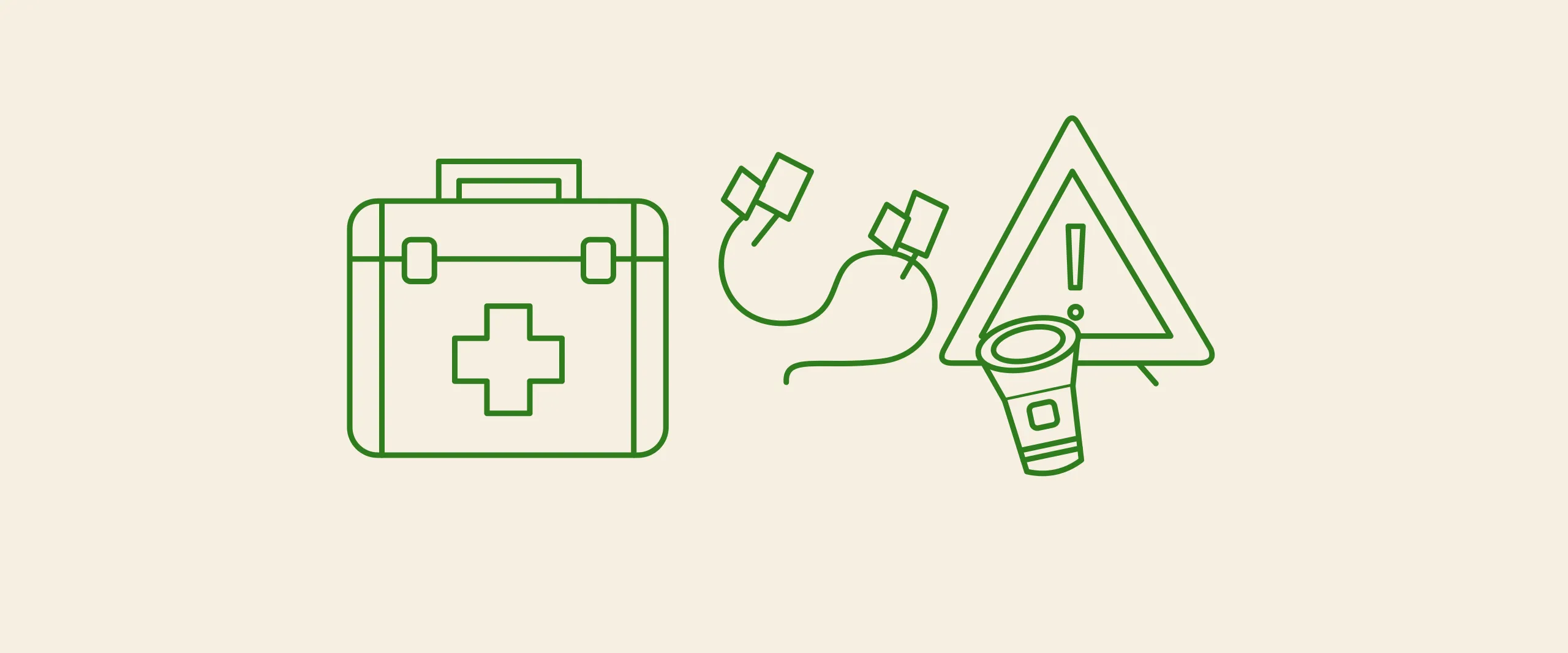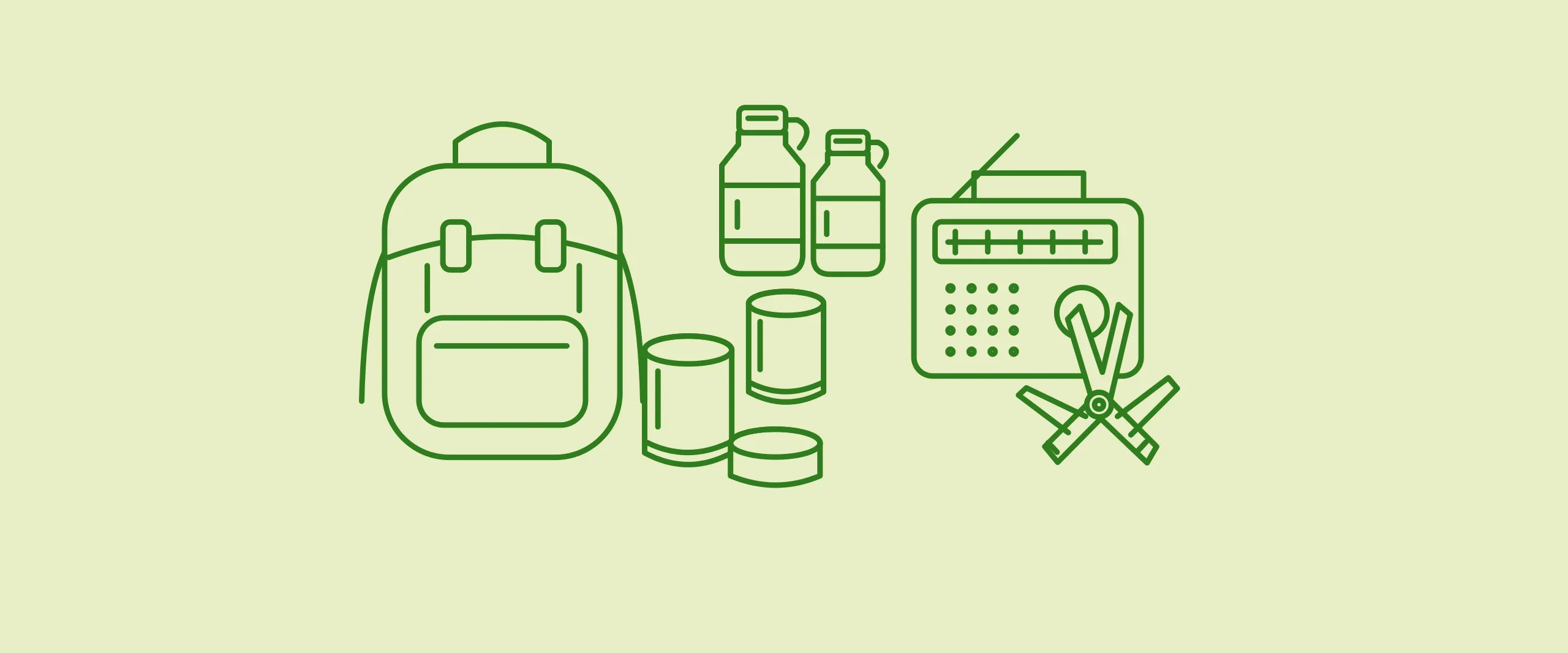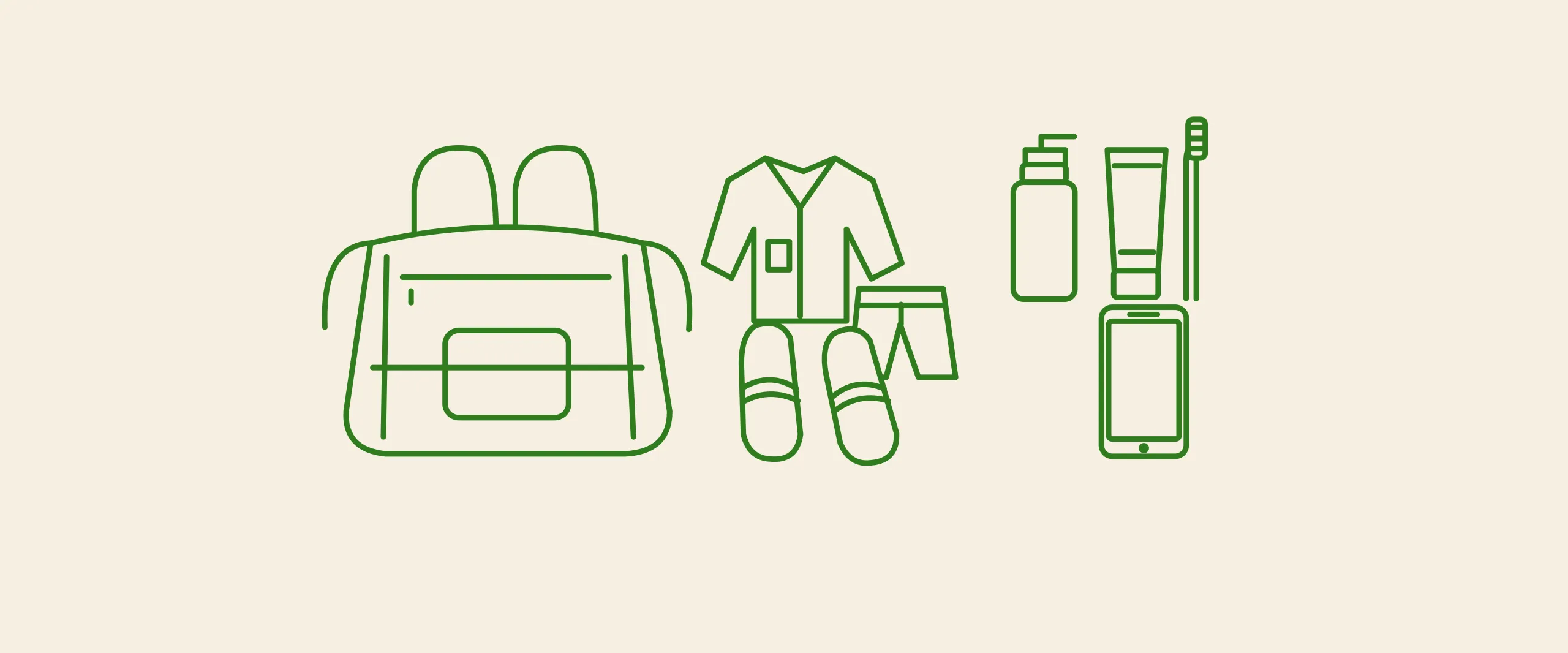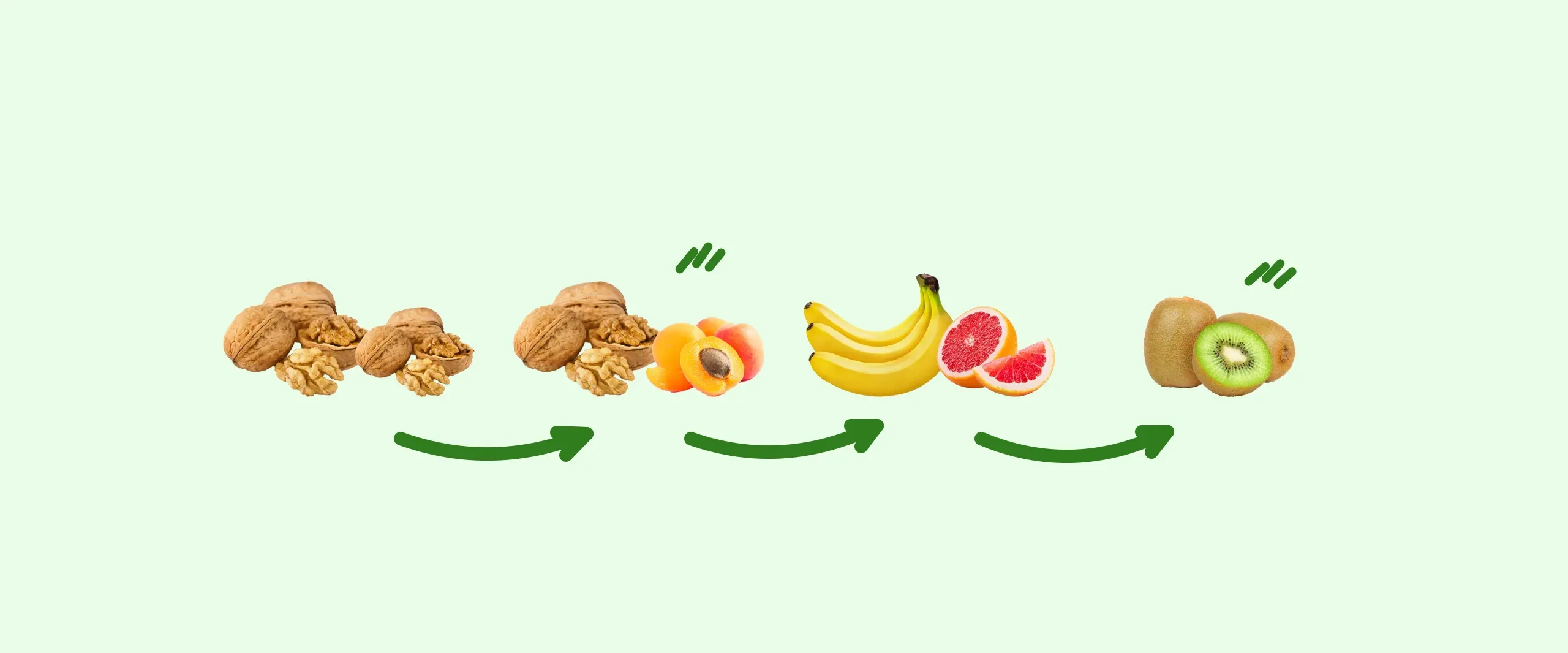
 Bandages and dressings
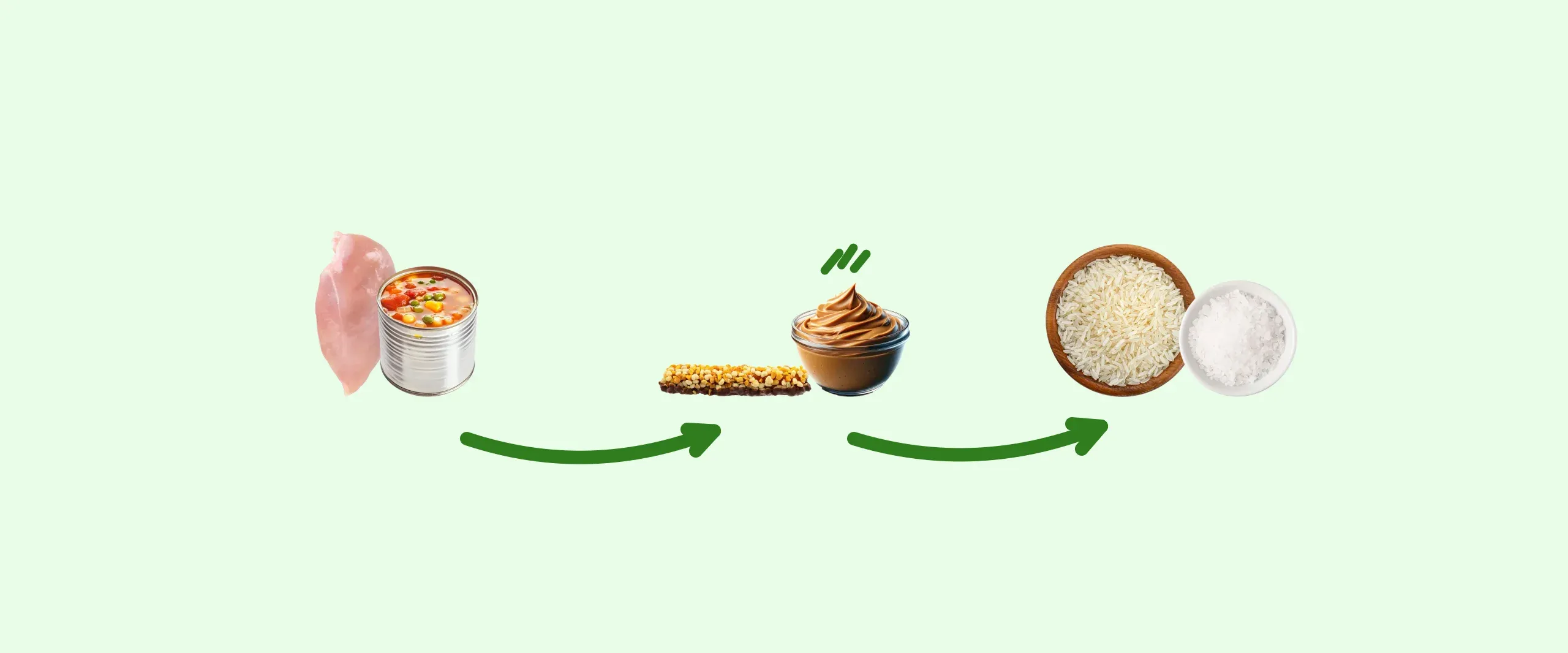
 Cleaning and protection
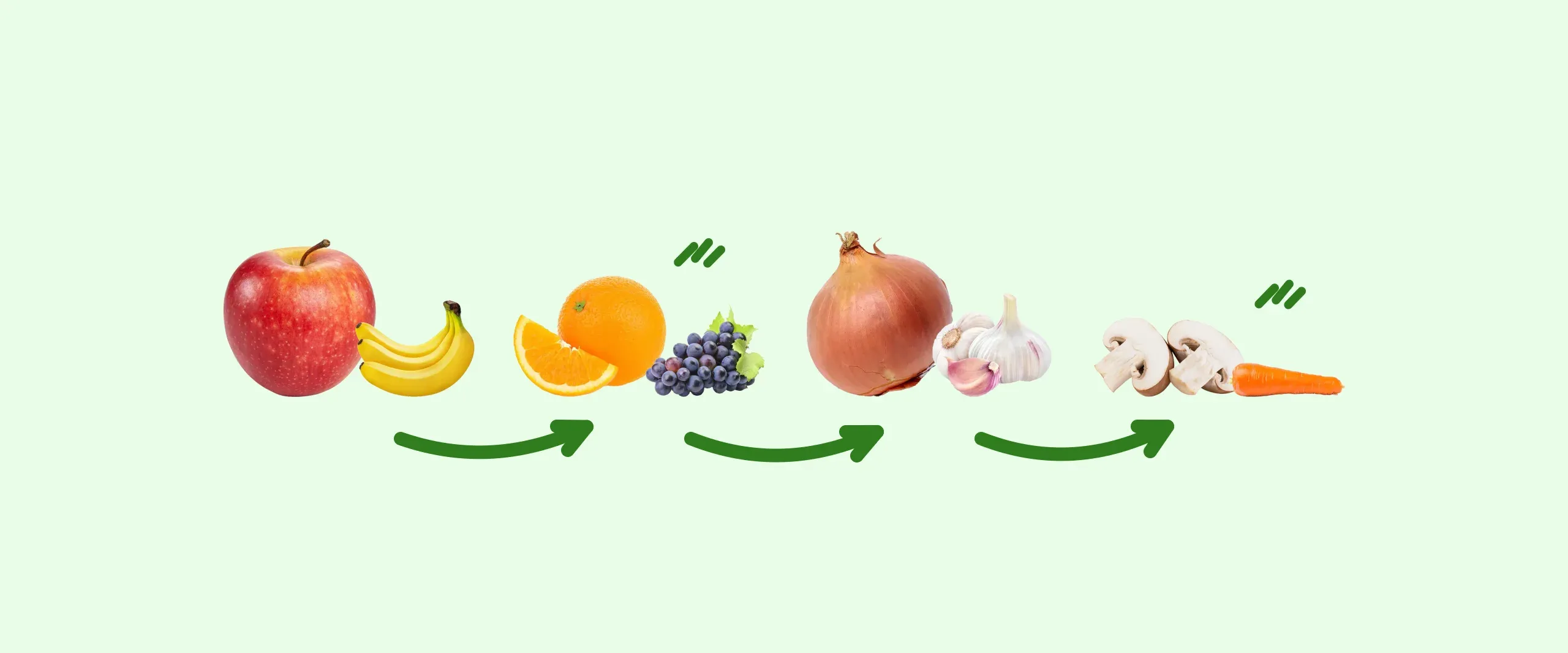
 Tools
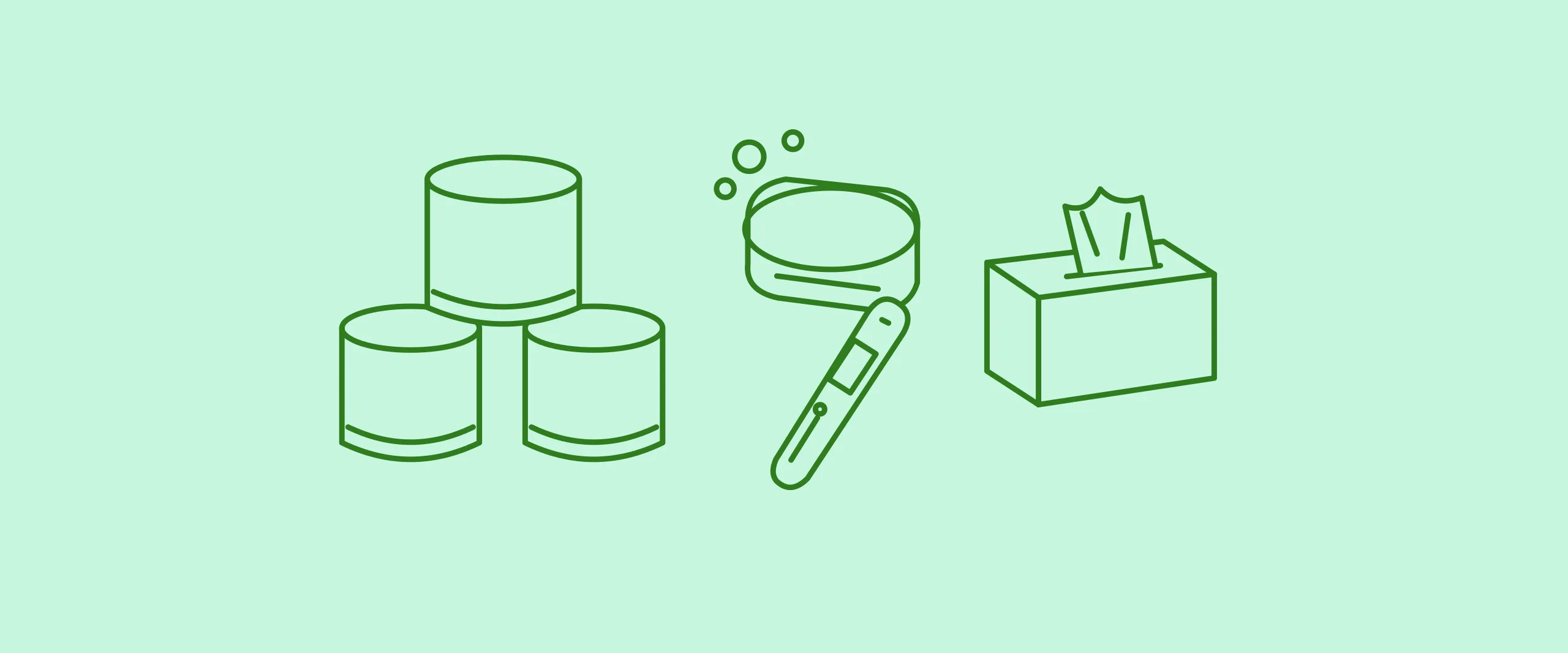
 Documents and organization
A travel first aid kit is a portable set of dressings, personal medicines and supplies chosen for your destination, the length of your trip and how you travel. At its core are supplies for covering minor wounds and injuries, gloves, an emergency blanket, the medicines you need, and information that makes it easier to call for help. The kit should be small, clearly organized and protected from water, sun and high temperatures.
Don’t copy your whole home medicine cabinet into your suitcase. For a weekend in the city, a small kit is enough, because a pharmacy and medical help are close by. In the mountains, at a campsite or on a trip abroad, plan for a longer wait for help, conditions on the trail, rules on carrying medicines and the needs of each traveler.
What goes in a basic travel first aid kit
A basic kit should let you protect the person giving first aid, cover a wound, hold a dressing in place and limit heat loss. Medicines are chosen separately for each traveler. Their names, doses and contraindications depend on the person, so they shouldn’t come from a one-size-fits-all list alone.
| Part of the kit | Main purpose | When to expand it |
|---|---|---|
| Protecting the helper | Disposable gloves and a rescue breathing mask | For a bigger group, bring extra pairs of gloves |
| Wounds and scrapes | Adhesive bandages, sterile gauze pads, a non-stick dressing and medical tape | For a long hike, add blister bandages and more dressings |
| Securing and covering | Conforming gauze bandage, elastic bandage and triangular bandage | On an active trip, match the sizes to the number of people and the type of route |
| Staying warm | Emergency blanket | In the mountains, in winter and near water, plan one blanket per person |
| Tools | Scissors, tweezers, tick remover and thermometer | Before you fly, check the rules on sharp objects |
| Medicines and prevention | Regular medications, products chosen with a pharmacist and protection suited to your destination | With a child, a chronic condition or a trip to the tropics, the kit needs individual advice |
The full checklist is at the top of the page. Before you buy anything, compare it with what you already have and with your travel plans. Don’t add gear no one in your group knows how to use.
How to match your first aid kit to the type of trip
Start with five questions: how many people are going, how long the trip will last, how quickly you can get help, what activities are planned and whether anyone takes medication regularly. Only then add more items.
| Type of trip | Main needs | What to add to the basics |
|---|---|---|
| City weekend | Minor cuts, scrapes and keeping up with medications | A small dressing kit, personal medicines and a thermometer |
| Beach or lake vacation | Sun, insects, moisture and getting chilled after swimming | Waterproof pouch, sun protection, insect repellent and an emergency blanket |
| Mountains or a long trek | Chafing, wounds, limb injuries, getting chilled and help that takes longer to arrive | More dressings, blister bandages, elastic bandages, a triangular bandage and a blanket for everyone |
| Camping or a road trip | Longer stays outside town and luggage exposed to heat and cold | Extra supplies, a flashlight and a separate medicine bag you take out of the car |
| Traveling with a child | Products approved for the child’s age and weight, hydration, and protection from sun and insects | A separate kit for the child, the right dosing tool, a thermometer and written instructions |
| Trip abroad or to the tropics | Rules on medicines, the local disease situation and limited access to familiar products | Medical records, extra medicines, protection suited to the destination and advice from a travel medicine clinic |
Dressings and gear that are useful away from home
When you travel, variety and quick access matter. A few sizes of adhesive bandages and gauze pads are more useful than a big pack of one product. Put gloves, gauze pads and medical tape on top. Keep scissors, tweezers and things you use less often in a separate pocket.
Pack sterile dressings in intact, dry packaging. A damp or torn product shouldn’t be treated as sterile. Don’t put cotton directly on a wound, because the fibers can stick to it. For rinsing and disinfecting, choose a product made for that purpose, and check how to use it before you go.
How to choose medicines for a travel first aid kit
A pharmacist can help you choose basic medicines for your destination, age, conditions and the medications travelers already take. Bring a current list of medicines to the consultation. That makes it possible to check contraindications, interactions and duplicate active ingredients.
| Need | What to sort out before the trip | What not to assume |
|---|---|---|
| Pain or fever | Which product suits that particular person and when not to use it | That one medicine and one dose fit the whole family |
| Motion sickness | Age, contraindications and whether the product may cause drowsiness and affect driving | That any product can be taken without reading the leaflet |
| Diarrhea or dehydration | How to rehydrate, an age-appropriate product and the symptoms that need medical help | That every stomach problem should be treated with the same remedy |
| Allergies and bites | A product for mild symptoms and an individual plan for anyone with a severe allergy | That an over-the-counter medicine replaces a prescribed emergency medicine |
| Common traveler complaints | Whether you need something for constipation, heartburn, a sore throat or another problem that person often has | That more different products always make a better kit |
| Trip to the tropics | Vaccinations, preventive medicine and insect protection suited to the country and the kind of stay | That a standard vacation list replaces a travel medicine clinic |
Don’t copy doses for all travelers onto one shared list. Keep medicines in their original packaging with the leaflets. If a product comes with a dosing cup, oral syringe or another part needed to give it, pack it with the medicine.
Regular medications and medical records
Medicines you take regularly shouldn’t disappear into the depths of a shared kit. Each traveler should have their own labeled kit with enough for the whole trip and a sensible reserve in case the return is delayed. Someone else in the group should know where the personal medicine and the plan for a sudden flare-up are.
- Check prescriptions and supply. Don’t leave refilling a medicine until the day before you leave.
- Keep the original packaging. The label, leaflet, name and dose help identify the product at security or during a medical visit.
- Make a list of medicines. Write down the active ingredients, how each person has been told to take them, allergies and important conditions.
- Add medical records. For a trip abroad, bring a copy of the prescription or a doctor’s note, especially for prescription medicines, psychotropic drugs or medicines that need refrigeration.
- Check storage. The leaflet and the package come before general advice. For medicines that need refrigeration, work out with a pharmacist how to transport them and keep them from freezing.
Hiking first aid kit for the mountains
A mountain first aid kit has to be light, moisture-resistant and reachable without emptying your whole backpack. Mountain rescue guidance recommends a basic kit that includes several kinds of adhesive bandages, blister pads, elastic bandages, gauze pads, a triangular bandage, an emergency blanket, two pairs of gloves, scissors, and tweezers or a tick remover.
Pack more dressings for a bigger group, a multi-day route or a winter hike. Plan one emergency blanket per person. Don’t split personal medicines so that one person carries all the products for the whole group. Spreading out the gear limits the damage if people get separated or a backpack is lost.
| Before you set out | What to check | Why |
|---|---|---|
| Access to the kit | Whether the person at the back or your hiking partner knows which pocket holds the kit | The injured person may not be able to get it out themselves |
| Phone and location | A charged phone, a rescue app, if one covers the area, and the local mountain rescue numbers saved | A rescue app can help you give rescuers your exact location |
| Conditions | The forecast, route length, return time and gear suited to the weather | A first aid kit doesn’t replace clothing, water, a light and a proper plan |
First aid kit for traveling with kids
A child needs a separate medicine kit. An adult medicine doesn’t become a children’s medicine just because you give less of it. Before the trip, check with a doctor or pharmacist which products suit your child’s age, weight, allergies and conditions. Keep the dosing cup or oral syringe that came with each product.
- Regular and emergency medicines. Label them with your child’s name. Include the current action plan from the doctor, if your child has one.
- Fever and pain. Bring a thermometer and a product chosen for your child. Don’t write down a dose from memory; use the current advice and the leaflet.
- Hydration. Young children are at higher risk of dehydration. Plan what to do and pick a product suited to their age.
- Motion sickness and allergies. Check the minimum age, contraindications and possible side effects.
- Sun and insects. Choose sunscreen and insect repellent made for your child’s age. Don’t use an adult product without checking the label.
Keep the child’s kit out of their reach but where a caregiver can get to it. If several people take turns looking after the child, each of them should know where the medicines are, what the allergies are and how to call for help.
Traveling abroad and flying with medicines
Being allowed to take a medicine out of your home country doesn’t automatically mean you can bring it into every other country. Before the trip, check information from the embassy, consulate or relevant authority of your destination. This matters especially for medicines containing narcotic or psychotropic substances, because they may need an extra certificate.
- Check your destination’s rules. Confirm which medicines, documents and amounts are allowed.
- Carry medicines in their original packaging. Include the leaflet, a copy of the prescription or a doctor’s note.
- Keep the medicines you need while traveling in your carry-on. Medically necessary liquid medicines can be carried in amounts over 100 ml, but you have to declare them at security, and you may be asked to show they’re genuine.
- Check sharp objects. Rules on scissors and other tools depend on their size and on security regulations. If in doubt, move them to checked luggage or leave them at home.
- Don’t put all your medicines in checked luggage. A delayed or lost suitcase shouldn’t interrupt your treatment.
For travel to a tropical country, public health guidance recommends a visit to a travel medicine clinic no later than 6 to 8 weeks before you leave. The doctor chooses vaccinations and any preventive medicine based on the country, region, season, length of stay and planned activities. A regular vacation first aid kit doesn’t replace that visit.
How to pack and store a travel first aid kit
An opaque, waterproof pouch with several labeled pockets works best. A symbol on the outside should make the kit easy to spot, but its contents still need to be kept safe from children.
| Kit section | Contents | Where it goes in your luggage |
|---|---|---|
| First aid | Gloves, gauze pads, adhesive bandages, roller bandages, a triangular bandage and an emergency blanket | An easy-to-reach pocket of your backpack or bag |
| Personal medicines | One person’s regular and emergency medicines, leaflets and medical records | With the person who takes them, in carry-on luggage |
| Shared medicines | Products chosen with a pharmacist and clearly labeled | Separate from the dressings, out of children’s reach |
| Documents and contacts | List of medicines and allergies, emergency numbers and insurance details | In a waterproof pocket and as a digital copy |
Don’t leave medicines in a hot car, on a windowsill, on the beach or in a damp tent. If the leaflet doesn’t say otherwise, medicines are usually stored at room temperature, 15 to 25°C. The information on the specific product’s package always comes first, though.
Checking your first aid kit before a trip
- Lay everything out. Remove empty packaging and anything unrelated to the trip you’re planning.
- Check the dates. Look at the expiration dates of medicines, dressings and protective products, and how long they last once opened.
- Inspect the packaging. Don’t take damp dressings, medicines without a label or products stored in unknown conditions.
- Count your supplies. Factor in the number of people, the length of the trip and a reserve of regular medications.
- Check your gear. Turn on the thermometer and flashlight, look over the scissors and check the glove size.
- Update your documents. Include prescriptions, doctor’s notes, a list of medicines and the contacts you’ll need at your destination.
- Show the kit to someone else. A fellow traveler should know where the first aid kit and the emergency medicines are.
When you get back, restock what you used and take out medicines that shouldn’t be kept in a travel bag. That way your next trip starts with checking an up-to-date kit, not with sorting through random leftovers.