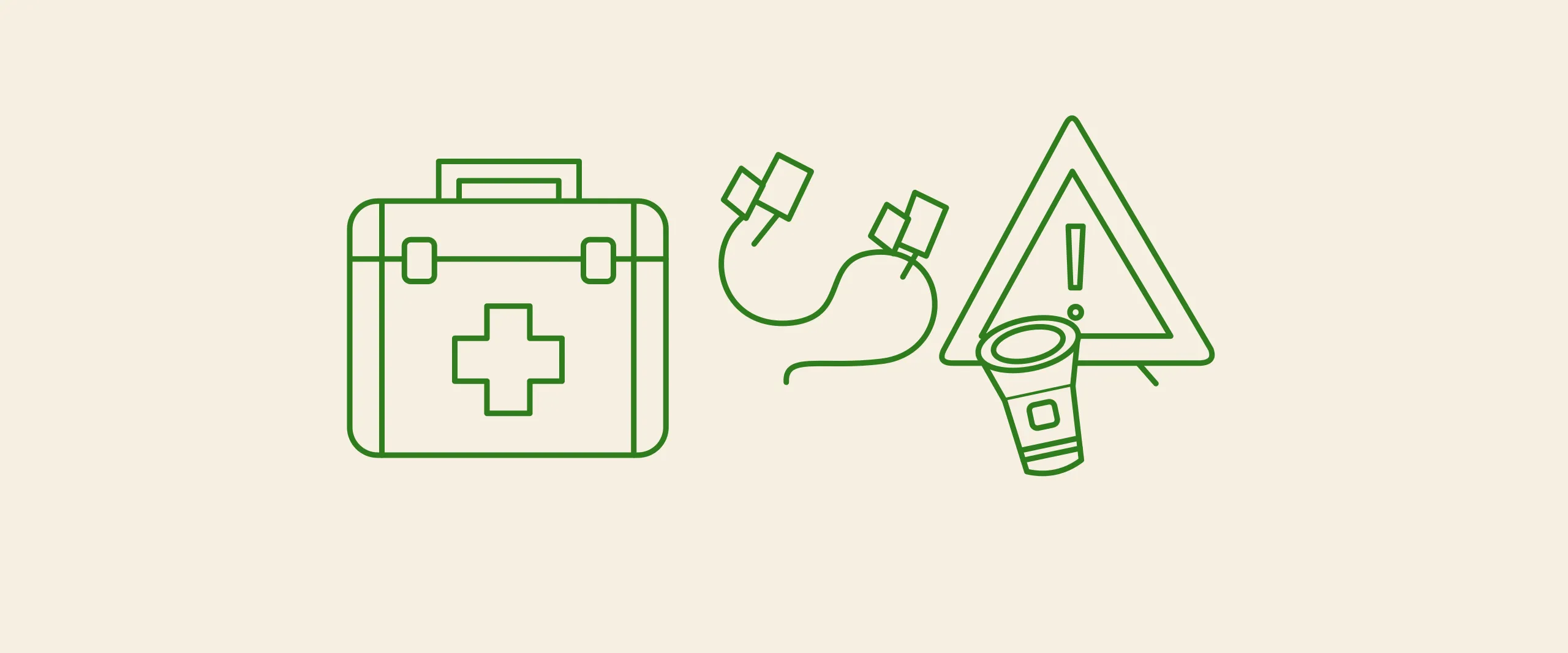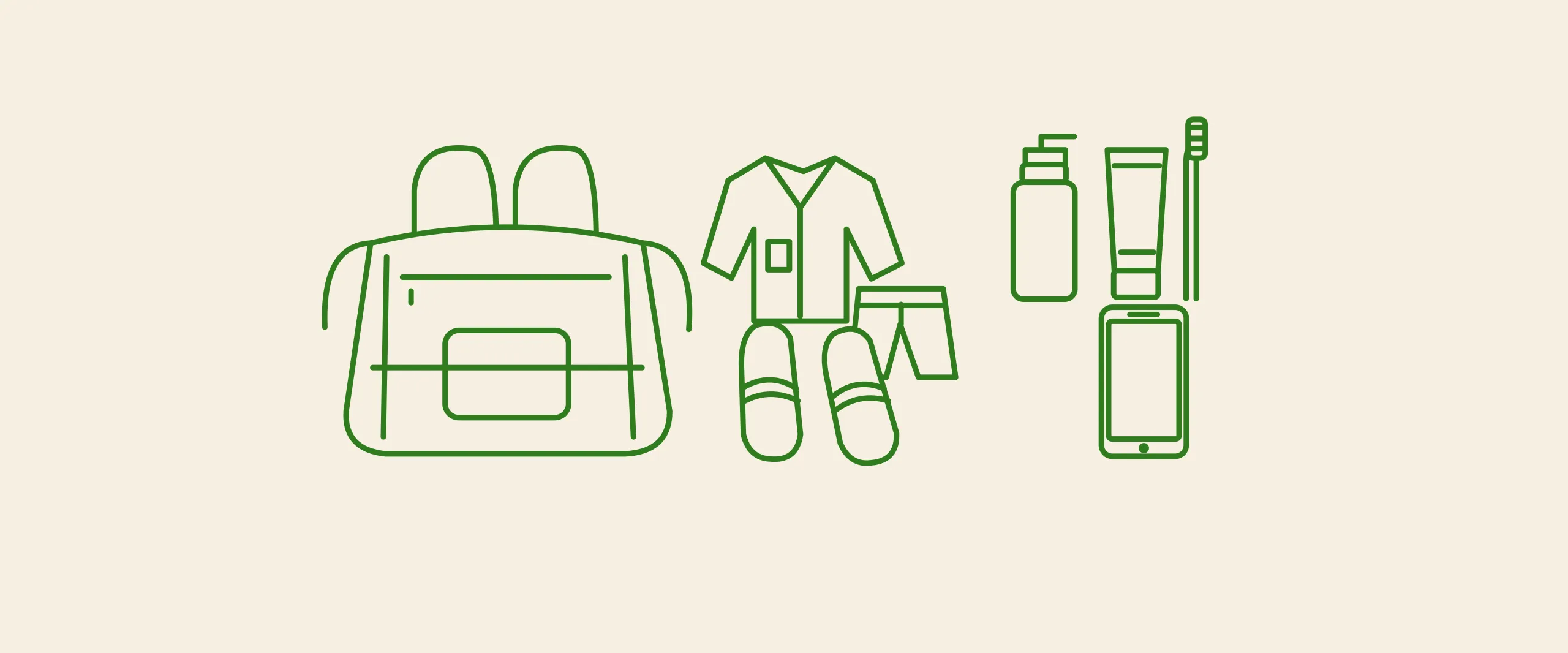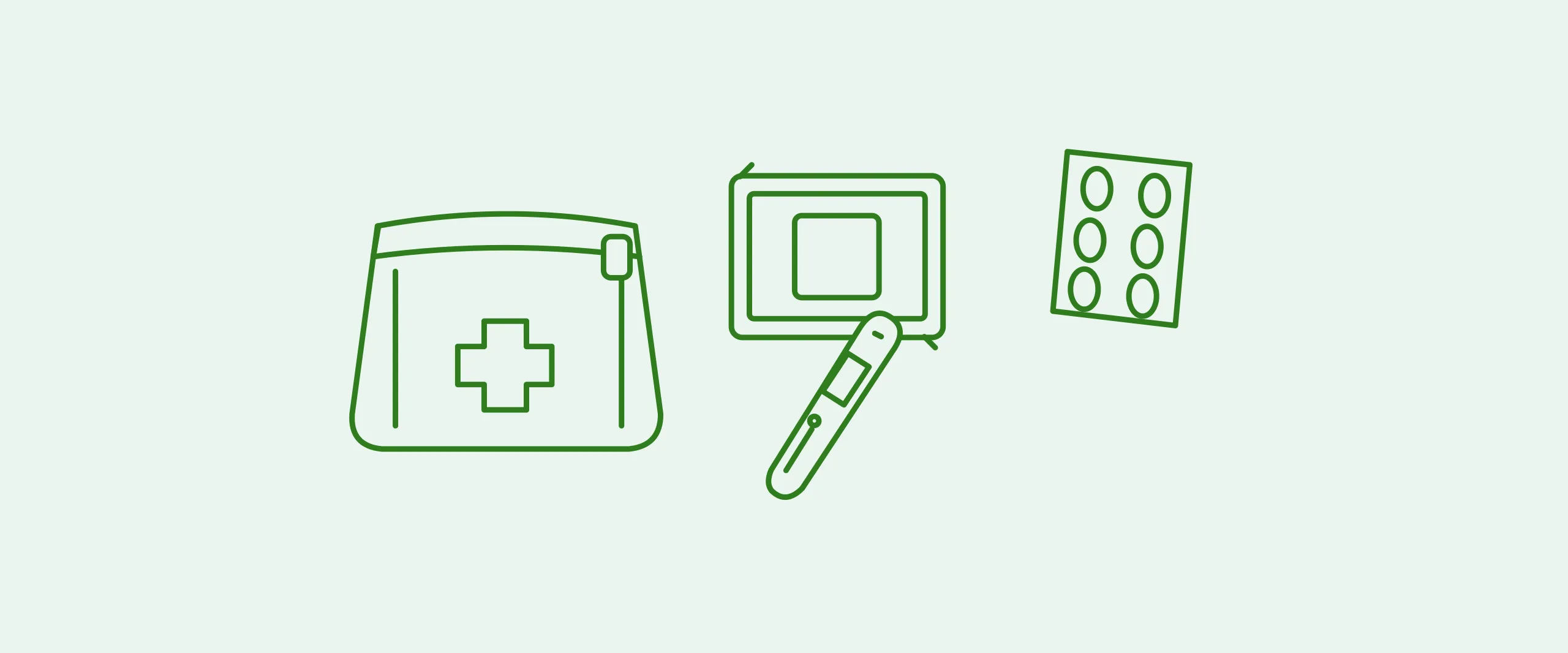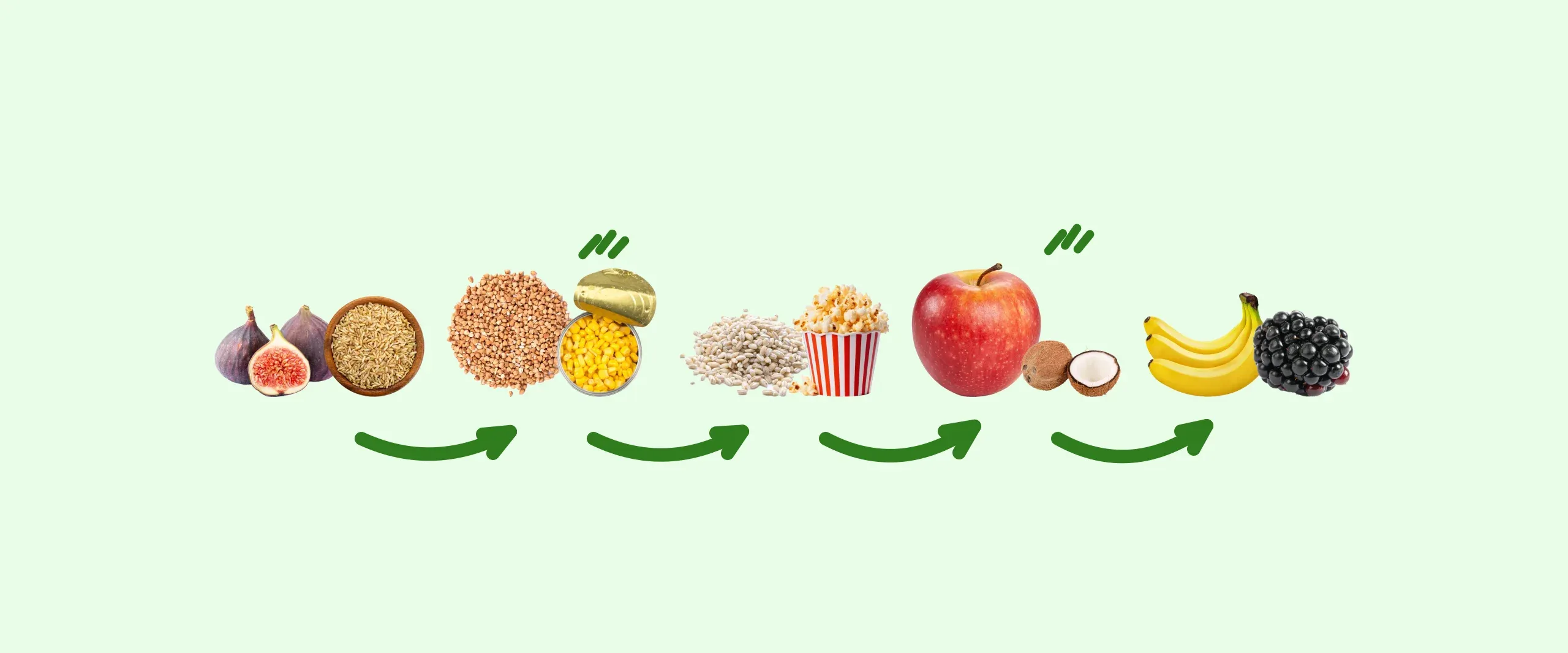
 Documents and money
 Health and first aid
 Clothing and sleeping
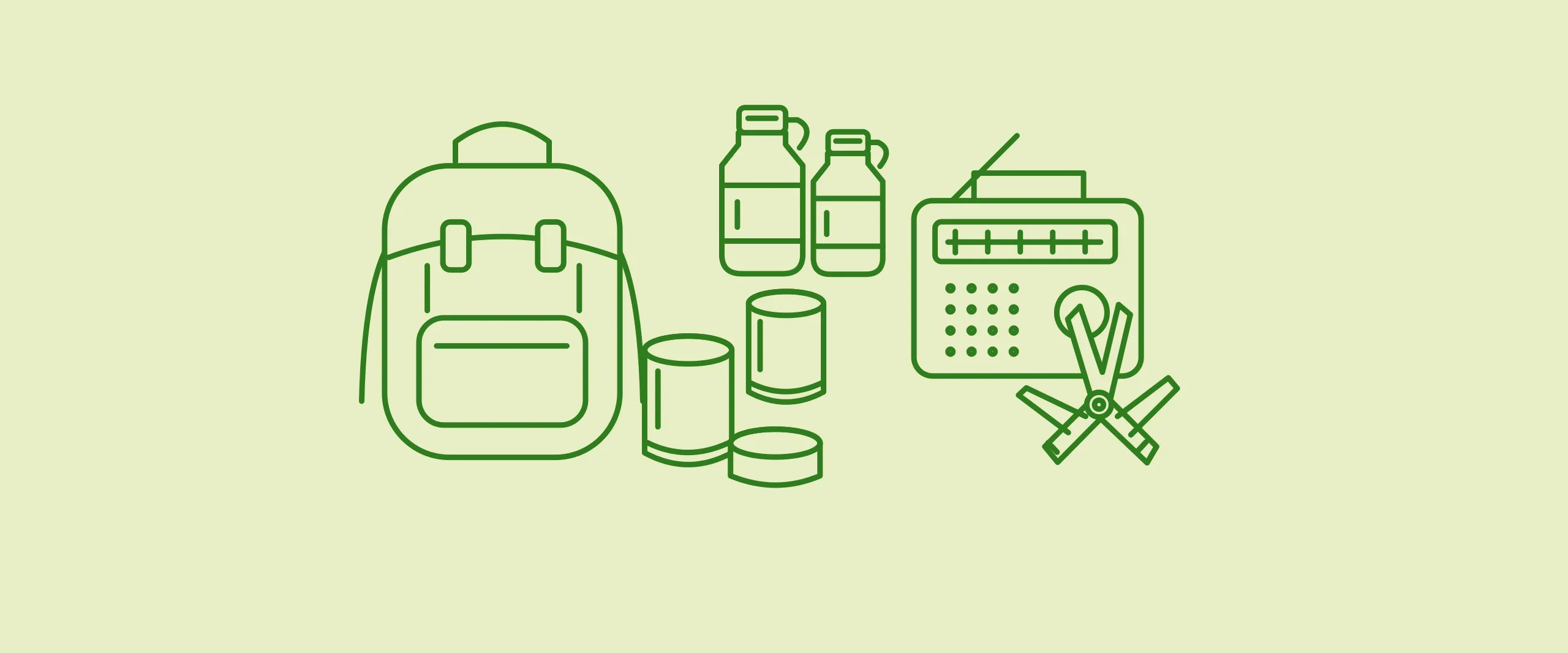
An emergency go bag is a grab-and-go kit with what you need to leave home fast. Above all, it should hold documents, medications, water, ready-to-eat food, a first aid kit, sources of light and information, clothing and basic hygiene items. Everyone in the household should have their own kit, matched to their health, age and physical abilities.
A go bag doesn’t replace your emergency supplies at home. It lets you leave without hunting for documents, a charger and medications at the last minute. It comes in handy during an evacuation due to a flood, a fire, an industrial accident or another local threat. Whether you should leave or stay inside depends on the type of emergency and what emergency services tell you.
This list is based on current official safety guidance. You can add the detailed checklist to Listonic and check items off as you put your kit together.
Who needs an emergency go bag
Everyone in the household, kids included, should have their own bag. That doesn’t mean identical gear for everyone. Each kit should hold the owner’s personal items, especially their medications, contact details, water, food and clothing. Adults can split the shared gear between them.
One big bag for the whole family creates two problems. It can be too heavy for one person, and if your family gets separated, most of you are left without the basics. It’s better to pack several lighter kits and deliberately split the radio, first aid kit, power banks and tools among them.
An older adult, someone with a chronic illness or someone who uses assistive equipment needs an extra plan. Official safety guidance mentions, among other things, a supply of medications and batteries for a hearing aid, a glucose sensor or any other device they use. Emergency services should know if someone needs help during an evacuation.
What to pack in an emergency go bag
You can split the contents of an emergency go bag into seven groups. Grouping it this way lets you check whether your kit covers the basic needs without writing out the full item list in several places.
| Group | What it includes | What to check |
|---|---|---|
| Documents and money | ID, protected copies, medical information, contacts and cash | Up-to-date details, access to digital copies and protection from water |
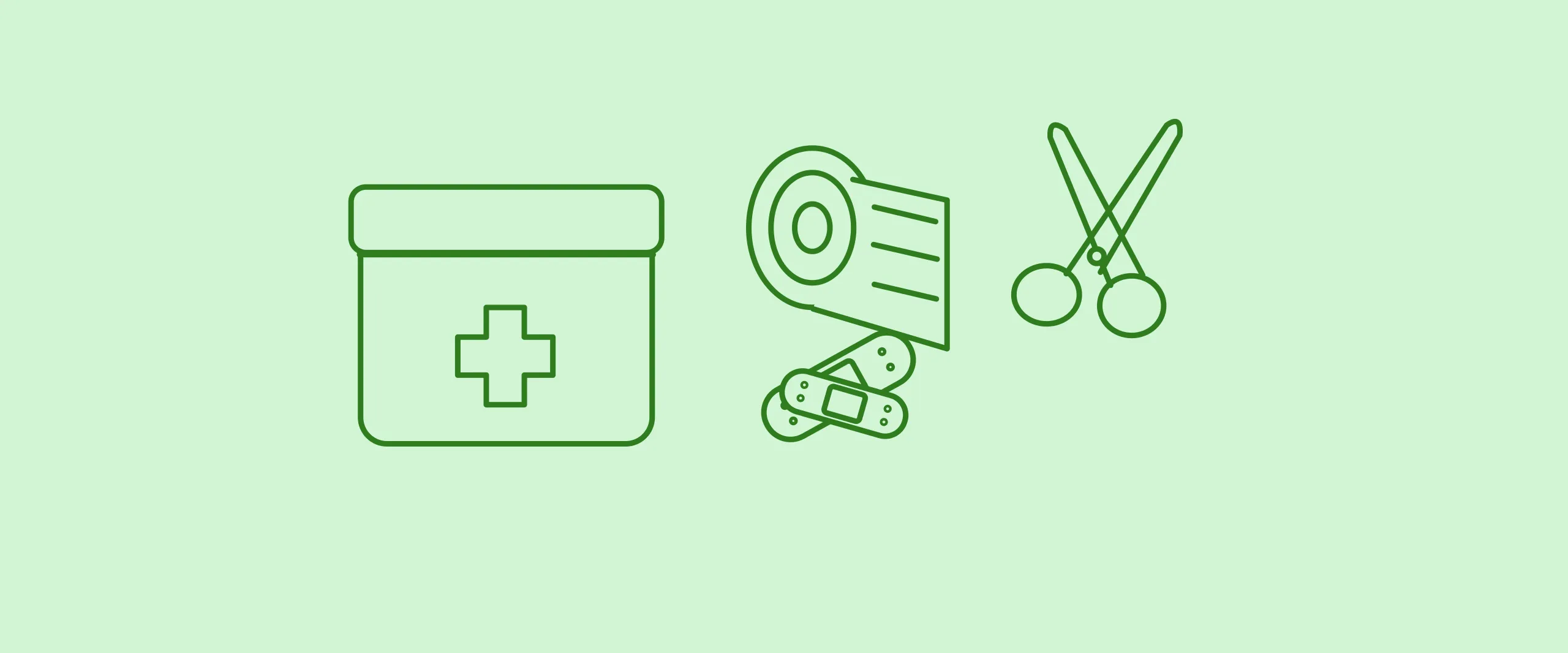
| Health and first aid | Personal medications, dressings and any medical equipment you use | Medication expiration dates, dosing, allergies and a complete first aid kit |
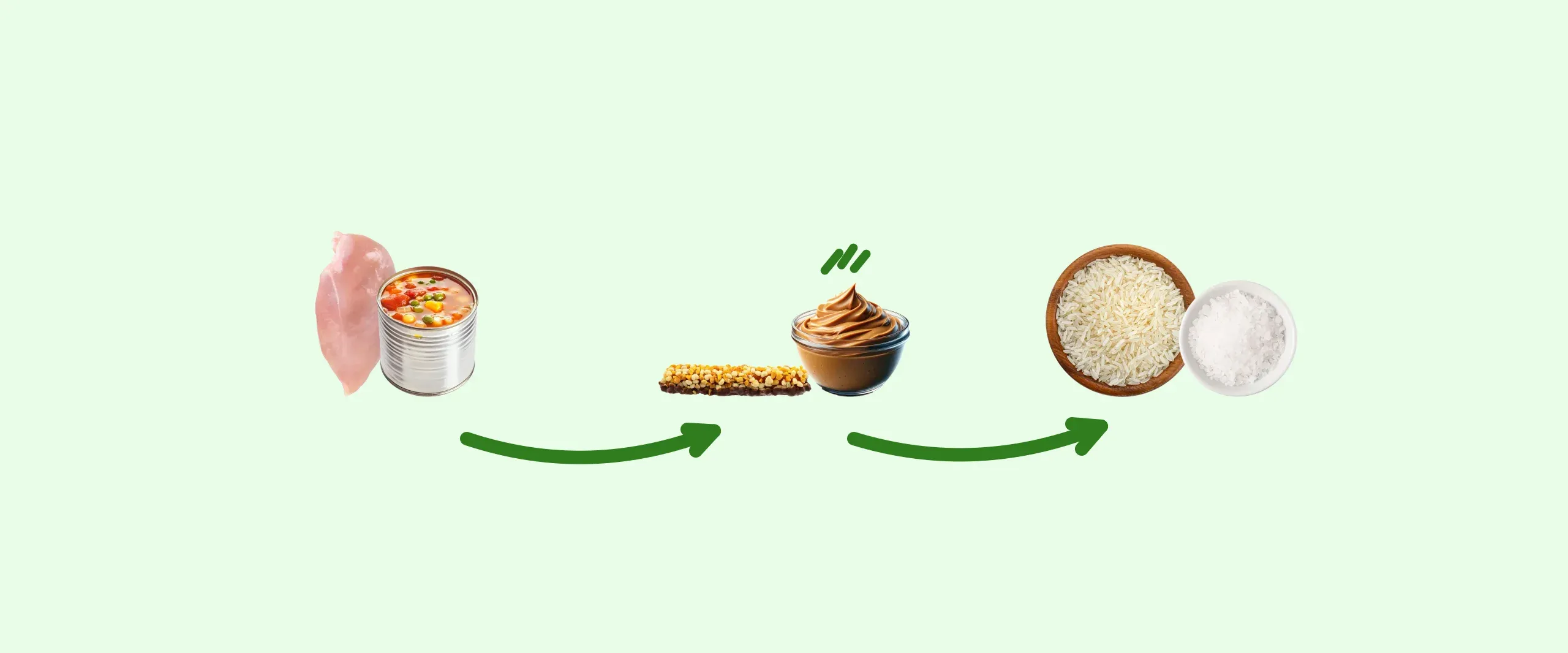
| Water and food | Water, a way to purify it and ready-to-eat food | Sealed packaging, expiration dates and whether you can eat it without cooking |
| Light and information | Flashlight, radio, phone, power bank, cables and spare batteries | Charge level, working order and cables that fit your devices |
| Clothing and protection | A change of clothes, a rain layer, a sleeping bag and thermal protection | Size, season and the condition of zippers and fasteners |
| Hygiene | Travel-size products for washing, disinfecting and personal hygiene | Leakproof containers for liquids and the needs of kids and adults |
| Small gear | Multitool, lighter, whistle, map, notebook, bags and repair supplies | Whether the gear works and whether the owner knows how to use it |
The full go bag checklist is at the top of the page. Before you shop, go through your drawers at home. You probably already have most of the gear, but it’s spread across several places.
Go bag advice from official safety guidance
Official safety guidance pairs the equipment list with an action plan. A bag alone isn’t enough if your household doesn’t know where to meet after getting separated, or who helps someone with limited mobility.
| Recommendation | How to apply it at home |
|---|---|
| A separate kit for everyone | Match the weight and contents to the owner’s age, health and abilities |
| Contact details for kids and older adults | Make an ID card with their full name and the caregiver’s phone number |
| Family emergency plan | Pick a meeting place nearby and a second one outside your town, plus a contact person |
| Home supplies | Keep a separate supply for at least 3 days, because it won’t fit in a portable kit |
| Current alerts | Follow Wireless Emergency Alerts and announcements from authorities, emergency services and the media |
| Helping others | Check that your neighbors know about the alert, and tell emergency services about anyone who needs help |
Official guidance covers evacuation and a household crisis plan in more detail. A shopping list helps you get the gear ready, but during an emergency, instructions from emergency services come first.
How to pack an emergency go bag
Well-chosen gear can turn out useless if the bag is overloaded, gets soaked or has to be fully unpacked before you find your medications. Pack so you can reach things quickly and the weight is spread evenly.
| Rule | How to apply it | What to avoid |
|---|---|---|
| Waterproofing | Seal documents, medications, clothes and electronics in separate bags | Loose papers and liquids with no extra protection |
| Weight close to your back | Put water and heavier food in the middle, against your back | Heavy items in the outer pockets |
| Quick access | Keep medications, a flashlight, documents and a jacket on top | Burying the things you use most at the bottom of the main compartment |
| Packing in pouches | Keep health, hygiene, food, clothing and electronics in separate labeled pouches | One compartment with small items thrown in loose |
| Last-minute list | Attach a note: phone, ID, daily medications and glasses | Assuming you’ll remember everything under stress |
| Test on the move | Adjust the straps and test the kit while walking and on stairs | Judging the weight only by lifting the bag off the floor |
Store the bag in a dry place near your way out. A basement, an attic or a top closet shelf blocked by suitcases makes it hard to reach. Everyone in the household should be able to find their kit in the dark.
Emergency go bag for kids and people who need help
A child’s go bag isn’t a smaller copy of an adult’s kit. What goes in depends on their age, independence and how much weight they can safely carry. Official guidance recommends that kids know their role and carry their caregiver’s contact details.
| Person | Who carries the gear | What to adjust |
|---|---|---|
| Baby and toddler | Caregivers split everything between them | Feeding, diapers, medications, clothes and a familiar item |
| Preschooler | A small backpack with light items | Caregiver’s details, a light bottle of water, a snack, a sweatshirt, a flashlight and a stuffed animal |
| School-age child | Their own limited kit | Contacts, medical information, water, food, clothes and a whistle |
| Teenager | Their own kit, checked with an adult | Medications, documents, phone, power bank, clothes and an agreed contact plan |
| Older adult or someone who is ill | On their own or with help from a named caregiver | Medications, dosing, glasses, medical equipment, batteries and a way to call for help |
An important personal item, like a photo, a small keepsake or a stuffed animal, is also on the official list. It doesn’t solve a practical problem, but it helps a child or an adult hold on to something familiar after a sudden move.
Emergency go bags for families, women and pets
In a family, personal items belong in every bag, while heavier shared gear can be split up. Spreading gear across several people also protects you if one bag gets lost or damaged.
| Scope | How to split it | Why |
|---|---|---|
| In every bag | Their own medications, personal details, some of the water and food, clothing and a light source | Everyone keeps a basic kit if you get separated |
| Once per family | Radio, a bigger first aid kit, a map and some of the tools | No need to carry several heavy copies of the same gear |
| In two different bags | Power banks, cables, spare batteries and some of the cash | If one kit fails or gets lost, the whole family isn’t cut off |
| Outside the bag | Meeting place, an out-of-town contact and who looks after whom | The plan stays useful even with no phone signal |
There’s no special emergency go bag for women. The kit fits the person, not the product label. It might include menstrual products, medications, pregnancy or breastfeeding needs and clothes chosen for her. The same rule applies to any adult with individual health needs.
Pack a separate bag for your pet. It should include food, water, a bowl, medications, health records, a leash, a harness or a carrier. Official advice on pets also recommends a microchip, registration in a pet database and the owner’s details on the collar or harness.
Buy a ready-made emergency go bag or build your own?
A ready-made go bag can save you time putting a kit together, but it isn’t a kit tailored to you. The seller won’t add your medications, documents, the right cables, clothes or things for your child. So before you buy, judge each item, not just the number of items in the description.
| What to judge | Good sign | Warning sign |
|---|---|---|
| Item list | Exact names, quantities, specs and expiration dates | Vague descriptions with no details on what’s actually inside |
| First aid kit | A clear list of supplies and room for personal medications | Just the words “medical kit” with no contents listed |
| Electronics | Stated power source, capacity and compatible cables | No specs for the flashlight, radio and power bank |
| Food and water | Visible dates, directions and the real weight | Products that need cooking, or an unknown expiration date |
| The backpack itself | Comfortable straps, working zippers and adjustability | The kit is heavy before you add your personal items |
Building your own kit gives you more control over weight and quality. A ready-made kit sometimes wins if its contents are listed openly and, after you buy it, you unpack, check and adjust it. Shutting a factory-packed bag in a closet without testing it doesn’t mean you’re prepared.
How often to check and replace go bag gear
Dates on the packaging and manufacturer instructions take priority over a fixed calendar. The schedule below is a practical minimum that helps you avoid leaving your bag unchecked for years.
| Item | When to check | What to do |
|---|---|---|
| Medications and first aid kit | At least twice a year and after each use | Check dates, packaging condition, dosing and anything missing |
| Food and water | Twice a year and before they expire | Use the products at home and replace them with fresher ones |
| Power bank | Every 3 months | Charge it, test it and check the case for damage |
| Batteries and devices | Every 6 months | Turn on the flashlight and radio, check for leaks and your battery supply |
| Documents and contacts | After any change in details, at least once a year | Update copies, phone numbers and medical information |
| Kids’ clothes | When the season changes | Check the size and whether they suit the weather |
| The whole bag | Twice a year | Weigh the kit, check the zippers and walk a test route with it |
72-hour go bag vs home emergency supplies
The term “72-hour go bag” appears in some fire service materials. It’s a useful planning model, but it doesn’t let you skip checking the weight. 3 liters of water weigh about 3 kilograms, and you can’t reasonably carry a full home supply in one backpack.
Current official safety guidance recommends separate home supplies for at least 3 days, including at least 3 liters of water per person per day. The go bag has to stay portable, so you choose its contents based on the person’s abilities and the expected evacuation route.
| Feature | Emergency go bag | Home supplies |
|---|---|---|
| Purpose | Leaving home quickly | Staying home without deliveries or shopping |
| Main limitation | Weight, volume and whether you can carry it for long | Storage space and regular rotation |
| Water | As much as the owner can safely carry, plus a way to purify it | At least 3 liters per person per day for at least 3 days |
| Food | Light, high-calorie and ready to eat | A bigger stock of shelf-stable foods, partly used and restocked |
| Location | Near the exit, ready to grab | A dry, cool place everyone in the household can reach |
A filter or purification tablets supplement your water supply, but they don’t make every random water source safe. Use them according to the product instructions and any local contamination alerts.