 Cleaning
What goes in a dog first aid kit
A dog first aid kit is a box of supplies, not a set of instructions. What it buys you is time and calm: everything in one place, so you are not emptying drawers while your dog waits. Anything beyond keeping your dog still and getting hold of someone who can help is a call to your vet or an emergency clinic.
Build it in five groups.
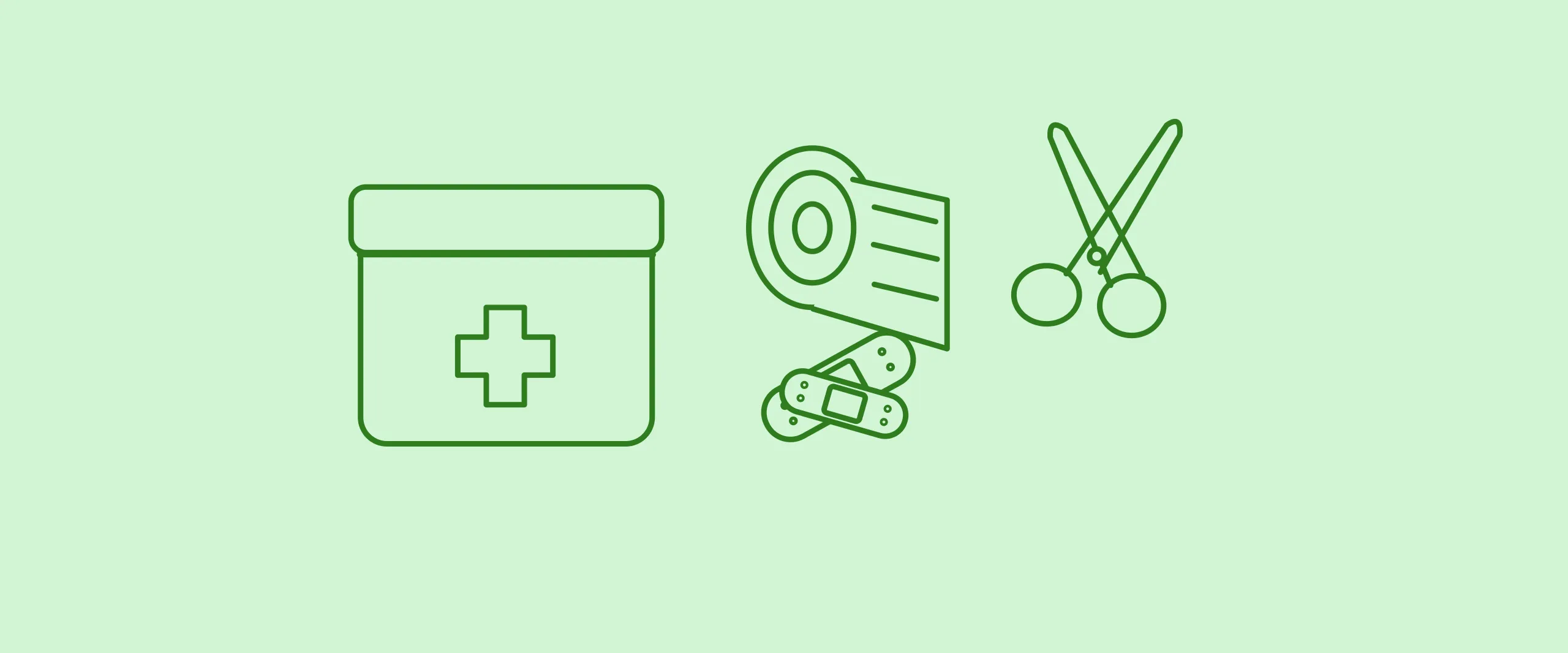
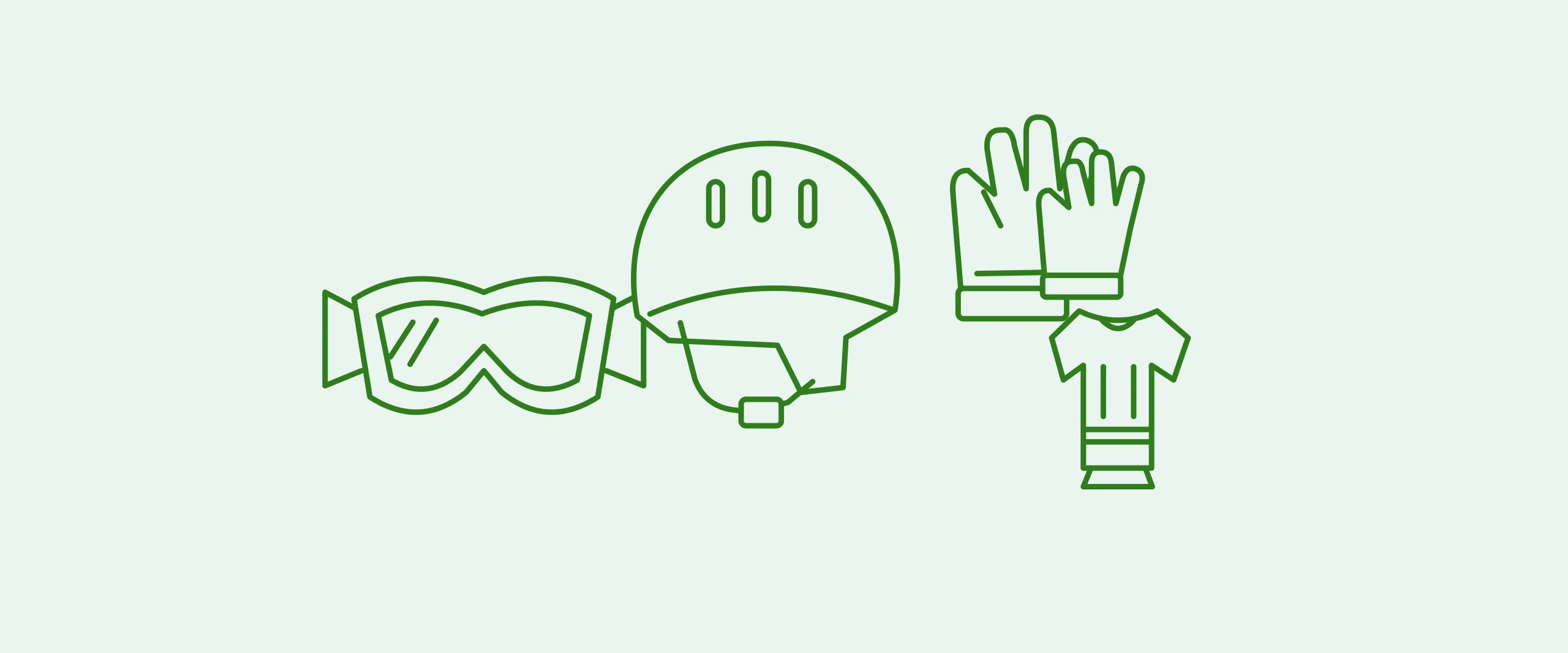
Wound cover. Sterile gauze pads, non-stick pads, self-adhering wrap that sticks to itself rather than to fur, adhesive tape, rolled cotton and a few clean cloth strips. Disposable gloves belong here too, because they are the first thing you reach for and the first thing you forget.
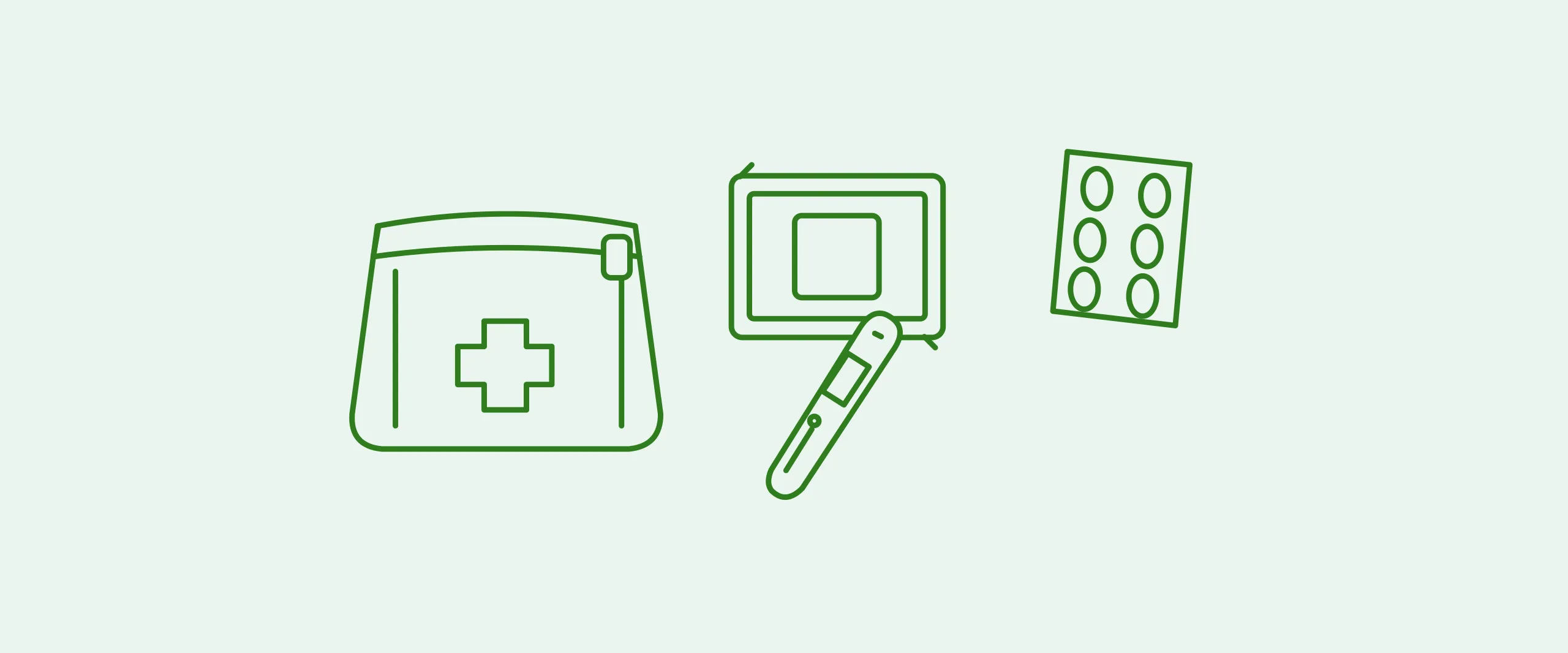
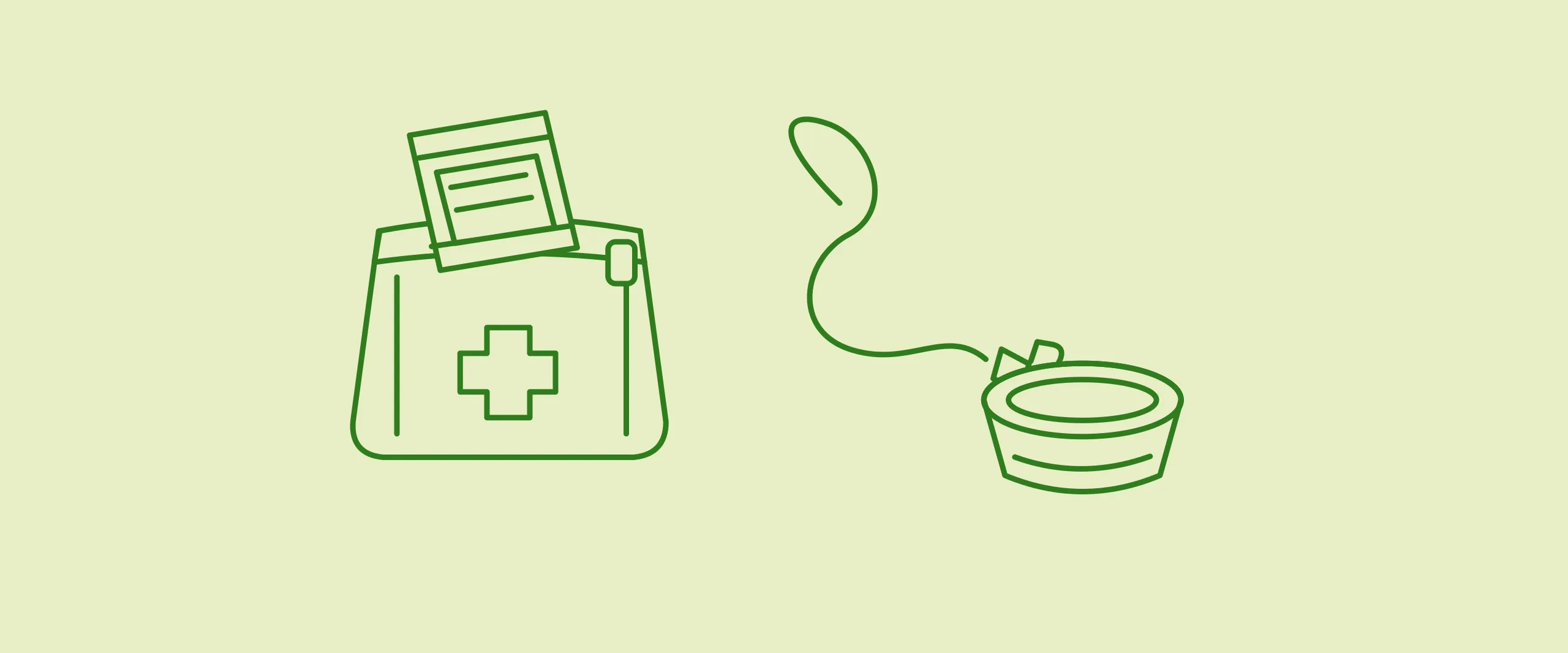
Tools. Blunt-tip scissors for cutting wrap without cutting skin, tweezers, a tick remover, a digital thermometer kept for the dog and nothing else, nail clippers, a penlight and an oral syringe. A magnifying glass sounds fussy right up until you are looking at a paw pad.
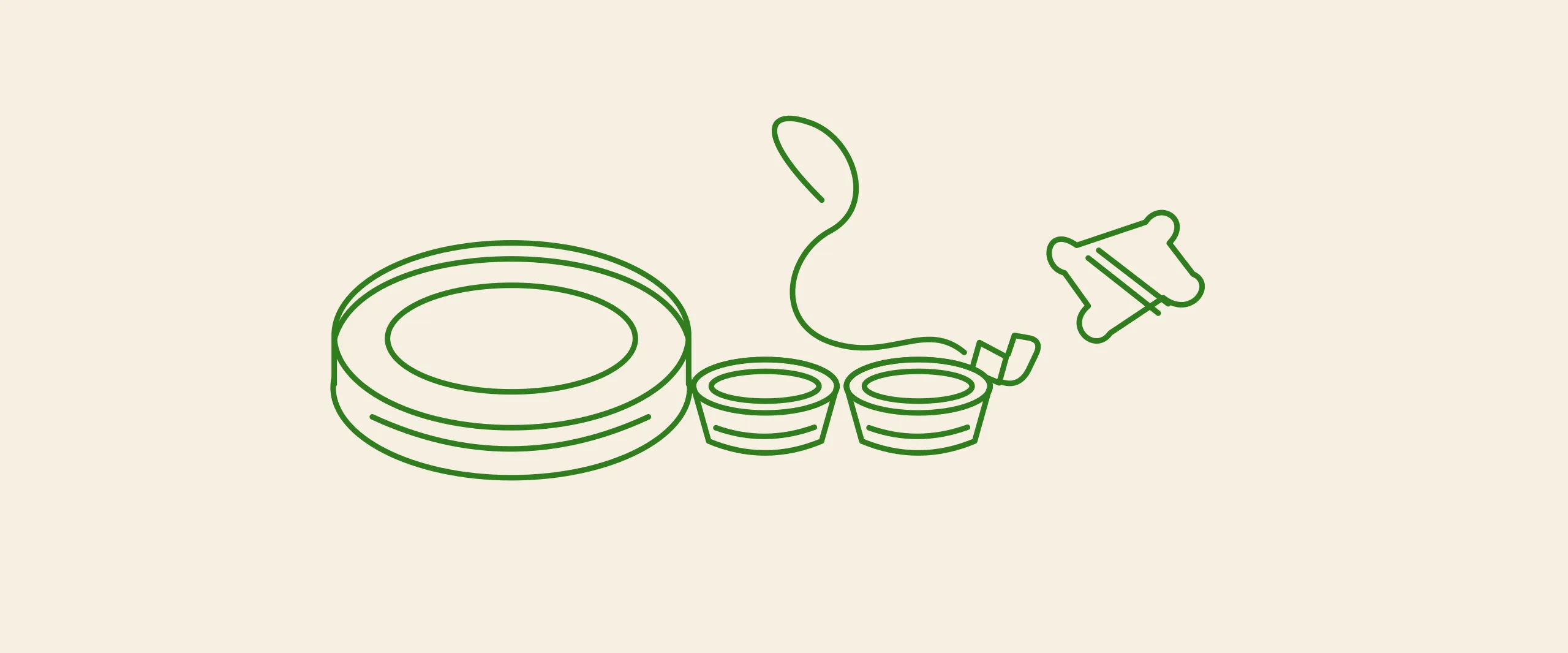
Cleaning. Sterile saline in a bottle you can squeeze, antiseptic wipes, cotton balls, paper towels and resealable bags for whatever needs to go in the trash or go with you to the clinic.
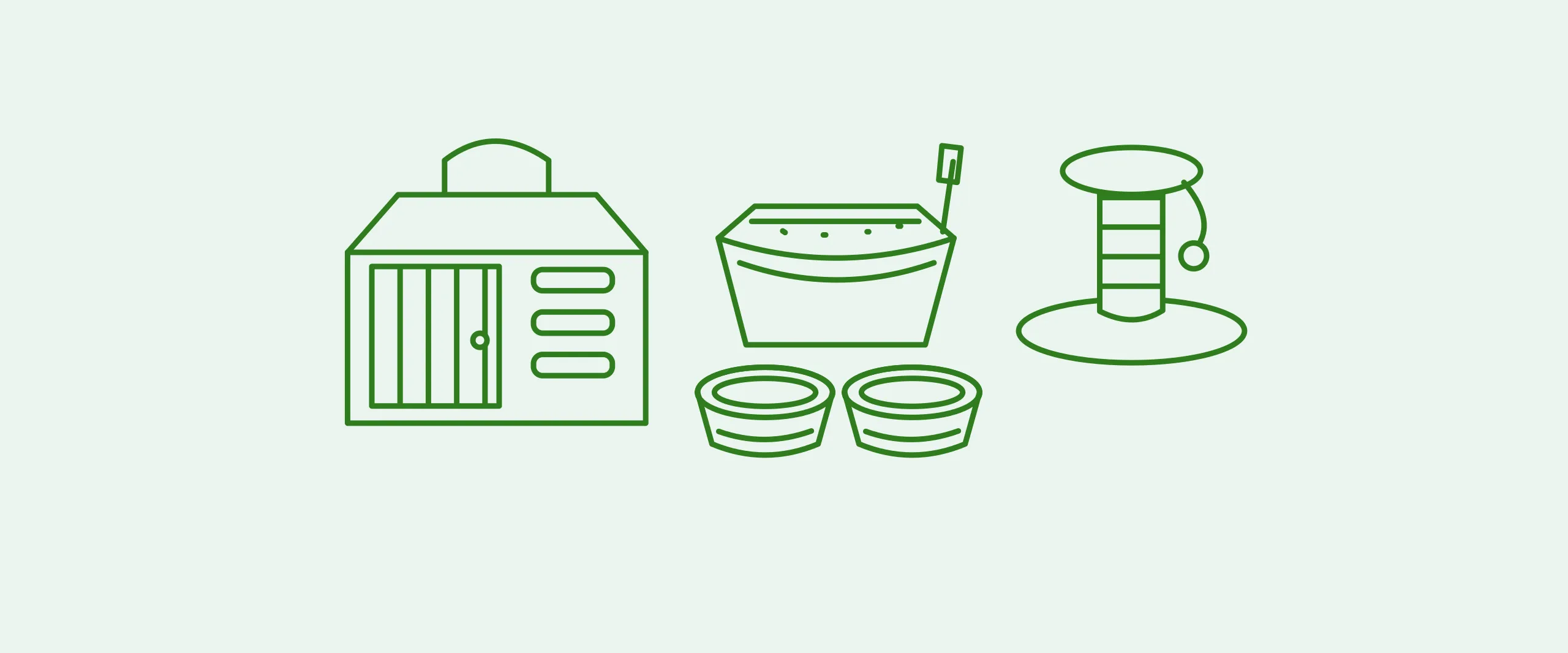
Handling. This is the group people leave out. A dog in pain can snap at the person it loves most, so a soft muzzle that fits, a slip lead, a thick towel and work gloves matter as much as the bandages. An emergency blanket and a spare collar round it out.
Paperwork. Your vet’s number, the address of the nearest emergency clinic, a poison helpline number, vaccination records, a current photo of your dog and a written list of anything they take. Print it. A phone with no battery is a very bad filing cabinet.
Ten things to pack first
If you are building the kit in stages, start with these and add the rest later.
-
 Sterile gauze pads
- Non-stick pads
-
 Self-adhering wrap
-
 Blunt-tip scissors
-
 Tweezers
-
 Tick remover
-
 Sterile saline
-
 Disposable gloves
-
 Soft muzzle
- Vet's phone number
One kit at home, a smaller one in the car
Most of the moments you need this kit happen away from the house. A cut pad on a trail, a bee on a muzzle, a tick after a walk in long grass. That argues for two kits rather than one perfect one.
The home kit is the full box, hard-sided, on a shelf by the door or with the leashes. Mark the outside so anyone in the house can find it, including a sitter who has never been in your hallway before.
The car kit is the short version in a waterproof pouch: gauze, wrap, scissors, tweezers, a tick remover, gloves, a soft muzzle, a slip lead, a towel, a collapsible bowl and bottled water. Add the printed card with the clinic address. If you hike, that pouch is also your pack kit, and the towel can go in the trunk instead.
A third copy of one thing is worth it. Put the vet’s number in your phone, on the card in the box, on the card in the car and on the fridge. It is the single item you will want fastest.
What changes for a cat
A cat first aid kit shares most of its contents with the dog version. The differences are about size and about handling.
Handling is the real split. A frightened cat goes under furniture, not across a field, and a slip lead is no help. A thick towel and a carrier that opens from the top do the work instead, so keep the carrier where you can reach it rather than in the attic.
Sizing is the rest. Smaller gauze pads, a smaller soft muzzle, a narrower wrap. If you have both animals, build one box and add the cat items to it rather than keeping two half-empty kits.
Keeping it ready
A kit nobody checks is a box of expired supplies. Go through it when the seasons change, and again every time you take something out of it. Replace what you opened, bin what has expired, swap the bottled water, update the medication list.
An inventory card taped inside the lid makes that quick. List what is in the box, write the date you last checked it, and you will be able to tell in seconds whether the kit is ready.
Pack it the way you would want to find it. Groups in labeled pouches, the muzzle and lead on top where your hand lands first, the paperwork in the lid. The point of the whole exercise is that on the one day you open this box, you are not reading labels.