 Fruit and vegetables
Most people spend half the day at work, so it’s no surprise that the last thing on their minds is spending ages cooking complicated meals. It’s estimated that people may spend as much as a third of their paycheck on “convenience food” alone, such as takeout or fast-food snacks. This habit encourages obesity and leads to weight gain. So what does a grocery list that works for really busy people look like?
What to buy so you don’t reach for junk food
It’s easy to be tempted to order takeout when there’s nothing at home you can quickly turn into a tasty, filling meal. The secret is to keep ingredients with a long shelf life that you can combine in many ways to make interesting dishes. Also remember that a boring menu is one of the reasons people are so quick to buy ready meals.
A sample grocery list for this includes:
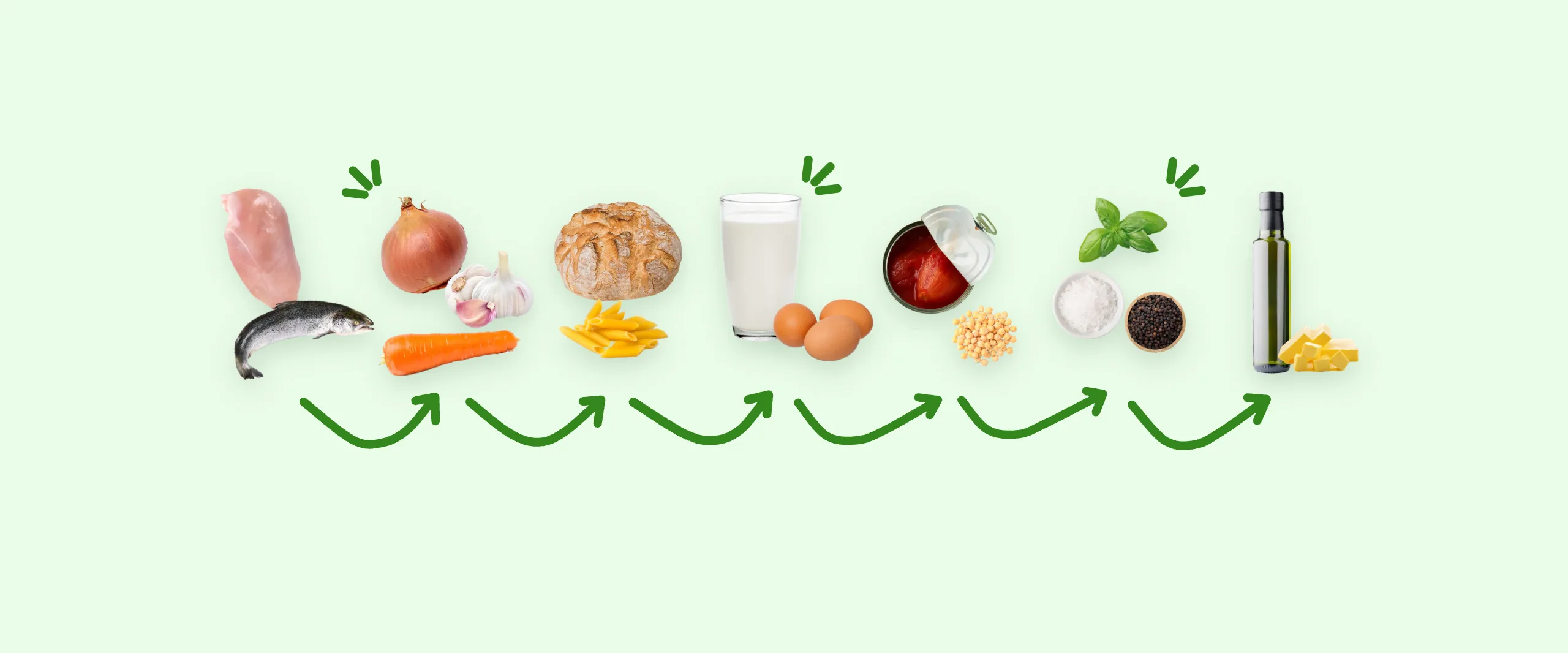
- Hardy vegetables, such as potatoes, carrots and onions, which can be the base for soups or casseroles.
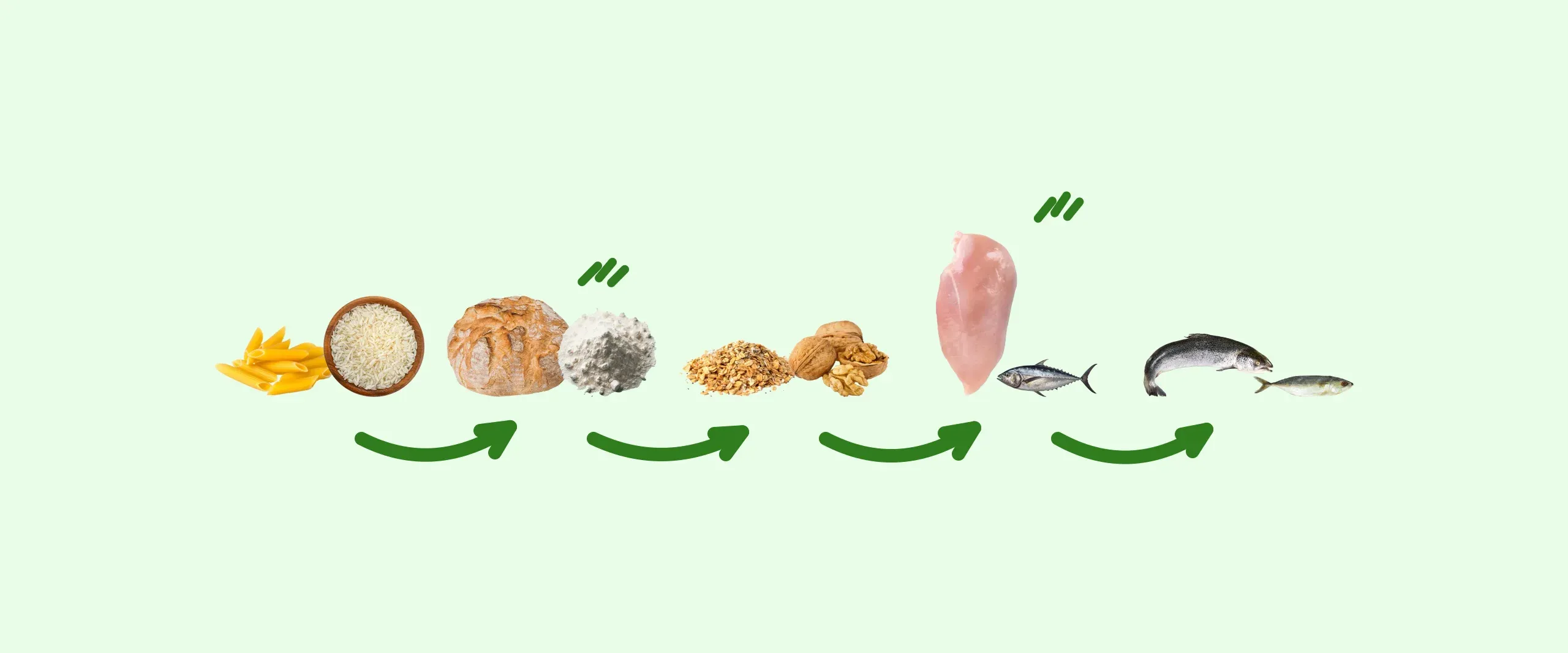
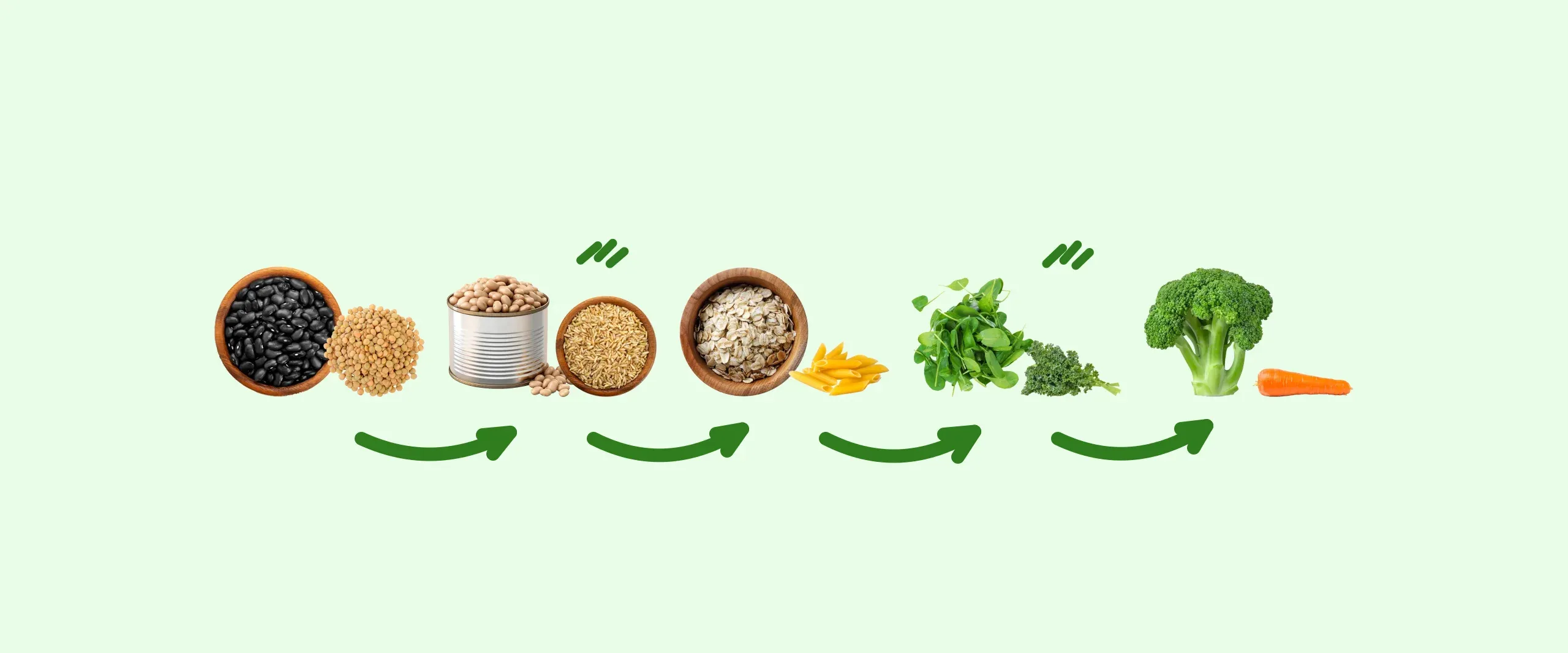
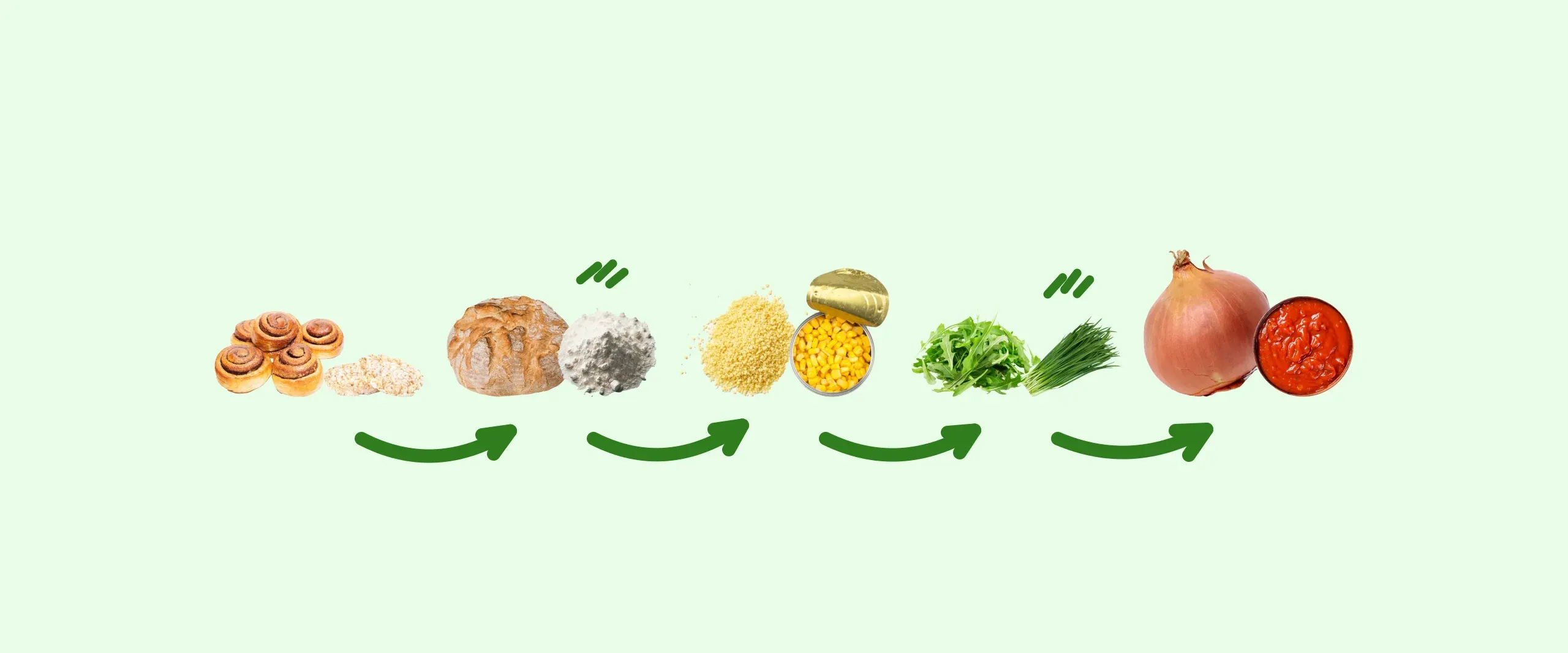
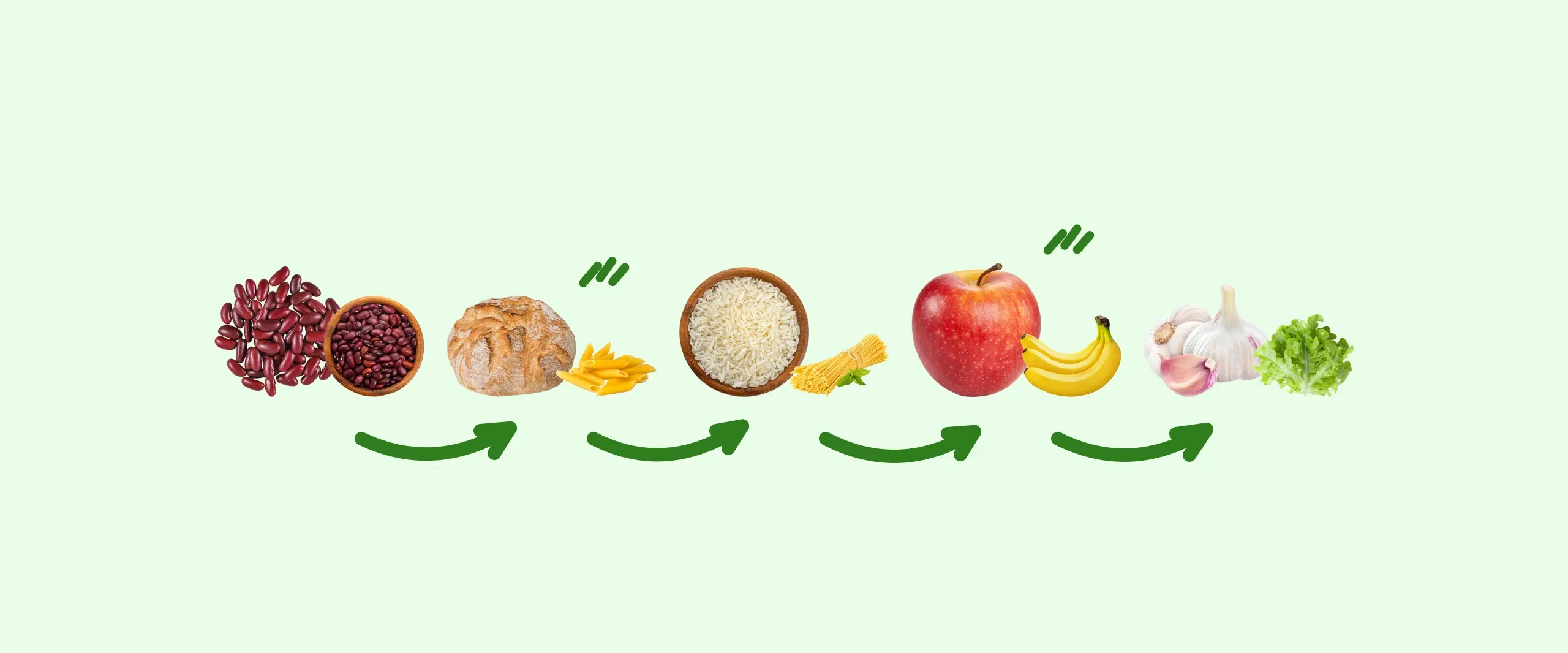
- Flour-based products, including pasta, plus carb sources such as different kinds of rice, rolled oats, buckwheat, lentils and couscous.
- Canned goods, tomato paste and tomato puree. They keep for a very long time, and you can turn them into a healthy spaghetti sauce in moments.
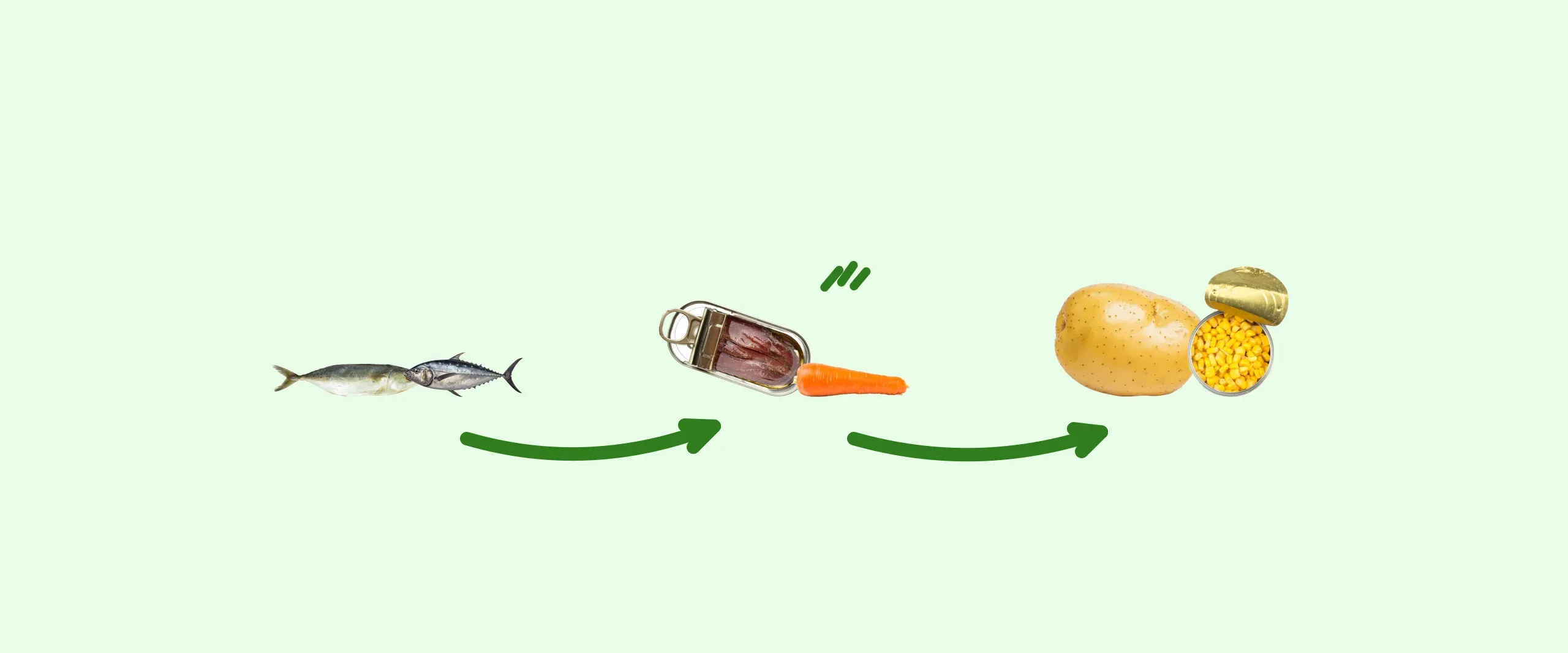
- A backup stock of canned fish, including highly nutritious tuna, salmon and sardines.
- Jarred soups and spreads with a short, clear ingredient list.
- A range of oils and vinegars that boost the flavor of any dish in seconds. Olive oil, sesame oil, balsamic vinegar and wine vinegar are all you need for a quick marinade or salad dressings.
- Dried herbs, including basil, cilantro, mint, thyme, oregano and smoked paprika.
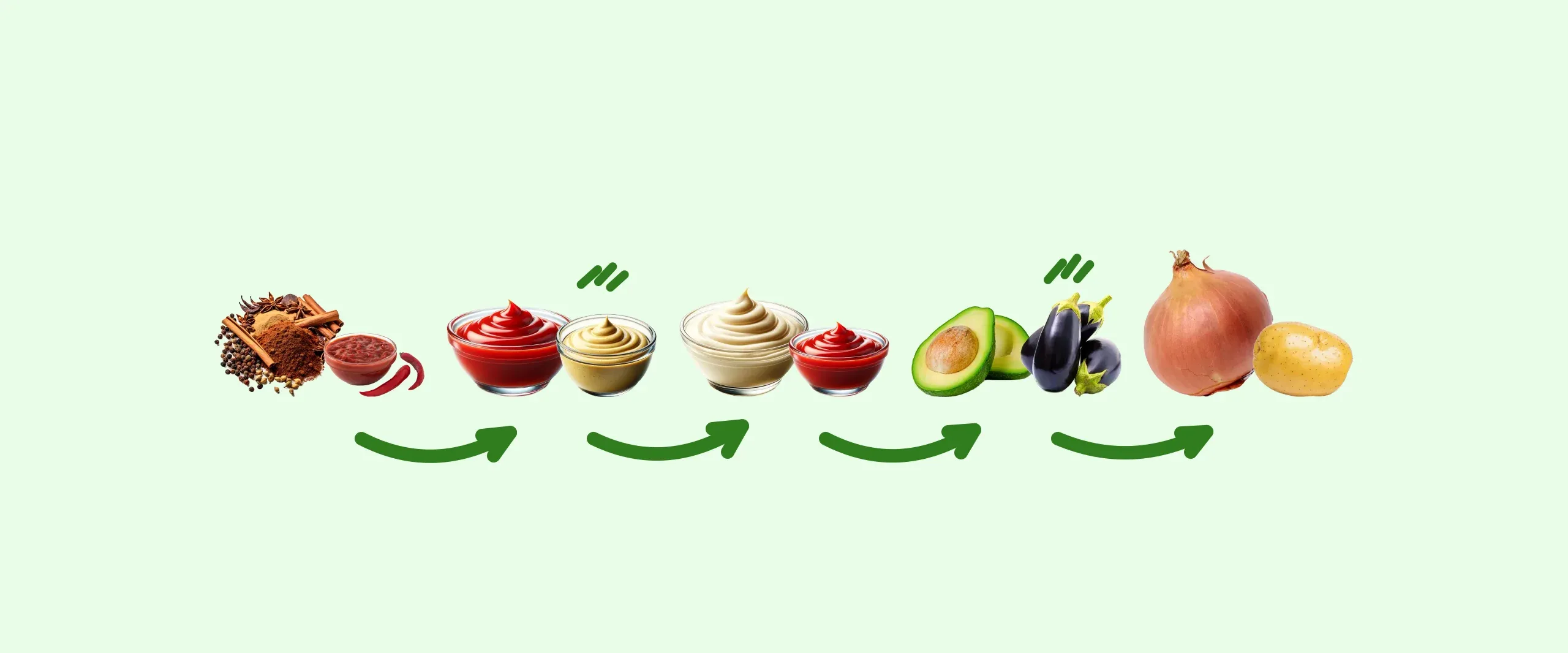
- Flavorful condiments, including tomato sauce, mustard, mayonnaise, bouillon cubes, soy sauce and chili sauce.
- Different kinds of nuts, which make a great alternative to unhealthy snacks.
What to buy monthly, what to buy weekly and what to skip
Split the list in two and shop it on two clocks. Everything shelf-stable (the grains, the cans, the bottles, the dried herbs) is a once-a-month trip. Buy it in quantity, put it away and stop thinking about it. None of it will spoil while you work late.
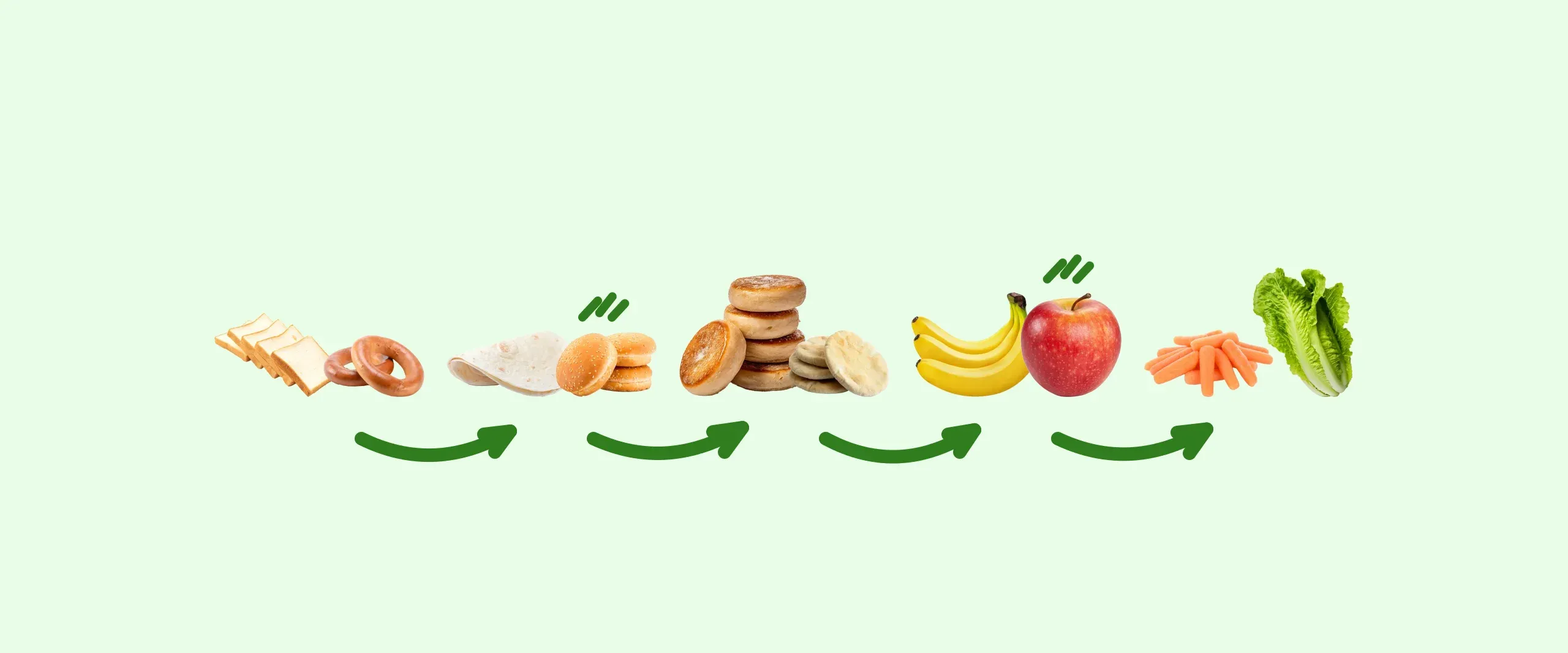
The fresh half is a weekly job and it should be short: chicken breast, yogurt, bread, lemons. Onions, carrots and potatoes go in a cool, dark cupboard, where they wait for you instead of wilting.
Then there’s the group nobody writes down, the one to stop buying. Bagged salad, soft fruit, a bunch of fresh herbs bought for a single recipe. You buy these with good intentions on Sunday and throw them out on Friday. UK households threw away 6.0 million tonnes of food and drink in 2022, 4.4 million tonnes of it still edible, and fresh produce was the most wasted category of all (WRAP, Household Food and Drink Waste in the UK 2022).
Buy frozen instead, and don’t feel you’re settling for less. Testing eight fruits and vegetables, researchers found vitamin levels in the frozen versions were comparable to the fresh ones and sometimes higher, though beta carotene came out lower in a few of them (Bouzari, Holstege and Barrett, Journal of Agricultural and Food Chemistry, 2015).
The freezer is a busy person’s best ally
When you really don’t have the energy or the desire to stand at the stove for even half an hour, frozen meals of all kinds come to the rescue.
The best ones are those you make yourself, because then you’re in full control of the ingredients, the amount of fat and any unnecessary fillers.
Cooking large batches at once is a good option for busy people. A whole pot of sauce is enough for at least 5 dinners, but that doesn’t mean you have to eat nothing else for that time. You can always divide the extra into smaller portions, freeze them and pull them out in a pinch. The same works for soups, spreads, baked vegetable pâtés and cooked legumes. They won’t lose their nutrients or texture in the freezer, and they’ll always be on hand.
You can also keep rye bread in the freezer, and even cooked pasta or rice. All this means that spending a bit of free time on one day is enough to have meals ready for the whole week. It’s also a way to cut your grocery bills.
The 10 essentials on this list
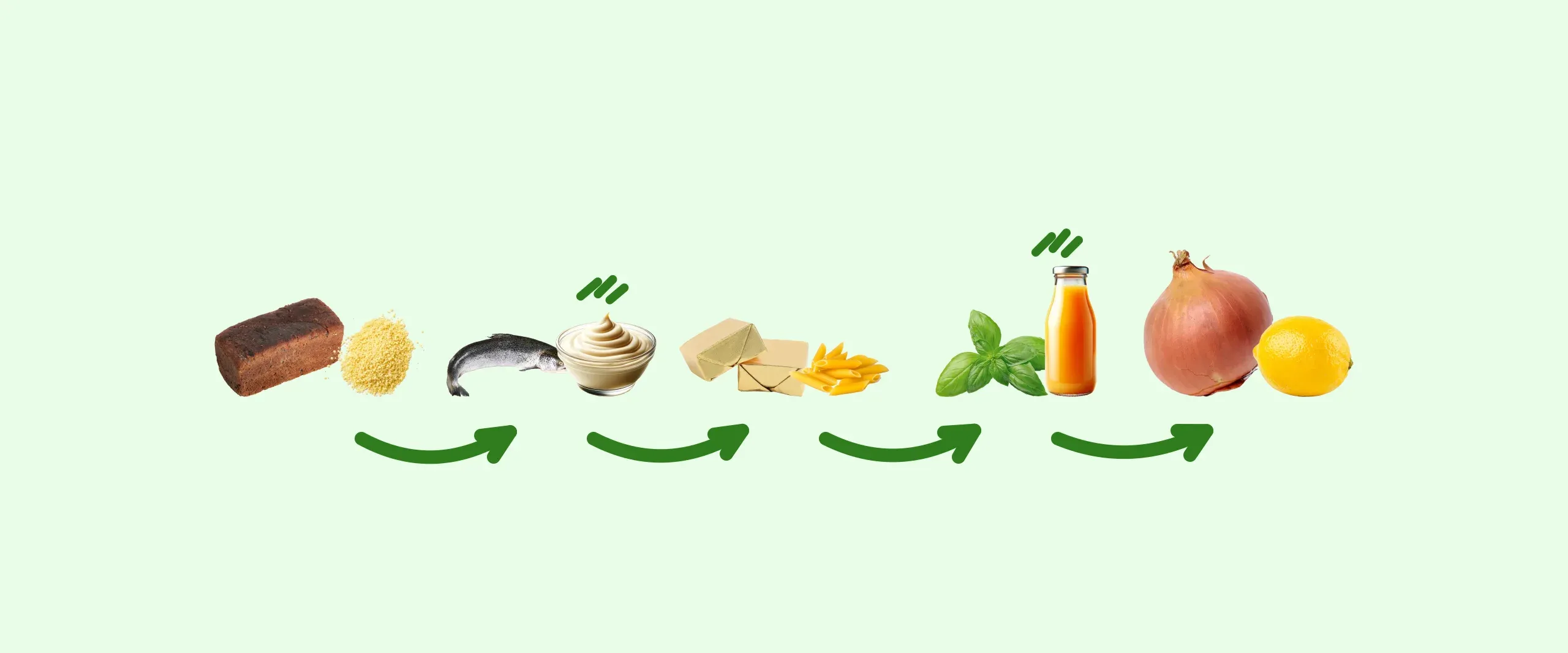
The products on this list that have a page of their own. Open any of them for its calories, its protein and how to keep it.
-
 Rye bread 250 kcal
-
 Couscous 376 kcal
-
 Salmon 208 kcal
-
 Mayonnaise 680 kcal
-
 Bouillon cubes 198 kcal
-
 Pasta 131 kcal
-
 Basil 23 kcal
-
 Juice 45 kcal
-
 Onion 40 kcal
-
 Lemon 29 kcal
One pot, three or four different dinners
Cook a base, not a dish. A pot of tomato sauce, a pot of lentils or a tray of chicken breast is an ingredient, and what you put around it decides whether Thursday tastes like Monday.
Change three things and the same pot reads as a different meal: the carb underneath it, the fat you finish it with and the sharp thing on top. Sauce over pasta with shredded cheese on Monday. The same sauce over couscous on Tuesday, with olive oil and a squeeze of lemon. On Wednesday thin it with a bouillon cube and a handful of lentils and it’s soup. On Thursday it goes on rye toast under a spoon of plain yogurt. Sesame oil and soy sauce send it somewhere else again.
Portion it on the night you cook it, not the night you eat it. Package warm food into several clean, shallow containers and get them into the fridge within 2 hours (CDC, preventing food poisoning), because one deep pot cools too slowly. Eat what’s in the fridge within 3 to 4 days and freeze the rest, which holds for 3 to 4 months (USDA’s FoodSafety.gov on leftovers). Britain’s Food Standards Agency sets a tighter clock: into the fridge within 1 to 2 hours, eaten within 48 hours and reheated only once (FSA food safety guide).
Cooked rice is the exception. The same guide says to keep it in the fridge for no more than one day, so a big batch belongs in the freezer.
Dinner in 15 minutes, when nothing is planned
Put the water on before you decide what you’re making. The pot takes longer to boil than anything else takes to prepare, so it buys you the thinking time. Couscous skips even that: boiling water and a lid.
Hold a few things back for these nights and don’t cook them into anything else: the pasta, the couscous, a can of fish, a jar of sauce. Raid that group on an ordinary Tuesday and it won’t be there when you need it.
Then work in order. Water on. Open the can and the jar. Chop the onion and garlic while the water heats. Tip frozen vegetables into the pasta water for the last few minutes, so nothing waits to defrost and there’s no second pan. Drain, combine, then finish with fat and acid: olive oil and lemon juice, or sesame oil and a splash of vinegar. That last step is what separates a plate of pasta from a meal.
Canned fish earns its space twice over. The NHS asks adults for at least 2 portions of fish a week, one oily, and counts canned sardines and canned salmon as oily, but not canned tuna (NHS guidance on fish and shellfish). In the US the Dietary Guidelines ask for at least 8 ounces of seafood a week, with canned light tuna, salmon and sardines among the FDA’s best choices (FDA advice about eating fish).
The list for busy people isn’t complicated, yet it lets you make plenty of tasty, healthy and filling dishes.