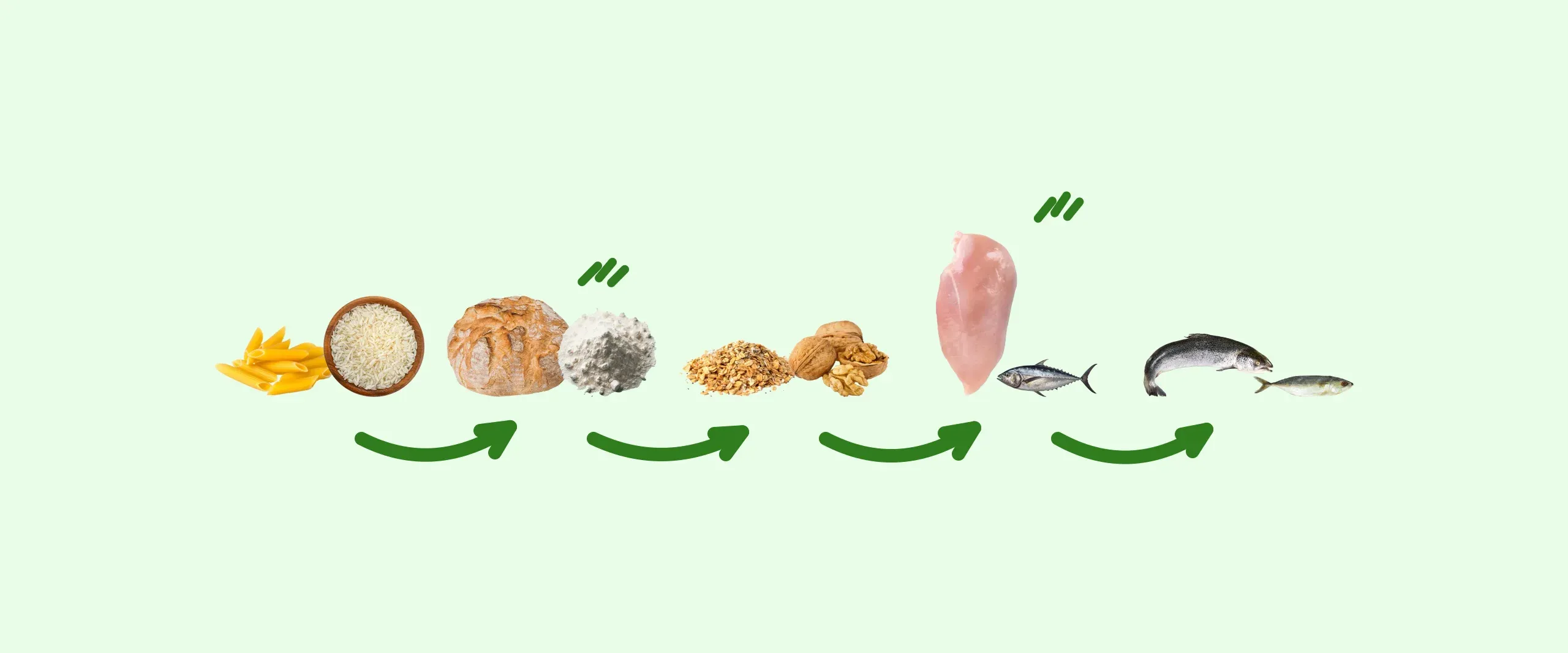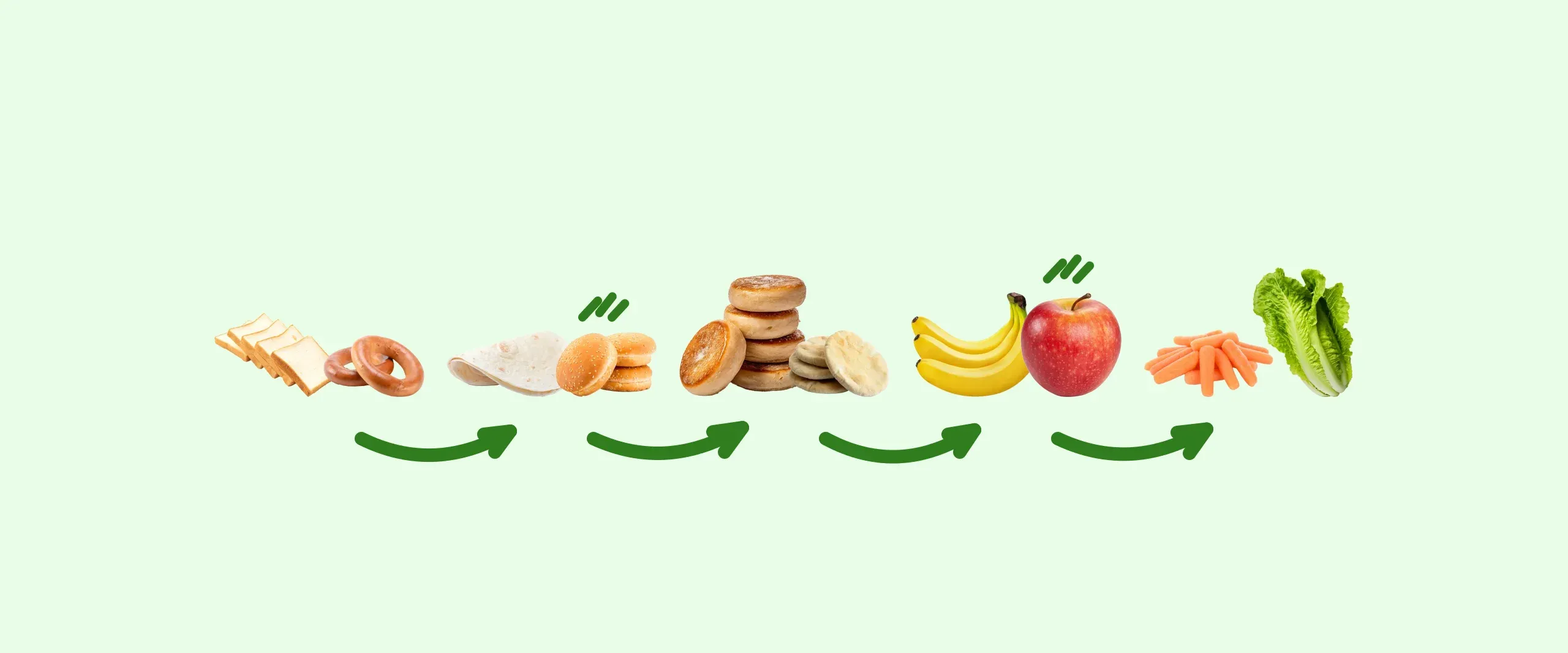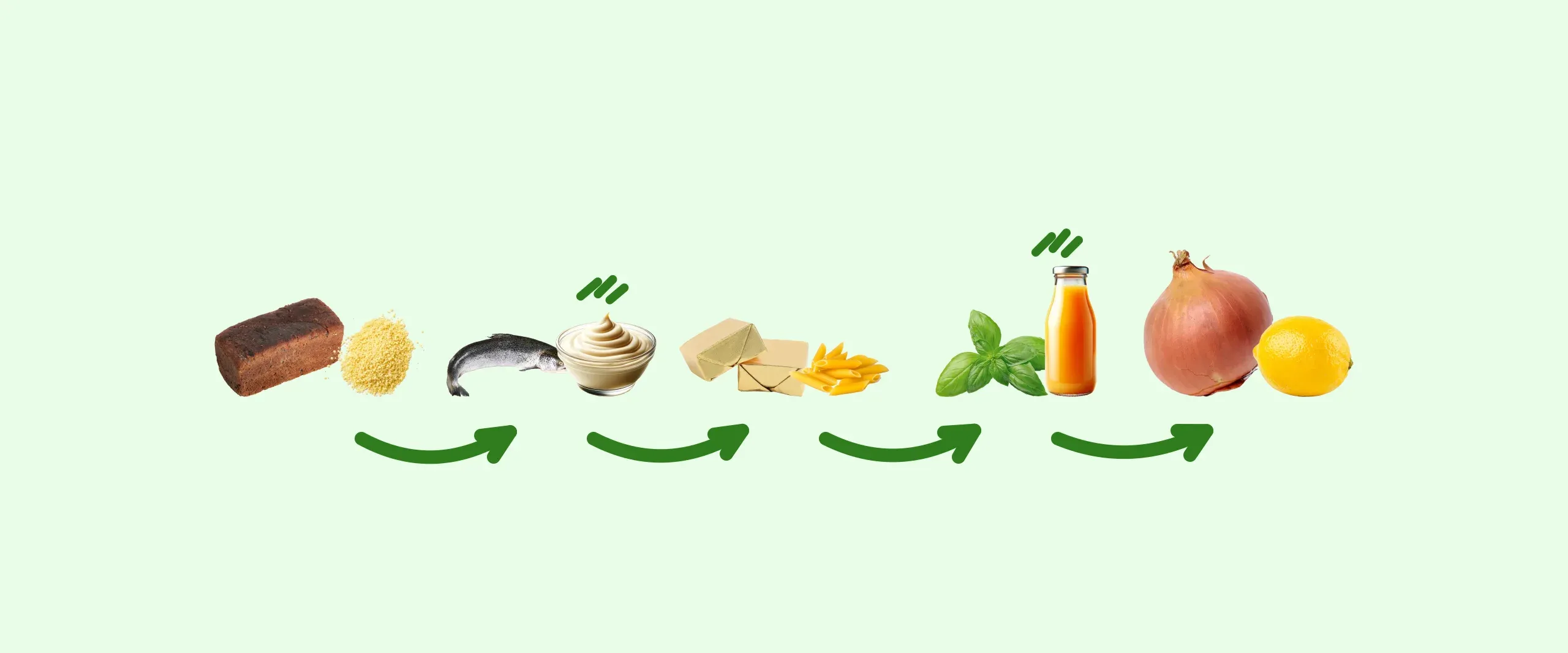
 Breads and grains
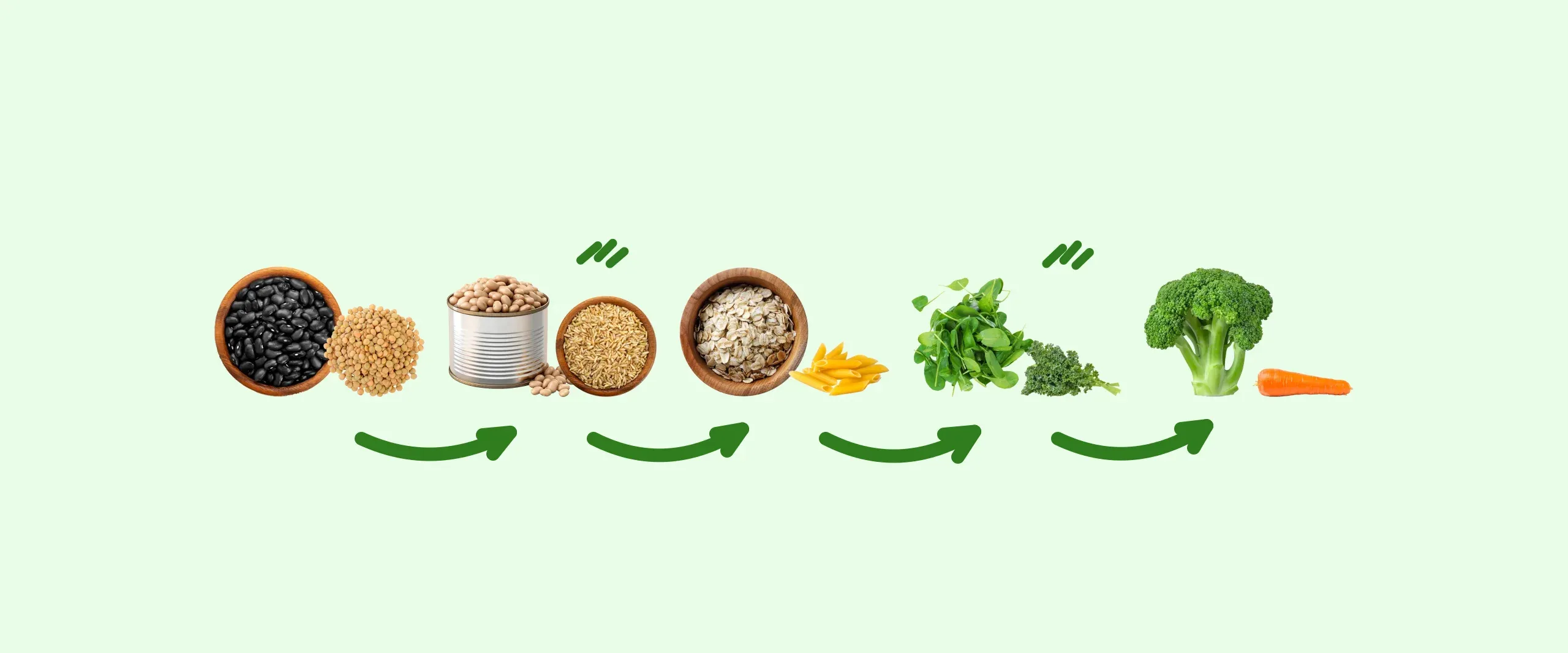
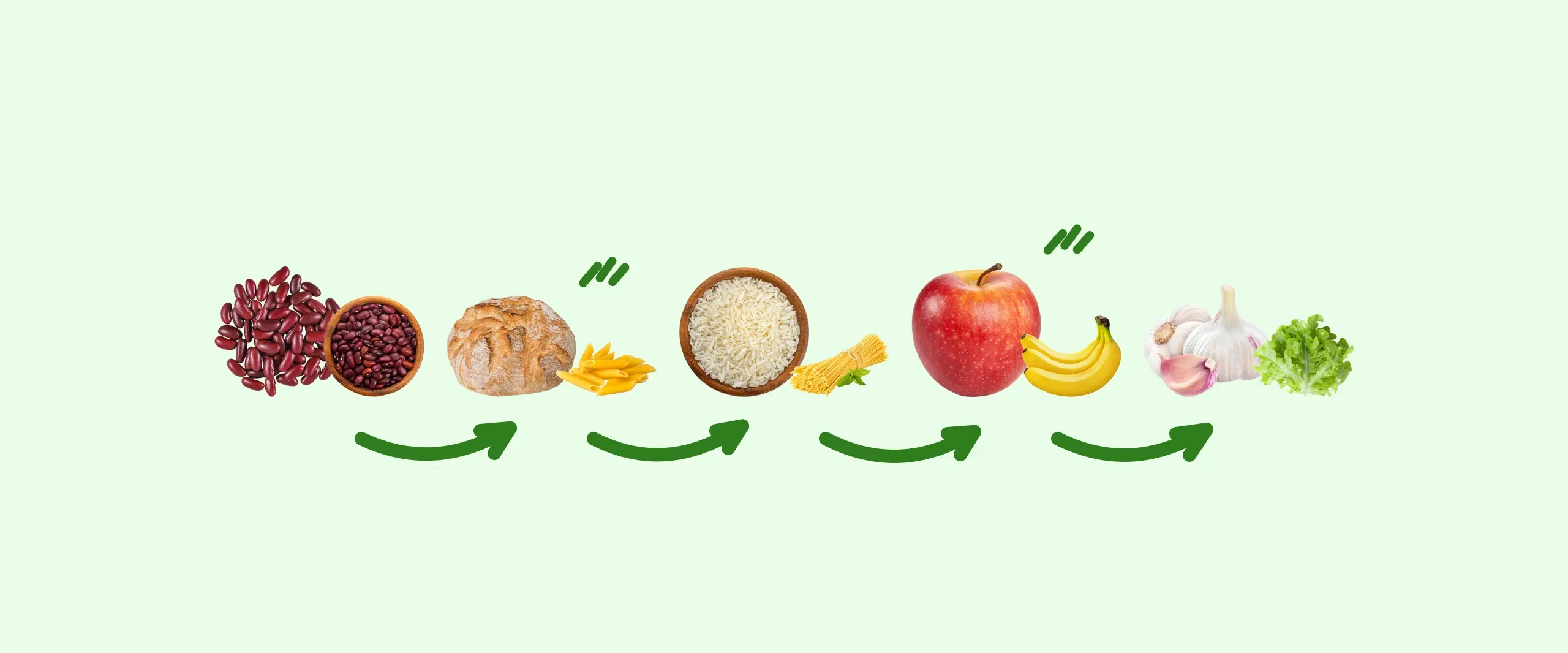
 Vegetables
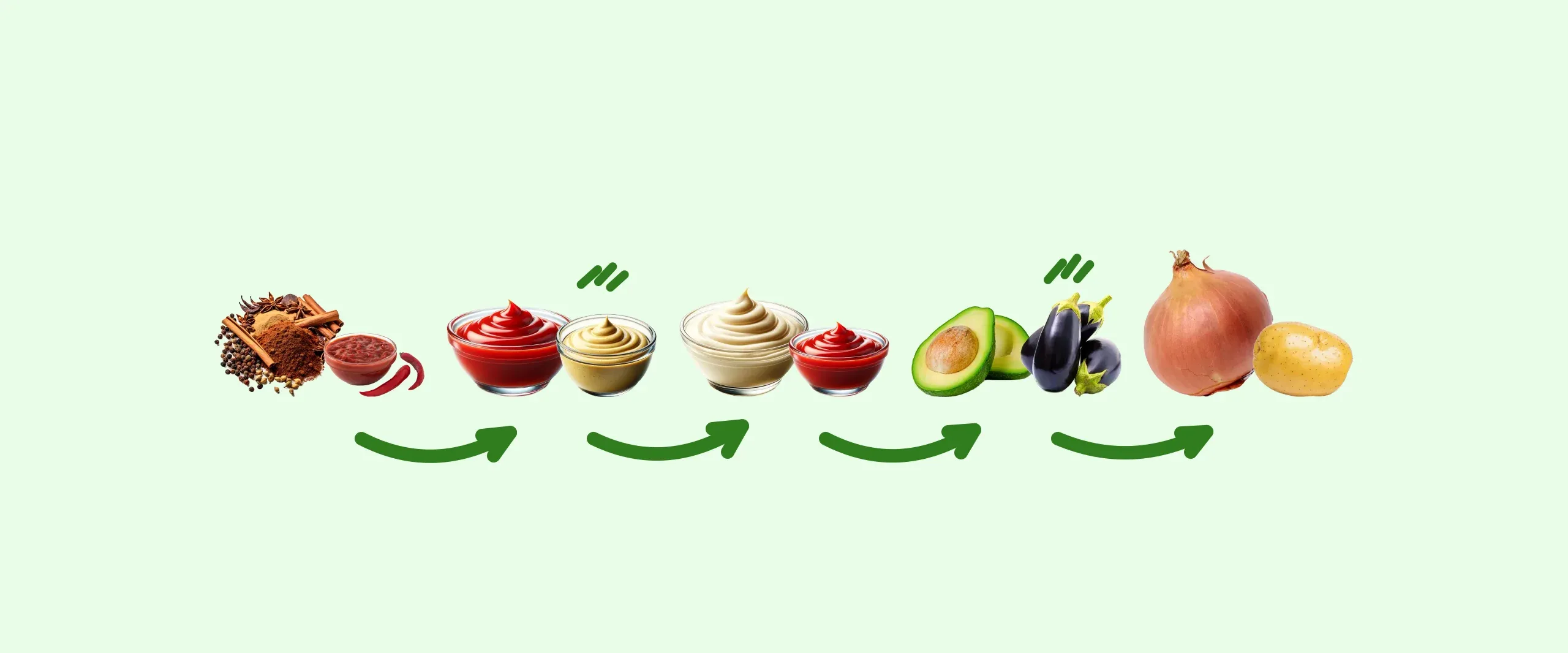
 Spices
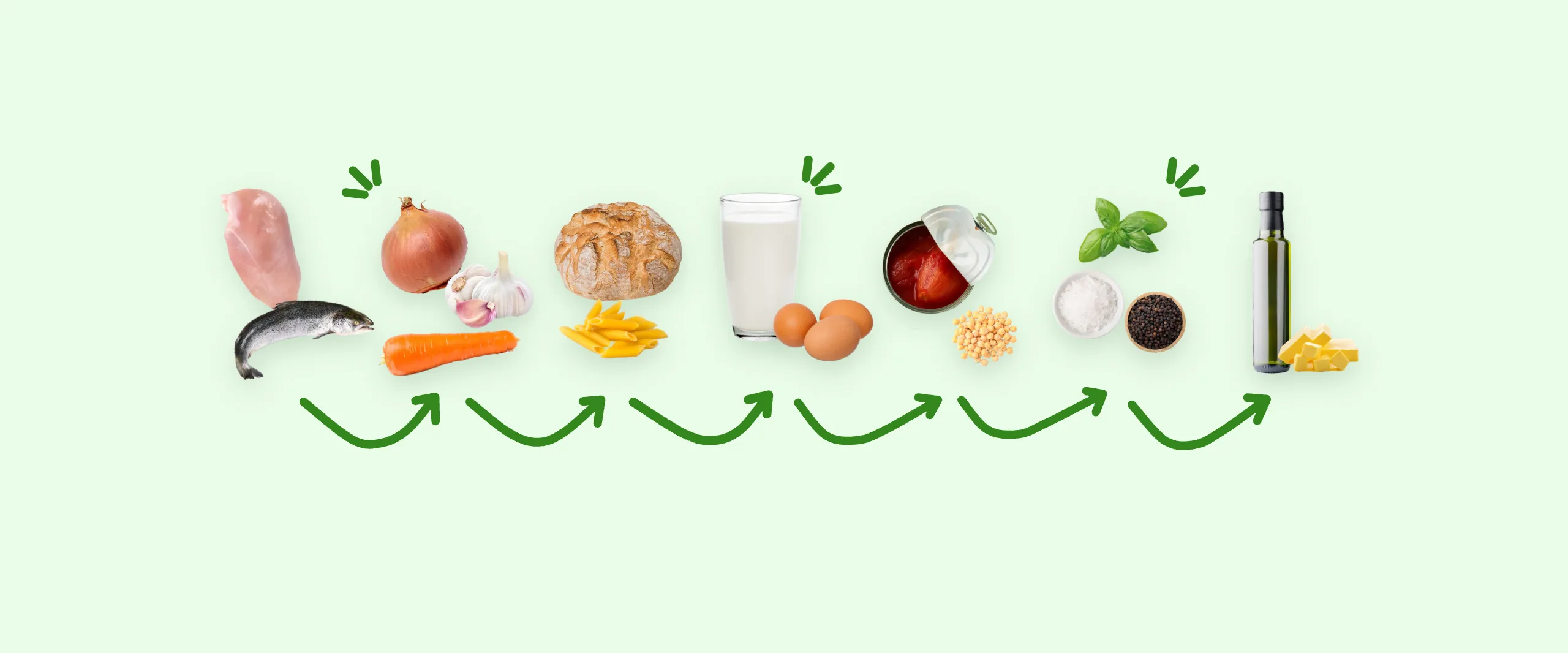
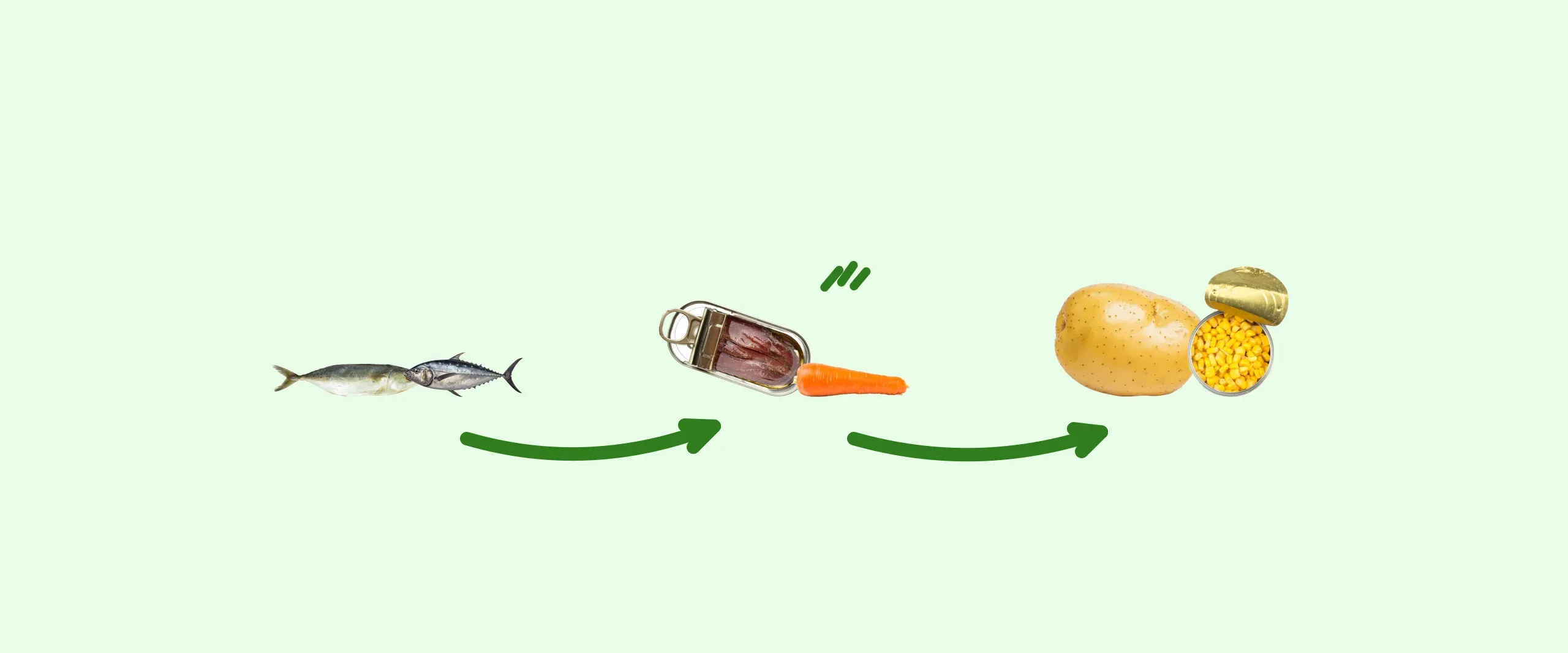
 Meat and other animal products
Planning meals for the whole family can be a challenge, especially when you have little time to cook. A grocery list that lets you make dishes that are not only tasty but healthy too can save you hours and help you stick to a consistent schedule.
Suggested foods and their nutritional value
When you put together a weekly meal plan, balance lean meat, fish, dairy and plant foods, along with carbs and healthy fats, including the most important kind, omega-3s. The ingredients in the recipes need to be rich in the minerals that are key to growth and development, such as iron, zinc and calcium, plus nutrients often missing from our modern diets, like vitamin D and selenium.
The 10 essentials on this list
The products on this list that have a page of their own. Open any of them for its calories, its protein and how to keep it.
-
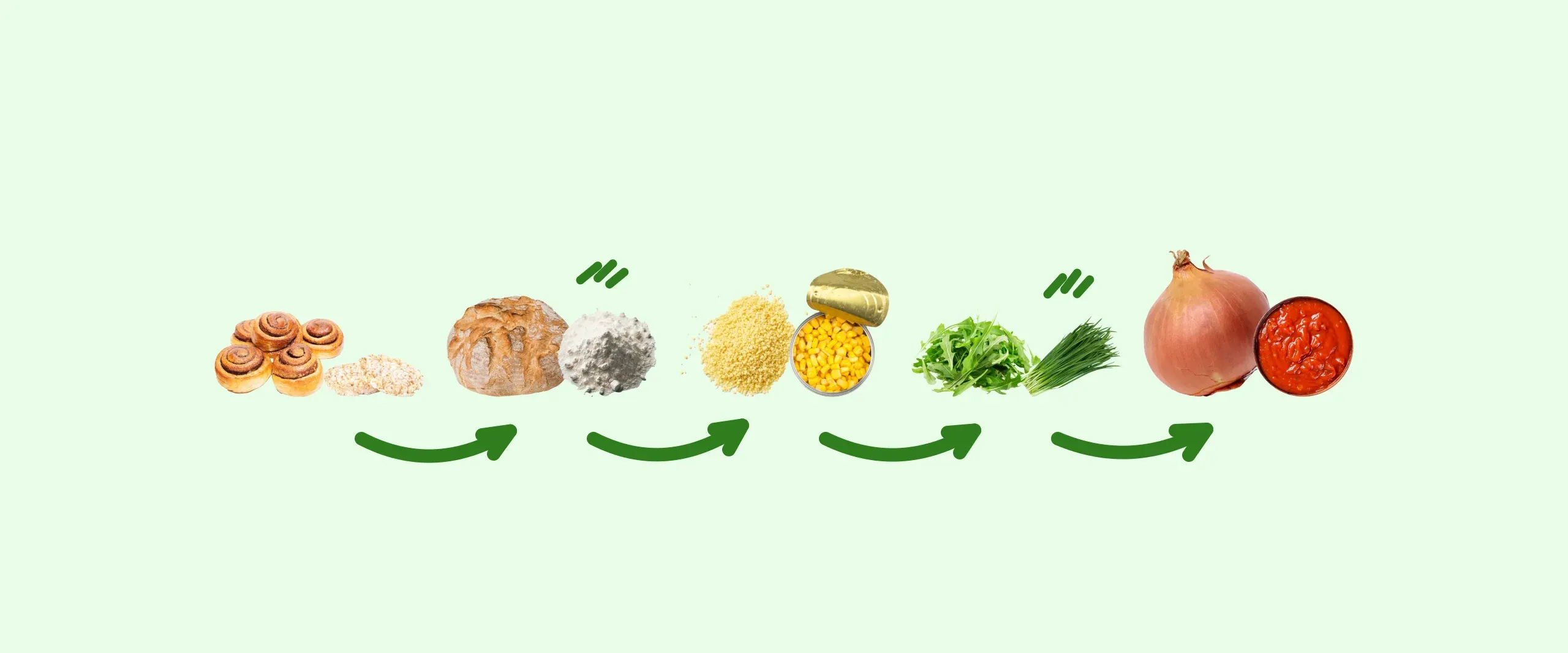
 Rolls 310 kcal
-
 Rice cakes 387 kcal
-
 Bread 265 kcal
-
 Flour 364 kcal
-
 Couscous 376 kcal
-
 Canned corn 119 kcal
-
 Arugula 25 kcal
-
 Chives 30 kcal
-
 Onion 40 kcal
-
 Tomato puree 38 kcal
Sample weekly meal plan with grocery list
Monday
Breakfast: oatmeal made with plant milk and fruit
Oatmeal takes just a few minutes to make, and cooking it with plant milk gets around lactose intolerance, which many adults have. You can add raisins or pieces of apple, banana or kiwi.
Lunch: chicken fried rice
Adding sweeter vegetables such as corn to the rice makes the dish a hit with kids’ taste buds. Chicken is a good source of the amino acid tryptophan, so having chicken in the evening helps raise your serotonin levels.
Afternoon snack: frozen strawberry mousse
A weekly meal plan isn’t complete without snacks. Just blend a handful of frozen strawberries to get a healthy, nourishing ice cream. You can add plant milk, yogurt or sugar to boost the flavor.
Dinner: arugula salad
Before bed, it’s worth choosing foods that are easy to digest and don’t raise your blood sugar. All kinds of light salads work great: arugula with tomatoes, olives or feta and a splash of vinegar is a perfect combination.
Tuesday
Breakfast: scrambled eggs or tofu scramble with chives
Tofu is a great substitute for animal products because it’s similarly nutritious. If you don’t want to give up eggs, though, go for eggs from organic farms. They’re free of antibiotics and other harmful compounds.
Lunch: fish balls
Fatty fish, including salmon, trout, mackerel and sardines, are rich in omega-3s, fats that support healthy brain function and hormone balance. They’re especially important in a child’s diet, which is why fish has to be on the weekly meal plan.
Afternoon snack: rice cakes with fruit puree
Rice cakes are a good substitute for bread, with fewer calories and more nutrients.
Dinner: chickpea and rice salad
Chickpeas have a similar amount of protein to white chicken meat. They need to be prepared properly so they don’t cause stomach trouble, though, which is why canned chickpeas are the safest option.
Wednesday
Breakfast: multigrain toast with farmer’s cheese and banana
A weekly meal plan with a grocery list should include plenty of good-quality bread. It gives you the energy and fiber you need, and the fiber speeds up your metabolism.
Lunch: homemade tomato sauce with brown rice or pasta
Canned tomatoes, corn, carrots, beans, chickpeas or ground meat all work perfectly in the sauce. Seasoned with oregano, basil and marjoram, it’s something adults and kids alike will happily dig into.
Afternoon snack: rice porridge with fruit syrup
You can buy it ready-made, but making the porridge yourself is cheaper. All you need is rice flour, which you’ll find in any larger store.
Dinner: roasted sweet potatoes with herbs
Sweet potatoes are the perfect way to end the day. They need 25 minutes in the oven to turn soft and delicious. You can top them with a slice of cheese or ham, or just sprinkle them with herbs.
Thursday
Breakfast: sourdough bread with a fried egg
Good-quality bread has all the nutrients you need and also speeds up digestion.
Lunch: chicken, arugula and leek risotto
A traditional dish that’s very quick to make, and you can add any herbs you like.
Afternoon snack: homemade popcorn
It isn’t the healthiest option, but it’s a much better choice than other popular salty snacks.
Dinner: shrimp with crusty bread
Seafood is worth reaching for, since it lets you discover less familiar flavors.
Friday
Breakfast: nori wraps
Nori sheets make wraps that are really easy to take with you. The filling should include moist ingredients, such as cucumber, feta or olives.
Lunch: steamed vegetables with couscous
Couscous soaks up the aroma of spices, so you can pour a rich vegetable broth over it to boost its flavor.
Afternoon snack: banana muffins
Bananas are a great substitute for eggs, and thanks to them you don’t need to sweeten the baked goods with sugar.
Dinner: fish sticks
If you go for a store-bought product, make sure it contains at least 70% fish.
Saturday
Breakfast: multigrain roll with peanut butter and jam
When you create your own weekly meal plan with a grocery list, take inspiration from traditional, popular dishes. An upgraded take on the American classic is a perfect way to start the day.
Lunch: turkey breast burgers with dried apricots
The sweetness of the apricots brings out the flavor of the meat while adding fiber and iron. Turkey breast is a lean meat that provides selenium and B vitamins.
Afternoon snack: aquafaba meringues
Time to use the liquid from the canned chickpeas left over from the earlier salad. Aquafaba has the same properties as egg whites, so you can easily whip it into sweet meringues.
Dinner: hummus with vegetables
Carrots, celery and parsley root cut into sticks go great with hummus.
Sunday
Breakfast: eggs Benedict and a farmer’s cheese and radish sandwich
Making eggs this way may seem tricky, but a little practice is all it takes before they come out perfect.
Lunch: lentil pâté
Lentils are an excellent source of minerals, including iron. Eaten with foods rich in vitamin C, such as bell peppers, they help your body absorb this valuable mineral better.
Afternoon snack: fruit gelatin
Go for fruit that’s in season right now.
Dinner: stuffed mushrooms
End the weekly meal plan with something incredibly tasty and simple to make. Just clean larger mushroom caps, sauté them in a little oil with spices, then top them with your favorite filling, such as chickpea spread or a tomato, fish and rice spread (paprykarz).