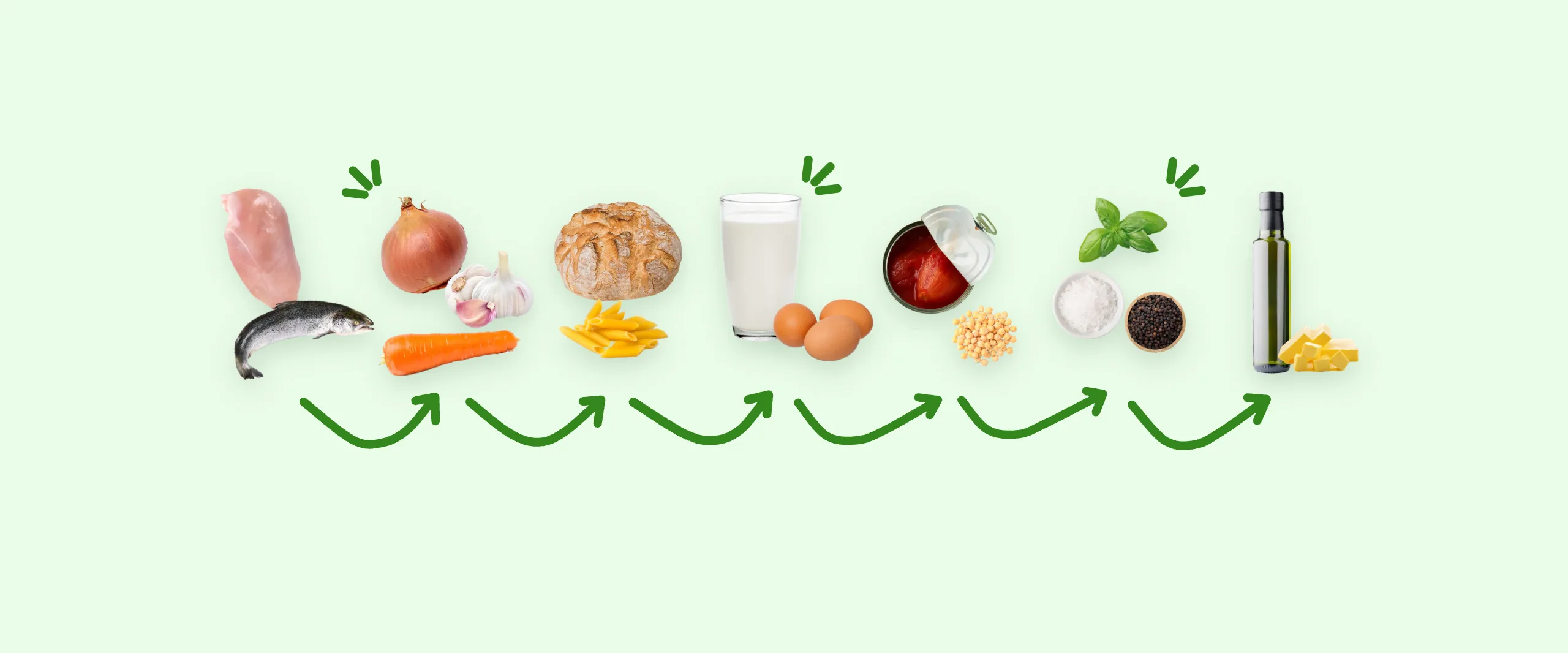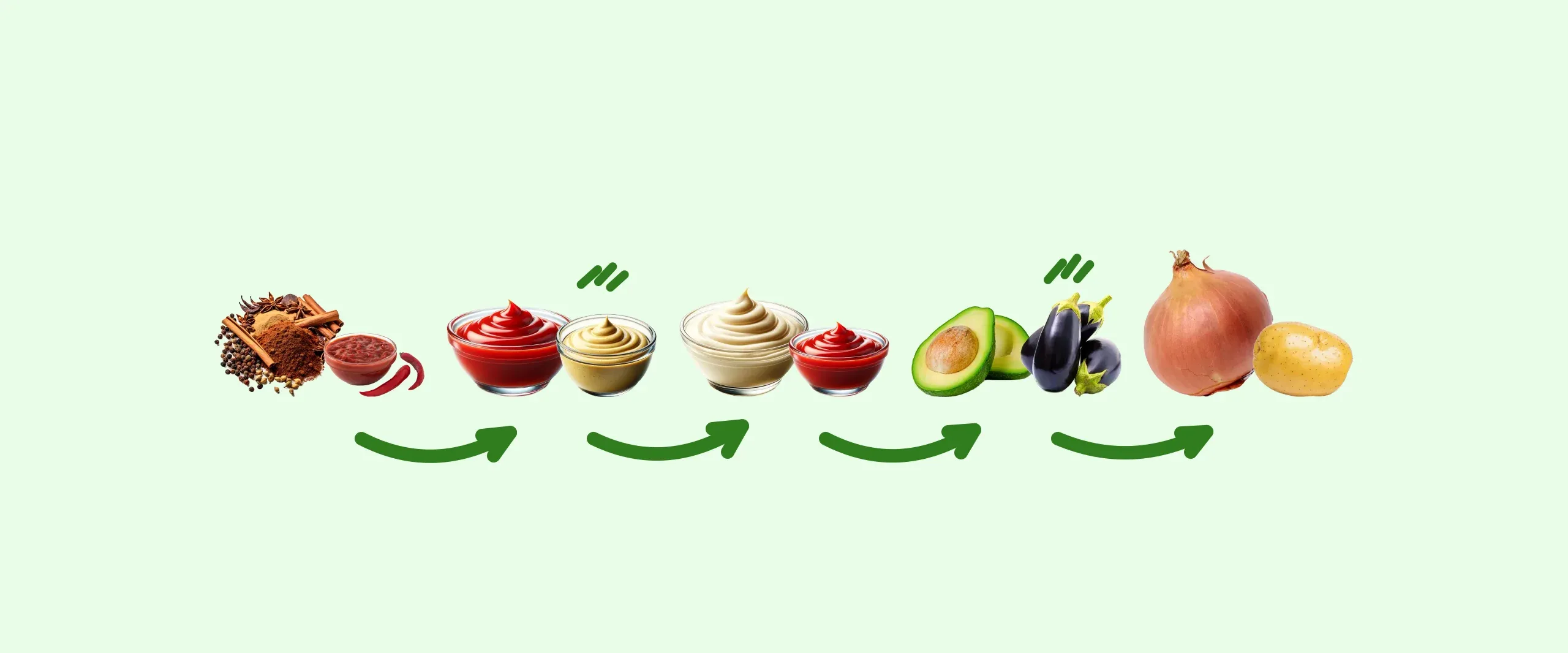
 Vegetables
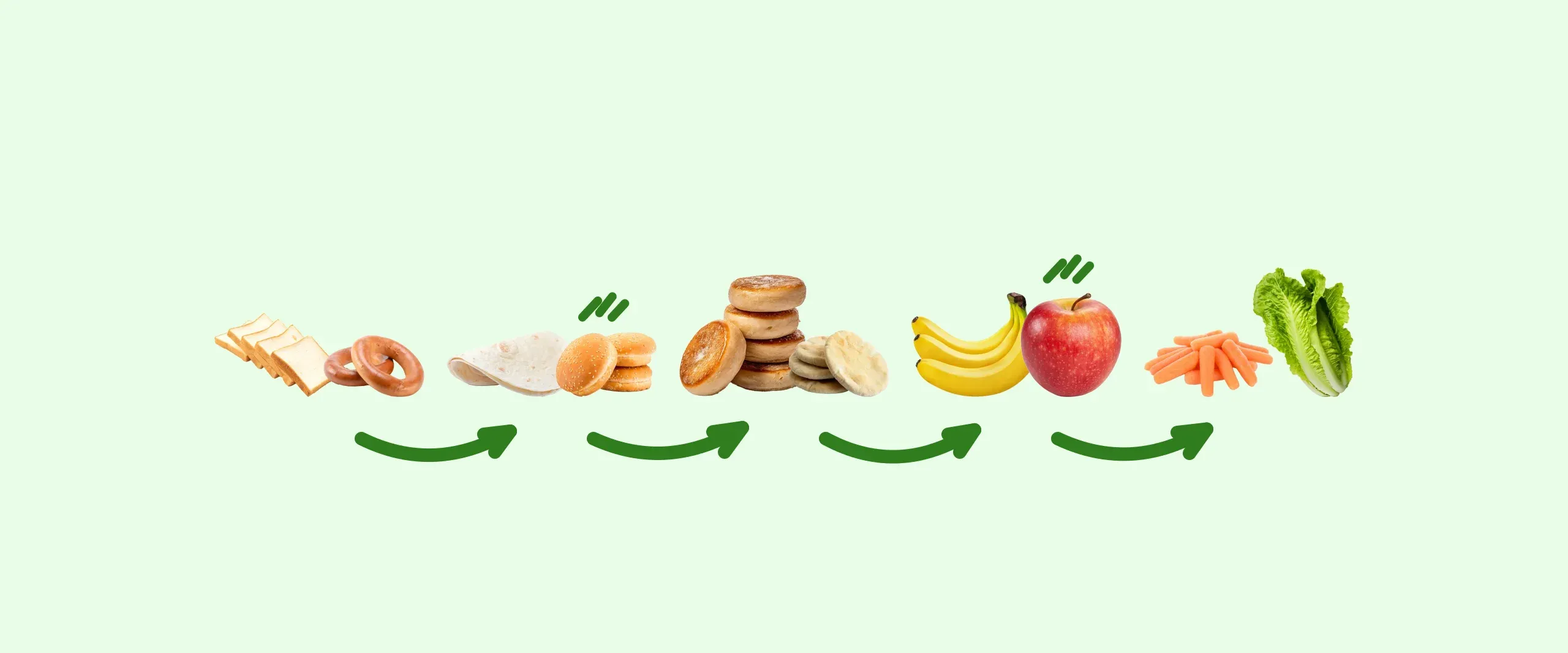
 Fruit
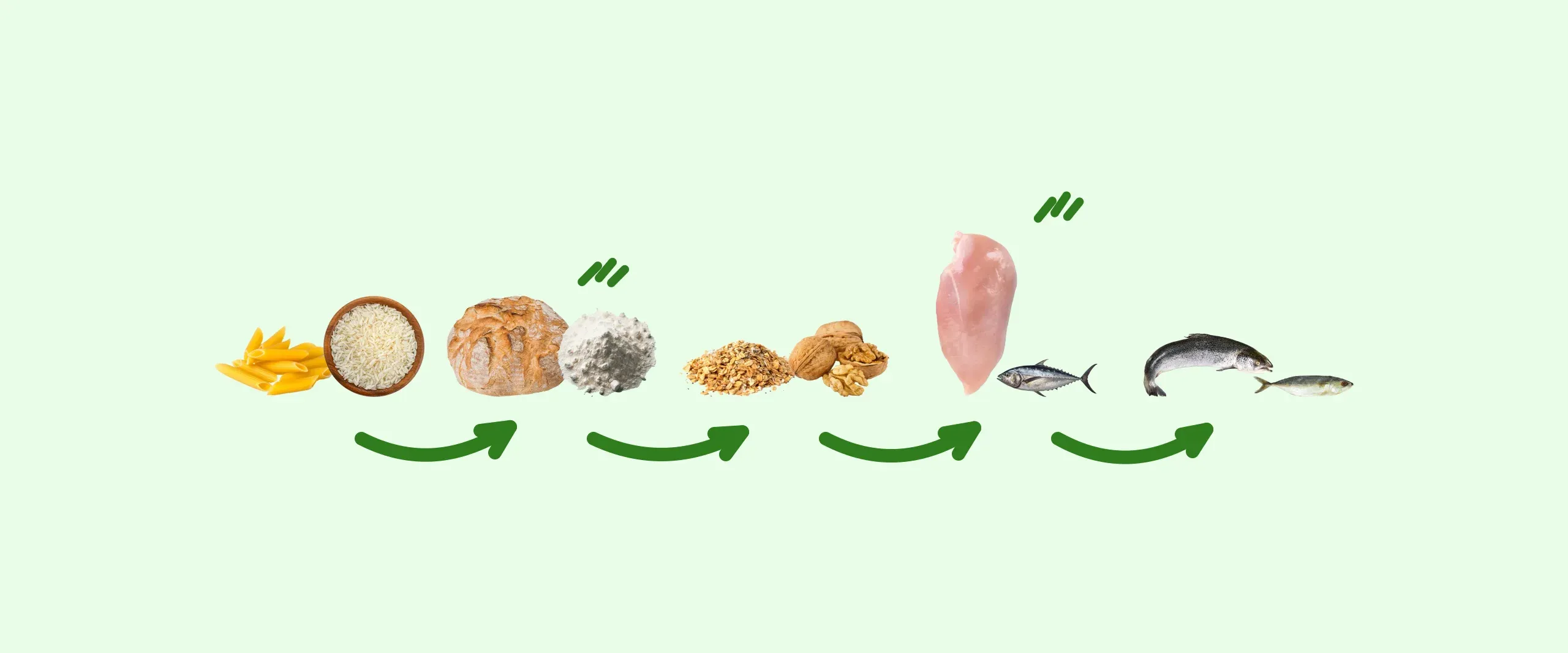
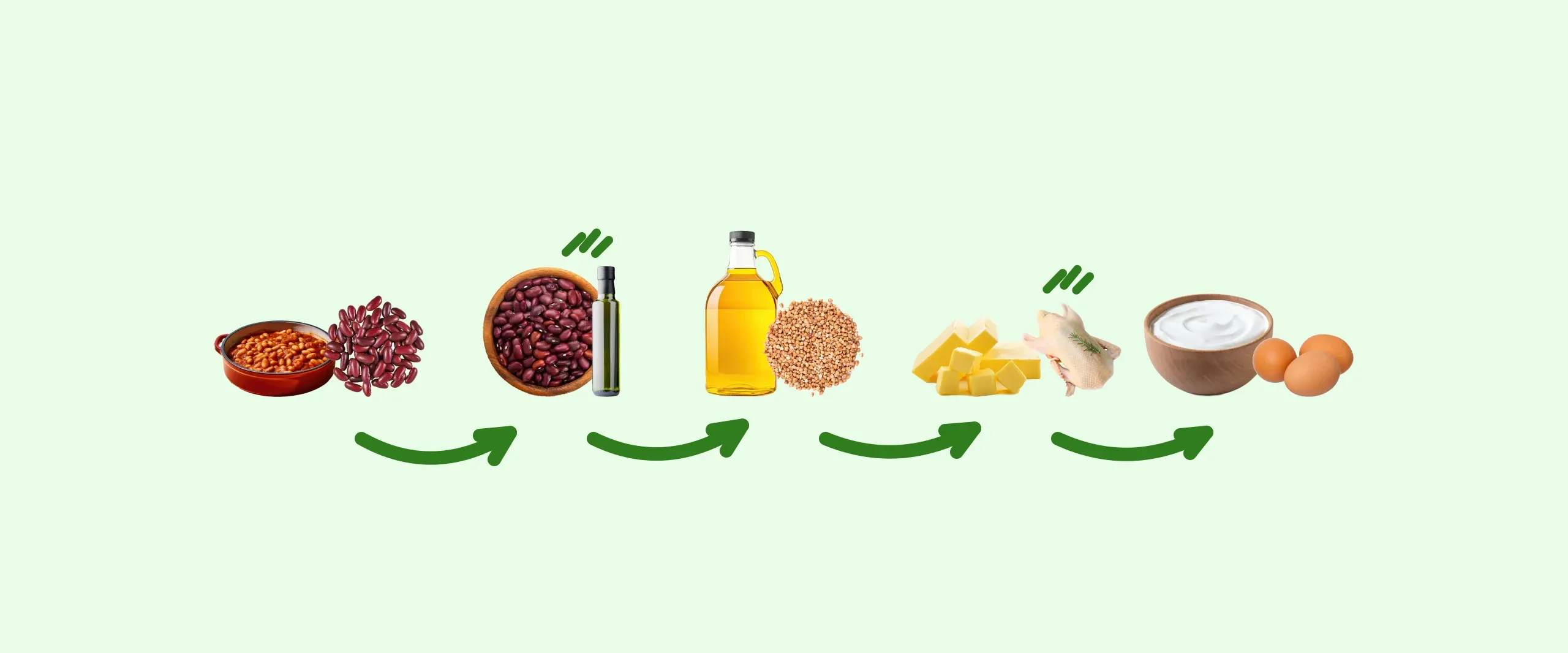
 Beans, lentils and tofu
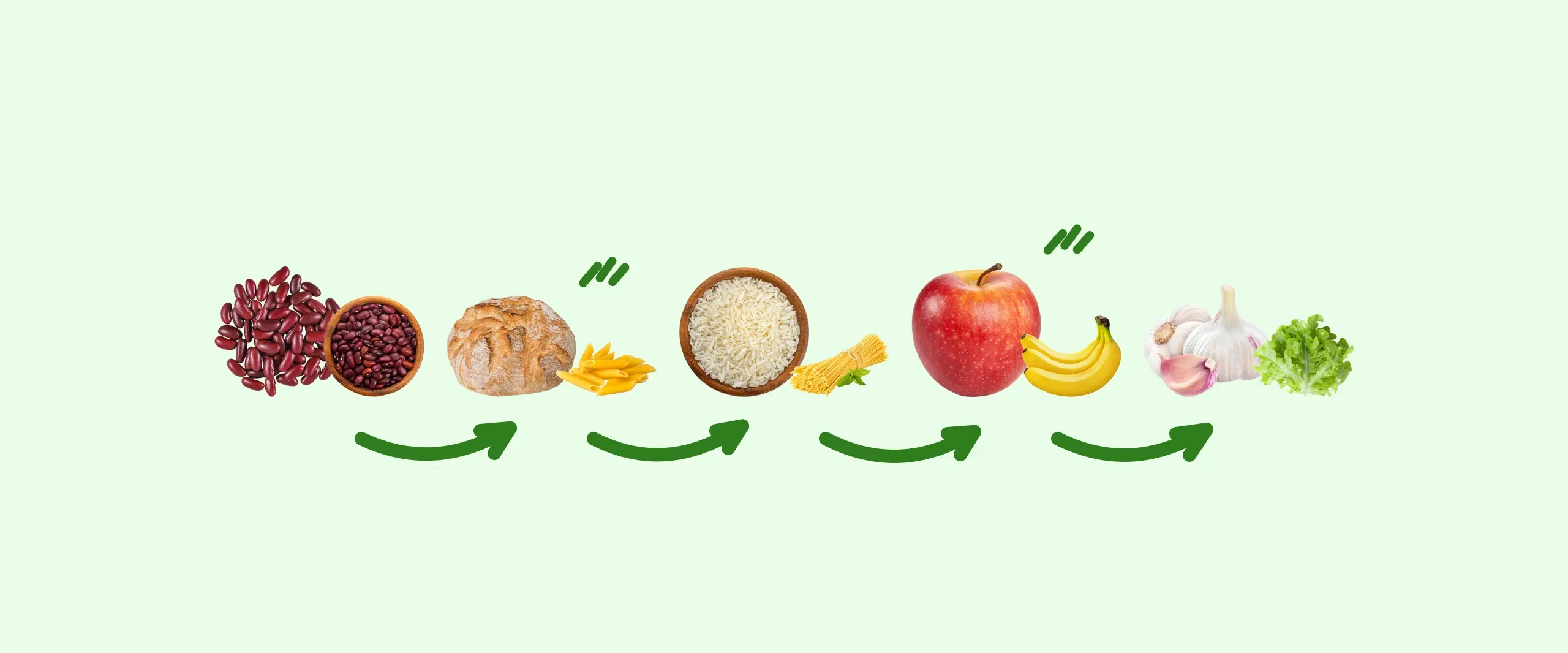
 Grains and bread
 Nuts, seeds and spreads
 Fridge and plant milks
What goes on a vegan grocery list first
Write the list in the order meals get built, not in the order of the aisles. The protein goes down first: firm tofu, a block of tempeh, a bag of red lentils, cans of chickpeas and black beans. These decide whether dinner feels like dinner, and they are the ones new shoppers buy too little of. Next comes the filling part, because beans and vegetables alone leave you hungry again by evening. That means brown rice, rolled oats, whole wheat pasta, a loaf of whole grain bread, and tortillas for the nights you cannot face cooking.
Only then the produce. Pick vegetables that show up in more than one dish, which is why onions, garlic, carrots, bell peppers and a bag of spinach outrank anything bought for a single recipe you saw once. Add fruit that holds up, so bananas and apples, and keep frozen berries for oatmeal. Finish with the flavor shelf: olive oil, soy sauce, tahini, cumin, smoked paprika, nutritional yeast, lemons. It is the smallest group on the list and the one people skip, and it is the reason a fridge full of vegetables can still taste like nothing.
Ten items that carry the week
If you only get through half the list, make it this half, because these ten turn into meals on their own.
-
 Firm tofu 144 kcal
-
 Chickpeas 364 kcal
-
 Red lentils 353 kcal
-
 Rolled oats 389 kcal
-
 Brown rice 111 kcal
-
 Peanut butter 588 kcal
-
 Oat milk 42 kcal
-
 Spinach 23 kcal
-
 Bananas 89 kcal
-
 Olive oil 884 kcal
Spreading the list across a week
Fewer meals have to come out of this than it looks. Breakfast should be the same thing most mornings, which is why oats, bananas, peanut butter and plant milk sit on the list in quantity rather than variety. Lunch is last night’s dinner, so cook a pot of red lentils or a tray of roasted vegetables once and let it cover two days.
Dinner has two shapes and the whole list is built for them. The bowl is a grain, a bean, a roasted vegetable and a sauce: rice, chickpeas, broccoli, tahini and lemon. The skillet is tofu or tempeh browned hard, vegetables in the same pan, soy sauce, served over rice or rolled into tortillas. Swap the vegetable and swap the sauce and nobody notices they are eating the same two dinners all week.
Put the fresh things at the start of the week and the sturdy things at the end. Spinach, mushrooms and soft fruit go on the first days. The last days run on cans, frozen peas and pasta. If you cook for two, double the tofu, beans, grains and bread, but buy the same single bottle of oil and the same jars of spice, because those stretch across people without changing.
What to leave off the list
The vegan shelf in most supermarkets is designed to be bought whole, and almost none of it is needed to eat well. Mock sausages and burgers are fine once in a while, but they do not cook into anything else, so they earn a line only if you want them for themselves. One plant milk is enough. Buying oat for coffee, soy for cooking and almond for cereal leaves three open cartons and two that go off.
Vegan cheese is the other trap. Keep one block if you like it, skip it if you were buying it out of habit, and let nutritional yeast and tahini do the savory, creamy work in sauces and on pasta. The same goes for specialty flours, protein powders and four kinds of nut butter. Peanut butter and tahini cover almost everything those promise.
The mistake that empties the fridge by Wednesday
The classic first vegan shop is a basket of beautiful vegetables and nothing to turn them into food. No fat, no salt, no acid, nothing starchy underneath. The vegetables sit there, cooking starts to feel like work, and by midweek the whole thing collapses into toast. Every vegetable on this list has oil, garlic, lemon, soy sauce or tahini somewhere near it for exactly that reason.
The second mistake is buying three leafy greens in one shop. Spinach, kale and lettuce all turn at once and you get through one of them. Buy one fresh green, keep frozen spinach for anything cooked, and let carrots and bell peppers cover the crunch.
Last, keep a backup dinner in the cupboard at all times: two cans of chickpeas, a bag of frozen peas, pasta and a jar of peanut butter. That covers the night nobody shopped, nobody planned and nobody wants to cook, which is the night most people order in and decide the list failed them.