 Fresh Produce
 Frozen Produce
 Frozen Meat & Fish
 Dairy & Eggs
 Canned Food
 Grains & Pasta
 Drinks
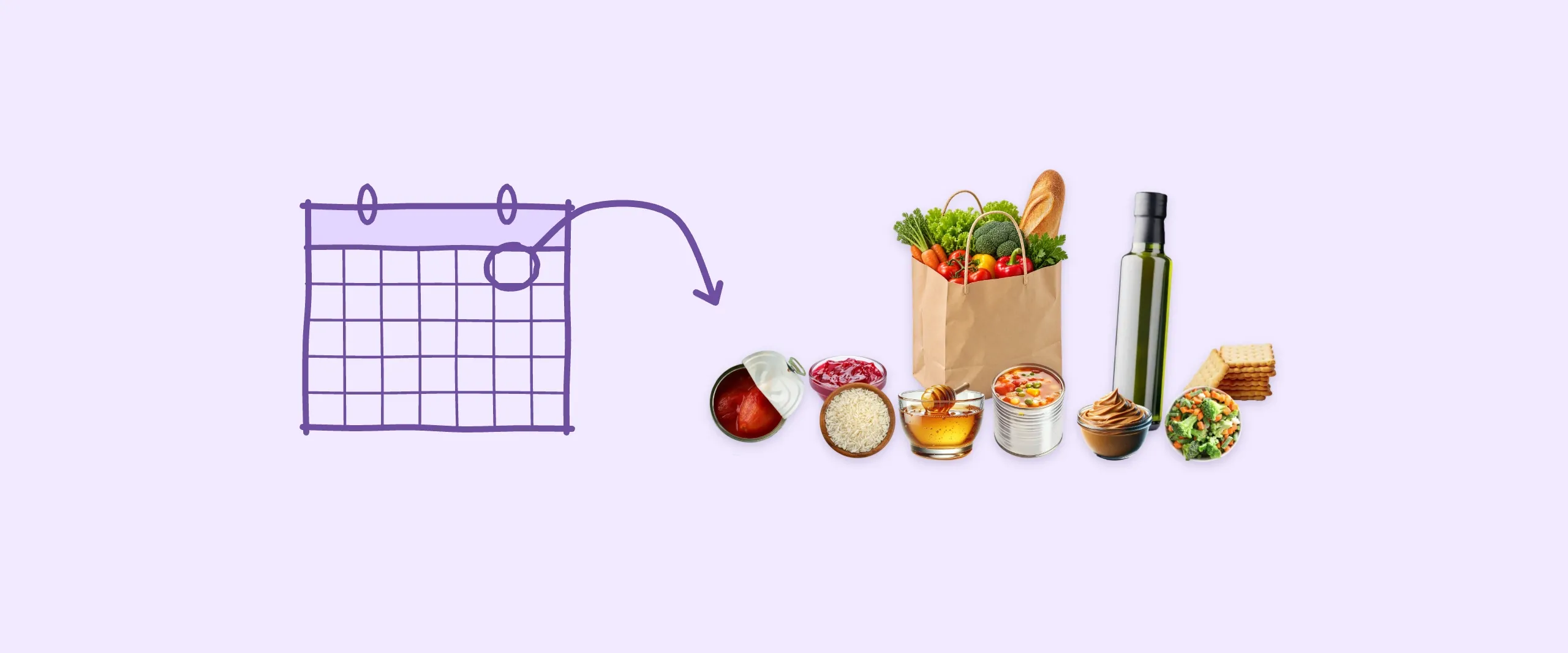
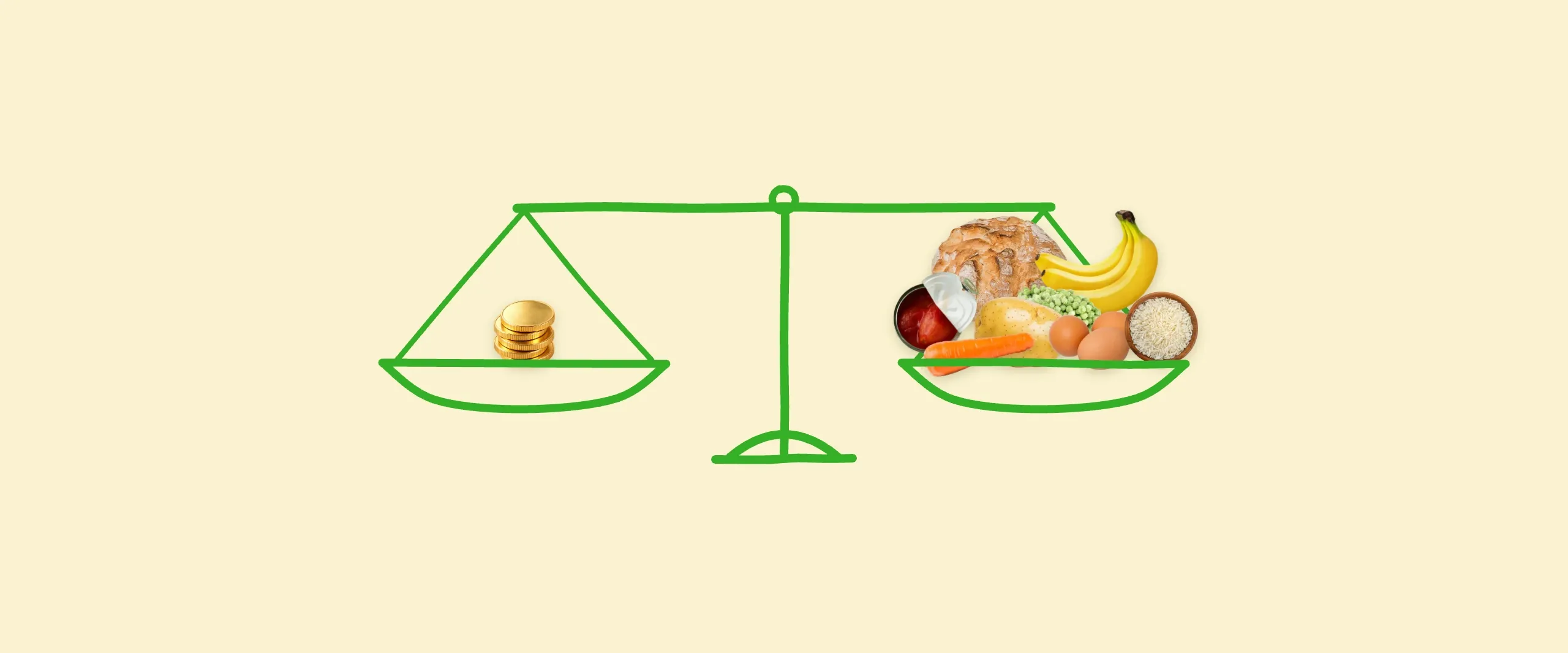
There’s never been a bad time to try and save money. Groceries are one of your most important outgoings, and you can’t live without them! However, as essential as they are, you needn’t be breaking the bank when going grocery shopping. How do you do this? By using a cheap grocery list, of course.
Cheap Eats
There may be many reasons you want to reduce your grocery budget. Maybe you’re in a situation where you need to tighten your belt a little. You might even be trying to put as much cash away as possible for a big life change, like buying a house or getting married!
Regardless of the “why”, what’s more important is the “how”. That’s what we’re going to give you, because making your grocery bill smaller is not just about following instructions, it’s also about being savvy when it comes to spending.
We’ll also provide you with a budget grocery list template you can use in the grocery store. However, you can skip straight to the free printable cheap shopping list template if you wish to.
The 10 essentials on this list
The products on this list that have a page of their own. Open any of them for its calories, its protein and how to keep it.


Your Budget Grocery List Template
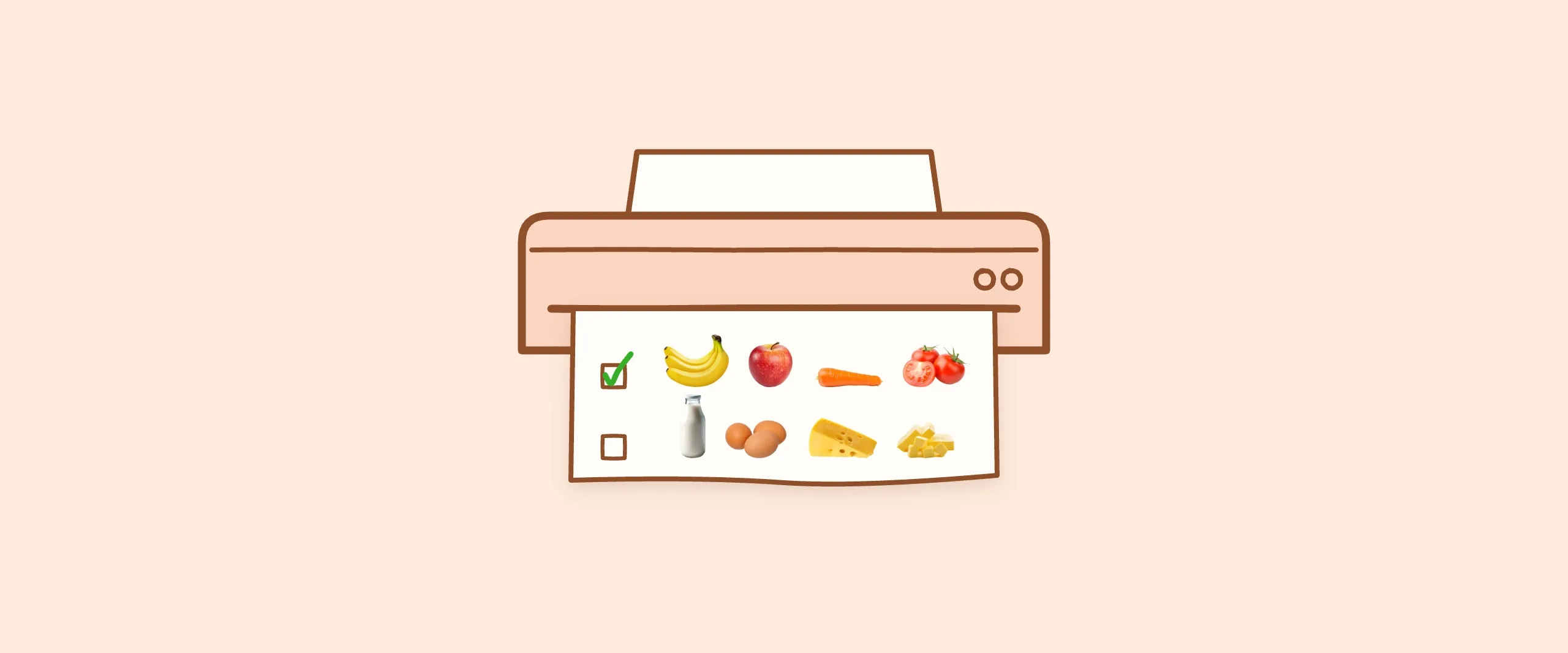
Now that you’re a little more clued up as to how to shop cheaper, we’ll let you head to the shops with our free printable cheap shopping list template. But remember, it’s only a guide. So, make sure you make any adjustments as you see fit to make it your very own fabulously frugal low budget grocery list.
Make every item earn two meals
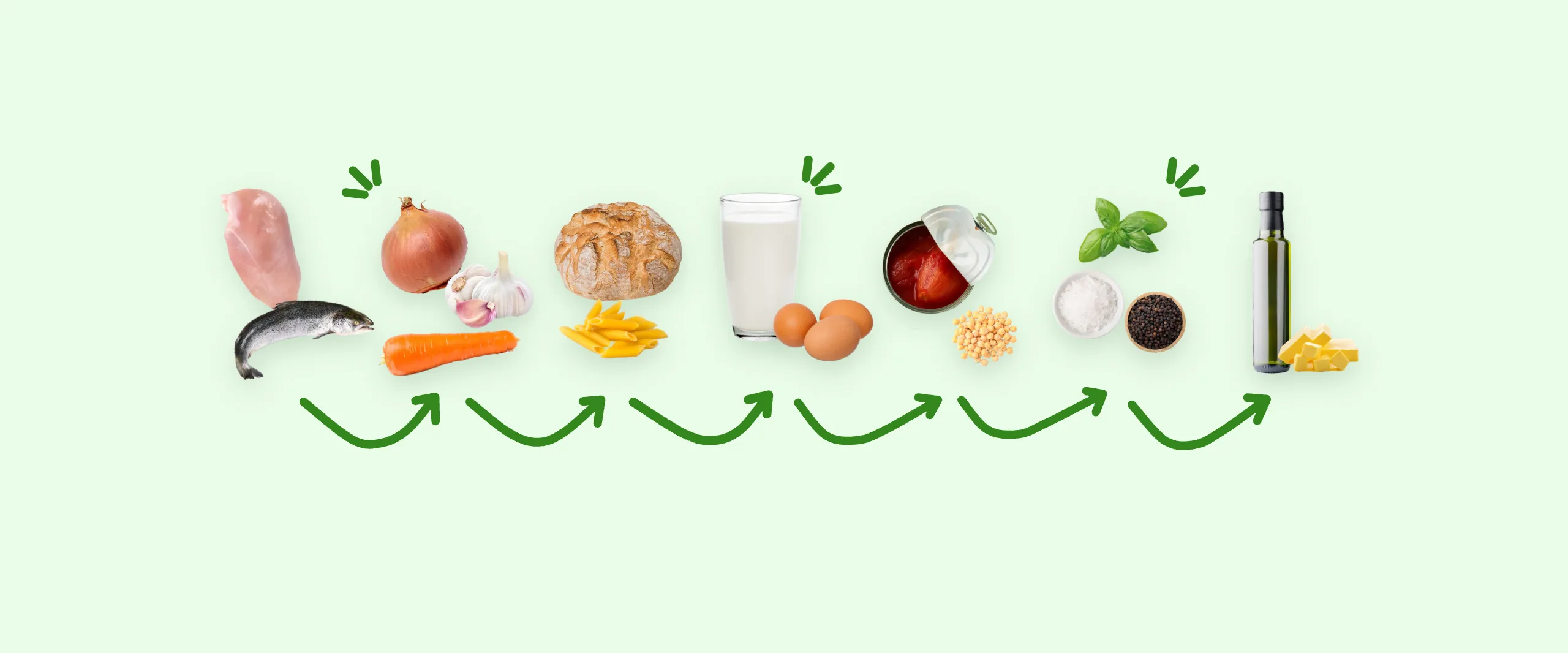
A cheap list stops being cheap the moment it turns into a list of cheap things that don’t go together. The test for anything on it is whether it shows up in more than one dinner.
Look at what the Onions, Garlic and Potatoes are doing here. They go under the Beef, into the Chickpeas, through the Rice and alongside the Cod, and none of those is the same meal twice. Red Kidney Beans, White Beans and Black Eyed Peas work the same way: a pan of them with Onions, Garlic and a tin of Tuna is dinner, the same pan stretched with Rice is lunch the next day, and Fusilli, Penne or Spaghetti turns what’s left into a third thing entirely.
That’s also the argument for keeping Eggs on the list when you’re cutting everything else. Eggs rescue the evening when the fresh half of the shop has gone, and they go with more or less everything else on here.
Work the same test backwards when you’re deciding what to drop. Anything that belongs in only one dish is the first thing to question, and anything three other items need is the last. Spinach bought for a salad is a single use. Spinach wilted into a pan of Chickpeas, folded through Eggs and thrown over Penne is three uses, bought once.
The cheapest food you throw out is still expensive
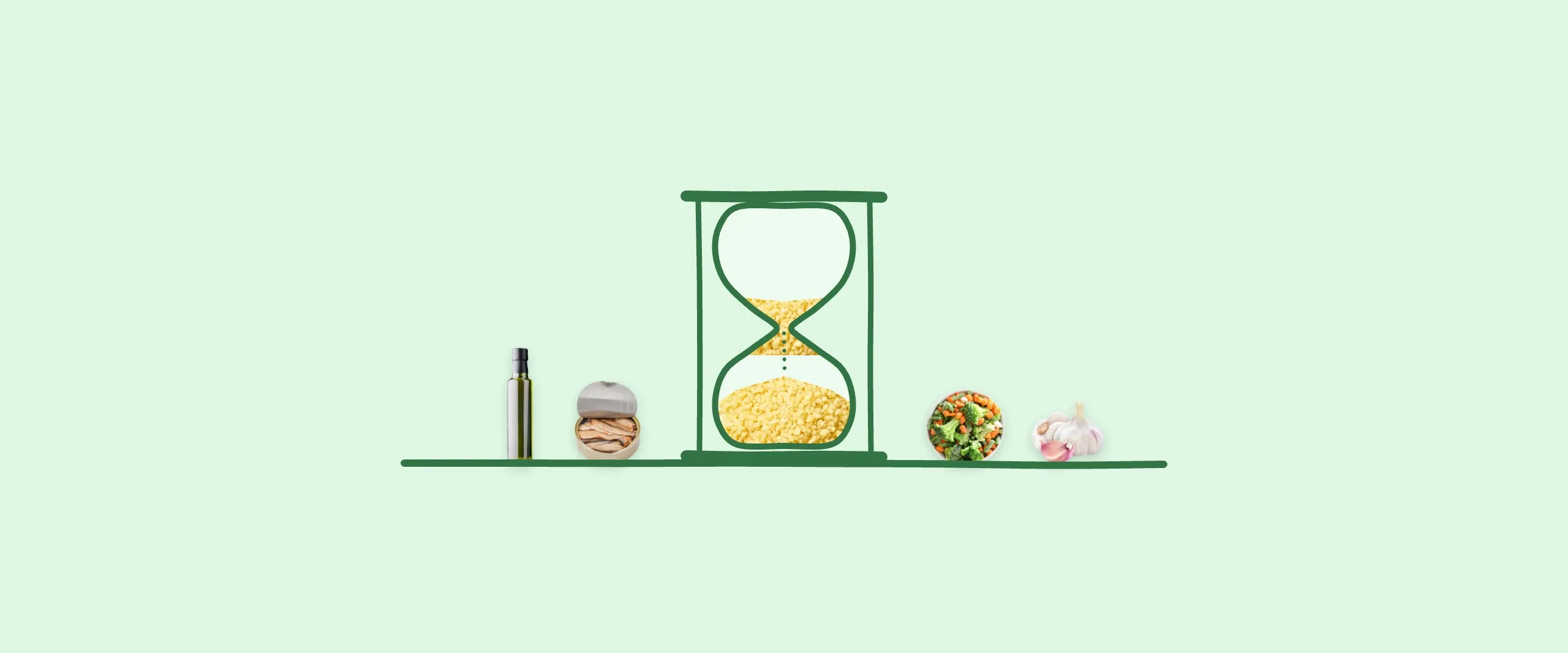
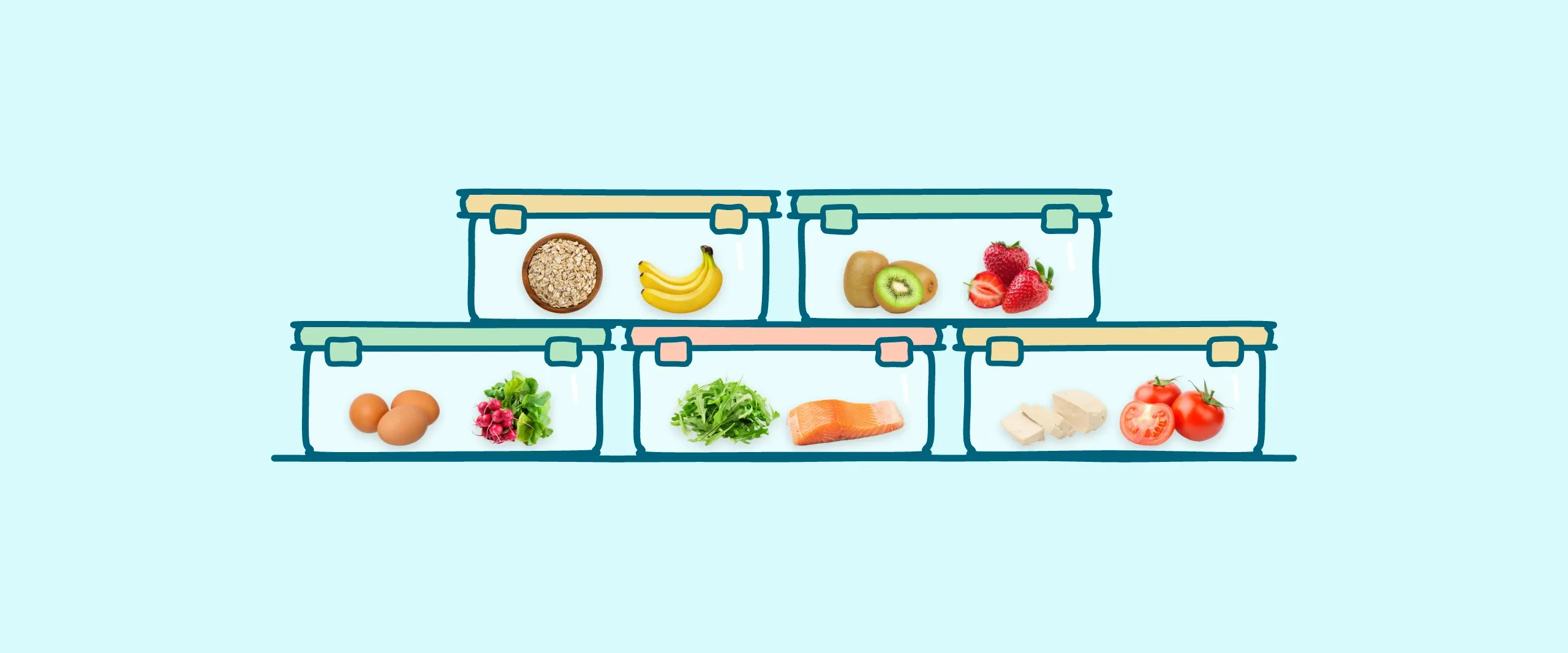
The quickest way to lose a week’s saving is to buy Fresh Produce for a week of cooking you don’t actually do.
Apples, Bananas, Lettuce and Spinach are the ones that go off. They’re cheap enough that nobody feels the loss, which is exactly why it keeps happening. Buy the Lettuce and Spinach for the first half of the week and let Frozen Produce cover the second, because the Peas, Green Beans, Sweetcorn and Carrots are sitting in that freezer for precisely this reason and lose nothing by waiting their turn.
Bananas are worth buying at mixed ripeness rather than all alike. A bunch that ripens on the same day either gets eaten on the same day or doesn’t get eaten at all.
Frozen Meat & Fish needs the opposite kind of attention. Beef, Chicken, Pork, Turkey, Cod and Haddock are only cheap if they come out of the freezer in the portions you cook in, so split the big packs before they go in. A block you have to defrost whole is a block you defrost once and then have to cook all of, and that’s how a bargain turns into a bin.
Bread is the other one to split. Half a loaf in the freezer and half in the bread bin means the end of the week doesn’t start with buying bread again at full price, which is how one cheap shop quietly becomes two.