 Fruit
 Nuts
 Meat and fish
When buying various food products, we often check what ingredients and what nutrients they provide our body. Most often we pay attention to vitamins, as well as minerals such as iron, calcium, and magnesium. But, have you ever wondered about the potassium in your food? If not, perhaps this is due to the fact that it is quite rare to have a potassium deficiency or excess. Therefore, we don’t tend to hear much about it in the news or in health magazines. However, potassium plays a very important role in the functioning of our body. So, find out what food is great for getting this vital mineral into your diet, using this list of high potassium foods.
Potassium: What Is It and Why Is It Important?
Potassium is one of the main electrolytes present in our cells. Electrolytes are crucial in the processes of building amino acids and proteins that keep us healthy. It is also necessary for enabling our cells to produce the energy we need to make it through the day.
But, potassium has many other functions, too, other than the production of energy. It controls the amount of water kept in your body and helps muscles maintain their structure and mass. What’s more, the right amount of potassium keeps your blood pressure in check. As you can see, potassium is a very important and necessary electrolyte for our health.
What foods are highest in potassium?
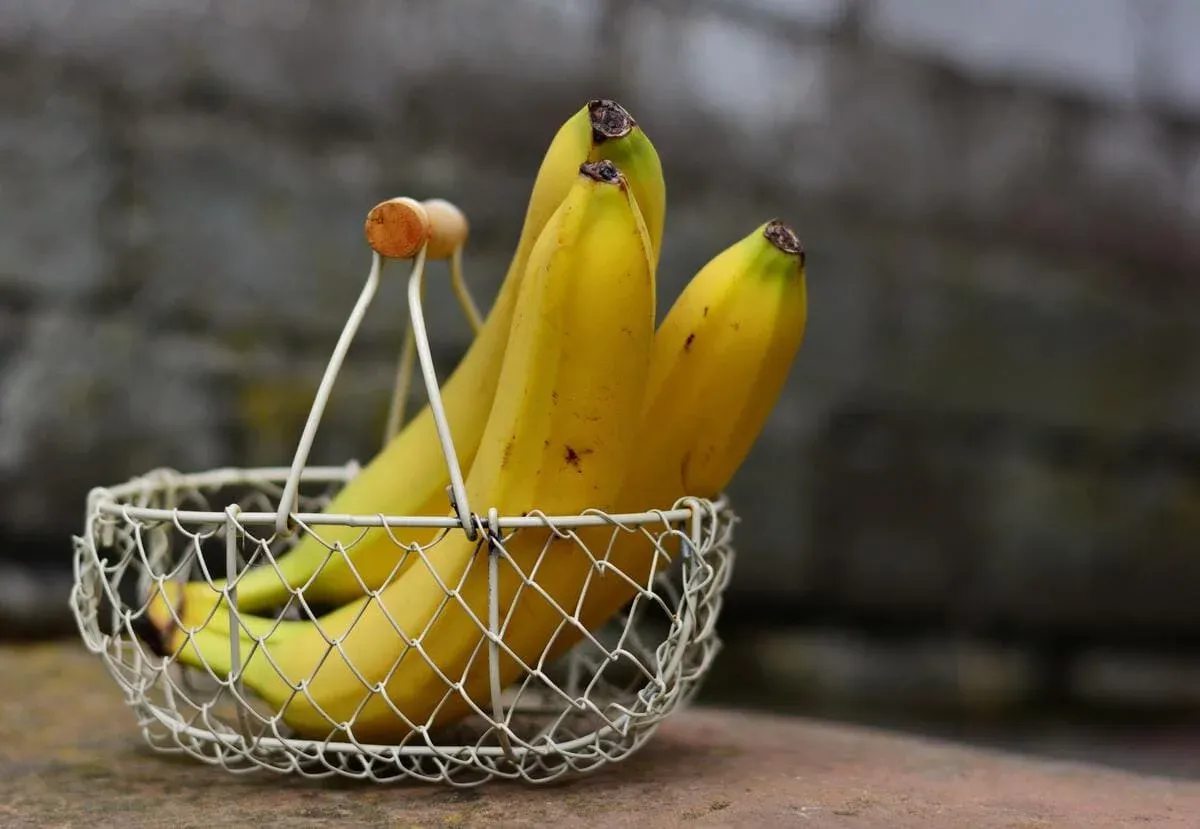
Bananas are usually at the top of a potassium-rich foods list.One medium banana has about 420mg of potassium, or 358mg per 100g. Even the Food and Drug Administration (FDA) recommends incorporating bananas into a high-potassium and low-sodium diet to help reduce the risk of hypertension.
But, it’s not the only fruit packed with this miracle mineral.
Other fruit high in potassium
| Melon | 382mg/100g |
|---|---|
| Kiwi | 290mg/100g |
| Grapefruit | 277mg/100g |
| Apricot | 275mg/100g |
| Red currants | 259mg/100g |
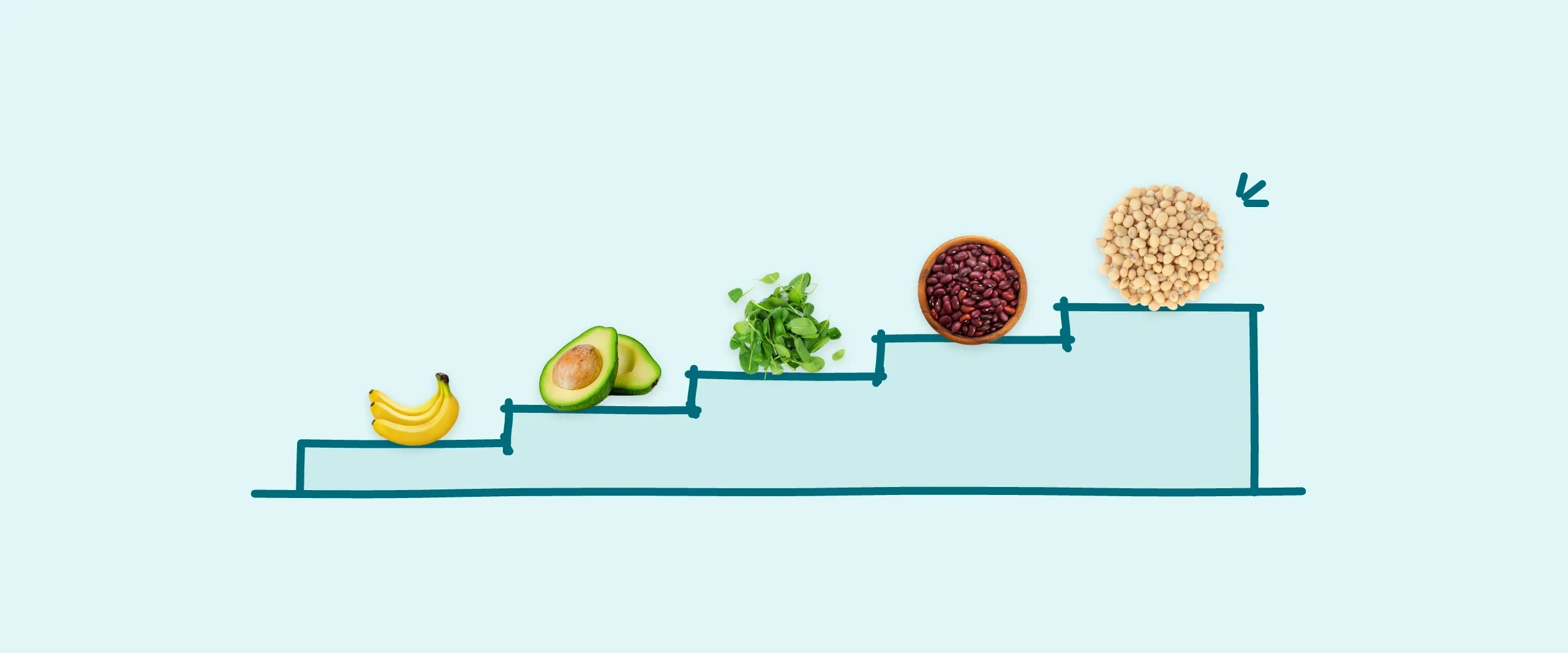
What food has more potassium than bananas?
You may not think it, but bananas aren’t the most potassium-rich food! However, they are one of the most beloved fruit around the world, topping shopping lists in the UK, USA, and Canada. So, maybe that’s why we think they are. But, there are a lot of foods with potassium significantly exceeding the amount of potassium in bananas.
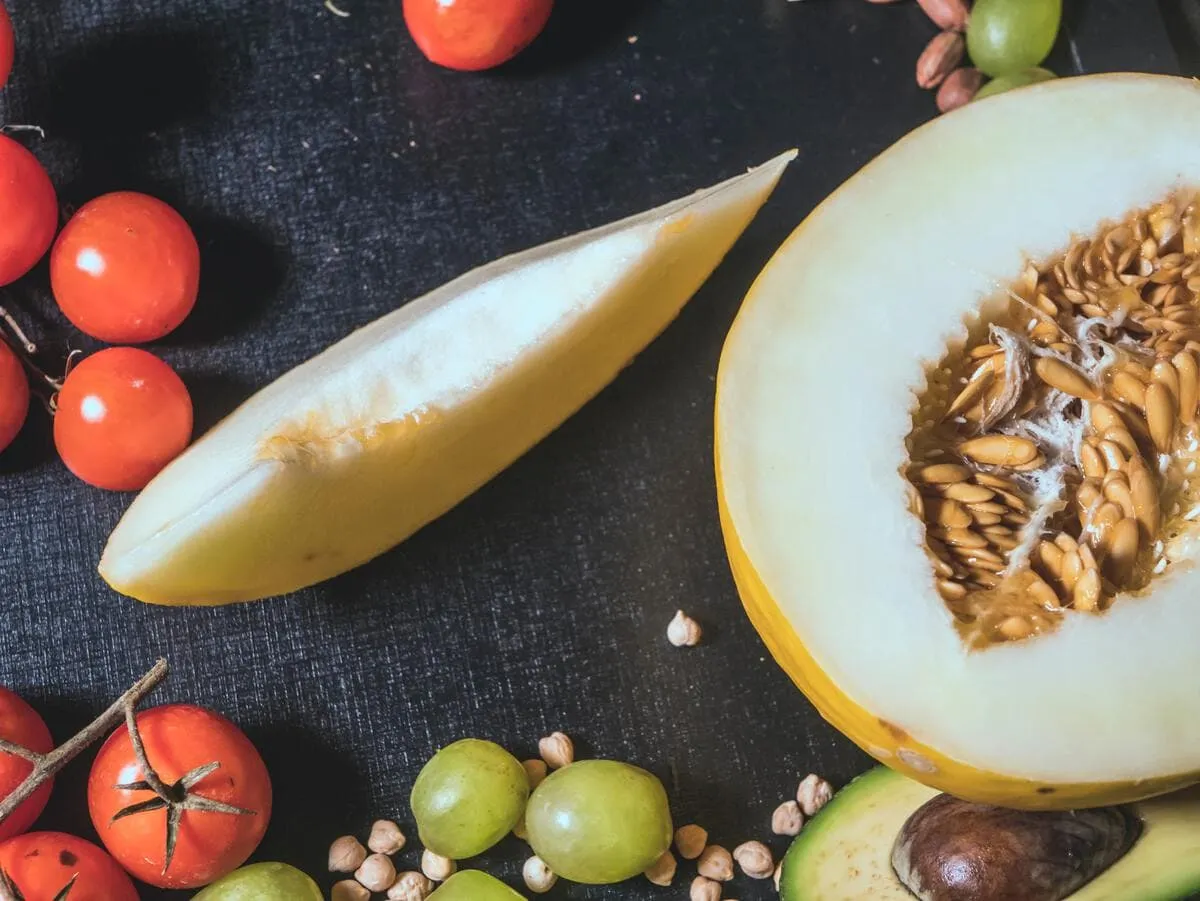
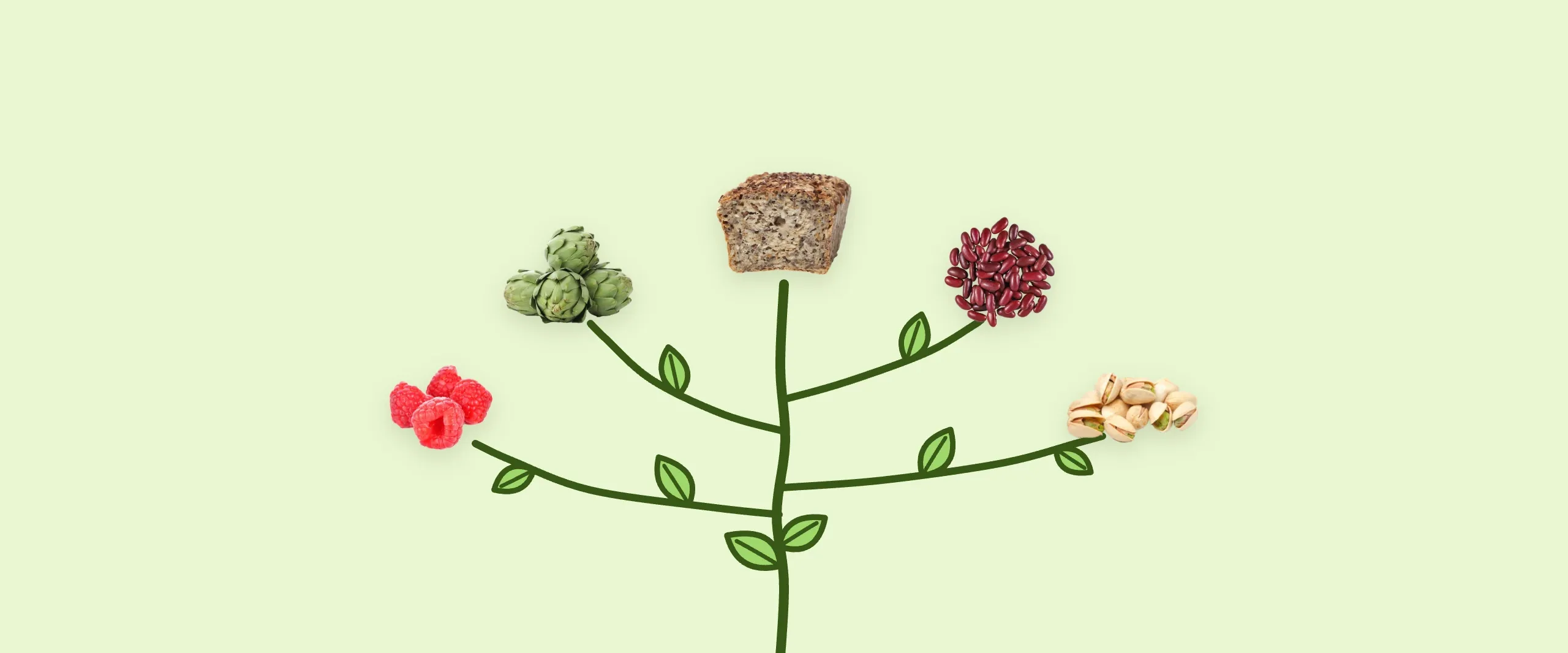
Legumes
Legumes are probably the highest on the list of potassium-rich foods.
- Soya beans contain 2132mg/100g
- White beans contain 1188mg/100g
- Peas contain 937mg/100g
- Red lentils contain 874mg/100g
Thanks to their high fiber content, they enhance digestion and are a good source of vitamin B which protects the nervous system.
Vegetables
Some vegetables also beat bananas in the potassium content contest.
- Spinach contains 558mg/100g
- Chard contains 548mg/100g
- Parsnip contains 399mg/100g
- Broccoli contains 385mg/100g
Nuts
Another food high in potassium are nuts.
- Brazil nuts contain 689mg/100g
- Cashew contain 660mg/100g
- Walnuts contain 441mg/ 100g
Other nutrients found in these reduce the risk of heart disease and have a positive effect on brain function and skin condition.
What food has no potassium?
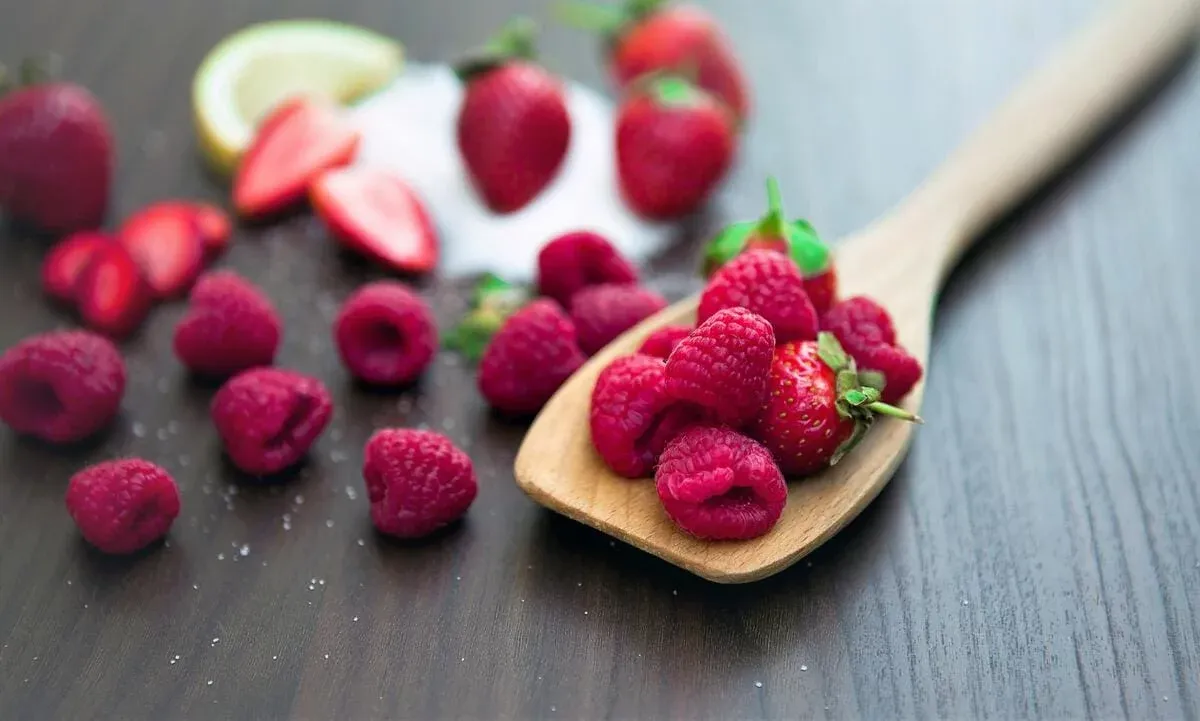
While potassium is very important for your health, there are cases where it should be limited. If your diet is balanced, you don’t take any dietary supplements, and have no kidney problems, it is likely your potassium levels are normal. But, there are some cases where people need to go on a low-potassium diet.
Normally, excess potassium is excreted from the body, but people who have taken too many dietary supplements containing potassium, or suffer from various diseases (e.g. kidney failure), are exposed to hyperkalemia. This is where the concentration of potassium ions in the blood exceeds a healthy level. The main symptoms are: dizziness, drowsiness, cramps, heart problems, tingling sensations, muscle aches, and apathy.
It is important to avoid hyperkalemia because it can lead to dangerous, and potentially deadly, defects to your heart rhythm.
If you need to go on a low-potassium diet, then you’ll need to eat food with very little potassium in it.
Fruit
- Apples
- Raspberries
- Strawberries
Meat
- Beef
- Chicken
- Lean veal
- Rabbit
- Turkey
Dairy products
- Butter
- Eggs
- Low-fat cheese
Grain products
- Pasta
- Rice
- Semolina
- White bread
Vegetables are allowed on a low-potassium diet, but only in small amounts. Cooking vegetables twice will significantly reduce the content of potassium in them, which will help you control your potassium levels.


Food List High in Potassium
A complete list of foods high in potassium would be very long. There are many products that have less potassium than bananas or any of the fruit and vegetables mentioned above. So, don’t forget to include plenty of other foods containing potassium on your grocery list such as tomatoes, avocado, milk, yogurt, and all kinds of meat and fish.