What belongs in a car emergency kit
A car emergency kit has one job: get you moving again, or keep you safe and visible until someone else can. Everything on the list answers one of those two needs, and anything that answers neither is just clutter in your trunk.
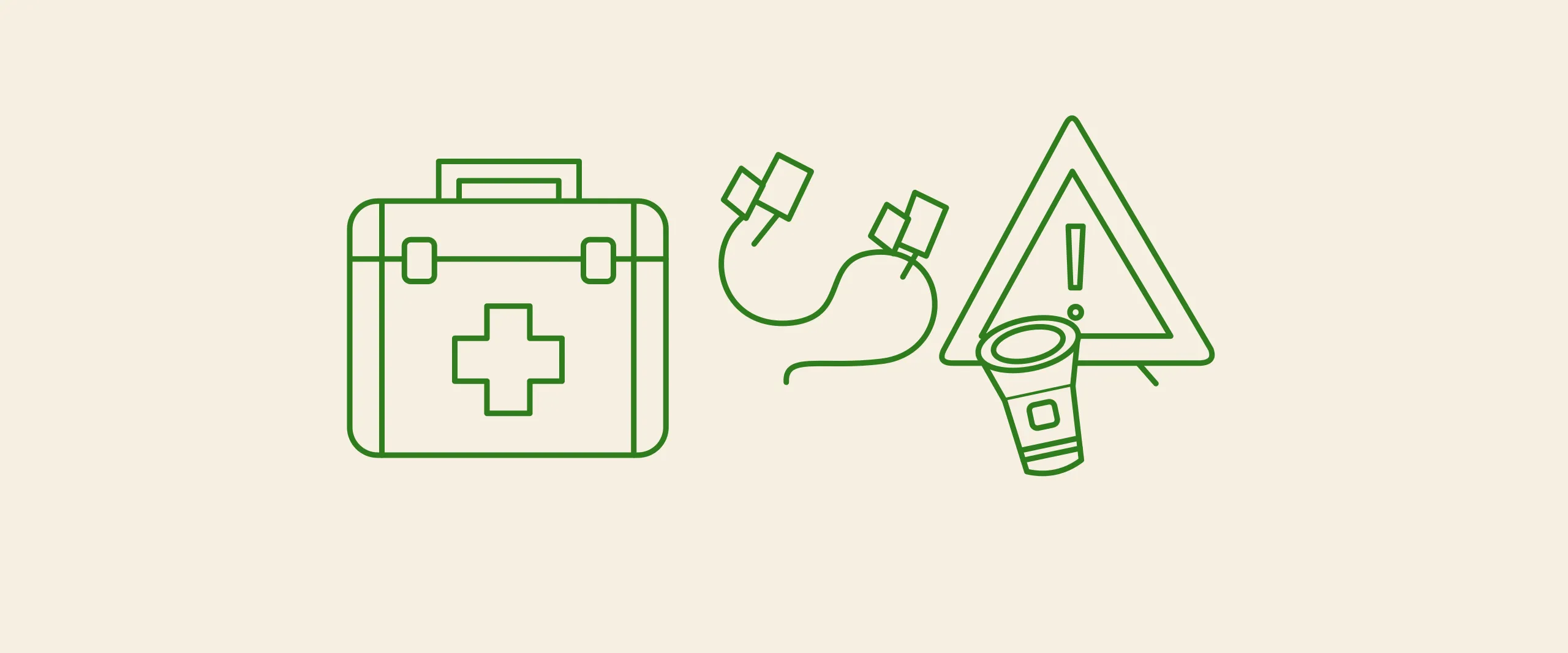
The first block is breakdown gear. Jumper cables or a jump starter, a tire inflator, sealant, a pressure gauge, and the jack and lug wrench that should already be riding with the spare. A flat tire and a dead battery are the two faults you are most likely to meet, and both are fixable at the roadside if the gear is there.
The second block is being seen. Reflective triangles behind the car, a reflective vest on you before you step out of it, and LED road flares if you drive roads with no shoulder. Standing next to a stopped car in the dark is the dangerous part of a breakdown, not the breakdown.
The third block is getting out and calling for help. A seat belt cutter and a window breaker belong where you can reach them from the driver’s seat, not in the trunk. A flashlight with spare batteries, a whistle, a power bank and a charging cable finish it, because a dead phone is the same as no phone.
The ten to keep in the trunk year round
If you build the kit in stages, start with these.
-
 Jumper cables
-
 Tire inflator
- Reflective triangles
- Reflective vest
- Flashlight
-
 Spare batteries
-
 Adhesive bandages
-
 Nitrile gloves
-
 Emergency blanket
-
 Bottled water
The first aid side of the kit
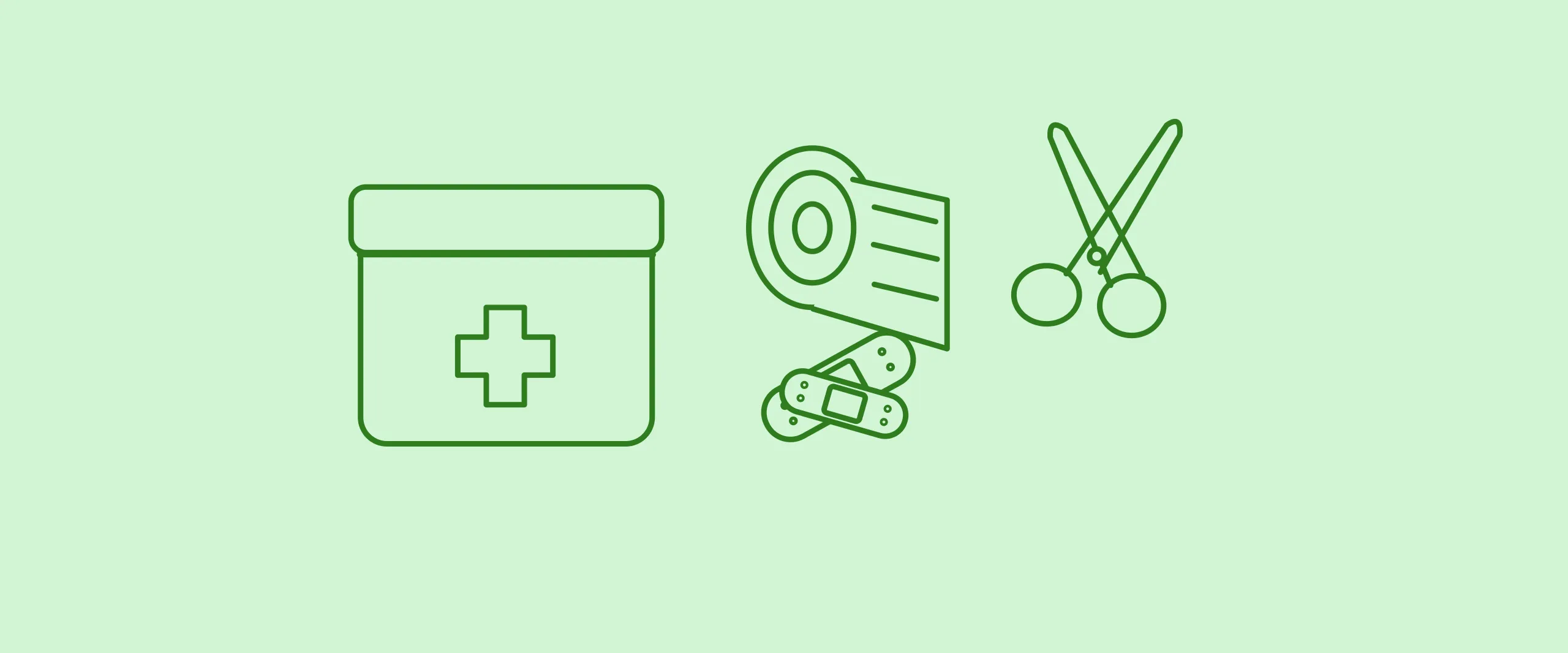
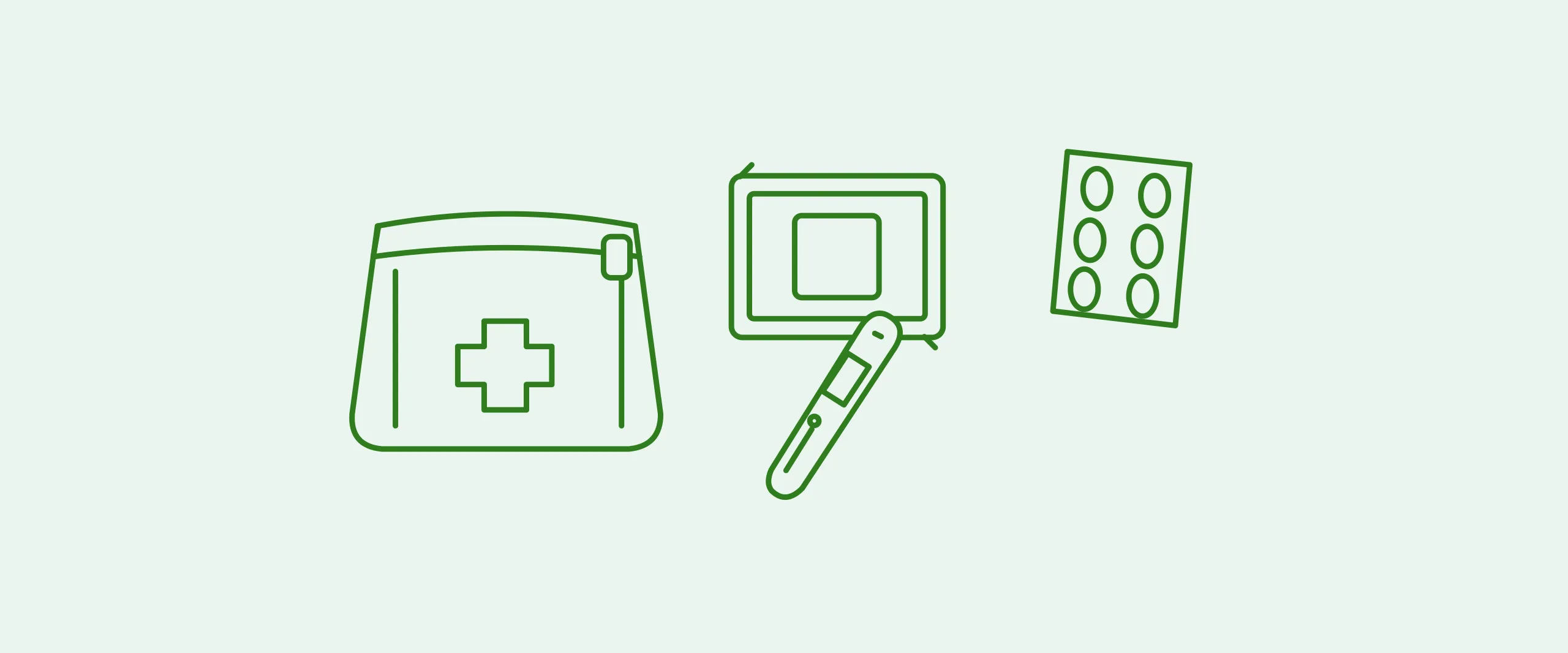
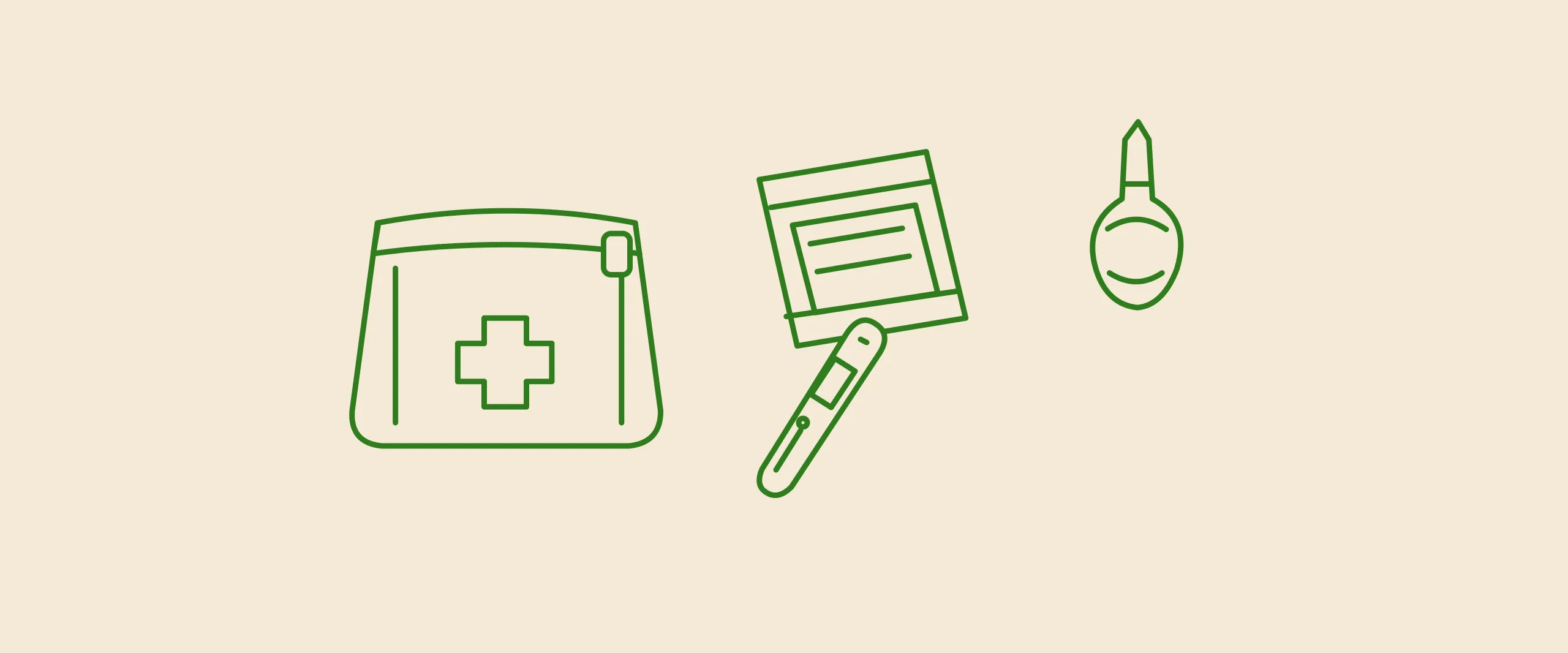
A car first aid kit is a stock list, not a manual. Keep adhesive bandages in a few sizes, sterile gauze pads, medical tape, antiseptic wipes, a burn dressing, an instant cold pack, nitrile gloves and tweezers. An emergency blanket belongs here too, since it weighs almost nothing and covers a cold wait as well as an injury.
Add what your own household needs. Anything prescribed for the people who ride in your car, a spare inhaler or allergy kit if someone carries one, and children’s versions of what you already stock. Ask a pharmacist or your doctor what that should be rather than guessing from a list online, including this one.
Store it in a soft case rather than loose in a trunk bin. Loose supplies migrate under the spare tire, and a closed case keeps gauze and dressings clean enough to be worth using.
Switching the kit over for winter
A winter car emergency kit is the same kit plus a cold-weather layer, and it is the version most people assemble too late. An ice scraper and a snow brush go in the cabin rather than the trunk, because you need them before you can see out of the car at all.
Traction comes next. A folding shovel, tire chains if your roads call for them, and a bag of sand or cat litter for the moment a wheel spins on ice. Then warmth, which is the part people skip. A wool blanket, hand warmers, a spare hat and gloves and a rain poncho turn a long wait from miserable into merely boring.
Food and water stay in the kit year round, but winter is when they earn the space. Energy bars and hard candy keep well, and bottled water is worth replacing once it has frozen and thawed through a season.
Take the winter block out again in spring. A trunk stuffed with chains and blankets in July is exactly how a kit stops getting checked.
Where to keep it and when to check it
Split the kit by how fast you need each part. Escape tools and a flashlight go within arm’s reach of the driver. First aid goes somewhere a passenger can get to without opening the trunk. Everything heavy and slow, meaning cables, inflator, shovel and chains, lives in the trunk in one labeled bin so nothing rolls around loose.
Check the kit at the start of each season. Batteries drain, sealant expires, adhesive bandages lose their seal, and the power bank you charged last spring is flat by now. Pull the bin out, open everything, replace what is spent, and put it back the same way so you know where each thing is in the dark.
Keep the paperwork with it. A copy of the registration, the insurance card, your roadside assistance number and a written emergency contact card. Phones lock, run out of charge and get left in the car. Paper does not.