How to store, cool, thaw, and reheat leftovers safely
Quick answer
-
Fridge
Keeps for 3-4 days
Cool leftovers fast in shallow containers, wrap them airtight, and keep them at 40°F (4°C) or below.
Watch out Throw out moldy cooked meat, poultry, casseroles, grain, and pasta, because mold can reach below the surface of moist food.
-
Freezer
Keeps for 1-3 months
Wrap leftovers airtight and freeze them right away, then thaw them in the refrigerator, in cold water, or in the microwave.
Watch out The times are for best quality, because frozen leftovers stay safe indefinitely but can lose moisture and flavor.
Leftovers last 3 to 4 days in the refrigerator, and cooked rice lasts 4 to 6 days. Refrigerate them within 2 hours of cooking, or within 1 hour when the temperature is above 90°F (32°C). Frozen leftovers stay safe indefinitely, but they can lose moisture and flavor. Reheat them to 165°F, measured with a food thermometer.
Buying leftovers this week?
On a Listonic list, every item gets the amount you need and a note on when to use it by.
- Quantity and unit on every item
- A note like “fridge, use within a week”
- One list shared with everyone at home
Leftovers last 3 to 4 days in the refrigerator, according to the USDA’s leftovers and food safety guide. In the freezer they stay safe indefinitely, though they can lose moisture and flavor the longer they’re stored.
Get leftovers into the refrigerator within 2 hours of cooking, or within 1 hour when the temperature is above 90°F (32°C). Some dishes have their own times, and the table below covers the common ones, from cooked rice to soup.
How long do leftovers last in the fridge?
Most leftovers last 3 to 4 days in the refrigerator. That’s the time for leftovers with meat, fish, poultry, or egg, and for those without, such as cooked vegetables and potatoes. The USDA says to use leftovers within that time so mold doesn’t have a chance to grow, as its guidance on mold in food explains.
A few dishes have their own times in USDA FoodKeeper. Cooked rice keeps 4 to 6 days, and cooked pasta and potato salad keep 3 to 5 days. The table lists fridge and freezer times for common leftovers.
| Leftover | Fridge | Freezer for best quality |
|---|---|---|
| With meat, fish, poultry, or egg | 3 to 4 days | 2 to 3 months |
| Without meat, fish, poultry, or egg, such as cooked vegetables or potatoes | 3 to 4 days | 1 to 2 months |
| Cooked rice | 4 to 6 days | 6 months |
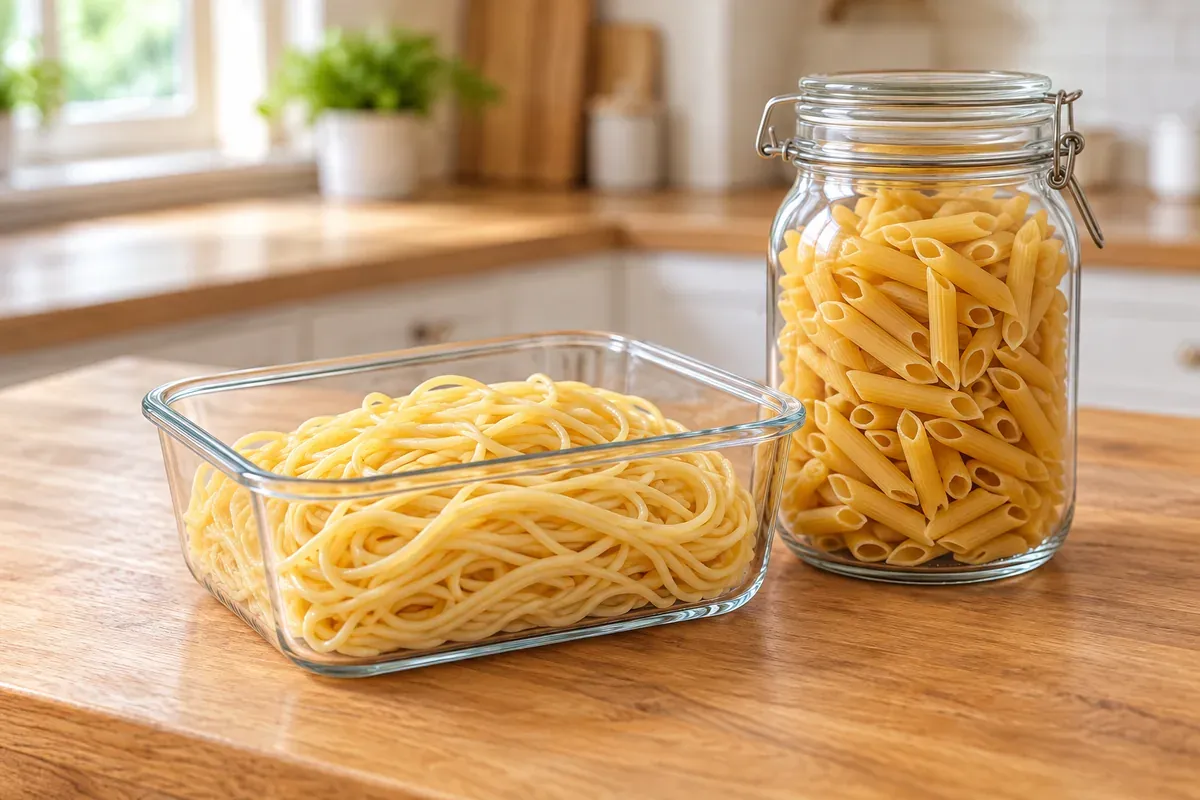
| Cooked pasta | 3 to 5 days | 1 to 2 months |
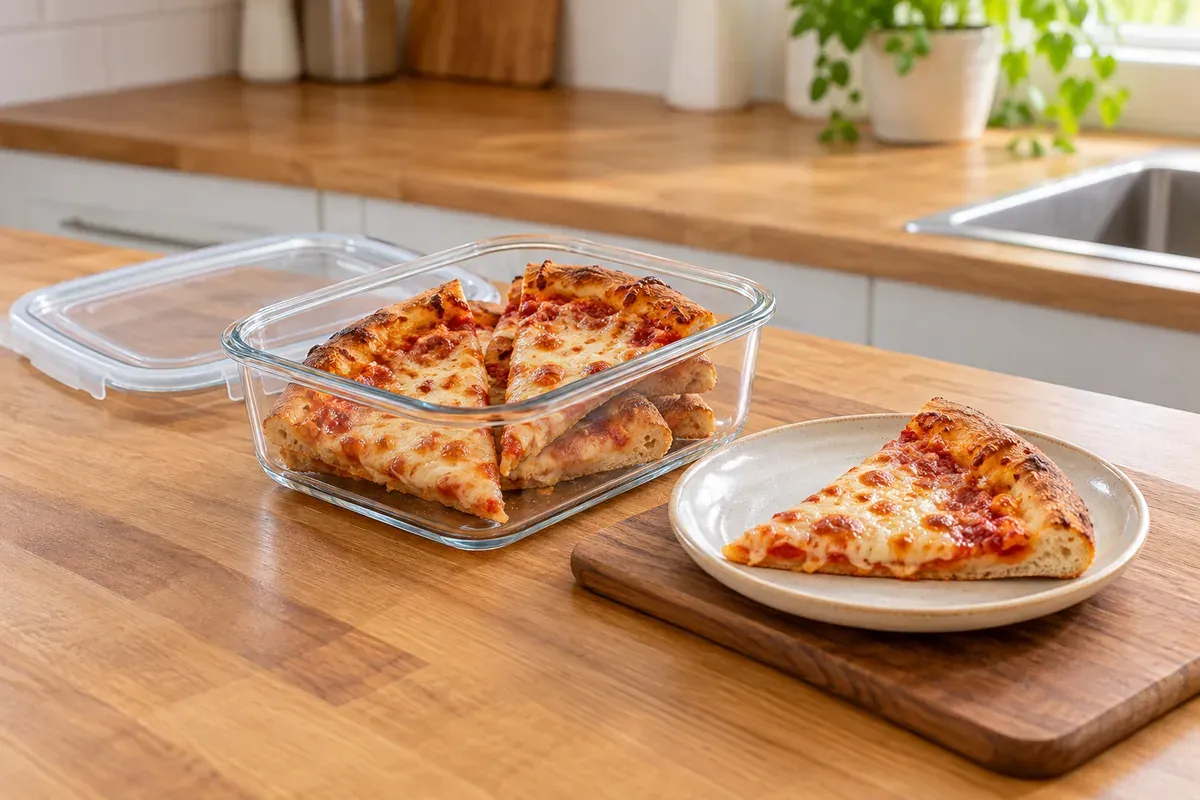
| Pizza | 3 to 4 days | 1 to 2 months |
| Soups and stews | 3 to 4 days | 2 to 3 months |
| Casseroles | 3 to 4 days | 2 to 3 months |
| Poultry pieces covered with gravy or broth | 3 to 4 days | 1 to 2 months |
| Cooked fish | 3 to 4 days | 1 to 2 months |
| Chicken salad, egg salad, and seafood salads | 3 to 4 days | Not recommended |
| Potato salad | 3 to 5 days | Not recommended |
How long does cooked chicken last in the fridge?
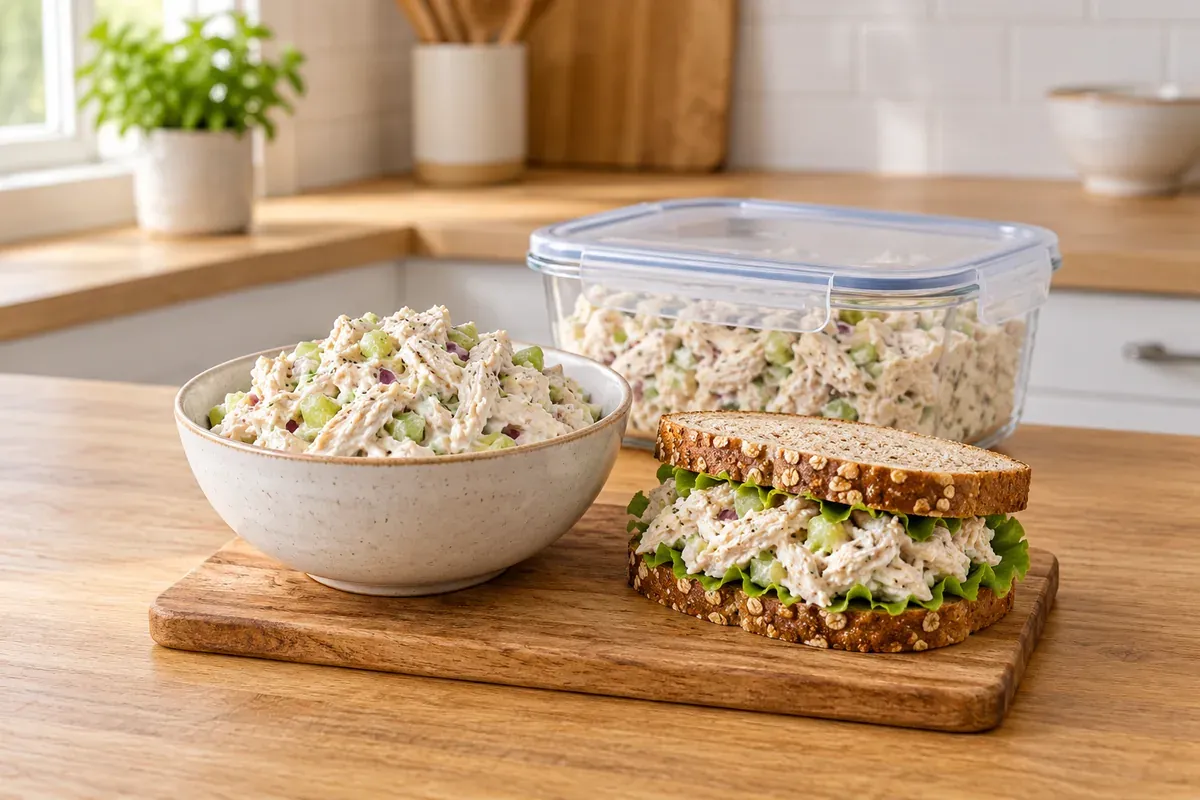
Cooked chicken lasts 3 to 4 days in the refrigerator, the same as other leftovers with poultry. Frozen, it keeps 2 to 3 months for best quality, or 1 to 2 months when the pieces are covered with gravy or broth. Chicken salad also keeps 3 to 4 days in the refrigerator, but FoodKeeper doesn’t recommend freezing it.
How long does cooked rice last in the fridge?
Cooked rice lasts 4 to 6 days in the refrigerator and 6 months in the freezer, according to USDA FoodKeeper. To store it, divide a large amount into shallow containers so it cools quickly, then cover it, wrap it airtight, or seal it in a storage container.
How long are Thanksgiving leftovers good for?
Thanksgiving leftovers last 3 to 4 days in the refrigerator. That covers turkey, turkey with gravy, casseroles, and cooked vegetables and potatoes.
Cut turkey into smaller pieces before you refrigerate it, and slice the breast meat. The legs and wings may be left whole.
How long do mashed potatoes and other sides last?
Mashed and baked potatoes last 3 to 4 days in the refrigerator, the USDA FoodKeeper time for leftovers without meat, fish, poultry, or egg. Casseroles, including sweet potato casserole, keep 3 to 4 days too.
You can freeze them all, including twice-baked potatoes. FoodKeeper’s potatoes entry gives cooked and mashed potatoes 10 to 12 months in the freezer, while its general leftovers line gives 1 to 2 months. Casseroles keep 2 to 3 months.
Pancakes and waffles belong in the freezer, not the fridge. FoodKeeper doesn’t recommend refrigerating them after cooking, because the quality drops, but they keep 3 months frozen. For safety, cook store-bought frozen pancakes as the package directs.
| Side dish | Fridge | Freezer for best quality |
|---|---|---|
| Mashed, baked, or twice-baked potatoes | 3 to 4 days | 1 to 2 months, or 10 to 12 months by the potatoes entry |
| Casseroles, such as sweet potato casserole | 3 to 4 days | 2 to 3 months |
| Pancakes and waffles | Not recommended | 3 months |
How long do chili and soup last in the fridge?
Chili and homemade soup last 3 to 4 days in the refrigerator, the USDA FoodKeeper time for soups and stews. That includes vegetable, tomato, and miso soup.
You can freeze chili, with or without beans, for 2 to 3 months. Most soups keep the same 2 to 3 months, and FoodKeeper gives homemade vegetable soup a little longer, 3 months.
Canned soup has its own times. Unopened, canned tomato soup keeps 12 to 18 months in the pantry, and other canned soups keep 2 to 5 years. Once you open a can, move the soup to the refrigerator.
| Soup | Fridge | Freezer for best quality |
|---|---|---|
| Chili, with or without beans | 3 to 4 days | 2 to 3 months |
| Homemade soups such as tomato, lentil, bean, cabbage, butternut squash, or French onion | 3 to 4 days | 2 to 3 months |
| Homemade vegetable soup | 3 to 4 days | 3 months |
| Canned tomato soup, once opened | 5 to 7 days | Not covered |
| Other canned soups, once opened | 3 to 4 days | Not covered |
How long can leftovers sit out?
Leftovers can sit out for no more than 2 hours, or 1 hour when the temperature is above 90°F (32°C). After that, throw them away.
Leftovers must be in the refrigerator within 2 hours of cooking, or of taking the food off an appliance that keeps it warm.
How to keep food out of the danger zone
Keep hot food at 140°F (60°C) or warmer and cold food at 40°F (4°C) or below. Bacteria grow most rapidly between those temperatures, doubling in number in as little as 20 minutes, and the USDA calls this range the danger zone.
How to cool and wrap leftovers
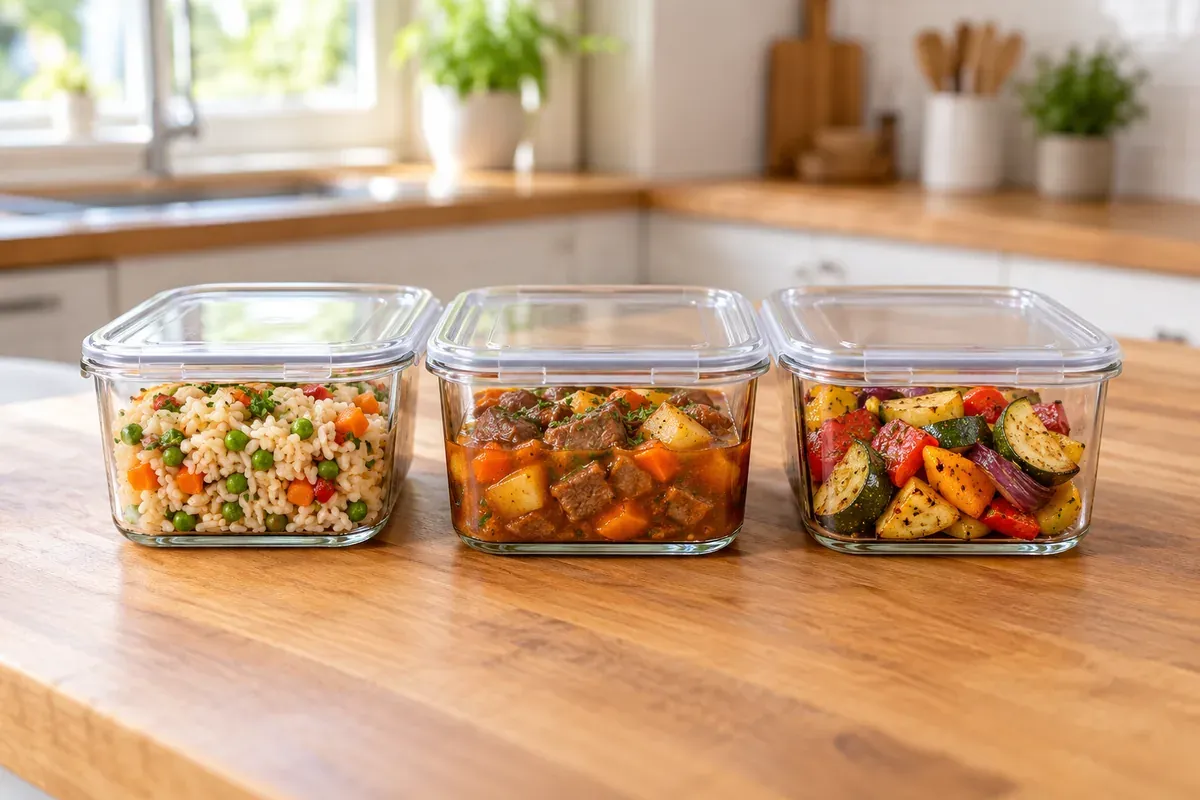
Divide leftovers into shallow containers so they cool fast, then wrap them airtight and refrigerate or freeze them right away.
How to cool leftovers quickly
The goal is to bring leftovers to 40°F (4°C) or below as fast as possible.
- Divide large amounts of food into shallow containers.
- Split a big pot of soup into smaller containers, because a big pot takes a long time to cool and gives bacteria time to multiply.
- Cut large items into smaller portions, and slice whole roasts or hams into smaller parts.
- Put hot food straight in the refrigerator, or chill it first in an ice or cold water bath.
How to wrap leftovers
Cover leftovers, wrap them in airtight packaging, or seal them in storage containers. This keeps bacteria out, retains moisture, and stops leftovers from picking up odors from other food in the refrigerator.
How long do leftovers last in the freezer?
Most leftovers keep 1 to 3 months in the freezer for best quality, and they stay safe indefinitely. Cooked rice keeps 6 months.
The USDA’s leftovers page gives a general window of 3 to 4 months, so the exact time varies by source and by dish. All of these times are about quality, because food kept constantly at 0°F (-18°C) stays safe.
Does freezer burn make leftovers unsafe?
No. Freezer burn doesn’t make food unsafe, only dry in spots. It shows up as grayish-brown leathery spots where air reached the surface, and you can cut those parts away before or after cooking.
How to thaw frozen leftovers
Thaw frozen leftovers in the refrigerator, in cold water, or in the microwave.
- In the refrigerator, thawing takes the longest, but the leftovers stay safe the entire time. Use them within 3 to 4 days or refreeze them.
- In cold water, thawing is faster but needs more attention. Keep the leftovers in a leak-proof package or plastic bag. If the bag leaks, water can get into the food, and bacteria from the air or surroundings could enter it.
- In the microwave, thawing is the fastest. Keep heating the leftovers until they reach 165°F, measured with a food thermometer.
How to reheat leftovers safely
Reheat leftovers to 165°F, measured with a food thermometer. Bring sauces, soups, and gravies to a rolling boil.
Cover leftovers while you reheat them. The cover keeps the moisture in and helps the food heat all the way through.
How to reheat leftovers in the microwave
To reheat leftovers in the microwave, cover them and rotate them for even heating. The moist heat from the cover helps destroy harmful bacteria and heats the food evenly.
- Arrange the food evenly in a covered, microwave-safe glass or ceramic dish, and add some liquid if needed.
- Make sure the cover is microwave-safe, and vent the lid or wrap to let the steam escape.
- Let the food rest, then check the temperature in several places with a food thermometer, because microwaves have cold spots.
Can you reheat frozen leftovers without thawing?
Yes, it’s safe to reheat frozen leftovers without thawing them. Use a saucepan or the microwave for soup or stew, and the oven or the microwave for casseroles and combination meals. It takes longer than reheating thawed food, but it’s safe to do when time is short.
Can you refreeze leftovers?
Yes, and how the leftovers thawed decides what you need to do first.
- Leftovers thawed in the refrigerator can be refrozen, or used within 3 to 4 days.
- Leftovers thawed in cold water should be cooked before you refreeze them.
- Leftovers thawed in the microwave can be refrozen after you heat them to 165°F.
- Food left after reheating previously frozen leftovers to 165°F is safe to refreeze.
- If you froze a large container and need only part of it, thaw it in the refrigerator, take out the portion you need, and refreeze the rest without reheating it.
When to throw leftovers away
Throw away perishable leftovers that sat out for more than 2 hours, or for more than 1 hour when the temperature was above 90°F (32°C). Throw out moldy cooked meat, poultry, casseroles, grain, and pasta too.
Foods with high moisture content can be contaminated below the surface, and moldy foods may also have bacteria growing along with the mold. Don’t sniff a moldy item, because it can cause respiratory trouble.
Frequently asked questions
Can you eat leftovers that were left out overnight?
Leftovers that sat out overnight should be thrown away. Perishable food should not stay at room temperature for more than 2 hours, or 1 hour when the temperature is above 90°F (32°C).
Why should you use leftovers within 3 to 4 days?
Using leftovers within 3 to 4 days means mold doesn't have a chance to grow, according to the USDA. Moldy cooked meat, poultry, casseroles, grain, and pasta should be thrown out.
Can you freeze potato salad or chicken salad?
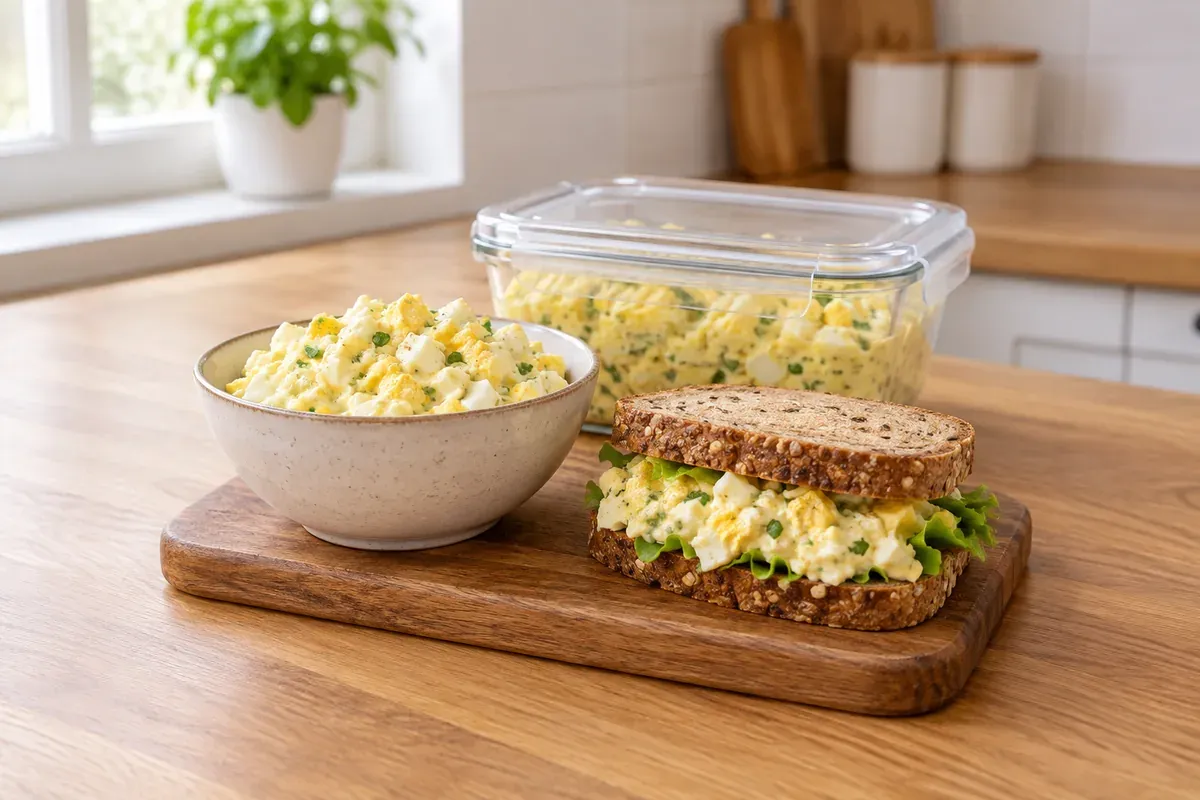
No. FoodKeeper doesn't recommend freezing potato salad, chicken salad, egg salad, or seafood salads. In the refrigerator, potato salad keeps 3 to 5 days and the others keep 3 to 4 days.
How do you cool a big pot of soup?
Divide a big pot of soup into smaller containers so it cools quickly. A big pot takes a long time to cool, which gives bacteria time to multiply.
What temperature should reheated leftovers reach?
Reheated leftovers should reach 165°F, measured with a food thermometer. Sauces, soups, and gravies should be brought to a rolling boil.
Are frozen leftovers safe after many months?
Frozen leftovers stay safe indefinitely when kept constantly at 0°F (-18°C). Only the quality suffers, because they can lose moisture and flavor the longer they're stored.
Does chili powder go bad?
Chili powder keeps 2 years in the pantry, both unopened and after opening, according to USDA FoodKeeper.