
7-Day Meal Plan For Menopause: Foods to Ease Symptoms
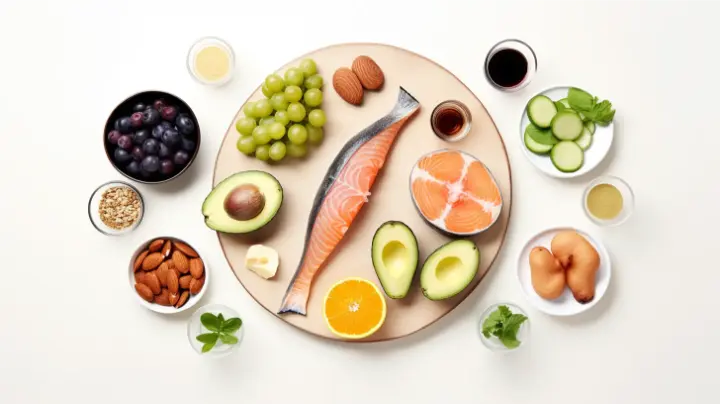
Looking for dietary support to navigate through menopause? Our 7-day meal plan for menopause is focused on hormone-balancing foods. Find out how to create a meal plan that nourishes your changing body, and then simply transpose it onto a shopping list. Let us embark on this new journey in life with good health, supported by menopause-friendly meals that help manage symptoms like hot flashes, fatigue, and mood swings while promoting bone and heart health.
Meal plan grocery list
 Dry goods
 Snacks & sweets
 Meats
 Dairy & eggs
 Beverages
 Spices & sauces
 Fish & seafood
 Fresh grocery
 Bakery
 Plant based
Meal plan overview
Navigating menopause? Our 7-day meal plan focuses on hormone-balancing foods. It's tailored to support your body's changes during menopause.
Expect meals rich in calcium, fiber, and antioxidants, helping to manage symptoms and maintain overall health. This menopause diet plan highlights the best foods for menopause such as leafy greens, flaxseeds, whole grains, berries, and fatty fish, providing essential nutrients that may ease hot flashes, support bone density, and stabilize mood. If you're wondering what to eat during menopause, this plan offers practical, nourishing choices to help you feel your best.
Foods to eat
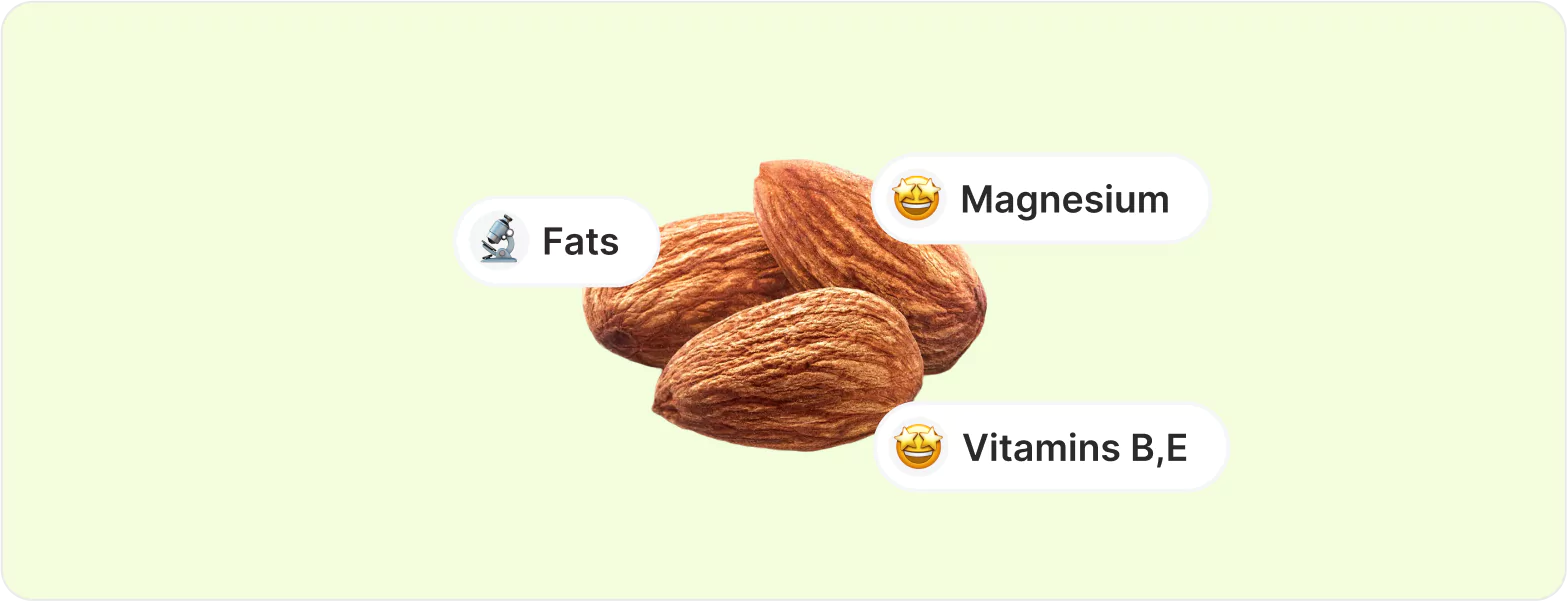
- Calcium-Rich Foods: Include dairy or fortified plant-based milk, leafy greens, and almonds to support bone health.
- Iron-Rich Foods: Consume lean meats, poultry, fish, legumes, and fortified cereals to maintain iron levels.
- Fruits and Vegetables: Eat a variety of colorful fruits and vegetables for antioxidants, vitamins, and fiber.
- Whole Grains: Choose whole grains like quinoa, brown rice, and oats for sustained energy and fiber.
- Healthy Fats: Include sources of healthy fats such as avocados, nuts, seeds, and olive oil for heart health.
- Protein Sources: Incorporate lean proteins like chicken, fish, tofu, and legumes for muscle maintenance.
- Omega-3 Fatty Acids: Eat fatty fish (salmon, mackerel), flaxseeds, and walnuts for their anti-inflammatory properties.
- Hydration: Stay well-hydrated with water, herbal teas, and infused water for overall health.
- Soy Products: Consider incorporating soy products like tofu and edamame for potential relief from menopausal symptoms.
- Flaxseeds: Include flaxseeds in smoothies, yogurt, or salads for their potential to alleviate hot flashes.
- Whole Soy Foods: Choose whole soy foods like tempeh and miso for their potential benefits during menopause.
- High-Fiber Foods: Include fiber-rich foods to support digestive health and manage weight fluctuations often associated with menopause.
- Low-Glycemic Foods: Opt for low-glycemic foods to help manage blood sugar levels and reduce the risk of weight gain.
- Herbal Teas: Enjoy herbal teas like chamomile and peppermint, which may provide relaxation and relief from stress.
Tip
Include foods rich in phytoestrogens, like flaxseeds and soy, to help balance hormones naturally.
Foods not to eat
- Processed Sugars: Avoid or limit foods and beverages high in processed sugars, as they can contribute to energy fluctuations.
- Highly Processed Foods: Minimize intake of highly processed foods that may contain additives, preservatives, and unhealthy fats.
- Caffeine: Limit caffeine intake, especially if it interferes with sleep or exacerbates anxiety and irritability.
- Alcohol: Consume alcohol in moderation, as excessive alcohol intake may disrupt sleep and hormonal balance.
- Salty Foods: Reduce consumption of high-sodium foods, as they may contribute to water retention and bloating.
- Fried and Greasy Foods: Limit fried and greasy foods, as they can be harder to digest and may contribute to weight gain.
- Excessive Red Meat: Moderate the intake of red meat, as high consumption may be associated with certain health risks.
- Artificial Sweeteners: Avoid artificial sweeteners, as they may have potential hormonal effects and impact gut health.
- Spicy Foods: Be cautious with spicy foods, as they may exacerbate hot flashes and digestive discomfort in some individuals.
Read more about key products


Main benefits
The core idea of the 7-Day Meal Plan For Menopause is centered on giving attention to the kind of foods that can help women through this menopausal transition and cover any symptoms of specific hormonal changes. Nutrient-dense food choices consist of those containing high calcium, vitamin D, and phytoestrogen-rich food content. By incorporating various foods into the meal plan that support bone health and hormonal balance, one can alleviate symptoms of menopause and keep overall health in check. This includes foods to balance hormones such as flaxseeds, soy products, and whole grains, which are also key estrogen-rich foods for menopause. Designed as a diet for perimenopause and beyond, the plan offers long-term dietary strategies for supporting well-being during this life stage.
Recommended nutrient breakdown
- Protein: 22%
- Fat: 26%
- Carbs: 44%
- Fiber: 6%
- Other: 2%
How to budget on this meal plan
To budget this menopause meal plan better, focus on buying in bulk, choosing seasonal produce, and opting for generic brands. Design meals around versatile staples like quinoa, lentils, and brown rice. Use eggs and tofu for affordable sources of protein. Limit pricier items like salmon, steak, and smoked salmon to once in a while.
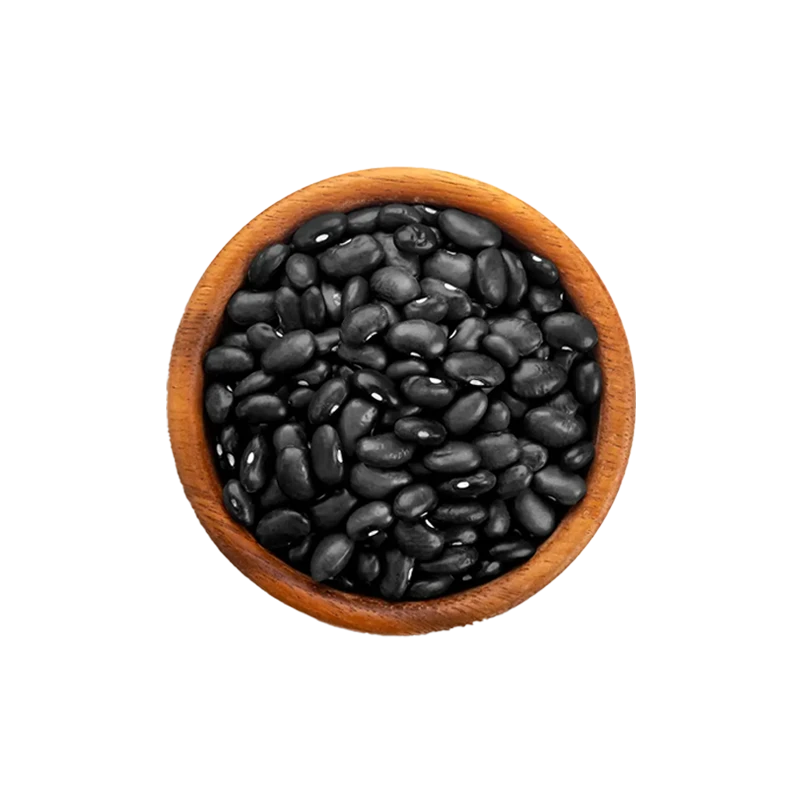
Packed with vitamins, minerals, and antioxidants:

Extra tips
Any healthy snack ideas?
These snacks are great for supporting health during menopause:
- Yogurt with flaxseeds
- Whole grain crackers with cheese
- Nuts and seeds mix
- Fresh fruit salad
- Edamame
- Cottage cheese with pineapple
- Roasted chickpeas
What should I drink on this meal plan?
During menopause, the beverages to be consumed should be ones that will help improve overall health. Water is essential for hydration of the body. Soy milk has been helpful due to the presence of isoflavones in it. Herbal teas, including green tea or red clover, might be of much assistance regarding the menopausal disorder. Bone broth will provide the necessary minerals. Reduction in caffeine and alcohol will promote sleep and reduce hot flashes.
How to get even more nutrients?
During menopause, these changes can be controlled a lot better by taking up a thoughtful diet. Calcium and vitamin D in such food as fortified plant milks and fatty fish help in maintaining the health of the bones, while phytoestrogens present in products such as soy allow relief in imbalances brought about by hormones. It is also healthy, with enough fiber from fruits, vegetables, and whole grains for heart health, and healthy fats from nuts and seeds for weight management and sustaining one's energy. A well-rounded meal plan for hot flashes emphasizes these elements, helping to reduce symptom frequency and intensity through balanced nutrition that supports hormone regulation and temperature control.
Meal plan suggestion
Day 1
- Breakfast: Greek yogurt parfait with mixed berries and a sprinkle of flaxseeds
- Lunch: Quinoa and vegetable stir-fry with tofu and sesame ginger sauce
- Dinner: Baked salmon with roasted sweet potatoes and steamed broccoli
- Calories 🔥: 1800 Fat 💧: 65g Carbs 🌾: 210g Protein 🥩: 100g
Day 2
- Breakfast: Spinach and feta omelette with whole grain toast
- Lunch: Lentil and vegetable soup with a side of mixed green salad
- Dinner: Grilled chicken breast with quinoa and roasted Brussels sprouts
- Calories 🔥: 1850 Fat 💧: 70g Carbs 🌾: 220g Protein 🥩: 95g
Day 3
- Breakfast: Smoothie with kale, banana, almond milk, and a scoop of protein powder
- Lunch: Chickpea and vegetable salad with a lemon-tahini dressing
- Dinner: Baked cod with quinoa and steamed asparagus
- Calories 🔥: 1900 Fat 💧: 70g Carbs 🌾: 215g Protein 🥩: 105g
Day 4
- Breakfast: Whole grain toast with avocado and smoked salmon
- Lunch: Turkey and vegetable wrap with whole grain tortilla
- Dinner: Shrimp and vegetable stir-fry with brown rice
- Calories 🔥: 1800 Fat 💧: 68g Carbs 🌾: 200g Protein 🥩: 100g
Day 5
- Breakfast: Cottage cheese with sliced peaches and a handful of almonds
- Lunch: Quinoa salad with mixed greens, cherry tomatoes, cucumber, feta cheese, olives, and grilled chicken
- Dinner: Grilled steak with sweet potato wedges and roasted vegetables
- Calories 🔥: 1900 Fat 💧: 75g Carbs 🌾: 210g Protein 🥩: 105g
Day 6
- Breakfast: Yogurt and berry smoothie with a handful of walnuts
- Lunch: Mediterranean tuna salad with mixed greens, cherry tomatoes, cucumber, olives, and balsamic vinaigrette
- Dinner: Grilled vegetable and quinoa-stuffed bell peppers
- Calories 🔥: 1800 Fat 💧: 68g Carbs 🌾: 200g Protein 🥩: 95g
Day 7
- Breakfast: Oatmeal with sliced bananas, chia seeds, and a drizzle of honey
- Lunch: Chicken and vegetable curry with brown rice
- Dinner: Baked tilapia with quinoa and sautéed spinach
- Calories 🔥: 1850 Fat 💧: 70g Carbs 🌾: 210g Protein 🥩: 100g
These values are approximate and can vary slightly based on specific portion sizes and preparation methods.
Want to learn more?
Keep in mind
Other meal plans
-

7-day Meal Plan For Mediterranean Diet
Embarking on a Mediterranean journey? You're in for a treat! Discover the secrets of a 7-day Mediterranean diet meal plan and how it can invigorate your health. This article will guide you through a flavorful world of nutritious foods and show you how to turn these meals into an efficient shopping list. Let's set sail!
-

7-day Meal Plan For Weight Loss
Ready to kickstart your weight loss journey? A 7-day meal plan tailored for weight loss could be your golden ticket. In this article, we'll explore how to craft a weight loss meal plan that's both delicious and effective for shedding pounds, plus tips on transforming it into a smart shopping list. Time to get excited about your health goals!
-

7-day Meal Plan For Diabetics
Managing diabetes with diet doesn't have to be daunting. Learn how a 7-day meal plan can help control your blood sugar and improve overall health. We'll guide you through creating diabetic-friendly meals and turning them into a simple shopping list. Let's make healthy eating a breeze!