
Dairy-free meal plan for high blood pressure
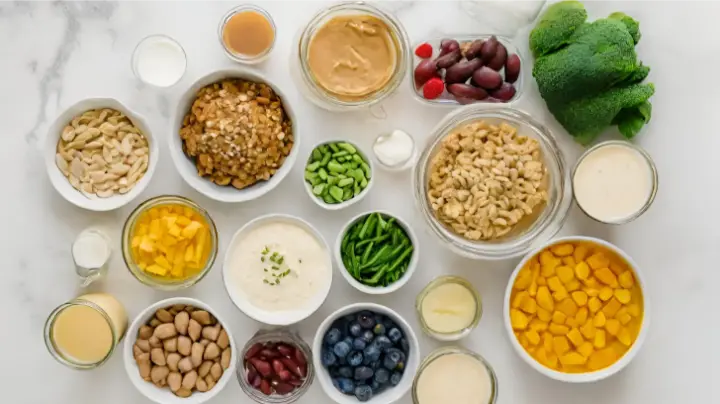
The Dairy-Free Meal Plan for High Blood Pressure features meals rich in potassium and low in sodium, perfect for managing blood pressure. Options like whole grain bowls with leafy greens, fruit-based snacks, and lean protein dishes ensure heart health and dietary enjoyment without dairy.
Meal plan grocery list
 Dry goods
 Baking goods
 Snacks & sweets
 Meats
 Frozen
 Dairy & eggs
 Beverages
 Spices & sauces
 Fish & seafood
 Fresh grocery
 Bakery
 Plant based
Meal plan overview
Manage blood pressure with the Dairy-Free Meal Plan for High Blood Pressure, a diet plan focusing on low-sodium, heart-healthy foods. This dairy-free approach includes a variety of fruits, vegetables, whole grains, and lean proteins, all beneficial for cardiovascular health.
Each meal is designed to be flavorful and satisfying while helping to keep blood pressure in check, without any dairy products.
Foods to eat
- Low-Sodium Foods: Fresh fruits and vegetables, unsalted nuts, and homemade meals.
- Whole Grains: Brown rice, quinoa, and oats.
- Lean Proteins: Fish, poultry, and plant-based proteins like legumes and tofu.
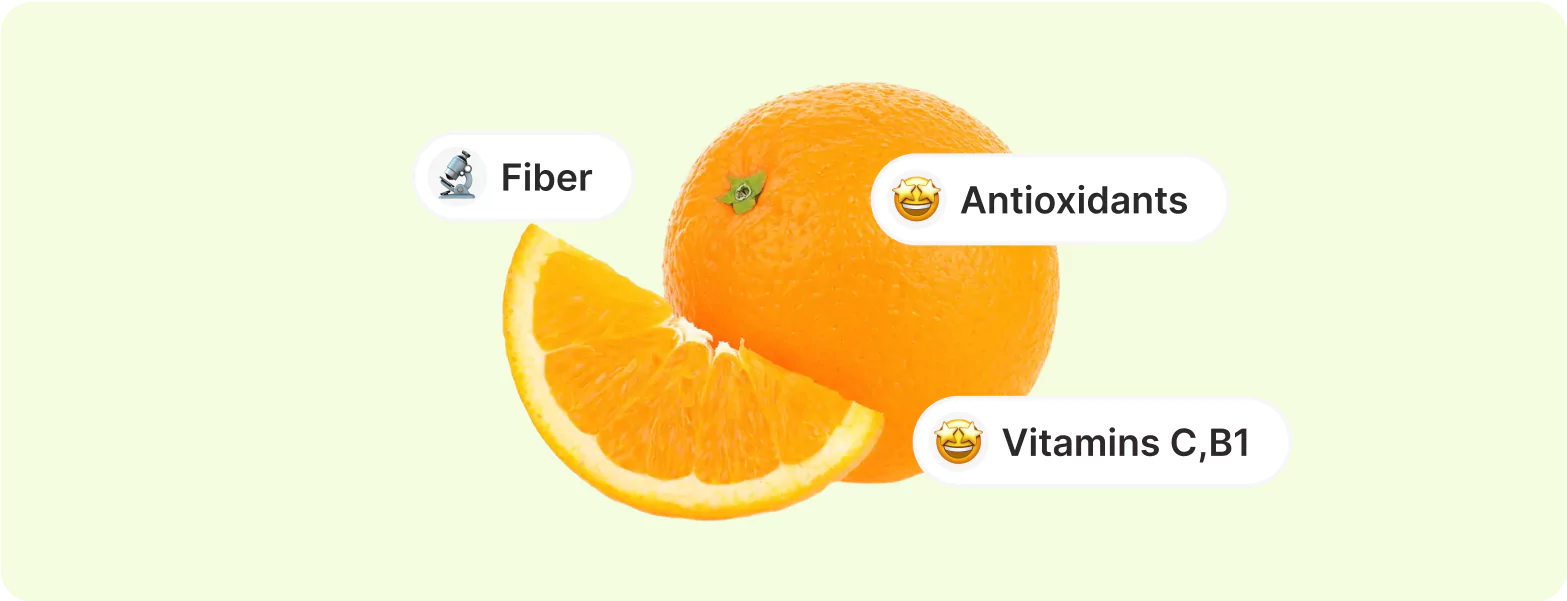
- Potassium-Rich Foods: Bananas, oranges, and sweet potatoes to help manage blood pressure.
- Healthy Fats: Olive oil, avocado, and flaxseeds.
- Herbs and Spices: To flavor food instead of salt.
- Water: Adequate hydration is important for blood pressure regulation.
Tip
Foods not to eat
- High-Sodium Foods: Canned soups, processed meats, and salty snacks.
- Dairy Products: Milk, cheese, yogurt, and butter.
- Processed Foods: Often high in sodium and unhealthy fats.
- Fried Foods: Tend to be high in calories and unhealthy fats.
- Refined Carbohydrates: White bread and pasta.
- Sugary Snacks and Beverages: Can contribute to weight gain and hypertension.
Read more about key products


Main benefits
The Dairy-Free Meal Plan for High Blood Pressure focuses on reducing sodium and increasing potassium, magnesium, and fiber. It includes a variety of vegetables, fruits, whole grains, and lean proteins, all dairy-free, to support cardiovascular health.
Recommended nutrient breakdown
- Protein: 20%
- Fat: 25%
- Carbs: 50%
- Fiber: 3%
- Other: 2%
How to budget on this meal plan
Oatmeal, bananas, and cinnamon are staples for a heart-healthy diet and can be bought in bulk. Chicken breast and quinoa are versatile and can be used in various dishes. Utilize a variety of vegetables like green beans, bell peppers, and salad ingredients in your meals. Homemade almond milk and frozen berries mix can be a cost-effective and healthy snack. Consider making your own dairy-free Greek yogurt alternative and using hummus as a nutritious spread.
Packed with vitamins, minerals, and antioxidants:


Extra tips
Any healthy snack ideas?
These dairy-free snacks help in managing high blood pressure:
- Unsalted mixed nuts
- Oatmeal with sliced bananas
- Whole grain crackers with guacamole
- Baked kale chips
- Fresh watermelon slices
- Celery sticks with unsalted almond butter
- Roasted pumpkin seeds
What should I drink on this meal plan?
For managing high blood pressure on a dairy-free diet, select drinks that support heart health. Hibiscus tea is known for blood pressure management, beet juice helps improve blood flow, water is essential for overall health, green tea offers cardiovascular benefits, and smoothies with leafy greens boost potassium intake.
How to get even more nutrients?
Managing high blood pressure without dairy means focusing on heart-healthy nutrients. Use nuts and seeds like walnuts and flaxseeds, which are high in omega-3 fatty acids and can help lower blood pressure. Whole grains, such as quinoa and farro, are excellent for adding both protein and fiber. Season your dishes with herbs and spices instead of salt to enhance flavors without raising your sodium intake.
Meal plan suggestion
Day 1
- Breakfast: Oatmeal with sliced bananas and a sprinkle of cinnamon (calories: 300, protein: 6g, carbs: 55g, fat: 5g)
- Lunch: Grilled chicken breast with quinoa and steamed mixed vegetables (calories: 400, protein: 30g, carbs: 40g, fat: 10g)
- Snack: Fresh fruit salad (calories: 150, protein: 2g, carbs: 35g, fat: 1g)
- Dinner: Baked salmon with roasted sweet potatoes and steamed green beans (calories: 500, protein: 35g, carbs: 40g, fat: 20g)
Day 2
- Breakfast: Smoothie with spinach, almond milk, frozen berries, and a banana (calories: 250, protein: 5g, carbs: 40g, fat: 7g)
- Lunch: Quinoa and black bean stuffed bell peppers with a side salad (calories: 450, protein: 15g, carbs: 60g, fat: 15g)
- Snack: Carrot and celery sticks with hummus (calories: 150, protein: 5g, carbs: 20g, fat: 6g)
- Dinner: Stir-fried tofu with mixed vegetables and brown rice (calories: 450, protein: 18g, carbs: 65g, fat: 10g)
Day 3
- Breakfast: Chia seed pudding made with coconut milk and topped with mango (calories: 350, protein: 6g, carbs: 35g, fat: 20g)
- Lunch: Lentil soup with a side of steamed kale and gluten-free whole grain bread (calories: 350, protein: 18g, carbs: 40g, fat: 10g)
- Snack: Greek yogurt alternative with a handful of berries (calories: 150, protein: 10g, carbs: 15g, fat: 5g)
- Dinner: Baked chicken thighs with Brussels sprouts and sweet potato (calories: 500, protein: 35g, carbs: 40g, fat: 20g)
Day 4
- Breakfast: Gluten-free toast with avocado and a side of fortified orange juice (calories: 350, protein: 6g, carbs: 40g, fat: 18g)
- Lunch: Chickpea salad with cucumbers, tomatoes, and a lemon-tahini dressing (calories: 400, protein: 15g, carbs: 45g, fat: 20g)
- Snack: Rice cakes with peanut butter (calories: 250, protein: 8g, carbs: 30g, fat: 12g)
- Dinner: Cauliflower steak with a side of roasted Brussels sprouts (calories: 300, protein: 10g, carbs: 35g, fat: 15g)
Day 5
- Breakfast: Berry and spinach smoothie with almond milk and flaxseeds (calories: 280, protein: 5g, carbs: 45g, fat: 8g)
- Lunch: Stuffed bell peppers with quinoa, black beans, and vegetables (calories: 350, protein: 12g, carbs: 55g, fat: 8g)
- Snack: A small pear and a handful of almonds (calories: 200, protein: 4g, carbs: 25g, fat: 12g)
- Dinner: Vegan curry with mixed vegetables, served over brown rice (calories: 450, protein: 12g, carbs: 70g, fat: 12g)
Day 6
- Breakfast: Overnight oats with almond milk, peanut butter, and sliced strawberries (calories: 350, protein: 10g, carbs: 50g, fat: 12g)
- Lunch: Vegan wrap with hummus, grated carrots, and mixed greens (calories: 400, protein: 12g, carbs: 50g, fat: 18g)
- Snack: Edamame pods (calories: 150, protein: 12g, carbs: 10g, fat: 6g)
- Dinner: Vegan chili with kidney beans, lentils, and tomatoes (calories: 400, protein: 20g, carbs: 60g, fat: 10g)
Day 7
- Breakfast: Gluten-free vegan pancakes with a side of fresh fruit (calories: 350, protein: 5g, carbs: 60g, fat: 10g)
- Lunch: Roasted vegetable and quinoa bowl with a lemon vinaigrette (calories: 450, protein: 15g, carbs: 65g, fat: 15g)
- Snack: Baked kale chips (calories: 100, protein: 3g, carbs: 15g, fat: 4g)
- Dinner: Stuffed acorn squash with a mixture of wild rice, cranberries, and walnuts (calories: 400, protein: 8g, carbs: 70g, fat: 10g)
Want to learn more?
- Dietary Approaches to Stop Hypertension (DASH) intervention reduces blood pressure among hypertensive African American patients in a neighborhood health care center
- The effect of home-delivered Dietary Approach to Stop Hypertension (DASH) meals on the diets of older adults with cardiovascular disease
Keep in mind
Other meal plans
-

7-day Meal Plan For Mediterranean Diet
Embarking on a Mediterranean journey? You're in for a treat! Discover the secrets of a 7-day Mediterranean diet meal plan and how it can invigorate your health. This article will guide you through a flavorful world of nutritious foods and show you how to turn these meals into an efficient shopping list. Let's set sail!
-

7-day Meal Plan For Weight Loss
Ready to kickstart your weight loss journey? A 7-day meal plan tailored for weight loss could be your golden ticket. In this article, we'll explore how to craft a weight loss meal plan that's both delicious and effective for shedding pounds, plus tips on transforming it into a smart shopping list. Time to get excited about your health goals!
-

7-day Meal Plan For Diabetics
Managing diabetes with diet doesn't have to be daunting. Learn how a 7-day meal plan can help control your blood sugar and improve overall health. We'll guide you through creating diabetic-friendly meals and turning them into a simple shopping list. Let's make healthy eating a breeze!