
High-protein meal plan for a pregnant woman
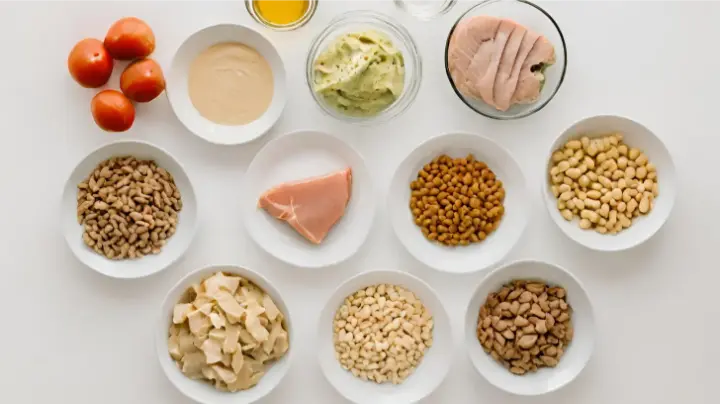
The High-Protein meal plan for a pregnant woman focuses on providing essential proteins needed for fetal development. This high-protein meal plan for pregnancy includes a balanced mix of animal-based and plant-based proteins, along with a variety of fruits, vegetables, and whole grains, ensuring adequate nutrition for both mother and baby.
Meal plan grocery list
 Dairy & eggs
 Meats
 Fish & seafood
 Fresh grocery
 Dry goods
 Bakery
 Plant based
 Spices & sauces
Meal plan overview
The High-Protein meal plan for a pregnant woman caters to the increased protein needs during pregnancy. It is designed to support both the mother's health and the baby's growth with high-quality protein sources, forming a key part of a healthy pregnancy meal plan.
This plan combines lean meats, legumes, and dairy products, providing a balanced approach to meet the dietary requirements of expectant mothers following a protein-rich diet during pregnancy.
Foods to eat
- Lean Proteins: Chicken, turkey, and fish for essential amino acids.
- Legumes: Lentils, chickpeas, and beans for plant-based protein and iron.
- Low-Fat Dairy: Greek yogurt, cottage cheese, and skim milk for calcium and protein.
- Eggs: A versatile source of high-quality protein.
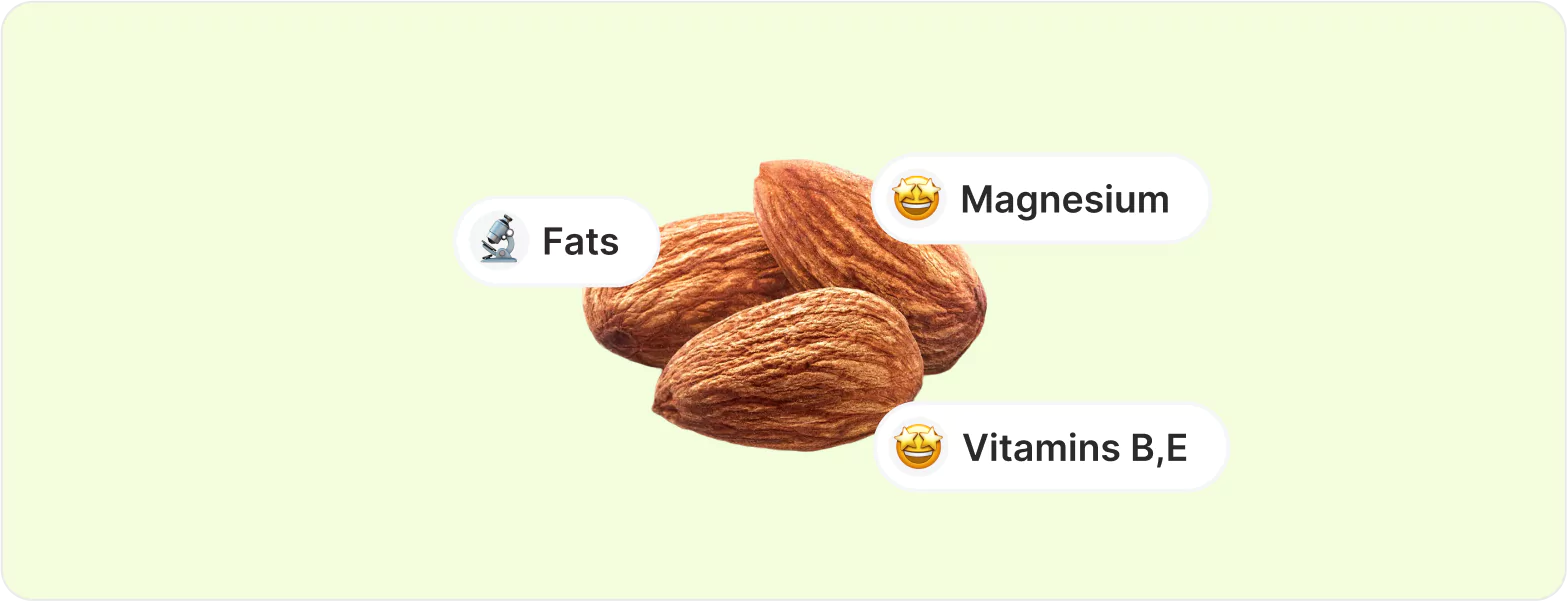
- Nuts and Seeds: Almonds, walnuts, and chia seeds for omega-3s and fiber.
- Whole Grains: Quinoa and whole wheat bread for additional nutrients and fiber.
- Vegetables: A variety of colorful veggies for vitamins and minerals.
- Fruits: Especially those high in vitamin C like oranges and strawberries.
Tip
Consult with a healthcare provider to ensure you're meeting your increased protein needs during pregnancy, and focus on incorporating a variety of protein-rich foods into your meals for optimal nutrition.
Foods not to eat
- Unpasteurized Dairy: To reduce the risk of foodborne illnesses.
- High-Mercury Fish: Such as shark, swordfish, and king mackerel.
- Raw or Undercooked Meats: Due to the risk of bacterial infections.
- Excessive Caffeine: Limit coffee and certain types of tea.
- Processed Foods: High in unhealthy fats and additives.
- Alcohol: Should be avoided during pregnancy.
- Excess Sweets and Sugary Foods: Can lead to excessive weight gain.
- Fried and Fast Foods: Generally low in nutrients and high in calories.
Read more about key products


Main benefits
The High-Protein meal plan for a pregnant woman is designed to meet the increased protein needs during pregnancy. It includes a variety of safe, high-quality protein sources like lean meats, fish (low in mercury), dairy, eggs, and legumes, forming the basis of a pregnancy diet with lean protein. This plan supports fetal growth and maternal health by incorporating pregnancy-safe high-protein foods that provide essential nutrients for pregnancy.
Recommended nutrient breakdown
- Protein: 25%
- Fat: 30%
- Carbs: 40%
- Fiber: 3%
- Other: 2%
How to budget on this meal plan
Focus on buying high-quality protein sources like chicken breast, salmon, and cottage cheese. Lentils and tofu are affordable plant-based protein options. Opt for whole grains like quinoa and whole grain bread, which can be more economical in larger quantities. Seasonal fruits and vegetables offer better nutrition and value. Consider making your own smoothies and snacks to control ingredients and save money.
Packed with vitamins, minerals, and antioxidants:


Extra tips
Any healthy snack ideas?
Pregnant women can enjoy these nutritious, high-protein snacks:
- Scrambled eggs with cheese
- Cottage cheese with fruit
- Chicken salad with Greek yogurt
- Chia pudding with almond milk
- Lean beef sticks
- Roasted turkey and avocado wrap
- Quinoa and black bean salad
What should I drink on this meal plan?
For pregnant women on a high-protein diet, choosing beverages that are safe and nutritious is crucial. Skim milk provides calcium and protein, important for fetal development. Soy milk is a good plant-based alternative with essential proteins. Whey protein shakes can be safe in moderation, and smoothies with Greek yogurt offer a delicious, protein-rich snack. Ensure any herbal teas are pregnancy-safe.
How to get even more nutrients?
For pregnant women, a high-protein diet supports fetal development and maternal health. It’s crucial to choose proteins that are safe and nutritious, such as lean meats, fish low in mercury, eggs, and dairy. Beans and lentils are also excellent for adding both protein and fiber. Understanding how much protein a pregnant woman needs is important, and ensuring a balance of whole grains and healthy fats provides sustained energy while incorporating the best protein foods for pregnancy to support overall dietary needs.
Meal plan suggestion
Day 1
- Breakfast: Greek yogurt with mixed berries and a sprinkle of granola (calories: 300, protein: 20g, carbs: 30g, fat: 10g)
- Lunch: Grilled chicken salad with mixed greens, cherry tomatoes, avocado, and a vinaigrette dressing (calories: 400, protein: 30g, carbs: 20g, fat: 20g)
- Snack: Cottage cheese with pineapple (calories: 180, protein: 15g, carbs: 15g, fat: 5g)
- Dinner: Baked salmon with steamed broccoli and a side of quinoa (calories: 500, protein: 35g, carbs: 30g, fat: 20g)
Day 2
- Breakfast: Scrambled eggs with spinach and whole grain toast (calories: 350, protein: 25g, carbs: 30g, fat: 15g)
- Lunch: Lentil soup with a side salad and whole grain bread (calories: 400, protein: 20g, carbs: 40g, fat: 10g)
- Snack: Hummus with carrot and cucumber sticks (calories: 150, protein: 6g, carbs: 15g, fat: 8g)
- Dinner: Grilled turkey breast with sweet potato and green beans (calories: 450, protein: 40g, carbs: 30g, fat: 15g)
Day 3
- Breakfast: Protein smoothie with almond milk, a banana, and spinach (calories: 300, protein: 20g, carbs: 25g, fat: 10g)
- Lunch: Quinoa salad with cherry tomatoes, cucumber, feta, and grilled vegetables (calories: 400, protein: 15g, carbs: 35g, fat: 20g)
- Snack: A handful of almonds (calories: 170, protein: 6g, carbs: 6g, fat: 15g)
- Dinner: Stir-fried tofu with mixed vegetables and brown rice (calories: 400, protein: 18g, carbs: 30g, fat: 18g)
Day 4
- Breakfast: Oatmeal with almond milk, topped with chopped nuts and a few slices of banana (calories: 350, protein: 15g, carbs: 45g, fat: 12g)
- Lunch: Turkey and avocado wrap with whole grain tortilla (calories: 400, protein: 25g, carbs: 30g, fat: 20g)
- Snack: Greek yogurt with a drizzle of honey (calories: 180, protein: 10g, carbs: 15g, fat: 6g)
- Dinner: Grilled shrimp with a side of quinoa and roasted asparagus (calories: 450, protein: 35g, carbs: 30g, fat: 20g)
Day 5
- Breakfast: Protein pancakes with a small amount of maple syrup and a side of berries (calories: 300, protein: 20g, carbs: 25g, fat: 10g)
- Lunch: Chickpea and vegetable curry with a side of cauliflower rice (calories: 400, protein: 15g, carbs: 30g, fat: 20g)
- Snack: A small pear with a slice of cheese (calories: 150, protein: 6g, carbs: 15g, fat: 8g)
- Dinner: Baked cod with a side of steamed broccoli and carrots (calories: 400, protein: 35g, carbs: 15g, fat: 15g)
Day 6
- Breakfast: Avocado and egg toast on whole grain bread (calories: 350, protein: 18g, carbs: 25g, fat: 20g)
- Lunch: Spinach and goat cheese salad with grilled chicken and a balsamic vinaigrette (calories: 400, protein: 30g, carbs: 15g, fat: 25g)
- Snack: Edamame (calories: 120, protein: 12g, carbs: 8g, fat: 5g)
- Dinner: Vegetable stir-fry with tempeh and a side of brown rice (calories: 450, protein: 20g, carbs: 35g, fat: 20g)
Day 7
- Breakfast: Chia seed pudding with almond milk and mixed berries (calories: 250, protein: 8g, carbs: 20g, fat: 12g)
- Lunch: Roasted turkey and avocado salad with mixed greens and nuts (calories: 450, protein: 35g, carbs: 20g, fat: 25g)
- Snack: A small apple with a tablespoon of almond butter (calories: 180, protein: 4g, carbs: 20g, fat: 10g)
- Dinner: Grilled vegetable skewers with a side of quinoa (calories: 400, protein: 15g, carbs: 30g, fat: 18g)
Want to learn more?
Keep in mind
Other meal plans
-

7-day Meal Plan For Mediterranean Diet
Embarking on a Mediterranean journey? You're in for a treat! Discover the secrets of a 7-day Mediterranean diet meal plan and how it can invigorate your health. This article will guide you through a flavorful world of nutritious foods and show you how to turn these meals into an efficient shopping list. Let's set sail!
-

7-day Meal Plan For Weight Loss
Ready to kickstart your weight loss journey? A 7-day meal plan tailored for weight loss could be your golden ticket. In this article, we'll explore how to craft a weight loss meal plan that's both delicious and effective for shedding pounds, plus tips on transforming it into a smart shopping list. Time to get excited about your health goals!
-

7-day Meal Plan For Diabetics
Managing diabetes with diet doesn't have to be daunting. Learn how a 7-day meal plan can help control your blood sugar and improve overall health. We'll guide you through creating diabetic-friendly meals and turning them into a simple shopping list. Let's make healthy eating a breeze!