
Hypertension meal plan for Mediterranean diet
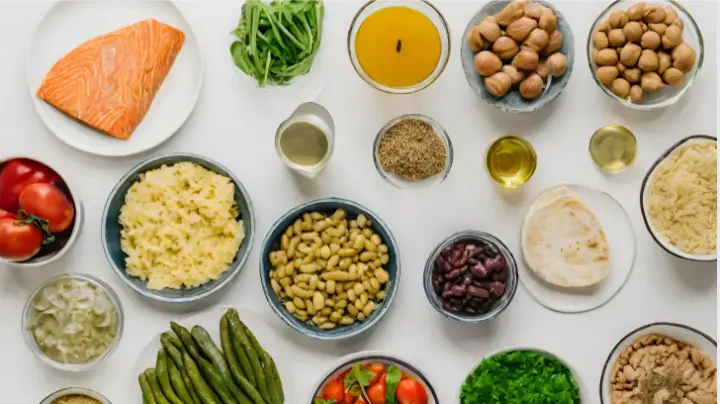
Experience the Mediterranean diet with a heart-healthy twist in the Hypertension Meal Plan for Mediterranean Diet. This plan includes meals like olive oil-drizzled salads, grilled fish, and legume-based dishes, all low in sodium and high in flavor, supporting blood pressure management in a delicious way.
Meal plan grocery list
 Dairy & eggs
 Fresh grocery
 Meats
 Fish & seafood
 Dry goods
 Snacks & sweets
 Beverages
 Spices & sauces
 Cans & jars
 Ready meals
 Bakery
Meal plan overview
The Hypertension Meal Plan for Mediterranean Diet combines the heart-healthy aspects of the Mediterranean diet with a focus on lowering blood pressure. It includes a variety of fruits, vegetables, whole grains, and lean proteins, all rich in nutrients and low in sodium.
This plan is ideal for those with hypertension, offering a delicious way to enjoy Mediterranean cuisine while managing blood pressure levels.

Foods to eat
- Whole Grains: Brown rice, whole wheat pasta, and quinoa for healthy carbohydrates.
- Lean Proteins: Fish, especially fatty fish like salmon, and legumes for protein.
- Healthy Fats: Olive oil, nuts, and seeds, rich in heart-healthy fats.
- Fruits and Vegetables: A variety of colorful fruits and vegetables, particularly leafy greens for potassium.
- Low-Fat Dairy: Yogurt and small amounts of cheese for calcium.
- Herbs and Spices: To flavor food instead of salt.
Tip
Foods not to eat
- High-Sodium Foods: Processed meats, canned soups, and salty snacks.
- Processed Grains: White bread and pastries which are lower in nutrients.
- Excessive Red Meat: Limit to occasional consumption.
- Sugary Foods: Sweets and sugary beverages.
- Excessive Alcohol: Limit intake to moderate levels.
Read more about key products


Main benefits
The Hypertension Meal Plan for Mediterranean Diet combines the heart-healthy aspects of the Mediterranean diet with a focus on reducing blood pressure. It emphasizes fruits, vegetables, whole grains, lean proteins, and healthy fats like olive oil, aiming to lower hypertension risk while offering flavorful meals.
Recommended nutrient breakdown
- Protein: 15%
- Fat: 30%
- Carbs: 50%
- Fiber: 3%
- Other: 2%
How to budget on this meal plan
Bulk-buy staples like Greek yogurt, chicken breast, and salmon. Whole grain bread, quinoa, and chickpeas are cost-effective when bought in larger quantities. Fresh produce like mixed greens, cherry tomatoes, and cucumbers are often cheaper when in season. Olives and feta cheese can be bought in bulk for savings. Consider making your own balsamic vinaigrette and hummus.
Packed with vitamins, minerals, and antioxidants:

Extra tips
Any healthy snack ideas?
Snacks suitable for managing hypertension within a Mediterranean diet:
- Olive tapenade on whole grain bread
- Yogurt with nuts and honey
- Raw vegetables with hummus
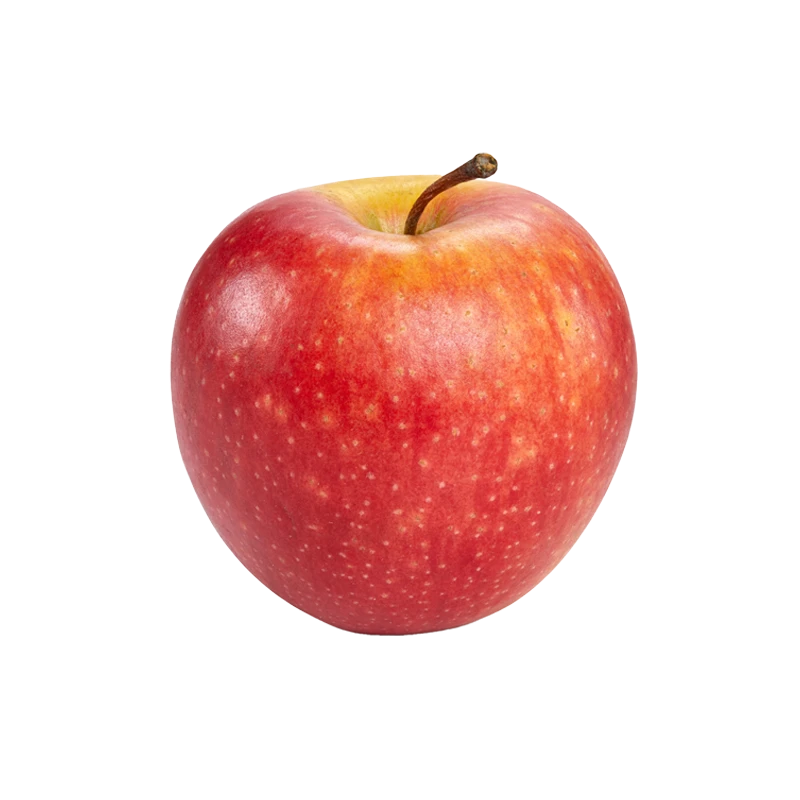
- Fresh fruit like apples or pears
- Mixed nuts (unsalted)
- Whole grain pita with tzatziki
- Grilled vegetables with olive oil
What should I drink on this meal plan?
Managing hypertension on a Mediterranean diet calls for thoughtful beverage choices. Water is paramount for hydration. Herbal teas, like hibiscus, can positively affect blood pressure. Red wine, enjoyed in moderation, complements the Mediterranean style and may offer cardiac benefits. Fresh fruit juices, free from added sugars, are nutritious options. It's important to avoid beverages high in sodium and sugar.
How to get even more nutrients?
Adopting the Mediterranean diet with an emphasis on hypertension management involves eating plenty of heart-healthy foods while keeping sodium intake low. Emphasize the consumption of a diverse array of fruits, vegetables, whole grains, and nuts, which are rich in nutrients, fiber, and antioxidants. Flavor dishes with herbs and spices instead of salt to manage blood pressure effectively. Regularly include sources of omega-3 fatty acids such as fatty fish in your diet, which are beneficial for both blood pressure and diabetes management.
Meal plan suggestion
Day 1
- Breakfast: Greek yogurt with sliced strawberries, honey, and a sprinkle of almonds (calories: 300, protein: 20g, carbs: 25g, fat: 15g)
- Lunch: Mediterranean salad with mixed greens, cherry tomatoes, cucumber, olives, feta cheese, and grilled chicken, dressed with olive oil and balsamic vinegar (calories: 400, protein: 30g, carbs: 15g, fat: 25g)
- Snack: Whole grain crackers with hummus (calories: 200, protein: 5g, carbs: 30g, fat: 8g)
- Dinner: Baked salmon with lemon and herbs, served with quinoa pilaf and steamed broccoli (calories: 450, protein: 30g, carbs: 35g, fat: 20g)
Day 2
- Breakfast: Whole grain toast topped with mashed avocado and poached eggs (calories: 350, protein: 15g, carbs: 30g, fat: 18g)
- Lunch: Whole wheat pita stuffed with grilled vegetables, chickpeas, and tzatziki sauce (calories: 380, protein: 12g, carbs: 45g, fat: 15g)
- Snack: Mixed nuts and dried fruits (calories: 250, protein: 6g, carbs: 20g, fat: 18g)
- Dinner: Grilled chicken kebabs with bell peppers, onions, and zucchini, served with couscous (calories: 400, protein: 25g, carbs: 40g, fat: 15g)
Day 3
- Breakfast: Smoothie made with spinach, banana, Greek yogurt, and almond milk (calories: 300, protein: 15g, carbs: 35g, fat: 12g)
- Lunch: Lentil soup with a side of whole grain bread (calories: 350, protein: 18g, carbs: 50g, fat: 10g)
- Snack: Sliced apple with almond butter (calories: 200, protein: 4g, carbs: 25g, fat: 10g)
- Dinner: Whole wheat pasta with marinara sauce, grilled shrimp, and a mixed green salad (calories: 450, protein: 25g, carbs: 40g, fat: 18g)
Day 4
- Breakfast: Oatmeal topped with fresh berries, walnuts, and a drizzle of honey (calories: 320, protein: 8g, carbs: 45g, fat: 12g)
- Lunch: Greek salad with grilled shrimp, red onion, bell peppers, Kalamata olives, and feta cheese, dressed with olive oil and lemon juice (calories: 380, protein: 20g, carbs: 15g, fat: 25g)
- Snack: Carrot and cucumber sticks with tzatziki sauce (calories: 150, protein: 3g, carbs: 10g, fat: 8g)
- Dinner: Baked cod with cherry tomatoes, capers, and olives, served with roasted potatoes (calories: 400, protein: 30g, carbs: 35g, fat: 18g)
Day 5
- Breakfast: Whole grain English muffin with scrambled eggs, spinach, and feta cheese (calories: 350, protein: 15g, carbs: 30g, fat: 18g)
- Lunch: Mediterranean quinoa salad with diced tomatoes, cucumbers, bell peppers, chickpeas, feta cheese, and a lemon vinaigrette (calories: 400, protein: 20g, carbs: 30g, fat: 20g)
- Snack: Yogurt parfait with Greek yogurt, granola, and mixed berries (calories: 250, protein: 10g, carbs: 30g, fat: 8g)
- Dinner: Grilled lamb chops with rosemary, garlic, and lemon, served with roasted vegetables (calories: 450, protein: 30g, carbs: 25g, fat: 25g)
Day 6
- Breakfast: Whole grain toast with smashed avocado, cherry tomatoes, and a poached egg (calories: 300, protein: 10g, carbs: 25g, fat: 15g)
- Lunch: Tabouleh salad with parsley, tomatoes, cucumbers, mint, lemon juice, and olive oil, served with grilled chicken (calories: 350, protein: 25g, carbs: 20g, fat: 18g)
- Snack: Sliced cucumber with hummus (calories: 150, protein: 4g, carbs: 10g, fat: 8g)
- Dinner: Mediterranean-style baked chicken with olives, tomatoes, and artichokes, served with quinoa (calories: 400, protein: 30g, carbs: 30g, fat: 18g)
Day 7
- Breakfast: Greek yogurt bowl with sliced peaches, almonds, and a drizzle of honey (calories: 350, protein: 20g, carbs: 30g, fat: 15g)
- Lunch: Whole wheat wrap filled with grilled vegetables, feta cheese, and tzatziki sauce (calories: 380, protein: 12g, carbs: 45g, fat: 15g)
- Snack: Trail mix with nuts, seeds, and dried fruits (calories: 250, protein: 5g, carbs: 20g, fat: 18g)
- Dinner: Grilled swordfish with a Mediterranean salsa made from tomatoes, olives, capers, and basil, served with roasted sweet potatoes (calories: 450, protein: 30g, carbs: 35g, fat: 20g)
Want to learn more?
Keep in mind
Other meal plans
-

7-day Meal Plan For Mediterranean Diet
Embarking on a Mediterranean journey? You're in for a treat! Discover the secrets of a 7-day Mediterranean diet meal plan and how it can invigorate your health. This article will guide you through a flavorful world of nutritious foods and show you how to turn these meals into an efficient shopping list. Let's set sail!
-

7-day Meal Plan For Weight Loss
Ready to kickstart your weight loss journey? A 7-day meal plan tailored for weight loss could be your golden ticket. In this article, we'll explore how to craft a weight loss meal plan that's both delicious and effective for shedding pounds, plus tips on transforming it into a smart shopping list. Time to get excited about your health goals!
-

7-day Meal Plan For Diabetics
Managing diabetes with diet doesn't have to be daunting. Learn how a 7-day meal plan can help control your blood sugar and improve overall health. We'll guide you through creating diabetic-friendly meals and turning them into a simple shopping list. Let's make healthy eating a breeze!