
Meal Plan For A Pregnant Woman
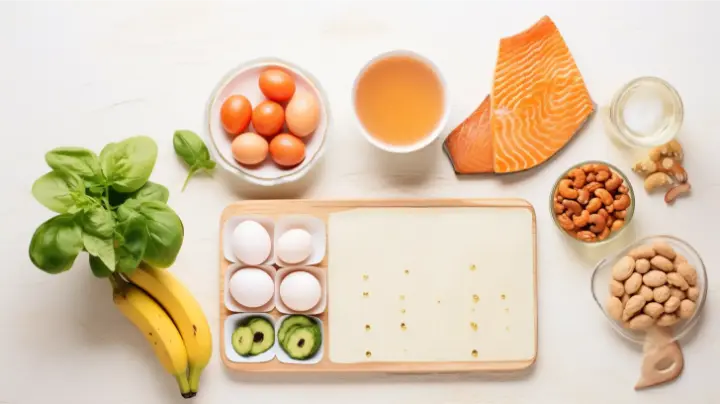
Expecting a bundle of joy and need to eat right? Our 7-day meal plan for pregnant women balances nutrition for you and your baby. We'll also show you how to easily convert these meal plans into a shopping list, making healthy eating simpler than ever.
Meal plan grocery list
 Dry goods
 Snacks & sweets
 Meats
 Dairy & eggs
 Fish & seafood
 Fresh grocery
 Bakery
 Ready meals
 Plant based
Meal plan overview
Expecting mothers need balanced nutrition, and our 7-day meal plan for pregnant women is just that. It's designed to nourish both you and your baby with every bite.
From essential vitamins to adequate proteins, this plan covers all the dietary needs for a healthy pregnancy. Enjoy a week of worry-free, nutritious eating.
Foods to eat
- Folate-Rich Foods: Leafy greens, lentils, beans, and fortified cereals for proper fetal development.
- Lean Proteins: Poultry, fish, tofu, beans, and lean cuts of beef for essential amino acids.
- Dairy or Dairy Alternatives: Milk, yogurt, and cheese for calcium and vitamin D.
- Whole Grains: Brown rice, quinoa, oats, and whole wheat products for fiber and nutrients.
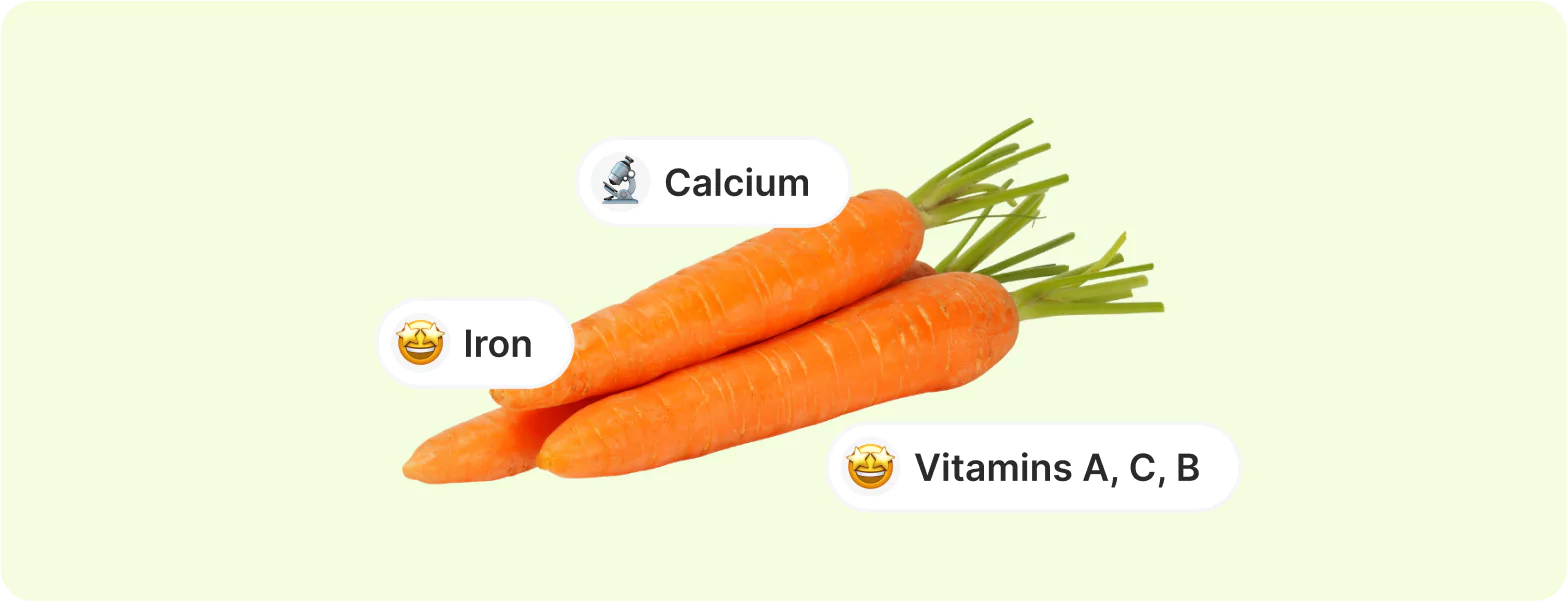
- Colorful Vegetables: Carrots, bell peppers, sweet potatoes, and other vegetables for vitamins.
- Fruits: Berries, oranges, bananas, and other fruits for vitamins and minerals.
- Healthy Fats: Avocados, nuts, seeds, and olive oil for essential fatty acids.
- Iron-Rich Foods: Lean meats, beans, and spinach for proper blood development.
- Hydration: Drink plenty of water throughout the day for proper hydration.
Tip
Focus on high-fiber foods to help with digestive issues commonly experienced during pregnancy.
Foods not to eat
- High-Mercury Fish: Limit intake of high-mercury fish like shark, swordfish, and king mackerel.
- Raw or Undercooked Seafood: Avoid raw fish and undercooked seafood to prevent foodborne illnesses.
- Unpasteurized Dairy: Avoid unpasteurized milk and dairy products to prevent bacterial infections.
- Highly Processed Foods: Minimize intake of highly processed and sugary foods.
- Caffeine: Limit caffeine intake to moderate levels, avoiding excessive consumption.
- Alcohol: Avoid alcohol during pregnancy to prevent fetal alcohol syndrome.
- Raw or Undercooked Eggs: Ensure eggs are fully cooked to avoid the risk of salmonella.
- High-Sugar and High-Fat Snacks: Opt for healthier snacks to maintain a balanced diet.
- Excessive Vitamin A: Avoid excessive intake of vitamin A from supplements.
Read more about key products


Main benefits
The Meal Plan For A Pregnant Woman is tailored to provide essential nutrients for both the mother and the developing baby. This meal plan emphasizes a diverse range of foods to ensure proper nutrition during pregnancy. Rich in folate, iron, calcium, and other vital nutrients, it supports the healthy development of the baby's neural tube, bones, and overall growth. Adequate protein sources contribute to the development of fetal tissues. The inclusion of omega-3 fatty acids from sources like fatty fish promotes brain development. With a focus on maintaining proper weight gain and managing pregnancy symptoms, this meal plan helps ensure the well-being of both the mother and the baby.
Recommended nutrient breakdown
- Protein: 22%
- Fat: 21%
- Carbs: 49%
- Fiber: 6%
- Other: 2%
How to budget on this meal plan
To budget a meal plan for a pregnant woman, focus on nutrient-rich, cost-effective foods. Buy staples like oatmeal, brown rice, and whole grain bread in bulk. Opt for seasonal fruits and vegetables for freshness and value. Utilize eggs, chicken breast, and turkey slices as affordable protein sources, while limiting more expensive proteins like salmon, beef, and pork tenderloin. Homemade granola, hummus, and salad dressings can save money. Choose generic brands for items like yogurt, milk, and almond butter. Plan meals that use similar ingredients to minimize waste and maximize savings.
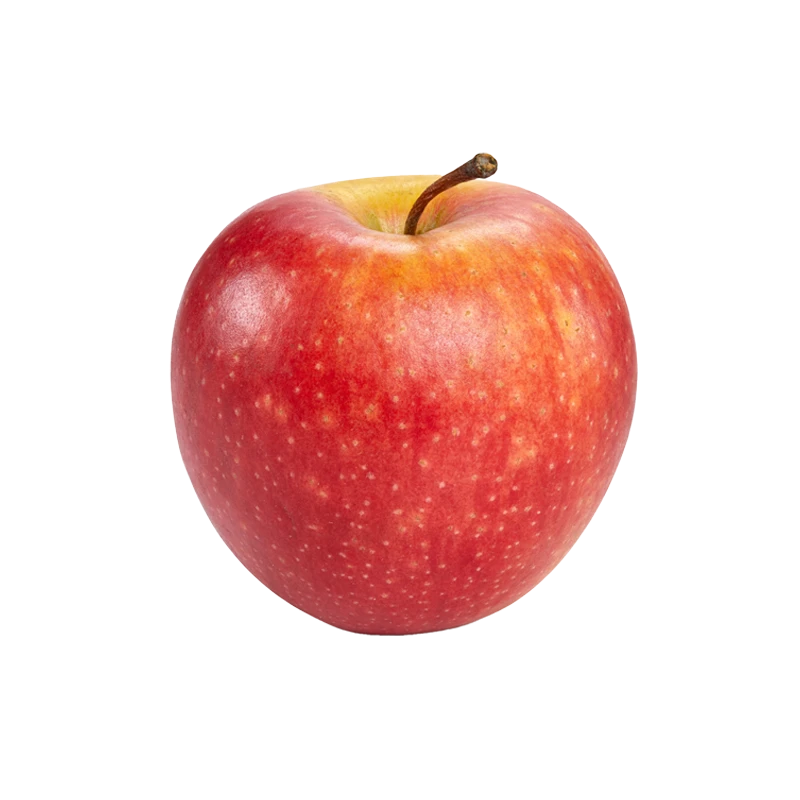
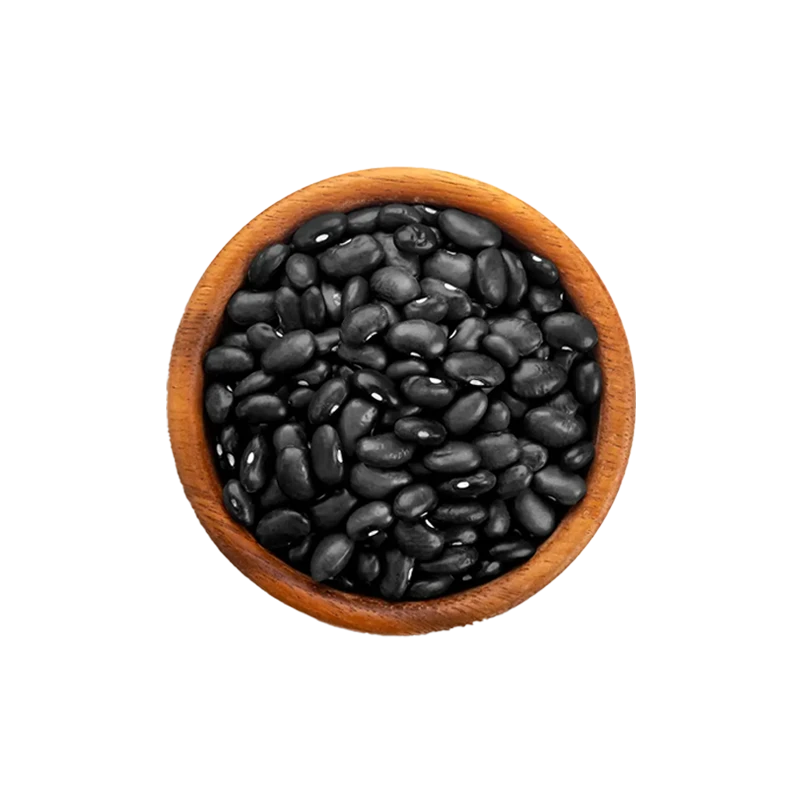
Packed with vitamins, minerals, and antioxidants:

Extra tips
Any healthy snack ideas?
Nutritious snacks for a healthy pregnancy:
- Fruit smoothie with spinach and yogurt
- Cheese and whole grain crackers
- Oatmeal with banana and nuts
- Vegetable sticks with hummus
- Whole wheat toast with almond butter
- Cottage cheese with fruit
- Edamame
What should I drink on this meal plan?
For pregnant women, hydration is key, with water being the best option. Milk provides calcium and vitamin D, essential for the baby's development. Fresh fruit juices, in moderation, supply essential vitamins. Herbal teas, if deemed safe during pregnancy, can be soothing. Smoothies made with fruits, veggies, and a protein source offer balanced nutrition.
How to get even more nutrients?
For pregnant women, optimal nutrition involves a balanced diet that supports fetal development and maternal health. Ensure adequate protein intake from sources like lean meats, fish, eggs, and legumes, as proteins are essential building blocks for the growing baby. Calcium-rich foods support bone health, while iron from meats and leafy greens aids in preventing anemia. Fiber-rich foods and healthy fats are also important, as they contribute to overall nutrient intake and support fetal brain development.
Meal plan suggestion
Day 1
- Breakfast: Oatmeal with berries and milk
- Snack: Apple slices with cheese
- Lunch: Grilled chicken salad with mixed greens and nuts
- Snack: Greek yogurt with honey
- Dinner: Baked salmon with quinoa and steamed vegetables
- Calories 🔥: 2300 Fat 💧: 80g Carbs 🌾: 210g Protein 🥩: 140g
Day 2
- Breakfast: Whole grain toast with avocado and poached eggs
- Snack: Banana with almond butter
- Lunch: Turkey and cheese sandwich with lettuce and tomato
- Snack: Carrot sticks with hummus
- Dinner: Beef stir-fry with brown rice and vegetables
- Calories 🔥: 2400 Fat 💧: 82g Carbs 🌾: 220g Protein 🥩: 145g
Day 3
- Breakfast: Greek yogurt with granola and fruit
- Snack: Mixed nuts
- Lunch: Lentil soup with a side of whole grain bread
- Snack: Sliced cucumber with cheese
- Dinner: Grilled chicken with sweet potato and green beans
- Calories 🔥: 2250 Fat 💧: 78g Carbs 🌾: 200g Protein 🥩: 135g
Day 4
- Breakfast: Scrambled eggs with spinach and whole grain toast
- Snack: Fresh fruit salad
- Lunch: Quinoa salad with grilled vegetables
- Snack: Cottage cheese with pineapple
- Dinner: Baked cod with roasted Brussels sprouts
- Calories 🔥: 2200 Fat 💧: 75g Carbs 🌾: 205g Protein 🥩: 130g
Day 5
- Breakfast: Smoothie with spinach, banana, yogurt, and milk
- Snack: Hard-boiled egg
- Lunch: Chicken Caesar wrap
- Snack: Apple with peanut butter
- Dinner: Spaghetti with meat sauce and a side salad
- Calories 🔥: 2350 Fat 💧: 85g Carbs 🌾: 215g Protein 🥩: 135g
Day 6
- Breakfast: Pancakes with fresh berries
- Snack: Cheese and crackers
- Lunch: Grilled salmon with mixed greens and vinaigrette
- Snack: Greek yogurt with nuts
- Dinner: Pork tenderloin with roasted vegetables
- Calories 🔥: 2450 Fat 💧: 90g Carbs 🌾: 210g Protein 🥩: 140g
Day 7
- Breakfast: French toast with a side of fruit
- Snack: Trail mix
- Lunch: Turkey and avocado sandwich
- Snack: Veggie sticks with ranch dip
- Dinner: Chicken stir-fry with quinoa
- Calories 🔥: 2300 Fat 💧: 80g Carbs 🌾: 205g Protein 🥩: 135g
These values are approximate and can vary slightly based on specific portion sizes and preparation methods.
Want to learn more?
Keep in mind
Other meal plans
-

7-day Meal Plan For Mediterranean Diet
Embarking on a Mediterranean journey? You're in for a treat! Discover the secrets of a 7-day Mediterranean diet meal plan and how it can invigorate your health. This article will guide you through a flavorful world of nutritious foods and show you how to turn these meals into an efficient shopping list. Let's set sail!
-

7-day Meal Plan For Weight Loss
Ready to kickstart your weight loss journey? A 7-day meal plan tailored for weight loss could be your golden ticket. In this article, we'll explore how to craft a weight loss meal plan that's both delicious and effective for shedding pounds, plus tips on transforming it into a smart shopping list. Time to get excited about your health goals!
-

7-day Meal Plan For Diabetics
Managing diabetes with diet doesn't have to be daunting. Learn how a 7-day meal plan can help control your blood sugar and improve overall health. We'll guide you through creating diabetic-friendly meals and turning them into a simple shopping list. Let's make healthy eating a breeze!