
Meal Plan For Acid Reflux
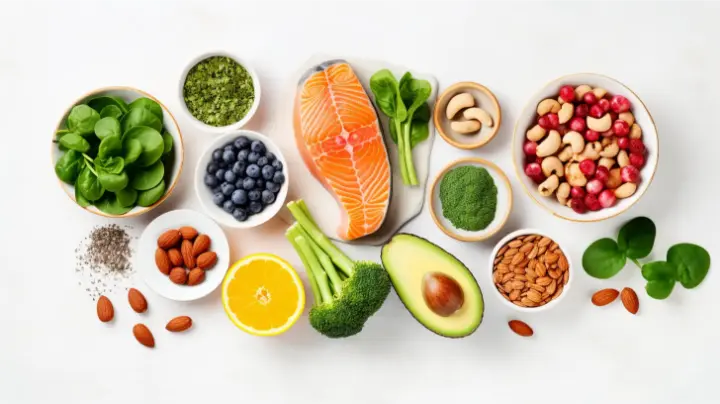
Battling acid reflux and need a soothing diet? Our 7-day meal plan for acid reflux aims to alleviate discomfort. We'll guide you through reflux-friendly meals and show you how to create a shopping list that's easy on your stomach. Let's eat for comfort and health!
Meal plan grocery list
 Dry goods
 Snacks & sweets
 Meats
 Dairy & eggs
 Plant based
 Spices & sauces
 Fresh grocery
 Bakery
 Ready meals
Meal plan overview
Battling acid reflux? Our 7-day meal plan for acid reflux aims to alleviate discomfort. It includes reflux-friendly meals that avoid common triggers like spicy and fatty foods.
This plan is about eating well without the discomfort, ensuring each meal is gentle on your stomach.
Foods to eat
- High-Fiber Foods: Whole grains, vegetables, and fruits to improve digestion and reduce symptoms.
- Lean Proteins: Skinless chicken, turkey, fish, and tofu are less likely to trigger reflux.
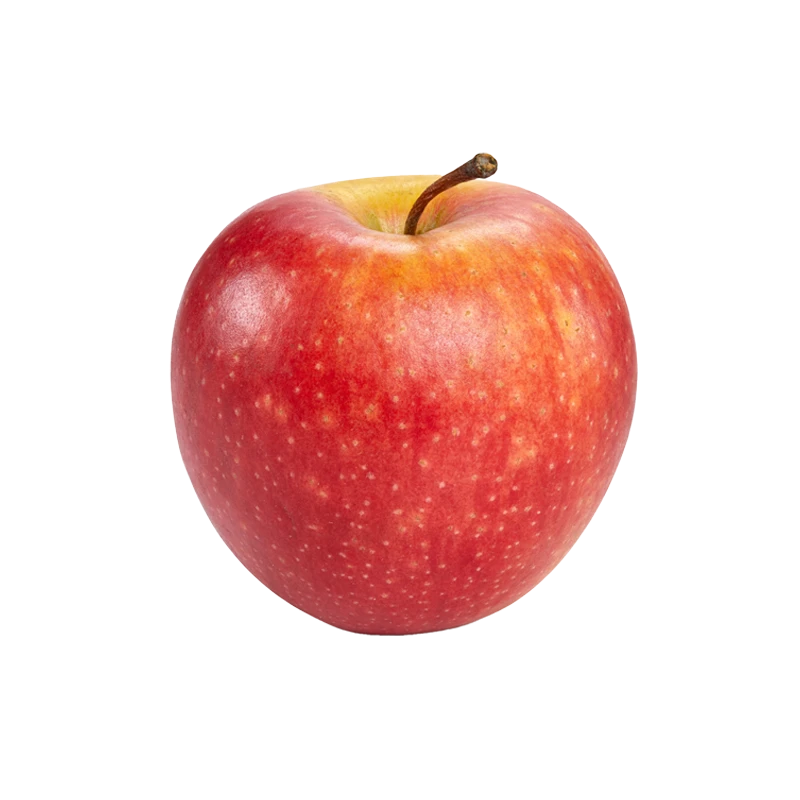
- Non-Citrus Fruits: Apples, pears, and melons are less acidic and gentler on the stomach.
- Vegetables: Green beans, broccoli, asparagus, and cauliflower are low in acid.
- Alkaline Foods: Foods like bananas, almonds, and lettuce can help neutralize stomach acid.
- Ginger: A natural remedy for gastrointestinal discomfort and can aid in acid reduction.
- Water and Herbal Teas: Non-caffeinated beverages that won’t exacerbate acid reflux symptoms.
Tip
Avoid trigger foods like citrus, spicy foods, and caffeine, and eat smaller, more frequent meals to prevent discomfort.
Foods not to eat
- Spicy Foods: Can trigger and worsen acid reflux symptoms.
- Citrus Fruits: Oranges, lemons, and grapefruits are high in acid.
- Tomatoes and Tomato-Based Products: Their acidity can cause reflux symptoms.
- Fatty Foods: Fried foods, high-fat dairy, and fatty meats slow digestion and increase risk of reflux.
- Garlic and Onions: While healthy, they can exacerbate reflux in some people.
- Chocolate: Contains caffeine and other stimulants that can trigger reflux.
- Caffeine and Alcohol: Can relax the esophageal sphincter, leading to reflux.
Read more about key products


Main benefits
The Meal Plan For Acid Reflux focuses on minimizing foods that may trigger acid reflux symptoms. This plan emphasizes low-acid and non-spicy options, including lean proteins, non-citrus fruits, and non-acidic vegetables. By avoiding common triggers and incorporating alkaline foods, the plan supports individuals in managing acid reflux symptoms and promoting digestive comfort.
Recommended nutrient breakdown
- Protein: 20%
- Fat: 20%
- Carbs: 50%
- Fiber: 5%
- Other: 5%
How to budget on this meal plan
To budget this acid reflux-friendly meal plan, buy staples like oatmeal, brown rice, and quinoa in bulk. Opt for seasonal produce like bananas, apples, and mixed greens for savings. Utilize versatile and affordable protein sources like eggs, tofu, and canned chickpeas. Prepare homemade snacks and dressings, like hummus and light vinaigrette, to reduce costs. Choose frozen or canned fruits and vegetables to minimize waste and maintain affordability. Plan meals around sales, especially for pricier items like salmon and beef. Incorporate a mix of fresh, frozen, and canned items to balance nutrition and budget. Consider plant-based proteins and dairy alternatives as cost-effective options.
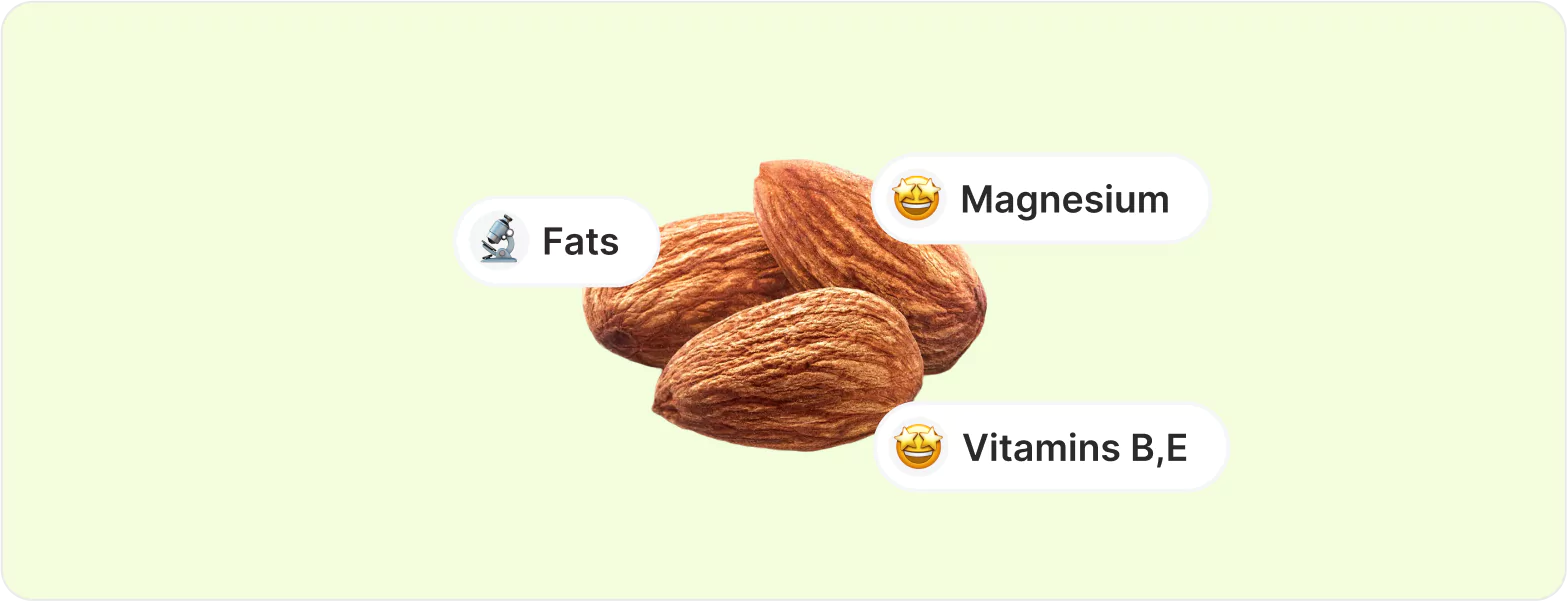
Packed with vitamins, minerals, and antioxidants:

Extra tips
Any healthy snack ideas?
Acid reflux-friendly snacks to reduce symptoms:
- Baked apples with cinnamon
- Ginger tea with honey
- Oatmeal with almond milk
- Low-fat yogurt with melon
- Grilled chicken strips
- Carrot and cucumber sticks
- Whole grain toast with avocado
What should I drink on this meal plan?
For those with acid reflux, soothing and non-irritating beverages are important. Herbal teas, especially ginger and chamomile, can soothe the stomach. Almond milk, being alkaline, can help neutralize stomach acid. Coconut water hydrates without causing reflux. Water is always the best for hydration, and aloe vera juice can soothe irritated esophageal linings.
How to get even more nutrients?
Managing acid reflux involves eating foods that are easy on the stomach. Avoid high-fat and spicy foods, which can exacerbate symptoms. Instead, opt for lean proteins like grilled chicken or turkey to avoid triggering reflux. Incorporate easy-to-digest whole grains like oatmeal and pair them with fiber-rich vegetables and non-citrus fruits to maintain overall health without irritating the esophagus.
Meal plan suggestion
Day 1
- Breakfast: Oatmeal with sliced bananas and a sprinkle of ground flaxseeds
- Lunch: Grilled chicken breast with a side of steamed broccoli and brown rice
- Dinner: Baked salmon with quinoa and roasted asparagus
- Snack: Greek yogurt with honey
- Calories 🔥: 2000 Fat 💧: 70g Carbs 🌾: 220g Protein 🥩: 120g
Day 2
- Breakfast: Scrambled eggs with spinach and whole grain toast
- Lunch: Turkey and avocado wrap with whole grain tortilla
- Dinner: Stir-fried tofu with mixed vegetables and brown rice
- Snack: Almonds
- Calories 🔥: 2100 Fat 💧: 75g Carbs 🌾: 230g Protein 🥩: 110g
Day 3
- Breakfast: Greek yogurt with mixed berries and a drizzle of honey
- Lunch: Spinach and kale salad with grilled chicken and olive oil dressing
- Dinner: Baked cod with roasted zucchini and quinoa
- Snack: Banana
- Calories 🔥: 2050 Fat 💧: 68g Carbs 🌾: 220g Protein 🥩: 115g
Day 4
- Breakfast: Smoothie with banana, almond milk, and a scoop of protein powder
- Lunch: Lentil soup with a side of mixed greens
- Dinner: Grilled shrimp with a quinoa and cucumber salad
- Snack: Carrot sticks with hummus
- Calories 🔥: 2150 Fat 💧: 70g Carbs 🌾: 240g Protein 🥩: 120g
Day 5
- Breakfast: Chia pudding with almond milk and sliced strawberries
- Lunch: Quinoa salad with chickpeas, bell peppers, and lemon-tahini dressing
- Dinner: Beef stir-fry with a variety of vegetables and brown rice
- Snack: Greek yogurt with a drizzle of maple syrup
- Calories 🔥: 2200 Fat 💧: 80g Carbs 🌾: 230g Protein 🥩: 130g
Day 6
- Breakfast: Whole grain toast with almond butter and sliced banana
- Lunch: Hummus and vegetable wrap with whole grain tortilla
- Dinner: Grilled portobello mushrooms with asparagus and brown rice
- Snack: Sliced cucumber with tzatziki
- Calories 🔥: 2100 Fat 💧: 75g Carbs 🌾: 240g Protein 🥩: 115g
Day 7
- Breakfast: Overnight oats with almond milk, chia seeds, and blueberries
- Lunch: Spinach and walnut salad with grilled salmon and a light vinaigrette
- Dinner: Baked chicken breast with roasted sweet potatoes and green beans
- Snack: Melon slices
- Calories 🔥: 2050 Fat 💧: 70g Carbs 🌾: 220g Protein 🥩: 120g
These values are approximate and can vary slightly based on specific portion sizes and preparation methods.
Want to learn more?
Keep in mind
Other meal plans
-

7-day Meal Plan For Mediterranean Diet
Embarking on a Mediterranean journey? You're in for a treat! Discover the secrets of a 7-day Mediterranean diet meal plan and how it can invigorate your health. This article will guide you through a flavorful world of nutritious foods and show you how to turn these meals into an efficient shopping list. Let's set sail!
-

7-day Meal Plan For Weight Loss
Ready to kickstart your weight loss journey? A 7-day meal plan tailored for weight loss could be your golden ticket. In this article, we'll explore how to craft a weight loss meal plan that's both delicious and effective for shedding pounds, plus tips on transforming it into a smart shopping list. Time to get excited about your health goals!
-

7-day Meal Plan For Diabetics
Managing diabetes with diet doesn't have to be daunting. Learn how a 7-day meal plan can help control your blood sugar and improve overall health. We'll guide you through creating diabetic-friendly meals and turning them into a simple shopping list. Let's make healthy eating a breeze!