
meal plan for boxers
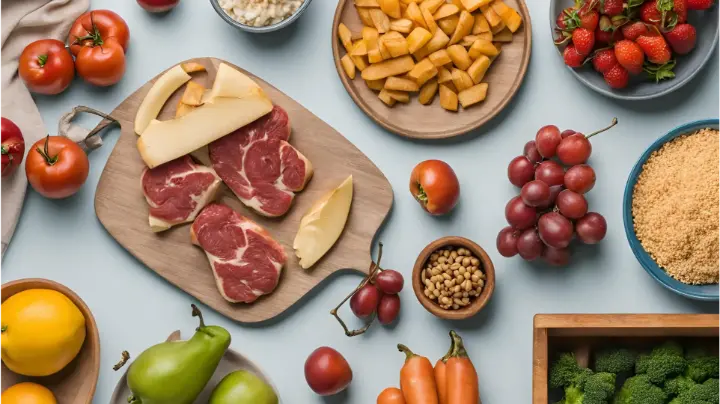
Are you ready to punch your way to peak performance? Proper nutrition is crucial for boxers to maintain strength and agility. That's where a Meal Plan for Boxers comes in. Whether you're training for a fight or maintaining your weight class, eating the right foods is essential. In this guide, we'll outline a meal plan specifically designed for boxers. Discover the perfect combination of proteins, carbs, and recovery foods to keep you fighting fit. Let's dive in and power up your punches!
Meal plan grocery list
 Dry goods
 Meats
 Dairy & eggs
 Fresh grocery
 Snacks & sweets
 Spices & sauces
 Cans & jars
 Bakery
Meal plan overview
Elevate your training with the Meal Plan for Boxers. This plan is specifically designed to fuel intense workouts and support rapid recovery. It features meals rich in protein, complex carbohydrates, and essential fats, including options like grilled chicken, brown rice, and steamed vegetables.
Each day's menu provides the right balance of nutrients to enhance your strength and endurance. Whether you're preparing for a big fight or maintaining your conditioning, this meal plan ensures you have the energy and stamina to perform at your best.
Foods to eat
- High-Quality Proteins: Chicken, beef, eggs, and fish to support muscle growth and repair.
- Complex Carbohydrates: Sweet potatoes, whole grain bread, and oatmeal for energy and endurance.
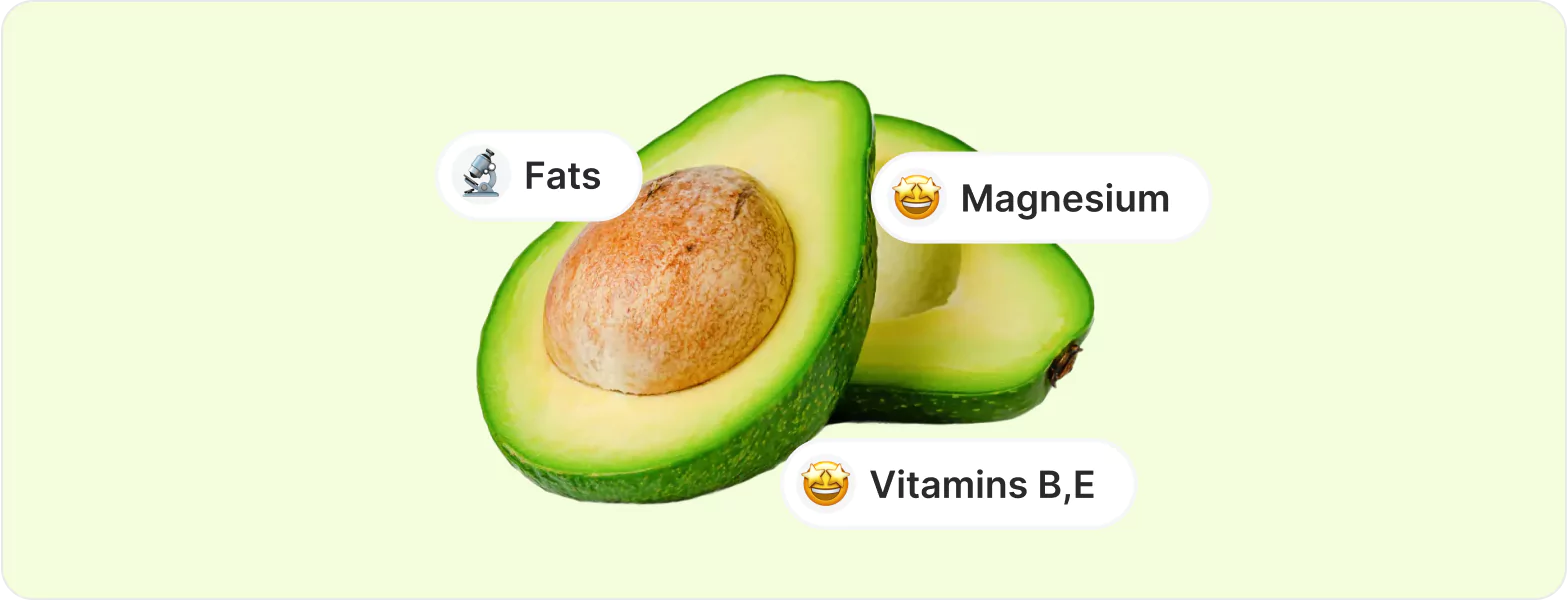
- Healthy Fats: Avocados and nuts for energy and to support cellular health.
- Vegetables and Fruits: Broad variety for nutrients, hydration, and to aid in recovery.
- Hydration: Sufficient water intake crucial for performance and overall health.
Tip
Incorporate frequent small meals and snacks, such as protein shakes and fruit, to maintain energy levels and muscle mass throughout the day.
Foods not to eat
- Processed Junk Foods: Avoid chips, cookies, and other low-nutrient snacks that provide little energy and poor nutritional quality.
- High-Sugar Items: Minimize consumption of sugary cereals and sodas that can disrupt optimal energy levels and weight.
- Excessive Red Meats: Limit red meat consumption as it can increase inflammation and take longer to digest.
- Fried Foods: Stay away from foods cooked in unhealthy oils that can be detrimental to cardiovascular health.
- Caffeinated Energy Drinks: Limit these as they can lead to dehydration and energy crashes during training.
Read more about key products



Main benefits
Choosing a meal plan for boxers brings several key benefits tailored to the needs of those engaged in the sport. The plan ensures a balanced intake of macronutrients, with an emphasis on lean proteins for muscle maintenance and repair. Complex carbohydrates provide sustained energy, while healthy fats offer long-lasting fuel. Hydration strategies are included to prevent dehydration and optimize performance. Additionally, the meal plan incorporates foods that boost endurance, strength, and recovery, keeping boxers in top health and ready to excel in their training and matches.
Recommended nutrient breakdown
- Protein: 30%
- Fat: 20%
- Carbs: 40%
- Fiber: 5%
- Other: 5%
How to budget on this meal plan
Creating a meal plan for boxers that is budget-friendly involves focusing on nutrient-dense, affordable foods that support high-intensity training. Bulk buying staples like oats, brown rice, and legumes provides a cost-effective base for meals. Including versatile proteins like eggs, chicken, and tofu ensures a varied diet without high costs. Preparing meals in advance, such as making a large pot of chili or batch-cooking grilled chicken, can save time and money. Shopping at local markets for fresh, seasonal produce and using leftovers creatively can further stretch your budget while maintaining a balanced and nutritious diet.
Packed with vitamins, minerals, and antioxidants:


Extra tips
Any healthy snack ideas?
Here are some nutritious, high-energy snacks for boxers:
- Greek yogurt mixed with honey and granola
- Banana with a spread of peanut butter
- Trail mix featuring nuts and dried fruit
- Whole grain crackers topped with cheese
- Smoothie made with spinach, berries, and protein powder
- Apple slices paired with almond butter
- Boiled eggs sprinkled with salt and pepper
What should I drink on this meal plan?
Ideal drink options for boxers include water with added electrolytes for hydration, coconut water for natural electrolytes, and protein shakes mixed with water or unsweetened almond milk. Green tea supplies antioxidants, and milk or fortified plant-based drinks deliver necessary calcium and protein. Steer clear of sugary drinks and prioritize hydrating, nutrient-rich beverages.
How to get even more nutrients?
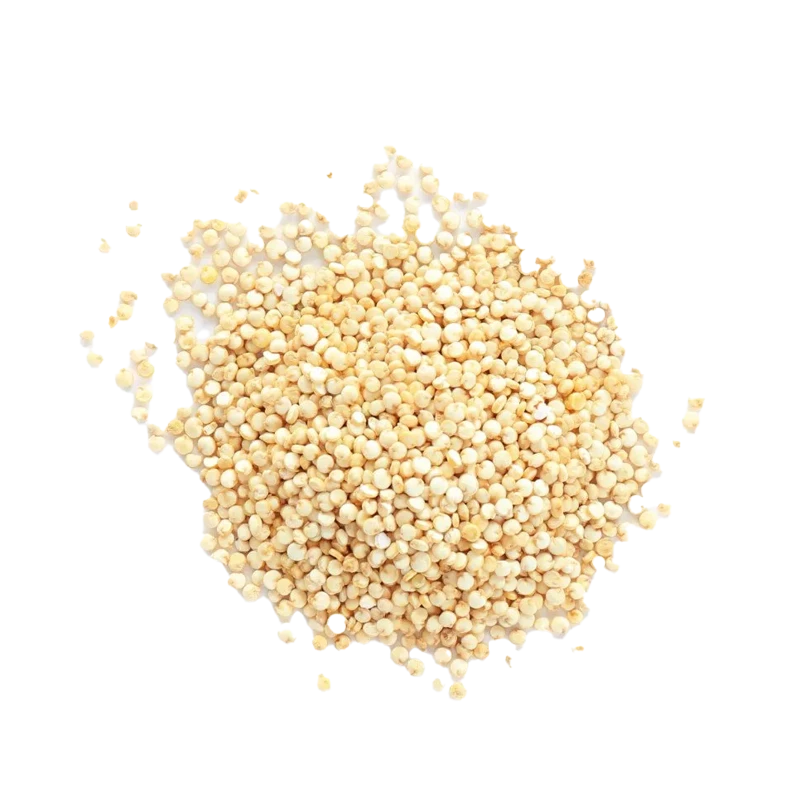
To support strength and recovery, boxers should focus on high-protein, nutrient-dense foods. Choose lean proteins such as chicken, fish, eggs, and beans, seasoned with spices. Incorporate a variety of colorful vegetables like spinach, bell peppers, and carrots to provide essential vitamins and minerals. Include whole grains like brown rice, quinoa, and oats for fiber and sustained energy. Add healthy fats from avocados, nuts, and seeds. Finish with fresh fruits like bananas or berries for natural sweetness and additional nutrients. This balanced approach ensures sustained energy and muscle recovery.
Meal plan suggestion
Day 1
- Breakfast: Oatmeal with milk, sliced bananas, and chia seeds
- Lunch: Grilled chicken breast with brown rice and steamed broccoli
- Dinner: Salmon fillets with sweet potatoes and sautéed spinach
- Snack: Greek yogurt with blueberries and almonds
Day 2
- Breakfast: Whole wheat toast with scrambled eggs and avocado
- Lunch: Tuna salad with mixed greens, bell peppers, and olive oil dressing
- Dinner: Ground beef with quinoa and steamed kale
- Snack: Cottage cheese with sliced strawberries
Day 3
- Breakfast: Smoothie with Greek yogurt, strawberries, banana, and peanut butter
- Lunch: Chicken breast with whole grain pasta and tomato sauce
- Dinner: Baked salmon with brown rice and roasted carrots
- Snack: Apple slices with almond butter
Day 4
- Breakfast: Cottage cheese with walnuts and honey
- Lunch: Quinoa salad with chickpeas, spinach, and avocado
- Dinner: Grilled tuna steaks with sweet potatoes and steamed broccoli
- Snack: Greek yogurt with blueberries and flax seeds
Day 5
- Breakfast: Eggs scrambled with kale and olive oil with whole grain bread
- Lunch: Ground beef stir-fry with bell peppers and onions over brown rice
- Dinner: Chicken breast with sweet potatoes and sautéed spinach
- Snack: Banana with peanut butter
Day 6
- Breakfast: Greek yogurt parfait with oats, almonds, and strawberries
- Lunch: Tuna wrap with whole wheat bread, lettuce, and tomatoes
- Dinner: Salmon fillets with quinoa and roasted bell peppers
- Snack: Cottage cheese with sliced apples
Day 7
- Breakfast: Oatmeal with blueberries, sliced almonds, and milk
- Lunch: Chicken salad with mixed greens, carrots, and avocados
- Dinner: Ground beef with whole wheat pasta and steamed broccoli
- Snack: Greek yogurt with honey and walnuts
Want to learn more?
Keep in mind
Other meal plans
-

7-day Meal Plan For Mediterranean Diet
Embarking on a Mediterranean journey? You're in for a treat! Discover the secrets of a 7-day Mediterranean diet meal plan and how it can invigorate your health. This article will guide you through a flavorful world of nutritious foods and show you how to turn these meals into an efficient shopping list. Let's set sail!
-

7-day Meal Plan For Weight Loss
Ready to kickstart your weight loss journey? A 7-day meal plan tailored for weight loss could be your golden ticket. In this article, we'll explore how to craft a weight loss meal plan that's both delicious and effective for shedding pounds, plus tips on transforming it into a smart shopping list. Time to get excited about your health goals!
-

7-day Meal Plan For Diabetics
Managing diabetes with diet doesn't have to be daunting. Learn how a 7-day meal plan can help control your blood sugar and improve overall health. We'll guide you through creating diabetic-friendly meals and turning them into a simple shopping list. Let's make healthy eating a breeze!