
Pescatarian meal plan for high protein
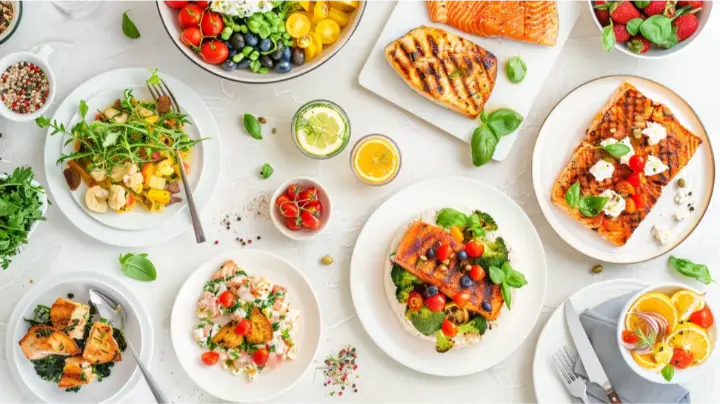
Boost your protein intake with our Pescatarian meal plan for high protein. This plan is packed with protein-rich foods, perfect for those looking to build muscle or maintain a high-energy lifestyle. From grilled salmon to lentil salads and egg-based dishes, you'll enjoy a variety of protein-packed pescatarian meals every day.
Meal plan grocery list
 Fish & seafood
 Dairy & eggs
 Plant based
Meal plan overview
The pescatarian meal plan for high protein is designed to help you meet your protein needs with a variety of delicious foods. This high-protein pescatarian meal plan focuses on seafood, legumes, and other nutrient-dense protein sources to support muscle growth and overall health.
Perfect for those with active lifestyles, this meal plan ensures you stay energized and satisfied throughout the day. Enjoy tasty, protein-packed meals that keep you going strong.
Foods to eat
- High-Protein Fish: Salmon, tuna, and mackerel are excellent sources of protein and healthy fats.
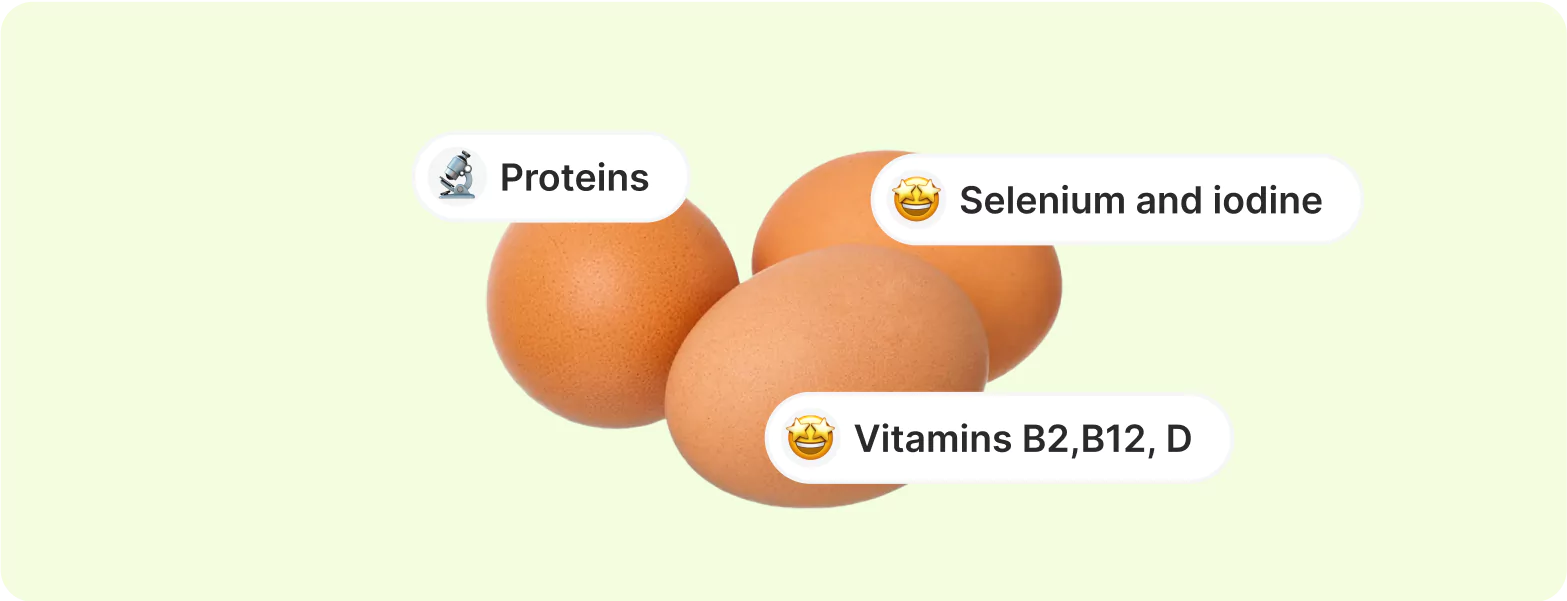
- Eggs: A versatile protein source for meals and snacks.
- Greek Yogurt: High in protein and great for breakfast or as a snack.
- Legumes: Lentils and chickpeas add plant-based protein to your diet.
- Nuts and Seeds: Almonds, chia seeds, and sunflower seeds for additional protein.
Tip
Incorporate spirulina into smoothies or meals for an added punch of protein and essential nutrients.
Foods not to eat
- Sugary Snacks: Candy and cookies that add sugar without protein.
- Refined Grains: White bread and white rice that offer less protein than whole grains.
- Low-Protein Vegetables: While nutritious, vegetables like lettuce and cucumbers have minimal protein.
- High-Sugar Drinks: Sodas and sweetened teas that provide empty calories.
- Processed Foods: Foods with artificial ingredients that often lack nutritional value.
Read more about key products


Main benefits
The pescatarian meal plan for high protein offers a unique advantage of combining both plant-based and seafood proteins, ensuring a diverse amino acid profile. It can also help maintain lean muscle mass while promoting satiety, which is ideal for those looking to manage their appetite. Additionally, the variety of protein sources can enhance overall nutrient absorption and health. Seafood protein benefits include improved metabolism, muscle recovery, and heart health. Omega-3 rich pescatarian foods such as salmon, mackerel, and sardines further support brain function and reduce inflammation.
Recommended nutrient breakdown
- Protein: 25%
- Fat: 30%
- Carbs: 40%
- Fiber: 4%
- Other: 1%
How to budget on this meal plan
To stick to the pescatarian meal plan for high protein on a budget, buy canned or frozen fish, which are often cheaper than fresh options. Stock up on eggs and Greek yogurt when they're on sale, as they are excellent sources of protein. Look for sales and discounts on bulk nuts and seeds to get the best deals. A well-organized pescatarian grocery list can help you stay focused on essential items like legumes, whole grains, and dairy alternatives. Incorporate high-protein pescatarian snacks such as boiled eggs, roasted chickpeas, tuna-stuffed bell peppers, or Greek yogurt with nuts to keep you energized between meals. Diversify your pescatarian protein sources with options like tofu, edamame, cottage cheese, and a variety of seafood to ensure balanced nutrition throughout the week.
Stay strong and satisfied with these foods:


Extra tips
Any healthy snack ideas?
Here are some high-protein snacks perfect for this meal plan:
- Greek yogurt with chia seeds
- Protein smoothies with spinach and hemp seeds
- Boiled shrimp with cocktail sauce
- Edamame with a sprinkle of sea salt
- Seared tuna slices
- Roasted chickpeas
- Almonds and walnuts
What should I drink on this meal plan?
Hydrate with water throughout the day to stay energized. Protein shakes made with almond milk can be a great supplement. Green tea is also a good option for its antioxidants. Herbal teas like ginger or turmeric tea can help with digestion and inflammation.
How to get even more nutrients?
Maximize nutrient intake by including a mix of plant-based proteins like quinoa and chickpeas. Using seaweed can boost iodine and other essential minerals. Incorporate a variety of nuts and seeds for added nutrients and healthy fats. Plant-based protein for pescatarians plays a key role in supporting a balanced diet, especially when combined with seafood for a complete range of amino acids and micronutrients.
Meal plan suggestion
Day 1
- Breakfast: Greek yogurt with chia seeds and strawberries
- Lunch: Spinach salad with grilled salmon, avocado, and lemon-olive oil dressing
- Dinner: Grilled mackerel with quinoa and steamed broccoli
- Snack: Cottage cheese with a handful of almonds
- Calories 🔥: 1800 Fat 💧: 70g Carbs 🌾: 150g Protein 🥩: 130g
Day 2
- Breakfast: Scrambled eggs with spinach and mushrooms
- Lunch: Tuna salad with kale, chickpeas, and lemon dressing
- Dinner: Grilled shrimp with brown rice and steamed asparagus
- Snack: Greek yogurt with blueberries and walnuts
- Calories 🔥: 1750 Fat 💧: 68g Carbs 🌾: 145g Protein 🥩: 125g
Day 3
- Breakfast: Cottage cheese with banana slices and flaxseeds
- Lunch: Quinoa salad with edamame, bell peppers, and olive oil
- Dinner: Grilled crab with lentils and sautéed kale
- Snack: Greek yogurt with raspberries and almonds
- Calories 🔥: 1780 Fat 💧: 69g Carbs 🌾: 148g Protein 🥩: 128g
Day 4
- Breakfast: Oatmeal with hemp protein, blueberries, and chia seeds
- Lunch: Spinach salad with grilled shrimp, avocado, and lemon dressing
- Dinner: Baked salmon with quinoa and roasted broccoli
- Snack: Cottage cheese with a handful of walnuts
- Calories 🔥: 1800 Fat 💧: 70g Carbs 🌾: 150g Protein 🥩: 130g
Day 5
- Breakfast: Greek yogurt with flaxseeds and raspberries
- Lunch: Tofu and edamame stir-fry with bell peppers and quinoa
- Dinner: Grilled mackerel with brown rice and steamed asparagus
- Snack: Cottage cheese with blueberries and almonds
- Calories 🔥: 1750 Fat 💧: 68g Carbs 🌾: 145g Protein 🥩: 125g
Day 6
- Breakfast: Scrambled eggs with spinach and mushrooms
- Lunch: Quinoa salad with chickpeas, kale, and lemon-olive oil dressing
- Dinner: Grilled scallops with lentils and sautéed spinach
- Snack: Greek yogurt with banana slices and chia seeds
- Calories 🔥: 1780 Fat 💧: 69g Carbs 🌾: 148g Protein 🥩: 128g
Day 7
- Breakfast: Cottage cheese with strawberries and flaxseeds
- Lunch: Spinach salad with grilled tuna, avocado, and lemon dressing
- Dinner: Grilled salmon with quinoa and roasted broccoli
- Snack: Greek yogurt with raspberries and almonds
- Calories 🔥: 1800 Fat 💧: 70g Carbs 🌾: 150g Protein 🥩: 130g
These nutritional values are approximate and can vary slightly based on specific portion sizes and preparation methods.
Want to learn more?
Keep in mind
Other meal plans
-

7-day Meal Plan For Mediterranean Diet
Embarking on a Mediterranean journey? You're in for a treat! Discover the secrets of a 7-day Mediterranean diet meal plan and how it can invigorate your health. This article will guide you through a flavorful world of nutritious foods and show you how to turn these meals into an efficient shopping list. Let's set sail!
-

7-day Meal Plan For Weight Loss
Ready to kickstart your weight loss journey? A 7-day meal plan tailored for weight loss could be your golden ticket. In this article, we'll explore how to craft a weight loss meal plan that's both delicious and effective for shedding pounds, plus tips on transforming it into a smart shopping list. Time to get excited about your health goals!
-

7-day Meal Plan For Diabetics
Managing diabetes with diet doesn't have to be daunting. Learn how a 7-day meal plan can help control your blood sugar and improve overall health. We'll guide you through creating diabetic-friendly meals and turning them into a simple shopping list. Let's make healthy eating a breeze!