
Gluten-free meal plan for intermittent fasting
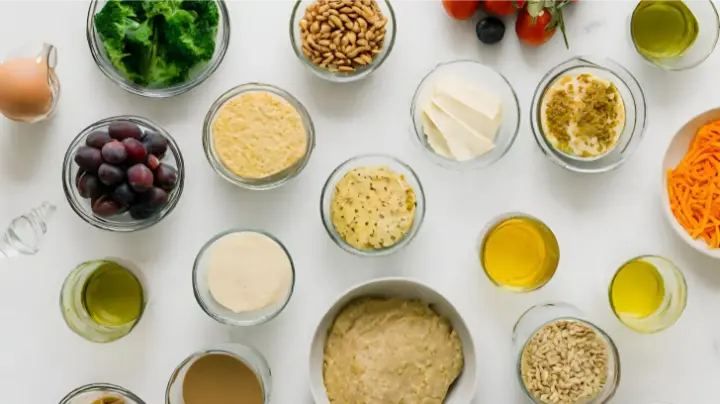
Embark on a gluten-free fasting journey with the Gluten-Free Meal Plan for Intermittent Fasting. This plan orchestrates a variety of fulfilling meals for your eating periods, such as smoothies with gluten-free protein powder, vibrant salads with quinoa, and stir-fried vegetables with lean meats or tofu. Each meal is crafted to sustain you through fasting periods, maximizing nutritional intake while adhering to gluten-free standards.
Meal plan grocery list
 Meats
 Dairy & eggs
 Fish & seafood
 Fresh grocery
 Dry goods
 Plant based
Meal plan overview
The Gluten-Free Meal Plan for Intermittent Fasting is thoughtfully tailored to align with fasting cycles while ensuring gluten-free compliance. It features nutrient-dense meals for the eating windows, including lean proteins, vegetables, and gluten-free grains, all designed to support fasting and feeding rhythms effectively.
Each meal is a fusion of energy-sustaining ingredients and inventive gluten-free cooking, creating a harmonious balance for those practicing intermittent fasting.
Foods to eat
- Proteins: Lean meats, fish, eggs, and legumes for sustained energy and muscle maintenance.
- Gluten-Free Whole Grains: Brown rice, quinoa, and gluten-free oats for energy and fiber.
- Vegetables and Fruits: A wide range to ensure adequate vitamin and mineral intake.
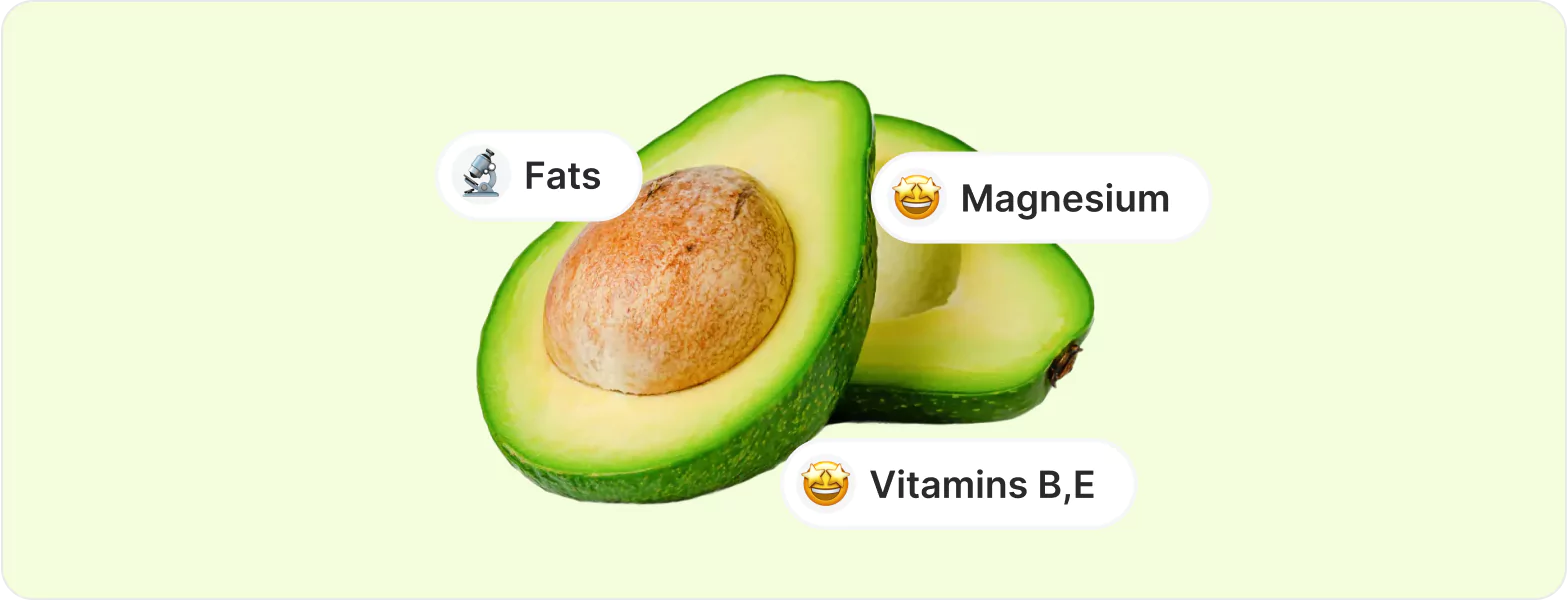
- Healthy Fats: Avocado, nuts, seeds, and olive oil for essential fatty acids and satiety.
- Dairy or Dairy Alternatives: Cheese, yogurt, and milk or plant-based alternatives.
- Hydration: Water, herbal teas, and black coffee during fasting periods.
- Snacks: Gluten-free granola bars, fruits, or nuts for nutrient-dense snacking.
Tip
Plan meals and snacks carefully to ensure they are nutrient-dense and satisfying during eating windows, focusing on protein, healthy fats, and fiber-rich foods.
Foods not to eat
- Gluten-Containing Foods: Wheat, barley, rye, and any products made from these grains.
- High-Sugar Foods: Can cause spikes in blood sugar levels and disrupt fasting benefits.
- Processed Foods: Often contain hidden gluten and are low in nutrients.
- Unhealthy Fats: Trans fats found in some processed and fried foods.
- Alcohol: Best avoided due to its high calorie content and potential to disrupt fasting.
- Excessive Caffeine: Limit coffee and tea to moderate amounts during fasting periods.
Read more about key products



Main benefits
The Gluten-Free Meal Plan for Intermittent Fasting aligns with the fasting and eating windows of intermittent fasting. It consists of gluten-free, nutrient-rich foods that provide sustained energy and satiety during eating periods, making the fasting periods more manageable.
Recommended nutrient breakdown
- Protein: 20%
- Fat: 30%
- Carbs: 45%
- Fiber: 3%
- Other: 2%
How to budget on this meal plan
Chicken breast, mixed greens, and cherry tomatoes are great for salads and can be bought in bulk. Greek yogurt and salmon are excellent protein sources and can often be found on sale. Utilize a variety of vegetables like broccoli, quinoa, and bell peppers in different dishes. Homemade cottage cheese and pineapple mix can be a cost-effective and healthy snack. Consider making your own gluten-free granola and using almond butter as a nutritious spread.
Packed with vitamins, minerals, and antioxidants:


Extra tips
Any healthy snack ideas?
Stay energized during your fasting window with these 7 gluten-free snacks:
- Hard-boiled eggs
- Almond butter and celery sticks
- Green smoothie with spinach, avocado, and coconut water
- Chia pudding made with almond milk
- Cucumber slices with guacamole
- Homemade trail mix with mixed nuts and seeds
- Stuffed bell pepper halves with quinoa and black beans
What should I drink on this meal plan?
For intermittent fasting with a gluten-free focus, stick to water, black coffee, and green tea during fasting periods for hydration without breaking the fast. During eating windows, include nutrient-rich smoothies and bone broth.
How to get even more nutrients?
When intermittent fasting on a gluten-free diet, it's vital to consume foods that provide sustained energy during your eating periods. Foods rich in fiber, such as fruits, vegetables, and gluten-free grains like quinoa, help maintain energy levels and satiety throughout your fasting. Eggs and lean meats are excellent sources of high-quality protein that keep you full and support muscle maintenance.
Meal plan suggestion
Day 1
- Lunch: Grilled chicken salad with mixed greens, cherry tomatoes, and avocado (calories: 400, protein: 30g, carbs: 20g, fat: 20g)
- Snack: Greek yogurt with mixed berries (calories: 200, protein: 10g, carbs: 25g, fat: 6g)
- Dinner: Baked salmon with steamed broccoli and quinoa (calories: 500, protein: 35g, carbs: 40g, fat: 20g)
Day 2
- Lunch: Quinoa and black bean stuffed bell peppers (calories: 350, protein: 15g, carbs: 45g, fat: 10g)
- Snack: Apple slices with almond butter (calories: 250, protein: 5g, carbs: 30g, fat: 15g)
- Dinner: Stir-fried tofu with mixed vegetables and brown rice (calories: 450, protein: 20g, carbs: 50g, fat: 15g)
Day 3
- Lunch: Turkey and avocado wrap using a gluten-free tortilla (calories: 400, protein: 25g, carbs: 30g, fat: 20g)
- Snack: Cottage cheese with pineapple chunks (calories: 200, protein: 15g, carbs: 20g, fat: 5g)
- Dinner: Beef stir-fry with bell peppers and a side of cauliflower rice (calories: 500, protein: 30g, carbs: 30g, fat: 25g)
Day 4
- Lunch: Lentil soup with a side of steamed kale (calories: 350, protein: 18g, carbs: 40g, fat: 10g)
- Snack: Rice cakes topped with peanut butter and banana slices (calories: 300, protein: 8g, carbs: 40g, fat: 12g)
- Dinner: Grilled shrimp with quinoa salad (calories: 450, protein: 30g, carbs: 40g, fat: 15g)
Day 5
- Lunch: Salad with grilled chicken, mixed greens, nuts, and balsamic vinaigrette (calories: 400, protein: 25g, carbs: 20g, fat: 25g)
- Snack: A smoothie with spinach, banana, almond milk, and gluten-free protein powder (calories: 300, protein: 20g, carbs: 40g, fat: 5g)
- Dinner: Baked chicken thighs with roasted Brussels sprouts and a side of sweet potato (calories: 550, protein: 35g, carbs: 40g, fat: 25g)
Day 6
- Lunch: Stuffed acorn squash with quinoa, cranberries, and pecans (calories: 450, protein: 10g, carbs: 60g, fat: 15g)
- Snack: Greek yogurt with a sprinkle of gluten-free granola (calories: 250, protein: 10g, carbs: 30g, fat: 10g)
- Dinner: Grilled vegetable and hummus wrap in a gluten-free tortilla (calories: 400, protein: 12g, carbs: 50g, fat: 20g)
Day 7
- Lunch: Vegan sushi rolls with avocado, cucumber, carrot, and a side of miso soup (calories: 350, protein: 8g, carbs: 50g, fat: 10g)
- Snack: A small handful of almonds and a piece of fruit (calories: 250, protein: 6g, carbs: 20g, fat: 15g)
- Dinner: Gluten-free pasta with tomato sauce and a side of grilled chicken (calories: 500, protein: 30g, carbs: 60g, fat: 15g)
Want to learn more?
Keep in mind
Other meal plans
-

7-day Meal Plan For Mediterranean Diet
Embarking on a Mediterranean journey? You're in for a treat! Discover the secrets of a 7-day Mediterranean diet meal plan and how it can invigorate your health. This article will guide you through a flavorful world of nutritious foods and show you how to turn these meals into an efficient shopping list. Let's set sail!
-

7-day Meal Plan For Weight Loss
Ready to kickstart your weight loss journey? A 7-day meal plan tailored for weight loss could be your golden ticket. In this article, we'll explore how to craft a weight loss meal plan that's both delicious and effective for shedding pounds, plus tips on transforming it into a smart shopping list. Time to get excited about your health goals!
-

7-day Meal Plan For Diabetics
Managing diabetes with diet doesn't have to be daunting. Learn how a 7-day meal plan can help control your blood sugar and improve overall health. We'll guide you through creating diabetic-friendly meals and turning them into a simple shopping list. Let's make healthy eating a breeze!