
High-protein meal plan for diabetics
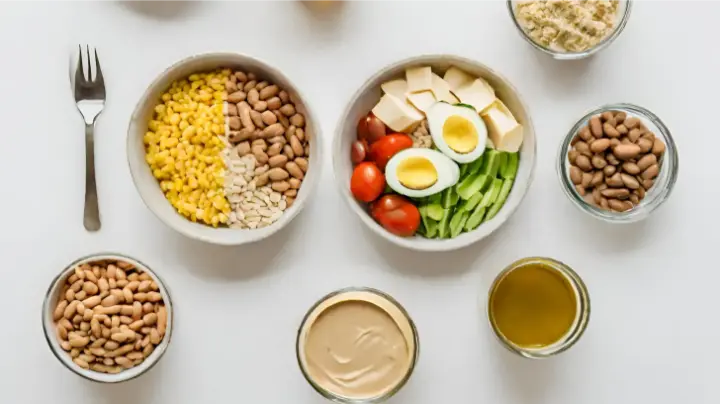
The High-Protein meal plan for diabetics is designed to stabilize blood sugar levels while providing adequate protein. It includes lean meats, fish, eggs, and plant-based proteins, combined with low-glycemic fruits and vegetables. This plan helps in maintaining stable blood sugar levels and provides sustained energy, crucial for managing blood sugar spikes.
Meal plan grocery list
 Dairy & eggs
 Meats
 Fresh grocery
 Dry goods
 Bakery
 Beverages
 Spices & sauces
 Plant based
Meal plan overview
Manage diabetes effectively with the High-protein meal plan for diabetics. This healthy diet focuses on incorporating protein-rich foods that help stabilize blood sugar levels.
With an emphasis on lean proteins, healthy fats, and low-glycemic carbohydrates, it’s a strategic approach to diabetic nutrition.
Foods to eat
- Lean Proteins: Chicken, turkey, and fish to help stabilize blood sugar levels.
- Low-Fat Dairy: Greek yogurt and cottage cheese for a balance of protein and carbohydrates.
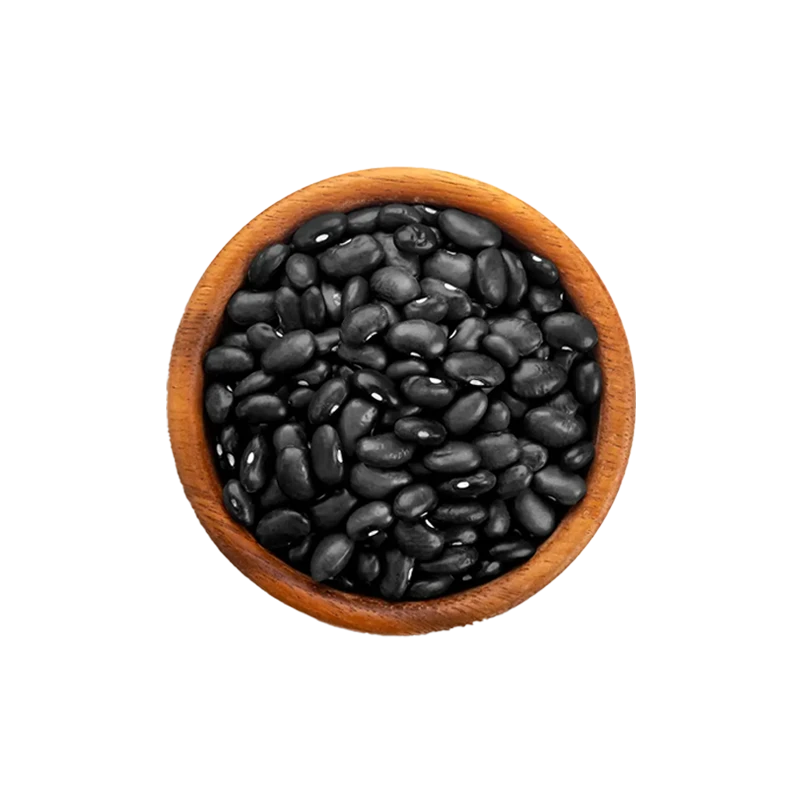
- Legumes: Beans and lentils for protein and fiber which can help control blood sugar.
- Eggs: For a low-carbohydrate source of protein.
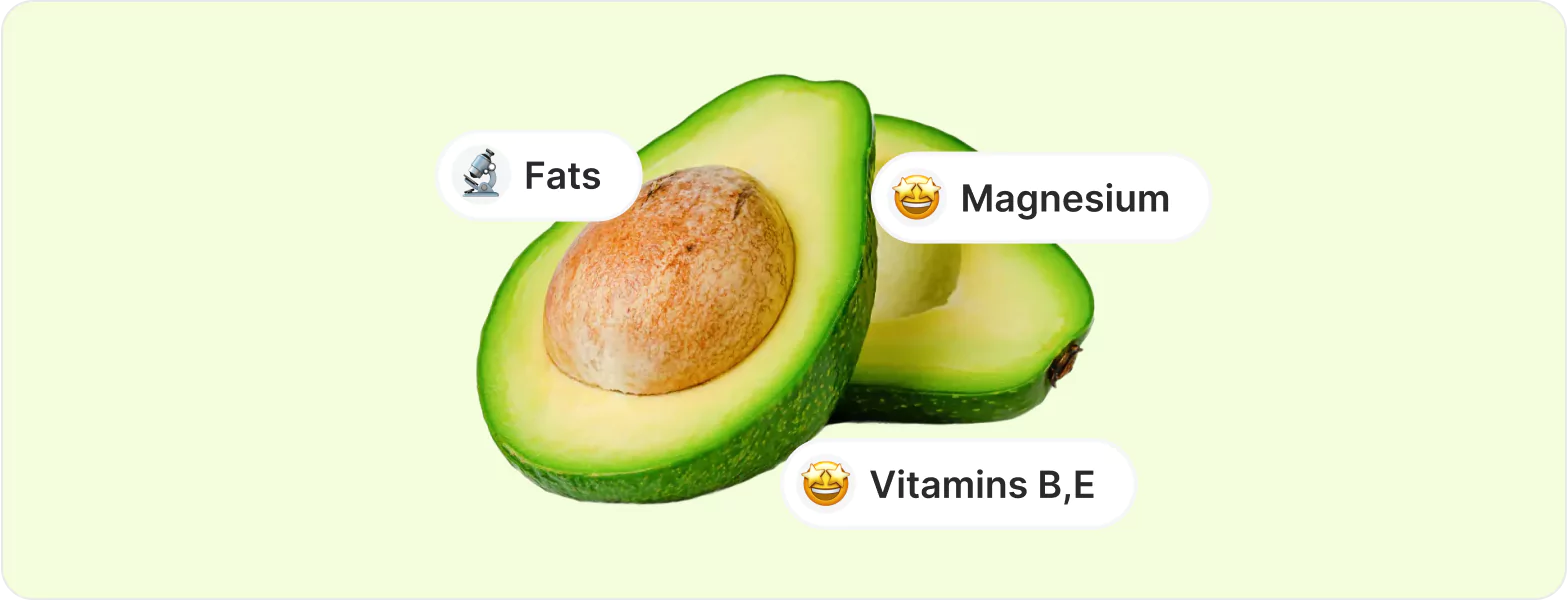
- Healthy Fats: Avocados, nuts, and seeds to promote fullness and provide essential fatty acids.
- Non-Starchy Vegetables: Such as leafy greens, cucumbers, and bell peppers.
- Whole Grains: Like quinoa, barley, brown rice, and whole wheat bread in moderation.
- Plenty of Water: To stay hydrated and support overall health.
Tip
Choose protein sources that are low in saturated fat and processed additives to support blood sugar control and overall health.
Foods not to eat
- Sugary Foods: Sweets, desserts, and sugary beverages that can spike blood sugar levels.
- High-Fat Meats: Sausages and fatty cuts of meat high in saturated fats.
- Processed Carbohydrates: White bread, pasta, and other refined grains.
- Full-Fat Dairy: High in saturated fat and calories.
- Fried Foods: Can be high in calories and unhealthy fats.
- Alcohol: Can affect blood sugar control.
- High-Sodium Snacks: Like chips and processed meats, which can impact heart health.
- Trans Fats: Found in some processed foods.
Read more about key products


Main benefits
The High-Protein meal plan for diabetics is designed to help regulate blood sugar levels while providing ample protein within healthy meals. It includes low-glycemic-index sources of protein such as lean meats, fish, eggs, and plant-based options. This healthy eating plan helps in maintaining blood sugar levels stable and provides sustained energy, which is crucial for diabetes diet.
Recommended nutrient breakdown
- Protein: 30%
- Fat: 25%
- Carbs: 40%
- Fiber: 3%
- Other: 2%
How to budget on this meal plan
Focus on lean proteins like chicken breast, eggs, and tofu, which can be bought in bulk. Unsweetened almond milk and Greek yogurt are often cheaper in larger containers. Opt for a variety of vegetables, buying them in season for the best prices. Homemade snacks like nuts and seeds mixes are cost-effective and diabetic-friendly.
Packed with vitamins, minerals, and antioxidants:

Extra tips
Any healthy snack ideas?
Diabetics can enjoy these high-protein, low-sugar snacks:
- Almonds and walnuts mix
- Cheese slices with apple
- Roasted chickpeas
- Tuna salad with avocado
- Boiled egg with spinach
- Beef jerky (low sodium)
- Grilled tofu with soy sauce
What should I drink on this meal plan?
For people with diabetes following a high-protein diet, beverage choices should support stable blood sugar levels. Almond milk is a low-carb option, while whey protein shakes can help with blood sugar management. Unsweetened soy milk provides protein without excess sugar, and bone broth offers protein with healthful minerals. Green tea can also be beneficial due to its antioxidant properties.
How to get even more nutrients?
Diabetes meal plan focuses on stabilizing blood sugar levels while providing essential nutrients. Lean protein sources like chicken, fish, and plant-based proteins such as tofu and tempeh are excellent choices. These proteins help moderate blood glucose spikes and provide sustained energy. Pairing these with healthy foods rich in fiber and healthy fats can further aid in managing diabetes effectively while ensuring a balanced diet.
Meal plan suggestion
Day 1
- Breakfast: Scrambled eggs with spinach and mushrooms (calories: 250, protein: 20g, carbs: 5g, fat: 15g)
- Lunch: Grilled chicken salad with mixed greens, avocado, and olive oil dressing (calories: 400, protein: 35g, carbs: 10g, fat: 20g)
- Snack: Greek yogurt with a sprinkle of chia seeds (calories: 180, protein: 12g, carbs: 10g, fat: 8g)
- Dinner: Baked salmon with steamed asparagus and quinoa (calories: 500, protein: 40g, carbs: 20g, fat: 22g)
Day 2
- Breakfast: Omelette with feta cheese and tomatoes (calories: 300, protein: 22g, carbs: 8g, fat: 20g)
- Lunch: Tuna salad with mixed greens and a lemon-olive oil dressing (calories: 350, protein: 30g, carbs: 10g, fat: 18g)
- Snack: A handful of almonds (calories: 170, protein: 6g, carbs: 6g, fat: 15g)
- Dinner: Stir-fried tofu with mixed vegetables (calories: 350, protein: 18g, carbs: 20g, fat: 18g)
Day 3
- Breakfast: Cottage cheese with sliced cucumber (calories: 180, protein: 15g, carbs: 5g, fat: 8g)
- Lunch: Quinoa and black bean salad with bell peppers and avocado (calories: 400, protein: 15g, carbs: 30g, fat: 18g)
- Snack: Hummus with carrot sticks (calories: 150, protein: 6g, carbs: 15g, fat: 8g)
- Dinner: Grilled shrimp over a large salad with olive oil and lemon dressing (calories: 400, protein: 35g, carbs: 15g, fat: 22g)
Day 4
- Breakfast: Protein shake with unsweetened almond milk and spinach (calories: 220, protein: 20g, carbs: 6g, fat: 10g)
- Lunch: Lentil soup with a side of whole grain bread (calories: 350, protein: 18g, carbs: 35g, fat: 10g)
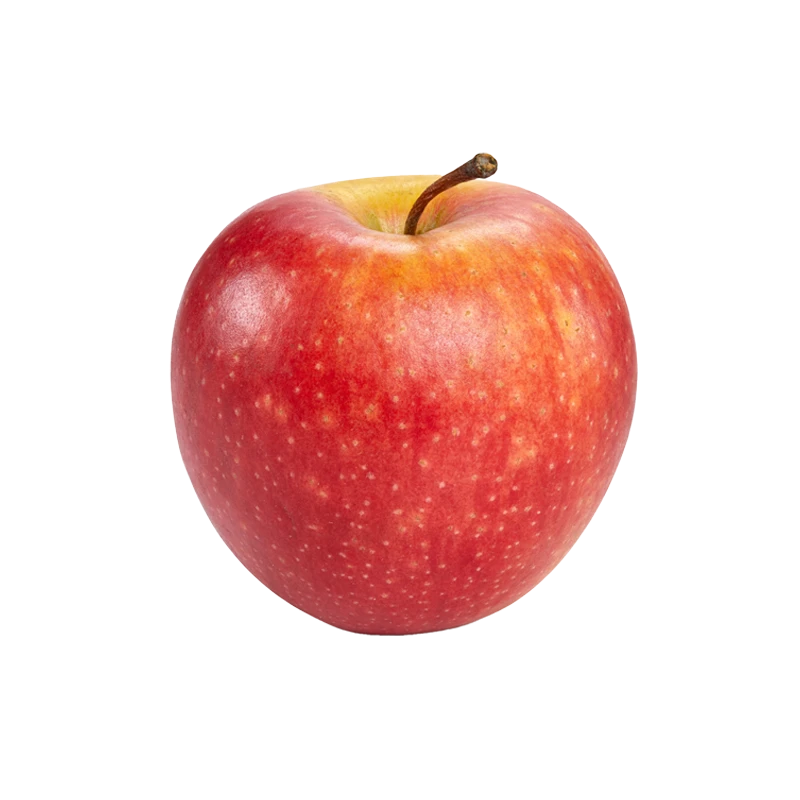
- Snack: A small apple with a tablespoon of peanut butter (calories: 150, protein: 4g, carbs: 20g, fat: 8g)
- Dinner: Baked chicken with roasted Brussels sprouts (calories: 450, protein: 40g, carbs: 20g, fat: 20g)
Day 5
- Breakfast: Avocado and egg toast on whole grain bread (calories: 350, protein: 20g, carbs: 30g, fat: 18g)
- Lunch: Greek salad with chickpeas and olives (calories: 400, protein: 15g, carbs: 30g, fat: 20g)
- Snack: A handful of roasted chickpeas (calories: 120, protein: 6g, carbs: 20g, fat: 4g)
- Dinner: Zucchini noodles with pesto and grilled chicken (calories: 400, protein: 35g, carbs: 15g, fat: 25g)
Day 6
- Breakfast: Greek yogurt with nuts and a few raspberries (calories: 250, protein: 20g, carbs: 15g, fat: 12g)
- Lunch: Spinach and mushroom stuffed bell peppers (calories: 300, protein: 12g, carbs: 25g, fat: 15g)
- Snack: Sliced bell peppers with guacamole (calories: 150, protein: 2g, carbs: 10g, fat: 12g)
- Dinner: Grilled eggplant and zucchini with feta cheese (calories: 350, protein: 15g, carbs: 20g, fat: 20g)
Day 7
- Breakfast: Protein pancakes with a small amount of maple syrup (calories: 300, protein: 20g, carbs: 25g, fat: 10g)
- Lunch: Turkey and cheese lettuce wraps with mustard (calories: 350, protein: 30g, carbs: 5g, fat: 20g)
- Snack: A small pear with a slice of cheese (calories: 150, protein: 6g, carbs: 15g, fat: 8g)
- Dinner: Vegetable curry with chickpeas and a side of cauliflower rice (calories: 400, protein: 18g, carbs: 30g, fat: 20g)
Want to learn more?
Keep in mind
Other meal plans
-

7-day Meal Plan For Mediterranean Diet
Embarking on a Mediterranean journey? You're in for a treat! Discover the secrets of a 7-day Mediterranean diet meal plan and how it can invigorate your health. This article will guide you through a flavorful world of nutritious foods and show you how to turn these meals into an efficient shopping list. Let's set sail!
-

7-day Meal Plan For Weight Loss
Ready to kickstart your weight loss journey? A 7-day meal plan tailored for weight loss could be your golden ticket. In this article, we'll explore how to craft a weight loss meal plan that's both delicious and effective for shedding pounds, plus tips on transforming it into a smart shopping list. Time to get excited about your health goals!
-

7-day Meal Plan For Diabetics
Managing diabetes with diet doesn't have to be daunting. Learn how a 7-day meal plan can help control your blood sugar and improve overall health. We'll guide you through creating diabetic-friendly meals and turning them into a simple shopping list. Let's make healthy eating a breeze!