
Diabetic meal plan for kidney disease
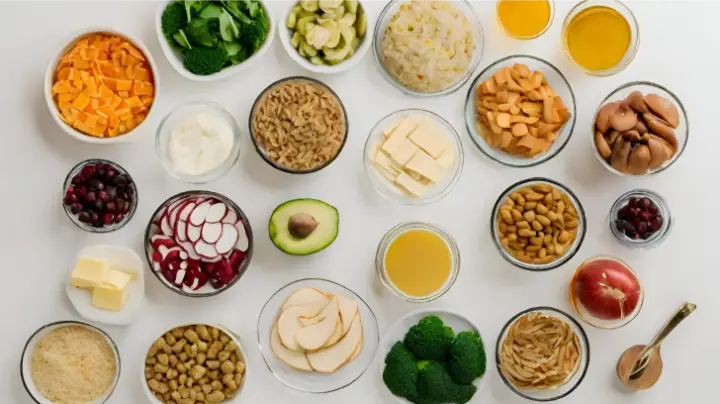
Support kidney function in diabetes with the Diabetic Meal Plan for Kidney Disease. This plan offers meals like egg white scrambles, vegetable soups, and fruit salads, each designed to be low in sodium and phosphorus while managing blood sugar levels.
Meal plan grocery list
 Dry goods
 Snacks & sweets
 Cans & jars
 Meats
 Dairy & eggs
 Spices & sauces
 Fish & seafood
 Fresh grocery
 Bakery
 Plant based
Meal plan overview
Manage kidney health in diabetes with the Diabetic Meal Plan for Kidney Disease. This plan includes kidney-friendly foods that are low in sodium and phosphorus, such as bell peppers, cauliflower, and apples, tailored to be diabetic-appropriate.
Each meal is carefully crafted to support both diabetic and renal dietary needs, ensuring meals are safe and healthful for those with kidney disease.
Foods to eat
- Low-Potassium Vegetables: Cauliflower, bell peppers, and onions.
- Low-Phosphorus Protein Sources: Egg whites and high-quality protein powders.
- Controlled Portions of Grains: White bread and white rice, as they are lower in potassium and phosphorus than whole grains.
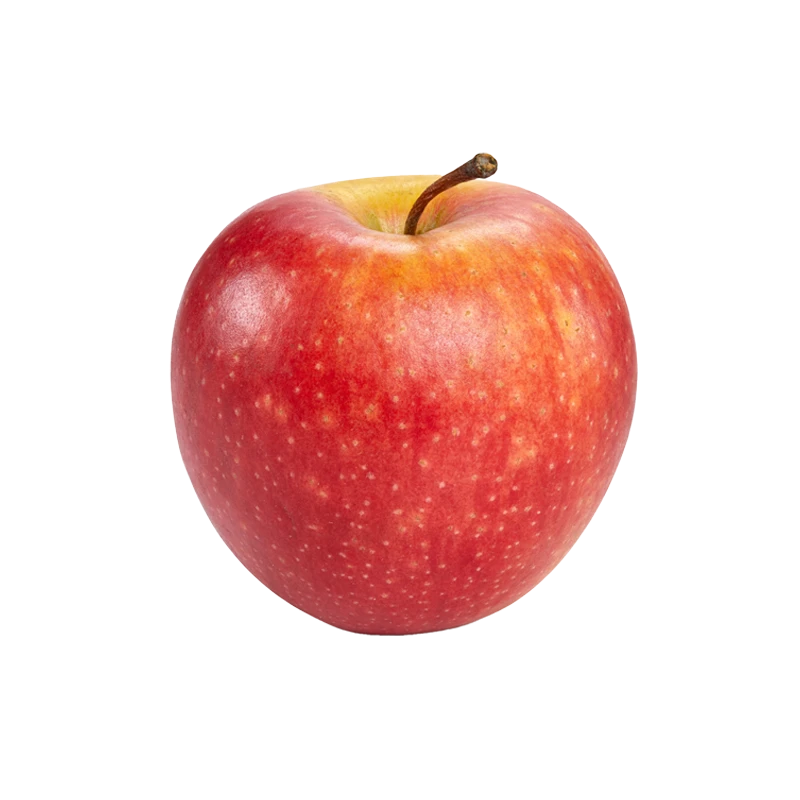
- Apples and Berries: For fiber and antioxidants, with a low impact on blood sugar.
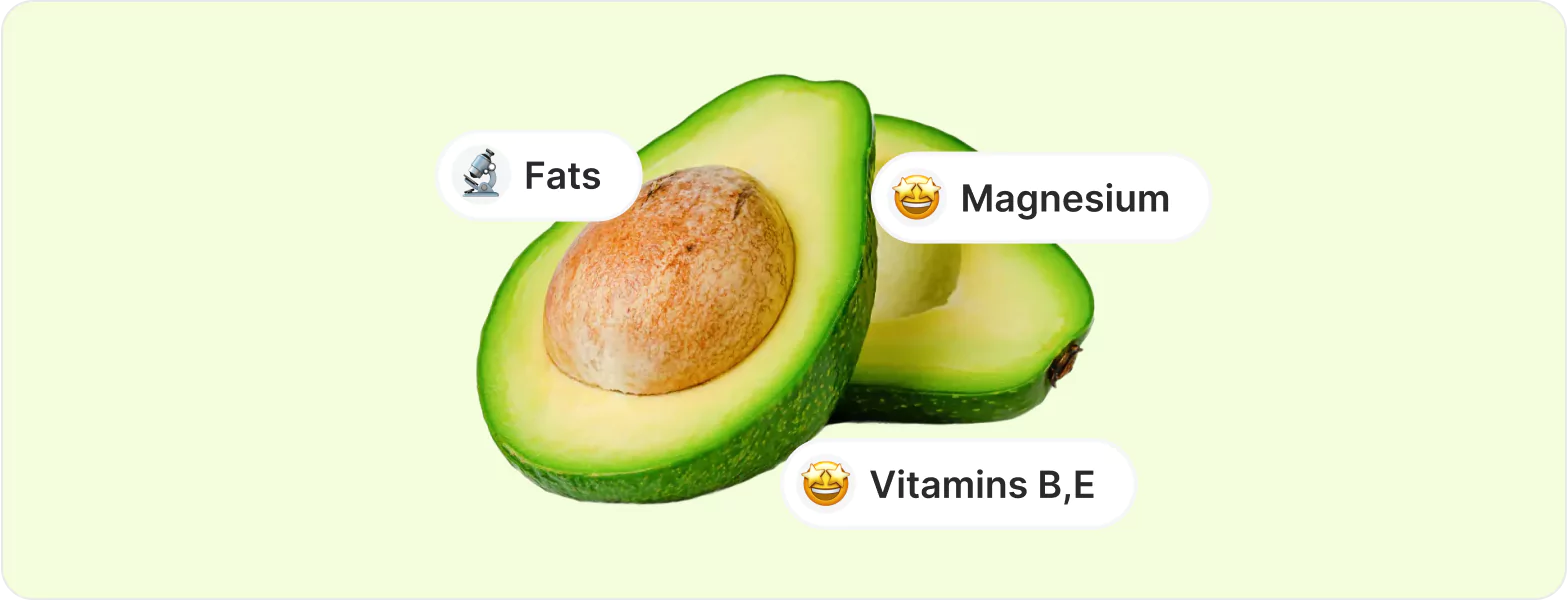
- Healthy Fats: Olive oil and avocado in moderation.
Tip
Foods not to eat
- High-Potassium Vegetables: Potatoes, tomatoes, and spinach.
- Whole Grain Foods: High in phosphorus and potentially potassium.
- Nuts and Seeds: Often high in phosphorus and potassium.
- Processed and Packaged Foods: High in sodium and phosphorus.
Read more about key products


Main benefits
The Diabetic Meal Plan for Kidney Disease is tailored to reduce the strain on the kidneys while managing blood sugar levels. It includes low-potassium, low-phosphorus, and protein-controlled foods, focusing on kidney-friendly fruits, vegetables, and grains.
Recommended nutrient breakdown
- Protein: 20%
- Fat: 25%
- Carbs: 50%
- Fiber: 3%
- Other: 2%
How to budget on this meal plan
Focus on buying eggs, chicken breast, and turkey in bulk, as they are versatile protein sources. Whole grain bread and brown rice can be more economical when purchased in larger quantities. For fresh produce like spinach, mixed greens, and cherry tomatoes, consider buying them in season or opting for frozen versions. Making your own vinaigrette and hummus at home can be cost-effective and healthier. For snacks, almonds and rice cakes are good options and can be bought in bulk.
Packed with vitamins, minerals, and antioxidants:

Extra tips
Any healthy snack ideas?
Healthy snack options for diabetics managing kidney disease:
- Red bell pepper slices
- Apple slices
- Carrot sticks
- Cucumber slices
- Fresh blueberries
- White bread with unsalted almond butter
- Rice cakes
What should I drink on this meal plan?
For diabetic kidney disease, it's essential to prioritize hydration with water as the main beverage. Herbal teas, free of sweeteners, provide antioxidants and are gentle on the kidneys. Lemon water, offering a hint of vitamin C, is a refreshing choice. Be sure to steer clear of high-sugar or caffeinated drinks.
How to get even more nutrients?
Individuals dealing with both diabetes and kidney disease need to carefully monitor their intake of certain nutrients to prevent further kidney damage. While protein intake should be moderate to reduce kidney strain, focus on high-quality sources such as egg whites and lean fish, which are less taxing on the kidneys. Incorporate a variety of non-starchy vegetables like cauliflower, bell peppers, and green beans to add fiber without excessive potassium, which needs to be monitored in kidney disease.
Meal plan suggestion
Day 1
- Breakfast: Scrambled eggs with spinach and whole grain toast (Calories: 300, Protein: 15g, Carbs: 25g, Fat: 15g)
- Lunch: Grilled chicken salad with mixed greens, cherry tomatoes, and balsamic vinaigrette (Calories: 350, Protein: 25g, Carbs: 10g, Fat: 20g)
- Snack: Greek yogurt with mixed berries (Calories: 150, Protein: 10g, Carbs: 15g, Fat: 5g)
- Dinner: Baked salmon with quinoa and roasted asparagus (Calories: 400, Protein: 25g, Carbs: 30g, Fat: 20g)
Day 2
- Breakfast: Oatmeal with sliced strawberries and chopped almonds (Calories: 300, Protein: 10g, Carbs: 45g, Fat: 10g)
- Lunch: Turkey and avocado wrap with lettuce, tomato, and mustard on a whole wheat tortilla (Calories: 400, Protein: 20g, Carbs: 40g, Fat: 20g)
- Snack: Carrot sticks with hummus (Calories: 100, Protein: 3g, Carbs: 15g, Fat: 4g)
- Dinner: Stir-fried tofu with brown rice and mixed vegetables (Calories: 380, Protein: 15g, Carbs: 45g, Fat: 15g)
Day 3
- Breakfast: Smoothie with spinach, kale, banana, and almond milk (Calories: 250, Protein: 8g, Carbs: 30g, Fat: 10g)
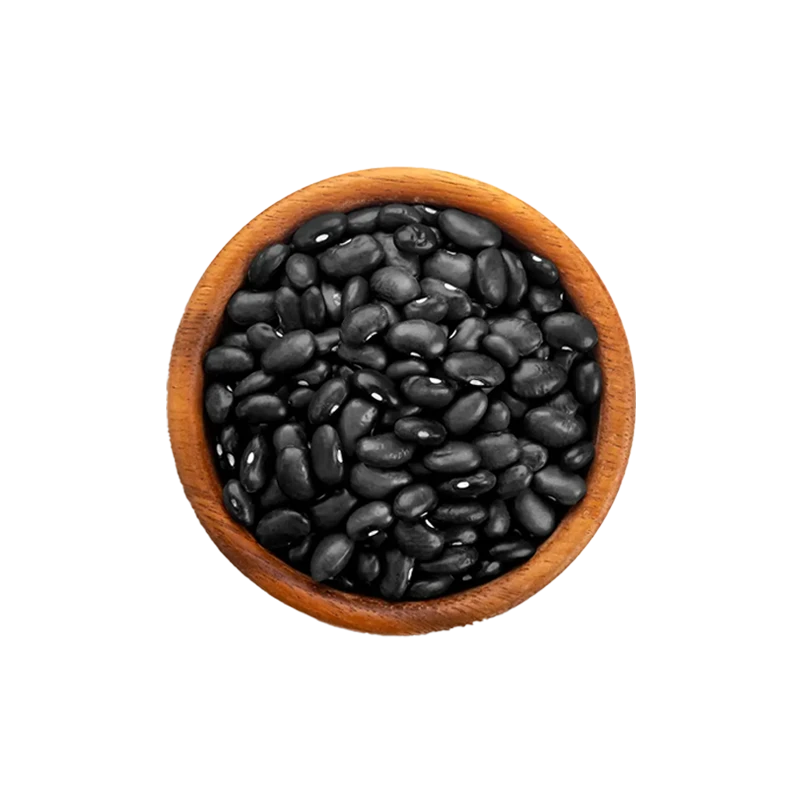
- Lunch: Quinoa and black bean salad with avocado, cherry tomatoes, and lime vinaigrette (Calories: 350, Protein: 12g, Carbs: 40g, Fat: 15g)
- Snack: Cottage cheese with pineapple chunks (Calories: 200, Protein: 15g, Carbs: 15g, Fat: 8g)
- Dinner: Grilled chicken breast with sweet potato mash and steamed broccoli (Calories: 450, Protein: 25g, Carbs: 35g, Fat: 20g)
Day 4
- Breakfast: Whole grain toast with avocado and sliced tomatoes (Calories: 300, Protein: 8g, Carbs: 40g, Fat: 15g)
- Lunch: Lentil soup with a side of whole grain bread (Calories: 350, Protein: 15g, Carbs: 50g, Fat: 8g)
- Snack: Apple slices with almond butter (Calories: 150, Protein: 3g, Carbs: 25g, Fat: 6g)
- Dinner: Baked salmon with quinoa pilaf and roasted Brussels sprouts (Calories: 400, Protein: 20g, Carbs: 35g, Fat: 18g)
Day 5
- Breakfast: Greek yogurt with mixed berries and a drizzle of honey (Calories: 300, Protein: 15g, Carbs: 30g, Fat: 15g)
- Lunch: Chickpea and vegetable stir-fry with brown rice (Calories: 380, Protein: 15g, Carbs: 45g, Fat: 15g)
- Snack: Rice cakes with almond butter and banana slices (Calories: 200, Protein: 5g, Carbs: 35g, Fat: 8g)
- Dinner: Grilled shrimp with quinoa salad and steamed green beans (Calories: 380, Protein: 25g, Carbs: 30g, Fat: 15g)
Day 6
- Breakfast: Smoothie bowl with acai, mixed berries, and granola (Calories: 350, Protein: 10g, Carbs: 45g, Fat: 15g)
- Lunch: Tuna salad with mixed greens, cucumber, and lemon-tahini dressing (Calories: 300, Protein: 20g, Carbs: 10g, Fat: 15g)
- Snack: Carrot sticks with hummus (Calories: 100, Protein: 3g, Carbs: 15g, Fat: 4g)
- Dinner: Baked cod with quinoa and roasted asparagus (Calories: 380, Protein: 20g, Carbs: 35g, Fat: 18g)
Day 7
- Breakfast: Chia seed pudding with almond milk and fresh berries (Calories: 300, Protein: 8g, Carbs: 35g, Fat: 15g)
- Lunch: Grilled chicken breast with quinoa salad and steamed broccoli (Calories: 400, Protein: 25g, Carbs: 30g, Fat: 20g)
- Snack: Greek yogurt with mixed berries and a sprinkle of granola (Calories: 250, Protein: 15g, Carbs: 25g, Fat: 10g)
- Dinner: Vegetable stir-fry with tofu and brown rice (Calories: 380, Protein: 15g, Carbs: 45g, Fat: 15g)
Want to learn more?
Keep in mind
Other meal plans
-

7-day Meal Plan For Mediterranean Diet
Embarking on a Mediterranean journey? You're in for a treat! Discover the secrets of a 7-day Mediterranean diet meal plan and how it can invigorate your health. This article will guide you through a flavorful world of nutritious foods and show you how to turn these meals into an efficient shopping list. Let's set sail!
-

7-day Meal Plan For Weight Loss
Ready to kickstart your weight loss journey? A 7-day meal plan tailored for weight loss could be your golden ticket. In this article, we'll explore how to craft a weight loss meal plan that's both delicious and effective for shedding pounds, plus tips on transforming it into a smart shopping list. Time to get excited about your health goals!
-

7-day Meal Plan For Diabetics
Managing diabetes with diet doesn't have to be daunting. Learn how a 7-day meal plan can help control your blood sugar and improve overall health. We'll guide you through creating diabetic-friendly meals and turning them into a simple shopping list. Let's make healthy eating a breeze!