
Intermittent Fasting meal plan for healthy eating
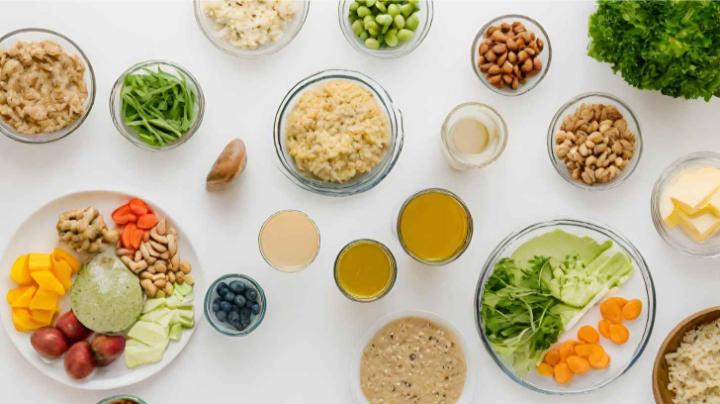
The Intermittent Fasting meal plan for healthy eating emphasizes a balanced intake of nutrients during eating windows. It includes a variety of fruits, vegetables, whole grains, lean proteins, and healthy fats, ensuring a comprehensive approach to nutrition while following the intermittent fasting schedule.
Meal plan grocery list
 Fresh grocery
 Dairy & eggs
 Fish & seafood
 Meats
 Dry goods
 Spices & sauces
 Plant based
Meal plan overview
Embrace a holistic approach to health with our intermittent fasting balanced diet for healthy eating. This plan merges the principles of intermittent fasting with a focus on nutritious, whole foods.
This eating pattern is all about eating clean and mindfully during your eating window, ensuring a well-rounded, health-boosting diet.
Foods to eat
- Whole Grains: Quinoa, brown rice, and whole wheat bread for complex carbohydrates and fiber.
- Lean Protein: Chicken, fish, and legumes for essential amino acids.
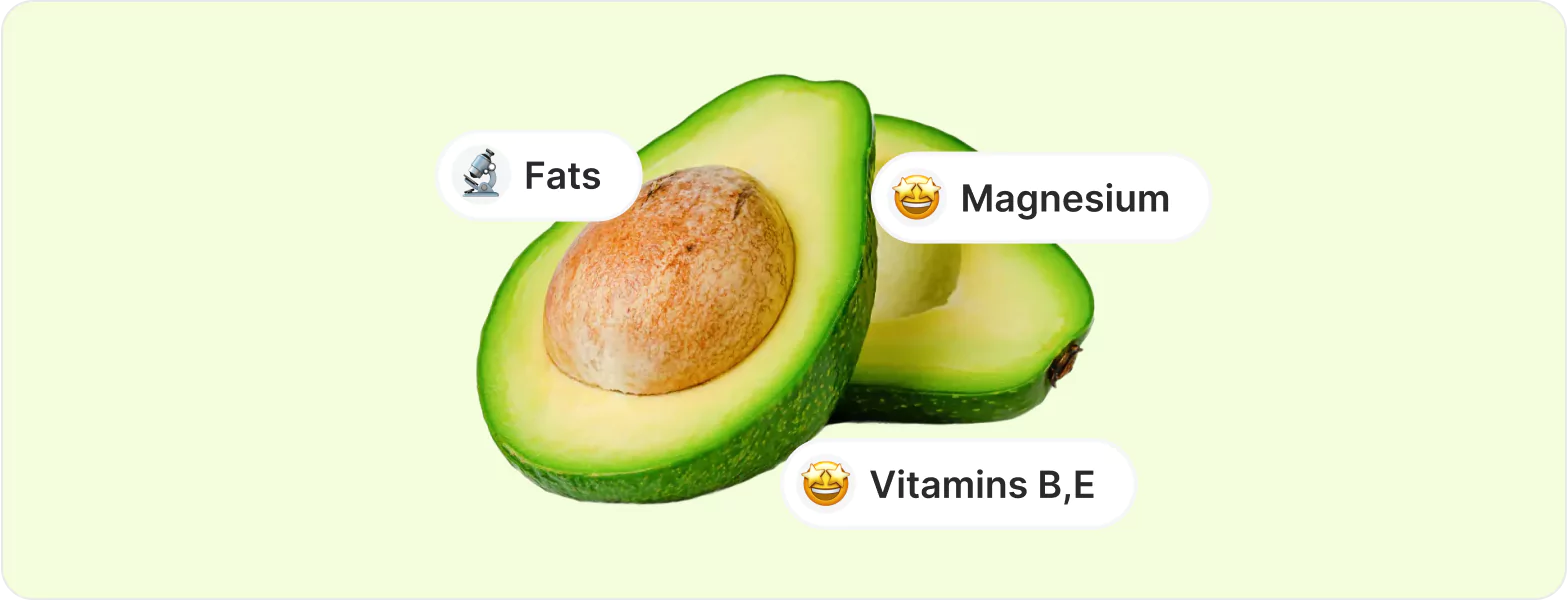
- Healthy Fats: Olive oil, nuts, and avocados for heart health and satiety.
- Vegetables: A variety of colorful vegetables, both raw and cooked, for essential vitamins, minerals, and blood sugar control.
- Fruits: Berries, apples, and other seasonal fruits for natural sweetness and antioxidants.
- Dairy or Plant-Based Alternatives: Greek yogurt or almond milk for calcium and protein.
- Hydration: Plenty of water, herbal tea, and black coffee for hydration and healthy weight loss.
- Nuts and Seeds: For healthy snacking and added nutrients.
Tip
Focus on consuming whole, minimally processed foods during your eating window to support overall health and well-being.
Foods not to eat
- Processed Snacks: Chips, cookies, and other high-calorie, low-nutrient foods.
- Refined Carbohydrates: White bread, pasta, and other processed grains.
- High-Sugar Foods: Candies, cakes, and sugary beverages increase general calorie intake.
- Excessive Dairy: Full-fat cheeses and creams can be high in saturated fats.
- Fried Foods: Typically high in unhealthy fats and calories.
- Alcohol: Can disrupt metabolic balance and hydration.
- High-Sodium Foods: Such as canned soups and processed meats, which can increase blood pressure.
- Trans Fats: Found in some processed and fast foods.
Read more about key products



Main benefits
This Intermittent Fasting diet for healthy eating focuses on nutrient-dense foods during eating periods, ensuring a balanced intake of vitamins, minerals, and other nutrients. It includes a variety of whole foods like vegetables, fruits, whole grains, lean proteins, and healthy fats, aligning with the principles of a wholesome diet while incorporating the benefits of the fasting period.
Recommended nutrient breakdown
- Protein: 10%
- Fat: 35%
- Carbs: 50%
- Fiber: 3%
- Other: 2%
How to budget on this meal plan
Mixed greens, cherry tomatoes, and cucumbers are key ingredients for a healthy diet and can be more affordable when bought in bulk or in season. Avocado, balsamic vinaigrette, and Greek yogurt are essential for nutritious meals and can be more economical when purchased in larger quantities. Salmon fillet, broccoli, and quinoa are also cost-effective when bought in bulk. Consider making your own wraps and hummus to save money. Schedule meal frequency to always know how many meals there is to prepare outside your fasting window.
Packed with vitamins, minerals, and antioxidants:

Extra tips
Any healthy snack ideas?
Enjoy these wholesome snacks for overall health and wellness:
- Mixed fruit salad
- Natural yogurt with honey and granola
- Raw nuts and seeds
- Whole grain rice cakes with nut butter
- Fresh veggie sticks with yogurt dip
- Homemade smoothie with greens and fruits
- Oatmeal with fresh berries
What should I drink on this meal plan?
For a healthy eating approach to intermittent fasting, stay hydrated with water and herbal teas. Black coffee can be a good option, but avoid adding sugar to lose weight healthily. Freshly squeezed fruit juices and calorie free beverages are fine in moderation. Green tea, known for its antioxidants, is also a beneficial choice.
How to get even more nutrients?
Intermittent fasting focused on healthy eating emphasizes consuming a variety of nutrient-dense foods during your eating windows. Daily food intake includes a balance of proteins, a wide range of fruits and vegetables for vitamins and minerals, and whole grains for sustained energy. Including healthy fats from sources like avocados and olive oil not only provides necessary nutrients but also helps with satiety, which can be particularly beneficial during fasting periods.
Meal plan suggestion
Day 1
- Lunch (12:00 PM): Grilled chicken and avocado salad with mixed greens, cherry tomatoes, cucumbers, and a balsamic vinaigrette
- Snack (3:00 PM): Greek yogurt with a handful of blueberries
- Dinner (7:00 PM): Baked salmon with a side of steamed broccoli and quinoa
Day 2
- Lunch (12:00 PM): Whole grain sandwich with turkey, lettuce, tomato, and mustard
- Snack (3:00 PM): A medium apple and a handful of almonds
- Dinner (7:00 PM): Stir-fried tofu with mixed vegetables and brown rice
Day 3
- Lunch (12:00 PM): Lentil soup with a side of whole grain bread and a garden salad
- Snack (3:00 PM): Carrot sticks with hummus
- Dinner (7:00 PM): Grilled shrimp over mixed greens with olive oil and lemon dressing
Day 4
- Lunch (12:00 PM): Quinoa and black bean salad with avocado, bell peppers, and lime dressing
- Snack (3:00 PM): A banana and a small handful of walnuts
- Dinner (7:00 PM): Baked chicken breast with roasted asparagus and a side salad
Day 5
- Lunch (12:00 PM): Tuna salad with mixed greens, olives, and a lemon-olive oil dressing
- Snack (3:00 PM): A handful of mixed berries and a few pieces of dark chocolate
- Dinner (7:00 PM): Vegetable stir-fry with tofu and a side of cauliflower rice
Day 6
- Lunch (12:00 PM): Whole grain wrap with grilled vegetables and hummus
- Snack (3:00 PM): Bell pepper slices with guacamole
- Dinner (7:00 PM): Baked cod with a side of steamed green beans and sweet potato
Day 7
- Lunch (12:00 PM): Spinach and mushroom omelette with a side of whole grain toast
- Snack (3:00 PM): A handful of mixed nuts and dried fruit
- Dinner (7:00 PM): Grilled chicken Caesar salad with light dressing and no croutons
Want to learn more?
Keep in mind
Other meal plans
-

7-day Meal Plan For Mediterranean Diet
Embarking on a Mediterranean journey? You're in for a treat! Discover the secrets of a 7-day Mediterranean diet meal plan and how it can invigorate your health. This article will guide you through a flavorful world of nutritious foods and show you how to turn these meals into an efficient shopping list. Let's set sail!
-

7-day Meal Plan For Weight Loss
Ready to kickstart your weight loss journey? A 7-day meal plan tailored for weight loss could be your golden ticket. In this article, we'll explore how to craft a weight loss meal plan that's both delicious and effective for shedding pounds, plus tips on transforming it into a smart shopping list. Time to get excited about your health goals!
-

7-day Meal Plan For Diabetics
Managing diabetes with diet doesn't have to be daunting. Learn how a 7-day meal plan can help control your blood sugar and improve overall health. We'll guide you through creating diabetic-friendly meals and turning them into a simple shopping list. Let's make healthy eating a breeze!