Freeze food safely, keep its quality, and thaw it the right way
Quick answer
-
Fridge
Keeps for 3-4 days
Keep leftovers at 40°F or below and freeze them within 3 to 4 days.
Watch out Don't refreeze any food left outside the refrigerator longer than 2 hours, or 1 hour above 90°F.
-
Freezer
Keeps for 1-12 months
Store food at 0°F (-18°C) or below in airtight packaging.
Watch out Food stays safe indefinitely at 0°F, so the freezer times are for best quality only.
Food kept constantly at 0°F (-18°C) stays safe in the freezer indefinitely, and only its quality drops with time. Wrap food in airtight packaging to prevent freezer burn, which makes food dry in spots but not unsafe. Thaw food in the refrigerator, in cold water, or in the microwave, and never on the counter. Food thawed in the refrigerator can be refrozen without cooking it.
Buying frozen food this week?
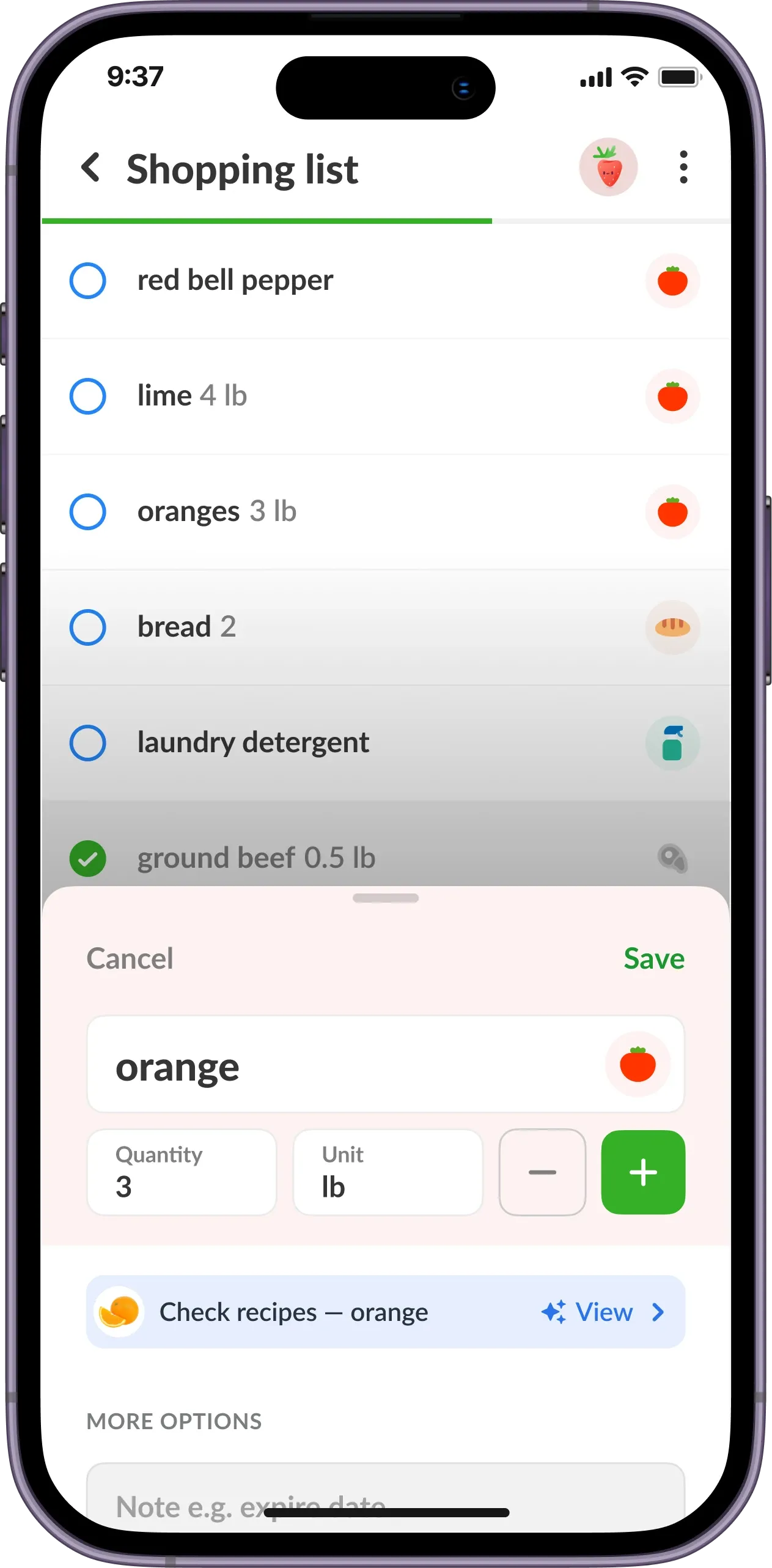
On a Listonic list, every item gets the amount you need and a note on when to use it by.
- Quantity and unit on every item
- A note like “fridge, use within a week”
- One list shared with everyone at home
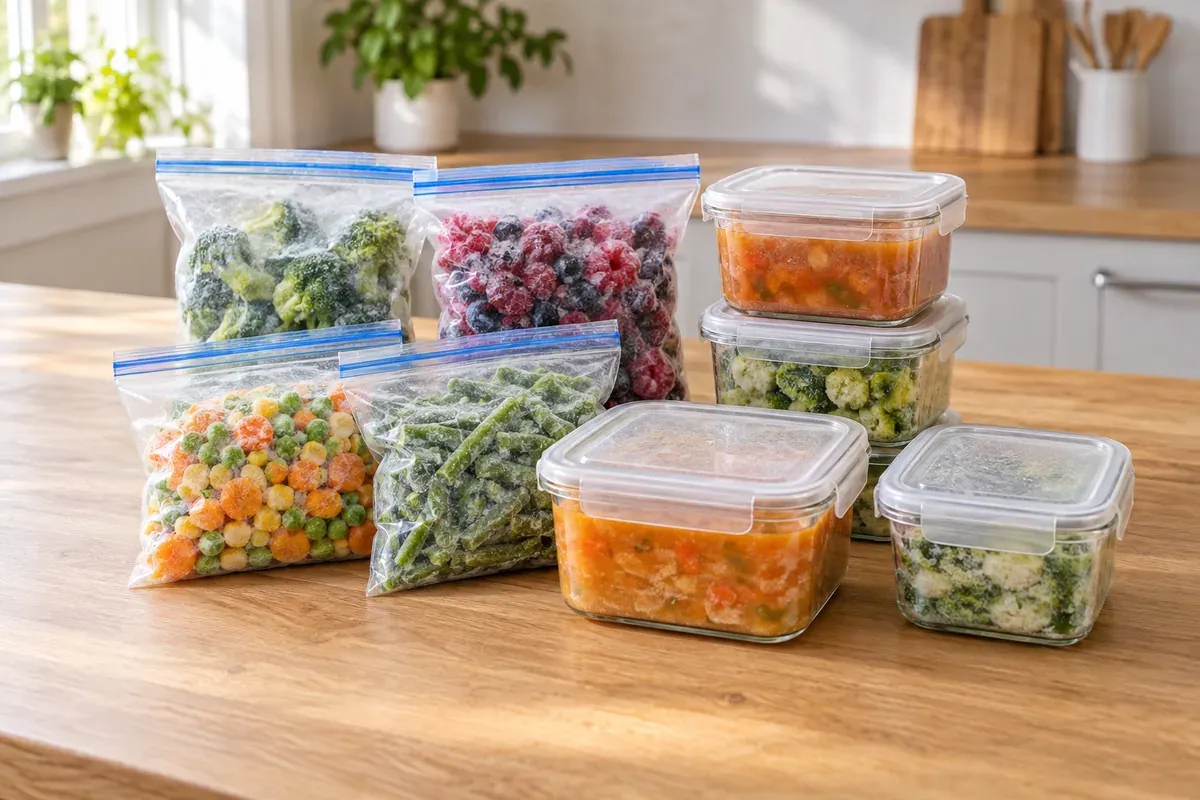
Food kept constantly at 0°F (-18°C) stays safe in the freezer indefinitely. Only quality suffers with long freezer storage, so freezer times are about quality, not safety.
Freezer burn is a quality problem, not a safety problem, and airtight packaging helps prevent it. Below you’ll find the right freezer temperature, how long food keeps, and how to thaw, refreeze, and cook frozen food. The advice comes from the USDA and the FDA.
How to prevent freezer burn
Wrap food securely in airtight packaging so air can’t reach its surface, because proper packaging helps prevent freezer burn. Meat and poultry are safe to freeze in their original packaging, but that wrap lets air through, so quality may diminish over time. For long storage, overwrap the package as you would any food. Freeze unopened vacuum packages as they are.
- Store leftovers in tight containers.
- If a package tears or opens in the freezer, the food is still safe, so overwrap or rewrap it.
- Use food within the best-quality times in the freezer chart below.
- Keep the freezer at 0°F (-18°C) or below to hold on to vitamins, color, flavor, and texture.
What is freezer burn and what causes it?
Freezer burn is dry spots on frozen food, caused by air coming in contact with the surface of the food. It can happen when food isn’t securely wrapped in airtight packaging.
What does freezer burn look like?
Freezer burn looks like grayish-brown, leathery spots on the surface of frozen food. The food is dry in those spots.
Is freezer burn safe to eat?
Yes, freezer burn is a quality issue and not a safety issue. It makes food dry in spots but not unsafe. Cut the freezer-burned portions away before or after cooking the food, and know that heavily freezer-burned food may have to be discarded for quality reasons.
What temperature should a freezer be?
Set your freezer to 0°F (-18°C) or below. Food stored constantly at that temperature will always be safe.
Keep an appliance thermometer in the freezer to check the temperature. That matters most if you have a power outage or mechanical problems.
Freezer compartments in a refrigerator
A refrigerator freezing compartment that can’t hold 0°F, or whose door is opened often, is only good for short-term storage, so eat those foods as soon as possible for best quality. Use a free-standing freezer set at 0°F or below for long-term storage. Keep the refrigerator itself at 40°F or below, and check it with an appliance thermometer.
How long can a freezer go without power?
A full freezer keeps an adequate temperature for about 48 hours if the door stays closed. A refrigerator keeps food cold for about 4 hours if you don’t open it.
If you lose electricity, keep the freezer and refrigerator doors closed as much as possible, as the FDA’s advice on storing food safely says.
Is frozen food safe to eat?
Yes, food stored constantly at 0°F (-18°C) stays safe indefinitely. Only the quality suffers, because tenderness, flavor, aroma, juiciness, and color can all be affected the longer food stays frozen.
Freezing doesn’t reduce nutrients. Food frozen at peak quality tastes better after thawing than food frozen near the end of its useful life, so freeze items you won’t use quickly sooner rather than later.
Does freezing kill bacteria?
No, freezing doesn’t kill most bacteria, but it stops them from growing. Once food thaws, microbes can become active again and multiply to levels that can cause foodborne illness. Handle thawed food as you would any perishable food.
Does frozen fruit go bad?
Frozen fruit kept constantly at 0°F (-18°C) doesn’t become unsafe, but its quality drops the longer it stays frozen. Freezing only slows the enzyme activity that can make fruit deteriorate, and in frozen fruit the acids neutralize that activity.
Fruit isn’t on the USDA freezer chart, so check its quality after thawing, starting with the odor. Discard fruit that smells rancid or off.
What can you freeze?
You can freeze almost any food. The exceptions include canned food and eggs in shells, though you may freeze food once it’s out of the can.
Being able to freeze a food and liking its quality after defrosting are two different things. Mayonnaise, cream sauce, and lettuce are examples of foods that don’t freeze well.
Foods the USDA does not recommend freezing
The USDA FoodKeeper data does not recommend freezing these foods.
- Sour cream
- Cream cheese
- Iceberg and romaine lettuce
- Leaf lettuce and spinach
- Avocados
- Kiwi
- Radishes
- Chicken salad
- Pasta salad
- Commercial pasteurized hummus with preservatives
Vegetables and blanching
Most vegetables that freeze well are low acid and need brief, partial cooking before freezing, called blanching. Blanch or partially cook them in boiling water or in a microwave oven, then chill them rapidly before freezing. Consult a cookbook for timing.
Canned food that froze by accident
Cans frozen by accident, such as those left in a car or basement in sub-zero temperatures, can present health problems. If a can is only swollen and you’re sure freezing caused it, the can may still be usable.
Thaw the can in the refrigerator before opening, and throw the food out if it doesn’t look or smell normal. Never taste it. If the seams have rusted or burst, throw the can out immediately.
Eggs that froze
Shell eggs should not be frozen. If an egg freezes and its shell cracks, discard it. Keep uncracked eggs frozen until needed, then thaw them in the refrigerator. They can be hard cooked successfully, but freezing makes the yolk thick and syrupy, so other uses are limited.
How to freeze food fast
Freeze food as fast as possible to keep its quality. Ideally, a food 2 inches thick should freeze completely in about 2 hours.
Slow freezing creates large ice crystals that damage cells and dissolve emulsions during thawing. Then meat drips and loses juiciness, and mayonnaise or cream separates and looks curdled.
- Use the quick-freeze shelf if your home freezer has one.
- Spread packages out in one layer on various shelves, and stack them only after they are frozen solid.
How long does food last in the freezer?
Food stays safe indefinitely at 0°F (-18°C), so the times below are for best quality. The freezer chart in the USDA’s Freezing and Food Safety guide lists them, from 1 to 12 months depending on the food.
| Food | Months for best quality |
|---|---|
| Bacon, sausage, ham, hot dogs, and lunch meats | 1 to 2 |
| Casseroles, soups and stews, gravy, and cooked meat | 2 to 3 |
| Frozen dinners and entrees | 3 to 4 |
| Uncooked ground meat | 3 to 4 |
| Cooked poultry | 4 |
| Uncooked roasts, steaks, and chops | 4 to 12 |
| Uncooked wild game | 8 to 12 |
| Uncooked poultry parts | 9 |
| Uncooked whole poultry | 12 |
| Egg whites or egg substitutes | 12 |
What if a food isn’t on the chart?
If a food isn’t on the chart, check its odor after thawing. Some foods develop a rancid or off odor when frozen too long and should be discarded. Others may not look perfect but may be edible, so use them in soups or stews.
How to thaw frozen food safely
Thaw food in one of three safe ways, which are the refrigerator, cold water, and the microwave. Planning ahead for slow thawing in the refrigerator is best.
Where you should never thaw food
Never thaw food on the kitchen counter, outdoors, or on the porch. Don’t thaw it in a garage, basement, car, dishwasher, or plastic garbage bag either. These methods can leave your food unsafe to eat.
Thawing in the refrigerator
Small items may defrost overnight, and most foods need a day or two. Large items like turkeys take longer, about one day for each 5 pounds of weight.
Thawing in cold water
Put the food in a leak-proof plastic bag and immerse it in cold water. A leaking bag can let bacteria into the food. Check that the water stays cold, and change it every 30 minutes. Cook the food immediately after thawing.
Thawing in the microwave
Cook food immediately after defrosting it in the microwave. Some areas of the food may become warm and begin to cook during microwaving.
Can you refreeze food?
Yes, if the food thawed in the refrigerator. It’s safe to refreeze it without cooking, though you may lose some quality from the moisture lost through thawing.
You can also freeze cooked food made from raw food that was frozen before. If cooked food thawed in the refrigerator, you may refreeze the unused portion.
Don’t refreeze any food left outside the refrigerator longer than 2 hours, or 1 hour above 90°F. Freeze leftovers within 3 to 4 days.
Can you refreeze meat?
Yes, you can refreeze thawed meat when it thawed in the refrigerator, without cooking it first, though you may lose some quality. Meat, poultry, or fish bought previously frozen at a retail store can be refrozen too if it was handled properly.
Can you cook food from frozen?
Yes. Raw or cooked meat, poultry, and casseroles can be cooked or reheated from the frozen state, but it takes about one and a half times as long.
Discard any wrapping or absorbent paper from meat or poultry first. Some products, such as pre-stuffed whole birds, must be cooked from the frozen state, so read the label on USDA-inspected frozen meat and poultry. For commercially frozen foods, follow the cooking instructions on the package.
Frequently asked questions
Can you freeze food in its original packaging?
Yes, it's safe to freeze meat or poultry in its original packaging. That wrap lets air through, so quality may diminish over time, and for long storage you should overwrap it.
Is food still safe if its package tears in the freezer?
Yes. If a package accidentally tears or opens while the food is in the freezer, the food is still safe to use. Overwrap or rewrap it.
Does freezing reduce nutrients?
No. The freezing process itself doesn't destroy nutrients, and there is little change in a food's protein value.
Does food take longer to cook from frozen?
Yes. Raw or cooked meat, poultry, and casseroles cooked from the frozen state take approximately one and a half times as long.
Why do mayonnaise and cream separate after freezing?
Slow freezing creates large ice crystals that dissolve emulsions during thawing. Emulsions such as mayonnaise or cream then separate and look curdled.
How long does it take to thaw a turkey in the refrigerator?
Large items like turkeys take approximately one day for each 5 pounds of weight.