Set your fridge to 40°F or below, and organize it to keep food safe
Quick answer
-
Fridge
Keeps for 3-4 days
The 3 to 4 days applies to cooked leftovers kept in covered containers in a refrigerator set to 40°F (4°C) or below.
Watch out Never let leftovers or other food that needs refrigeration sit at room temperature for more than 2 hours, or 1 hour above 90°F (32°C).
Set your refrigerator to 40°F (4°C) or below and your freezer to 0°F (-18°C), and check both with an appliance thermometer at least once a week. Use the crisper drawers for fruits and vegetables, keep raw meat sealed, and store eggs in their carton on a shelf instead of in the door. Cooked leftovers keep 3 to 4 days in the fridge, and fresh eggs in the shell keep 3 to 5 weeks.
Buying refrigerator this week?
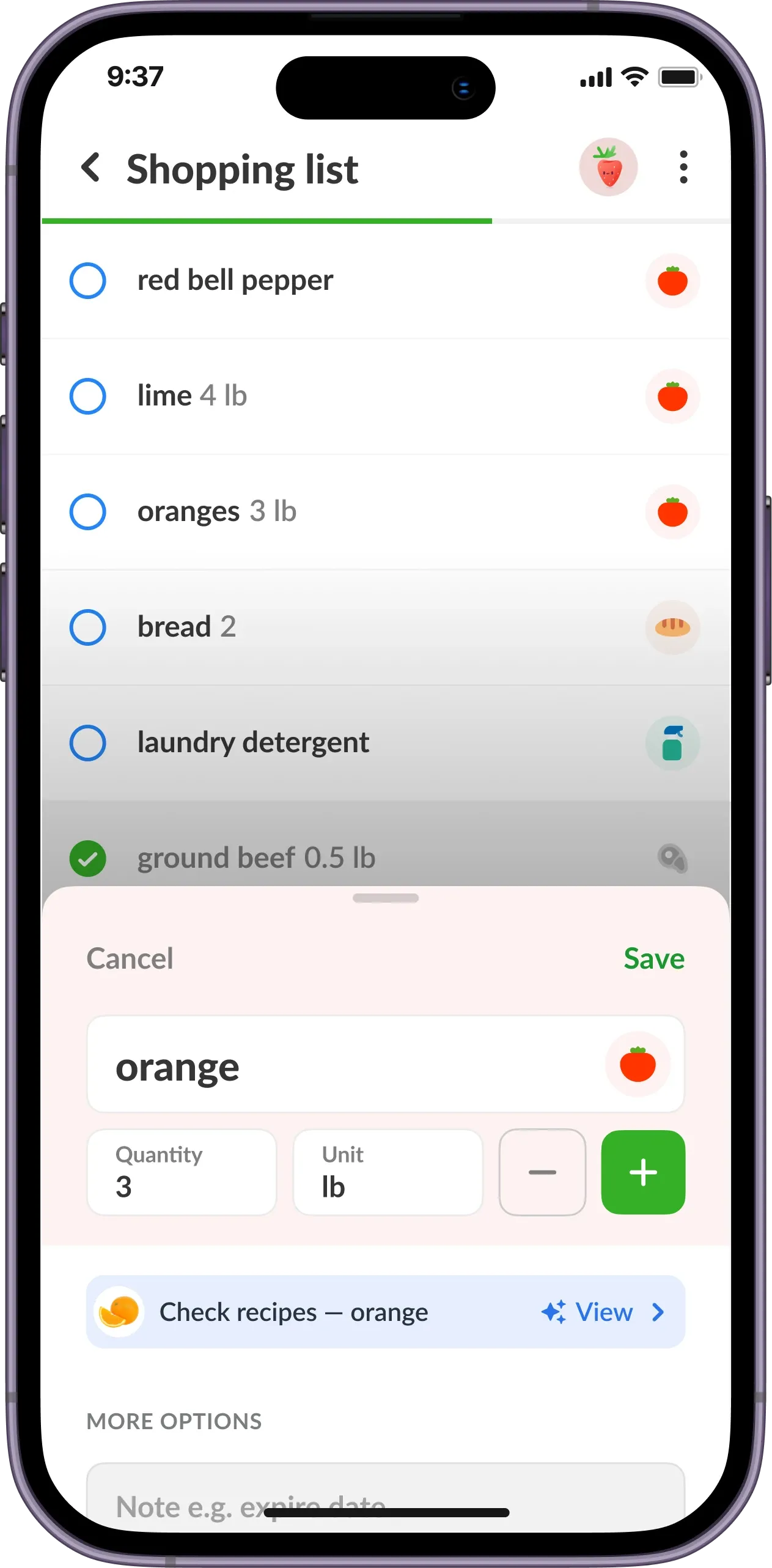
On a Listonic list, every item gets the amount you need and a note on when to use it by.
- Quantity and unit on every item
- A note like “fridge, use within a week”
- One list shared with everyone at home
Set your refrigerator to 40°F (4°C) or below, and your freezer to 0°F (-18°C). Refrigeration slows bacterial growth, and a fridge at 40°F or below protects most foods.
Beyond the temperature, a few habits keep food safe in the fridge. This guide covers fridge organization, from where each food goes and how to cover it, to how long common foods last and how to clean the fridge.
What temperature should a refrigerator be?
Set a refrigerator to 40°F (4°C) or below. That is the recommended refrigerator temperature in both the USDA’s guide to refrigeration and food safety and the FDA’s advice on storing food safely, and the FDA adds that the freezer should be at 0°F (-18°C).
Why does 40°F matter?
Bacteria grow most rapidly between 40°F (4°C) and 140°F (60°C), and some double in number in as little as 20 minutes. The USDA calls this range the Danger Zone.
A fridge at 40°F or below slows that growth. Spoilage bacteria can still grow in the cold and eventually give food off tastes and smells, and some bacteria, such as Listeria monocytogenes, thrive at cold temperatures and multiply in the fridge over time.
Food held above 40°F (4°C) for more than 2 hours should not be eaten. The bacteria that cause foodborne illness generally don’t change a food’s taste, smell, or appearance.
How do you check your fridge temperature?
Use an appliance thermometer, the best way to know your fridge temperature. Place one in the refrigerator and one in the freezer, at the front where you can read them, and check them at least once a week. If your refrigerator has no built-in thermometer, you should keep one inside.
How long does a fridge stay cold in a power outage?
A refrigerator keeps food cold for about 4 hours if you don’t open the door. A full freezer holds an adequate temperature for about 48 hours if the door stays closed, so keep both doors closed as much as possible.
How to organize a fridge
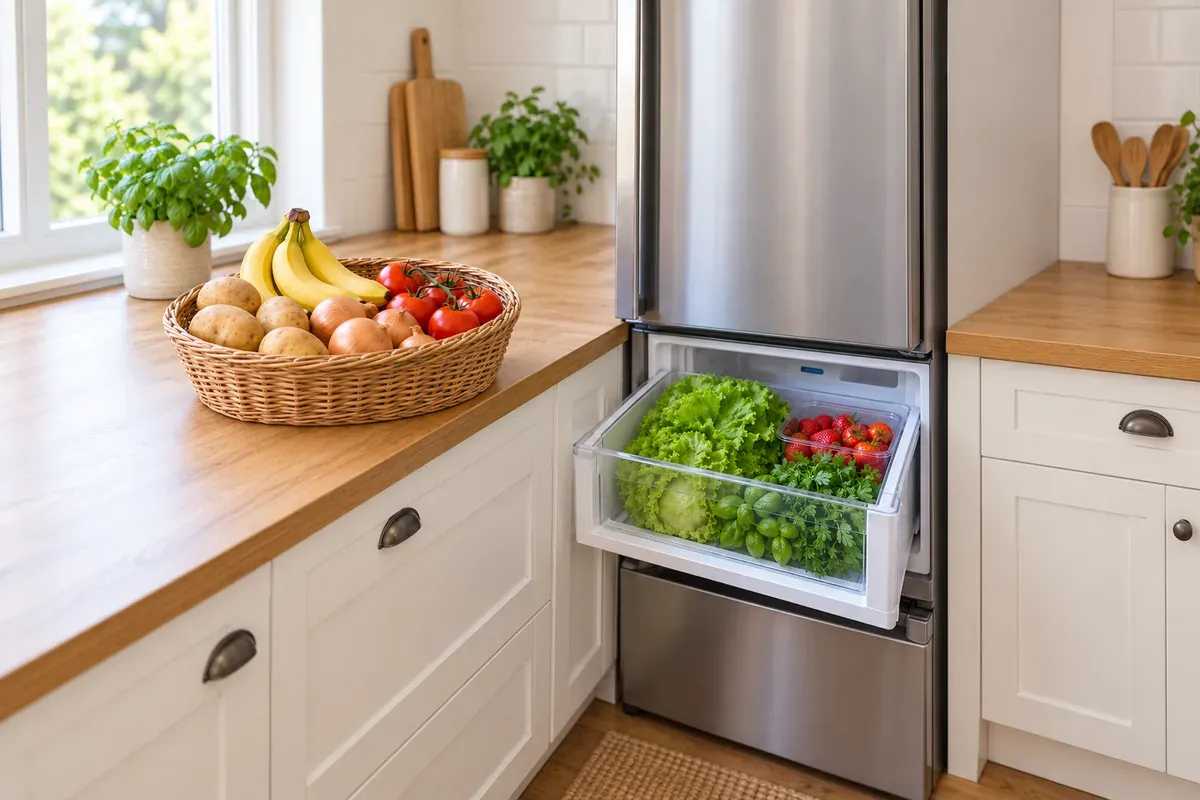
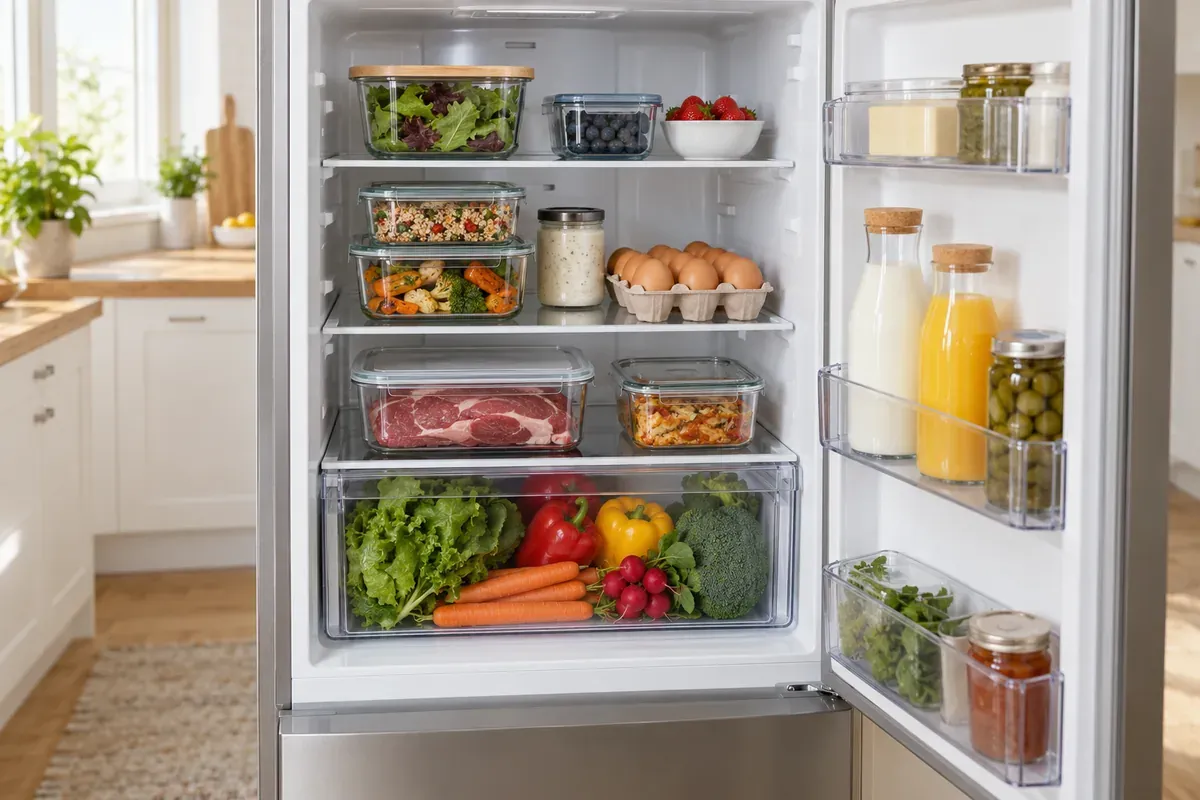
Put fruits and vegetables in the crisper drawers, keep raw meat sealed, store eggs in their carton on a shelf, and keep perishable food out of the door. Inside the cabinet, the temperature should be 40°F (4°C) or below throughout, so any spot is safe for any food.
How to use crisper drawers
Store fruits and vegetables in the sealed crisper drawers, which give them an optimal storage environment. Vegetables need higher humidity and fruits need lower humidity, and some crispers have controls to set each drawer.
How to store raw meat, poultry, and seafood
Keep raw meat, poultry, and seafood in a sealed container or wrapped securely, so raw juices don’t contaminate other foods. If your fridge has an adjustable-temperature meat drawer, it keeps meats and cheeses very cold without freezing.
Why shouldn’t you store perishable food in the fridge door?
The temperature of the door bins fluctuates more than the temperature in the cabinet, so perishable foods don’t belong there. Store eggs in their carton on a shelf instead, since the door is warmer.
Leave room for air to circulate
Don’t crowd the refrigerator or freezer so tightly that air can’t circulate. Keep the doors closed tightly, don’t open them more often than necessary, and close them as soon as possible.
How to cover food in the fridge
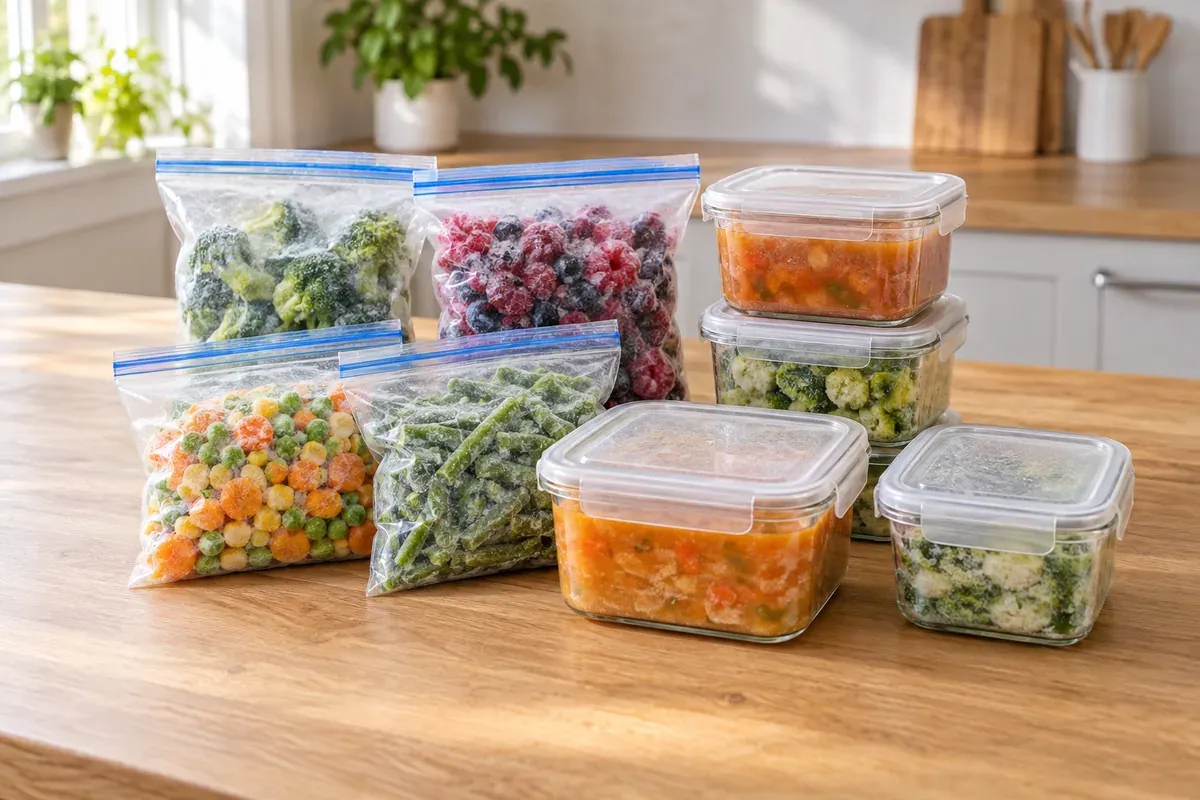
Store refrigerated food in covered containers or sealed storage bags. Covering food retains moisture and keeps it from picking up odors from other foods.
Where to marinate food
Marinate food in the refrigerator, because bacteria can multiply rapidly in food left to marinate at room temperature. Never reuse marinating liquid as a sauce unless you bring it to a rapid boil first.
How long do leftovers last in the fridge?
Cooked meat, poultry, and fish leftovers last 3 to 4 days in the fridge, and so do soups and stews. Check leftovers daily for spoilage.
Put leftovers in the refrigerator within 2 hours, or within 1 hour if the air temperature is above 90°F (32°C). The same limit applies to take-out food and doggie bags.
Can you put hot food in the fridge?
Yes. Hot food can go directly into the refrigerator, or you can chill it rapidly in an ice or cold water bath first.
How to cool soup, stew, and large cuts of meat
Divide a large pot of soup or stew into small portions in shallow containers before refrigerating. Divide a large cut of meat or a whole bird into smaller pieces or shallow containers too.
How long does food last in the fridge?
Ground meat, fresh chicken or turkey, and fresh fish keep only 1 to 2 days in the fridge, while fresh eggs in the shell keep 3 to 5 weeks. The table lists the USDA’s refrigerator storage times for common foods.
| Food | In the fridge |
|---|---|
| Ground meat, ground poultry, and stew meat | 1 to 2 days |
| Fresh steaks, chops, and roasts | 3 to 5 days |
| Fresh chicken or turkey | 1 to 2 days |
| Bacon | 7 days |
| Raw sausage | 1 to 2 days |
| Hot dogs | 2 weeks unopened, 1 week opened |
| Luncheon meats | 2 weeks unopened, 3 to 5 days opened |
| Store-prepared or homemade egg, chicken, tuna, ham, and macaroni salads | 3 to 5 days |
| Cooked meat, poultry, and fish leftovers | 3 to 4 days |
| Soups and stews | 3 to 4 days |
| Fresh fish and shellfish | 1 to 2 days |
| Fresh eggs in the shell | 3 to 5 weeks |
| Hard-cooked eggs | 1 week |
How soon should you use ready-to-eat foods?
Use refrigerated ready-to-eat foods, such as luncheon meats, as soon as possible. The longer they’re stored, the more chance Listeria, a bacterium that causes foodborne illness, can grow, especially if the fridge is above 40°F (4°C).
How to tell if food in the fridge has gone bad
Throw out anything that looks or smells suspicious. Spoilage bacteria can grow at fridge temperatures and eventually give food off tastes and smells.
Check leftovers daily, and stick to the storage times above, because some bacteria, such as Listeria, multiply in the fridge over time.
What should you do about mold in the fridge?
The safest practice is to discard food that is moldy. Mold is a sign of spoilage, and it can grow even under refrigeration.
How to clean a fridge and keep it smelling fresh
Wipe up spills immediately and clean surfaces with hot, soapy water, then rinse. Avoid solvent cleaners, abrasives, and cleansers that may give food a chemical taste.
Cleaning the fridge regularly helps reduce the growth of Listeria bacteria. It also prevents drips from thawing meat that can spread bacteria from one food to another.
How often should you clean out the fridge?
Once a week, throw out perishable foods that should no longer be eaten, and clean the fridge out frequently.
How to keep a fridge smelling fresh
An opened box of baking soda on a shelf helps keep the refrigerator smelling fresh. Covering your food also keeps it from picking up odors from other foods.
Frequently asked questions
What temperature should a freezer be?
A freezer should be at 0°F (-18°C). Food stored at that temperature stays safe, though its quality decreases the longer it's frozen.
Can you eat food that sat above 40°F for more than 2 hours?
Food held above 40°F (4°C) for more than 2 hours should not be eaten. Harmful bacteria grow rapidly in the Danger Zone and generally don't change a food's taste, smell, or appearance.
How long can food sit out before it goes in the fridge?
Food that needs refrigeration can sit out for no more than 2 hours, or 1 hour if the air temperature is above 90°F (32°C). That includes leftovers, doggie bags, and take-out food.
How long do eggs last in the fridge?
Fresh eggs in the shell keep 3 to 5 weeks in the fridge, and hard-cooked eggs keep 1 week. Store them in their carton on a shelf, not in the door.
How long do hot dogs and luncheon meats last in the fridge?
Hot dogs keep 2 weeks unopened and 1 week once opened. Luncheon meats keep 2 weeks unopened and 3 to 5 days once opened.