What best by, use by, and sell by dates mean for safety
Quick answer
-
Room temperature
Keeps for 12 months-5 years
Canned food keeps its best quality for 12 to 18 months if it's high acid, like tomatoes and fruits, and 2 to 5 years if it's low acid, like meats and vegetables, and these are quality times, not safety dates.
Watch out Discard cans that are dented, rusted, or swollen.
-
Freezer
Keeps for Stays safe at 0°F
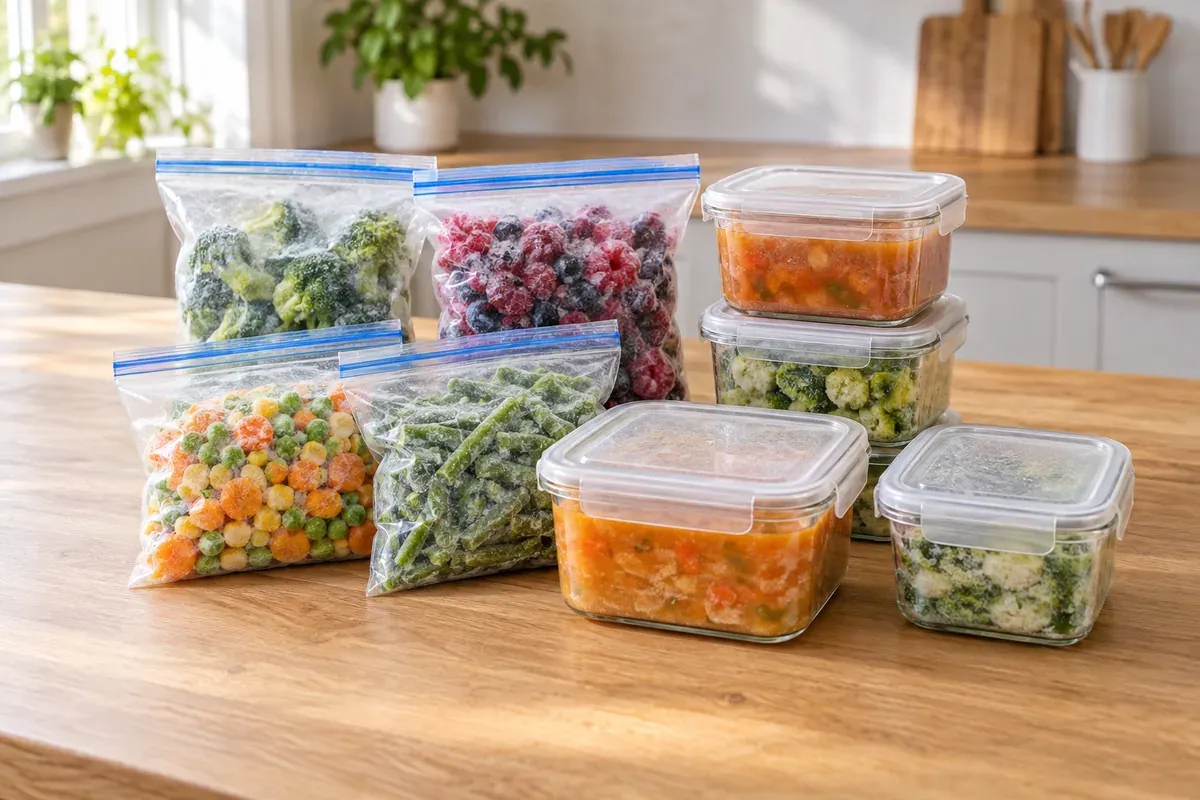
Food kept constantly at 0°F (-18°C) stays safe, so freezer times are quality times, not safety dates.
Watch out Freezer burn doesn't make food unsafe, so cut the grayish-brown leathery spots away before or after cooking.
A best by date marks when food is at its best quality, not when it turns unsafe. Except for infant formula, use by, sell by, and freeze by dates aren't safety dates either. Food is still safe after the date if it was handled properly and shows no spoilage. Canned food with no dents, rust, or swelling is safe to eat well past its date.
Buying date labels this week?
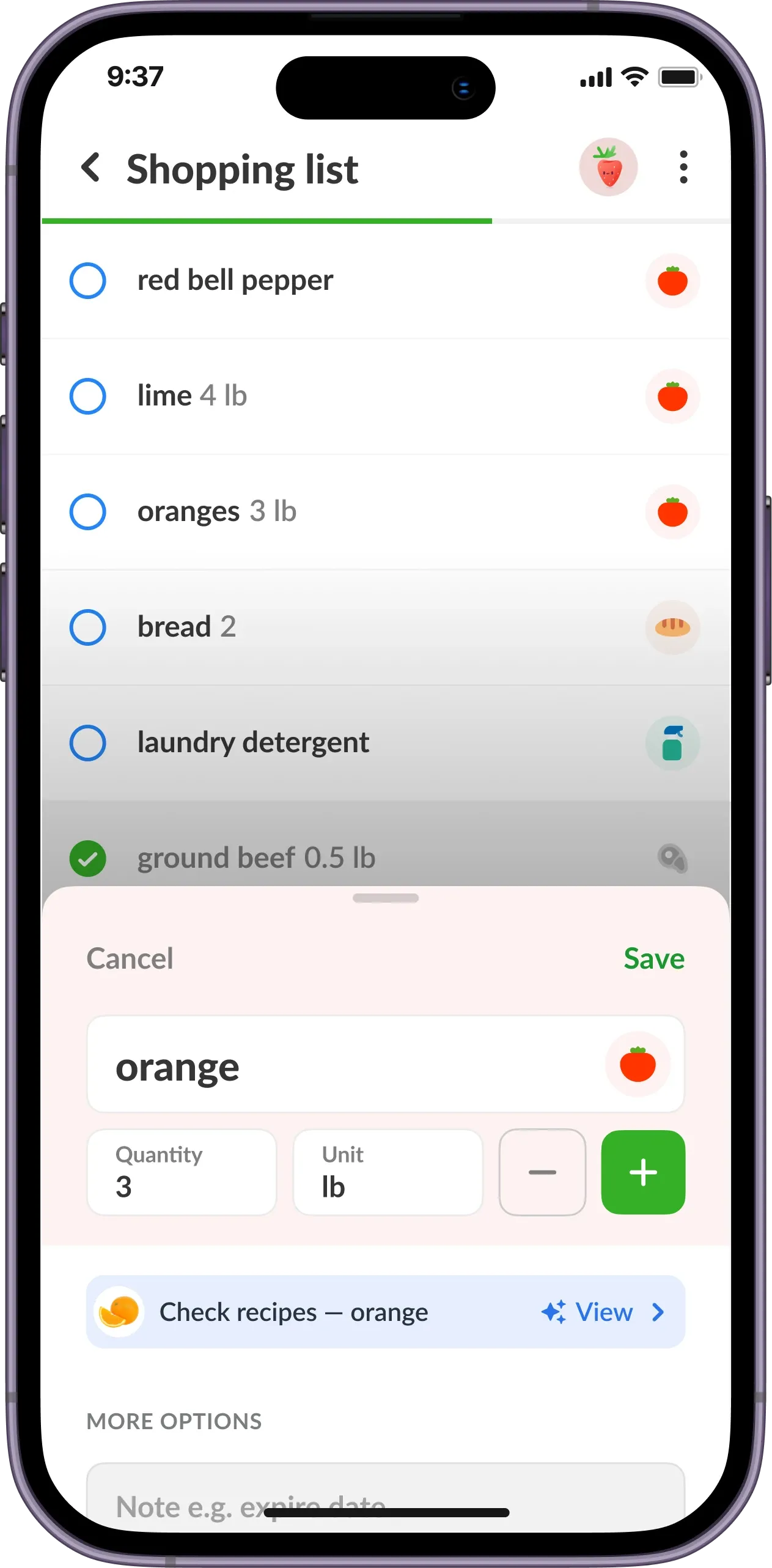
On a Listonic list, every item gets the amount you need and a note on when to use it by.
- Quantity and unit on every item
- A note like “fridge, use within a week”
- One list shared with everyone at home
A best by date tells you when a food will be at its best quality, not when it stops being safe. Use by, sell by, and freeze by dates work the same way.
The one exception is infant formula, whose use by date does matter for safety. For all other food, a product should still be safe and wholesome after the date if it was handled properly, until spoilage is evident. That’s the USDA’s position on its Food Product Dating page.
Best by vs sell by vs use by
Best by, sell by, use by, and freeze by dates describe quality or store timing, and none is a safety date except a use by date on infant formula. Labels use a wide variety of phrases, because the United States has no uniform or universally accepted wording for them.
| Label | What it tells you | A safety date? |
|---|---|---|
| Best by (best if used by or before) | When the product will be at its best flavor or quality | No |
| Sell by | How long the store should display the product for sale | No |
| Use by | The last date recommended for using the product at peak quality | Only on infant formula |
| Freeze by | When to freeze the product to keep its peak quality | No |
What does best by date mean?
A best by date shows when a product will be at its best flavor or quality. It often reads “best if used by” or “best if used before.” It isn’t a purchase date or a safety date.
Manufacturers and retailers set the date by looking at how long and at what temperature the food is held, what it’s made of, and how it’s packaged.
What does best if used by mean?
Best if used by means the product will be at its best flavor or quality if you use it by the date shown. It’s the same idea as best by, and the USDA recommends this wording to reduce confusion and wasted food.
Does best by mean expired?
No. A best by date marks peak quality, and it isn’t the day the food turns unsafe. The quality of perishable products may decline after the date passes, but they should still be safe if handled properly.
Federal regulations don’t require a date on food, except on infant formula, and dates aren’t an indicator of safety.
What does use by date mean?
A use by date is the last date recommended for using the product while it’s at peak quality. It isn’t a safety date, except on infant formula.
If the date passes while the food is in your kitchen, it should still be safe and wholesome if you’ve handled it properly, until spoilage is evident.
Is infant formula the exception?
Yes. Federal regulations require a use by date on infant formula, which the FDA inspects, and you shouldn’t buy or use baby formula after it. Using formula by that date ensures it contains each nutrient in the amount listed on the label.
The formula must also keep an acceptable quality to pass through an ordinary bottle nipple.
Is the sell by date the expiration date?
No. A sell by date tells the store how long to display the product for sale, which helps it manage inventory. It isn’t a safety date, so judge the food by how it’s been stored and whether it shows signs of spoilage.
What does freeze by mean?
A freeze by date shows when a product should be frozen to keep its peak quality. It isn’t a purchase or safety date.
How long is food good after the best by date?
Food is good after the best by date for as long as it’s been handled properly and shows no signs of spoilage. The date isn’t what sets that limit, because it’s about quality and not safety.
How to tell if food has gone bad
Spoiled food develops an off odor, flavor, or texture, and food with those signs shouldn’t be eaten. Naturally occurring spoilage bacteria cause these changes.
Food can carry two types of bacteria. Pathogenic bacteria cause foodborne illness, while spoilage bacteria cause the off taste or bad odor. A change in the color of meat or poultry is not an indicator of spoilage.
When the date doesn’t protect you
Food that’s mishandled before or after the date can be unsafe, because bacteria, including the kind that cause foodborne illness, can multiply quickly. For example, cold chicken salad taken to a picnic and left out above 40°F (4.4°C) for more than 2 hours shouldn’t be eaten. At 90°F (32.2°C) and above, the limit is 1 hour.
Meat and poultry that was defrosted improperly, or handled without good sanitation, are other examples. Follow the handling and preparation instructions on the label.
Is canned food safe after the date?
Yes. The USDA FoodKeeper says canned items are safe to eat well past the use by or best by date as long as the can shows no dents, rust, or swelling. Discard cans that are dented, rusted, or swollen.
A calendar date on a can is usually a best if used by date for peak quality. High-acid canned foods, such as tomatoes and fruits, keep their best quality for 12 to 18 months, and low-acid canned foods, such as meats and vegetables, keep it for 2 to 5 years.
What is the shelf life of food?
A food’s shelf life is how long it keeps its best quality, and it varies widely by food. Among canned foods, high-acid ones such as tomatoes and fruits keep their best quality for 12 to 18 months, and low-acid ones such as meats and vegetables keep it for 2 to 5 years.
Regardless of the date, the USDA says to evaluate a food’s quality before you eat it. Four things affect how long a food lasts, and manufacturers and retailers weigh the first three when they set the date.
- How long and at what temperature the food is held during distribution and sale
- What the food is made of, such as sausage formulated with ingredients that preserve its quality
- The packaging, such as the modified atmosphere packaging that helps fresh beef stay fresh as long as possible
- How you store and handle it, because spoilage can happen much faster when food isn’t stored or handled properly
How to read an expiration date code
A code of letters and numbers is called closed dating, and it identifies the date and time a product was produced. An open date is different. It’s a calendar date applied by the manufacturer or retailer, and it tells you how long the product will be at its best quality.
What do can codes mean?
Can codes refer to the date the product was canned, and they’re not meant for you to read as a best if used by date. They let manufacturers track products, rotate stock, and find their products in a recall.
What do the dates on egg cartons mean?
Egg cartons with the USDA grade shield must show a pack date, the day the eggs were washed, graded, and placed in the carton. It’s a three-digit code for the day of the year, so 001 is January 1 and 365 is December 31.
A sell by or expiration date on eggs isn’t required by federal regulation, but state egg laws may require it, and some states don’t allow a sell by date. On a carton with the USDA grade shield, the sell by date can’t be more than 30 days after the pack date.
Who sets the date, and is it required?
Manufacturers and retailers set the date, and federal regulations don’t require one, except on infant formula. For meat, poultry, and egg products the USDA’s Food Safety and Inspection Service oversees, a date is voluntary but must be truthful and not misleading.
Such a date must show the month and the day, plus the year on shelf-stable and frozen products. A phrase such as “best if used by” must sit right next to it to explain what it means.
The USDA estimates that 30% of the food supply is lost or wasted at the retail and consumer levels. Confusion over dates is one source, because consumers and retailers throw away wholesome food.
Do dates matter for food in the freezer?
Not for safety. Food kept constantly at 0°F (-18°C) stays safe, and only its quality suffers with long freezer storage, so freezer times are quality times.
Freezer burn doesn’t make food unsafe either. It only leaves dry, grayish-brown, leathery spots where air reached the surface, and you can cut those parts away before or after cooking, as the USDA explains in Freezing and Food Safety.
Frequently asked questions
How long after the expiration date can you eat food?
Food stays safe after a quality date for as long as it's handled properly and shows no signs of spoilage, so the date doesn't set a cutoff. The exception is infant formula, which you shouldn't use after its use by date.
What makes food spoil?
Molds, yeasts, and bacteria can multiply and cause food to spoil. Viruses can't grow in food and don't cause spoilage.
Why do manufacturers put dates on food?
Dates help you and retailers decide when food is at its best quality. An open date also helps the store decide how long to show the product for sale.
Can you sell or donate food after its best if used by date?
Yes, if the food shows no signs of spoilage. The USDA says such food should be wholesome and may be sold, bought, donated, and eaten after the labeled date.
Where should you keep eggs after you buy them?
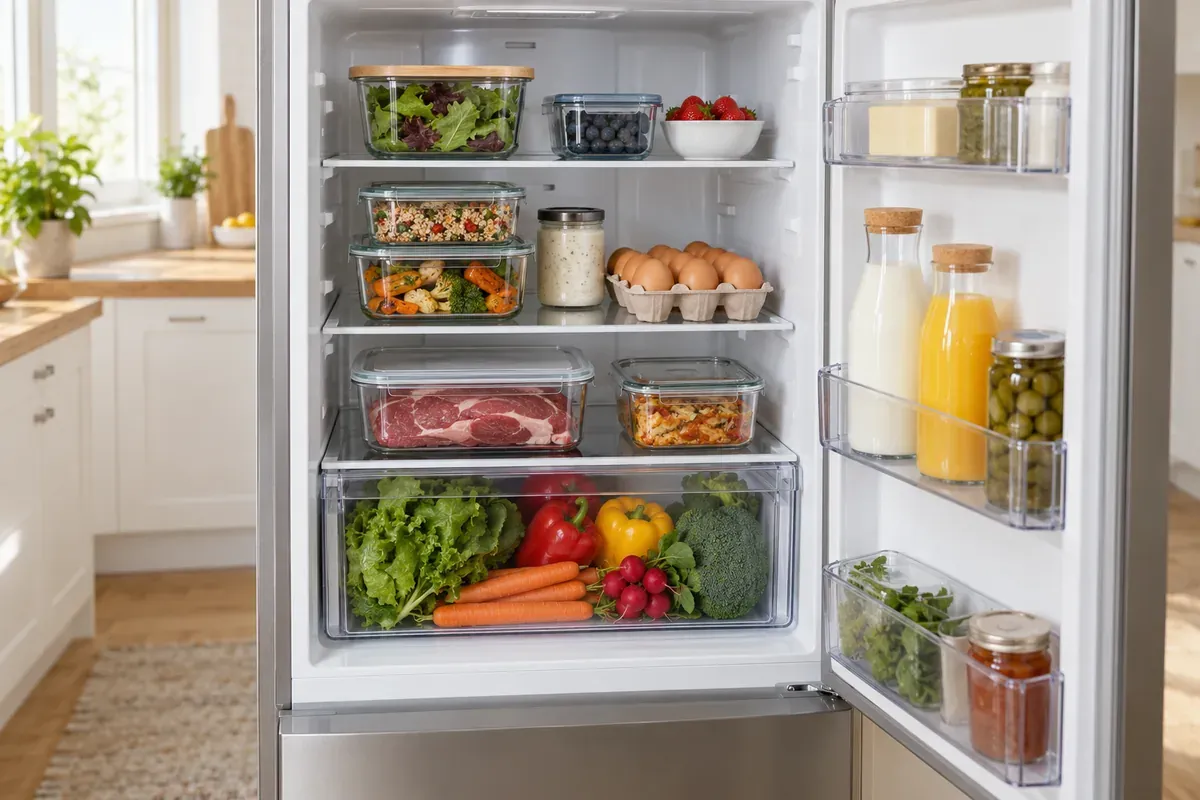
Refrigerate them in their original carton. Put them in the coldest part of the refrigerator, not the door, because opening the door repeatedly makes that area lose coolness.