What to buy, and what to make the morning of
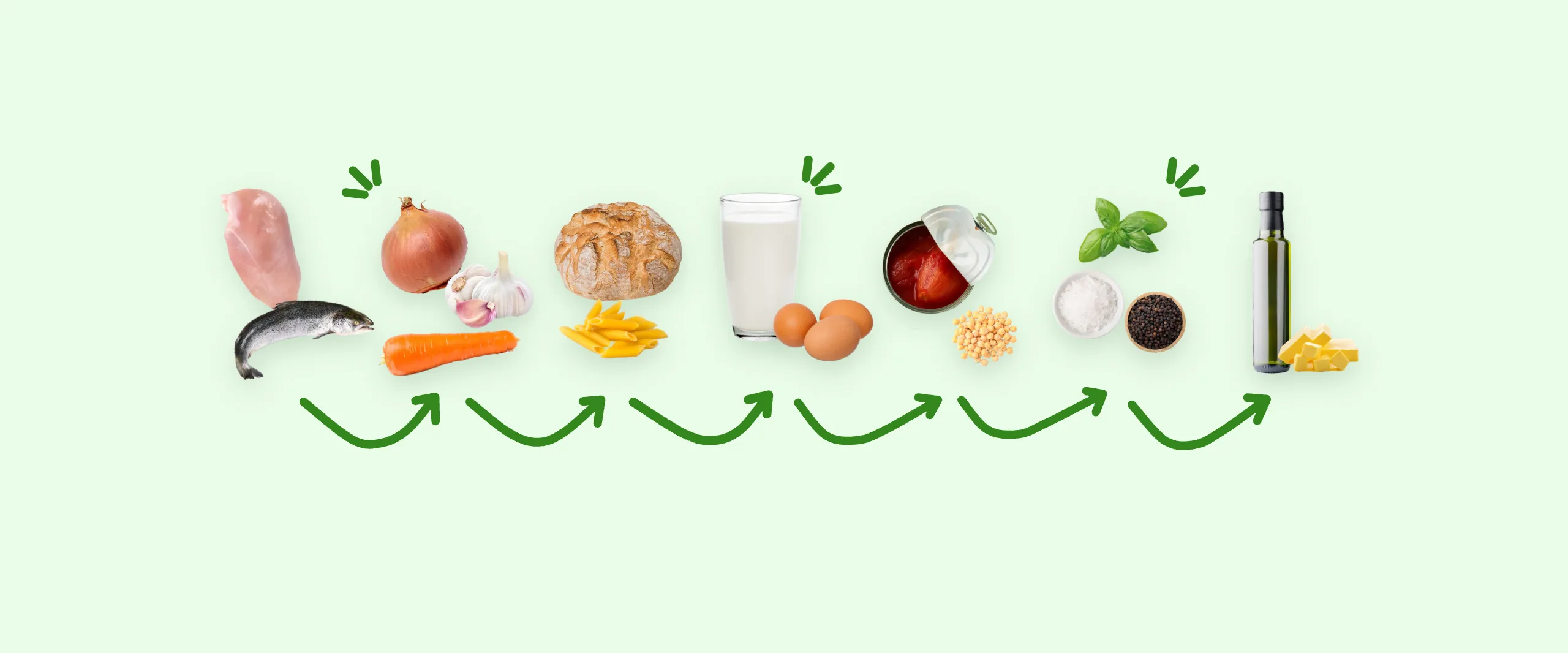
A picnic is a shopping list with a deadline. Buy the dry half early, because crackers, cookies, olives, juice and paper things sit happily in a cupboard and are the part you forget when you shop the same morning. The bread, the fruit and anything soft want to be bought the day you go out, which is why the two halves belong in separate trips rather than one long one.
Make the morning of only what needs to be fresh. Wash and dry the fruit, cut the carrot sticks, slice what you want sliced and put everything into boxes while it is still cold. A loaf stays whole until you are sitting down, because sliced bread dries out in a bag and a baguette torn by hand always looks better than one sawn on your knee.
Cool last, pack first. Load the blanket, the plates and the kit into the car or the basket while the food is still in the fridge, then take the food straight from the fridge into a cool bag you have already laid ice packs into. The bag goes on the back seat rather than the trunk, which is the hottest, bumpiest place in the car.
The ten things worth checking twice
Everything else can be improvised on the spot, but these are the lines that decide how the afternoon goes.
-
 Picnic blanket
- Cool bag
- Ice packs
-
 Still water
-
 Baguette
-
 Hard cheese
-
 Sharp knife
-
 Napkins
-
 Wet wipes
- Trash bags
Food that survives the walk
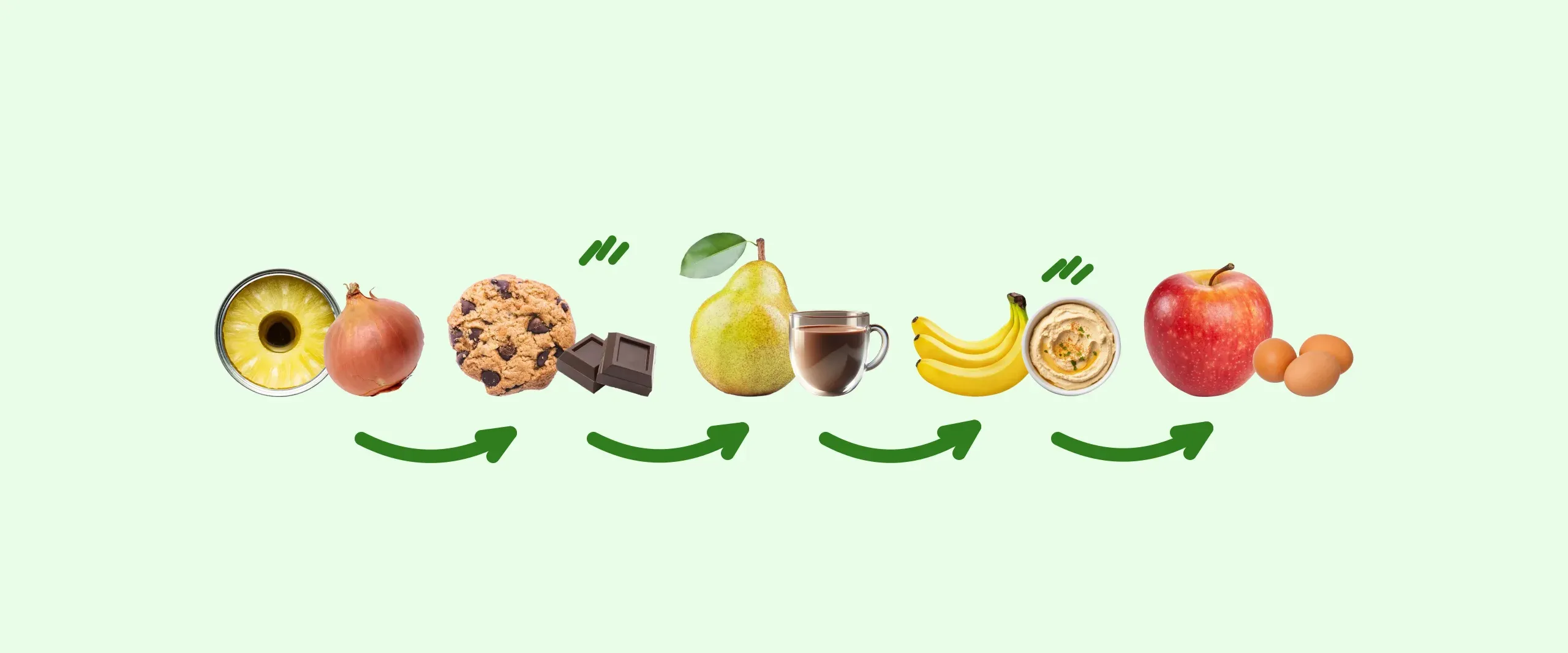
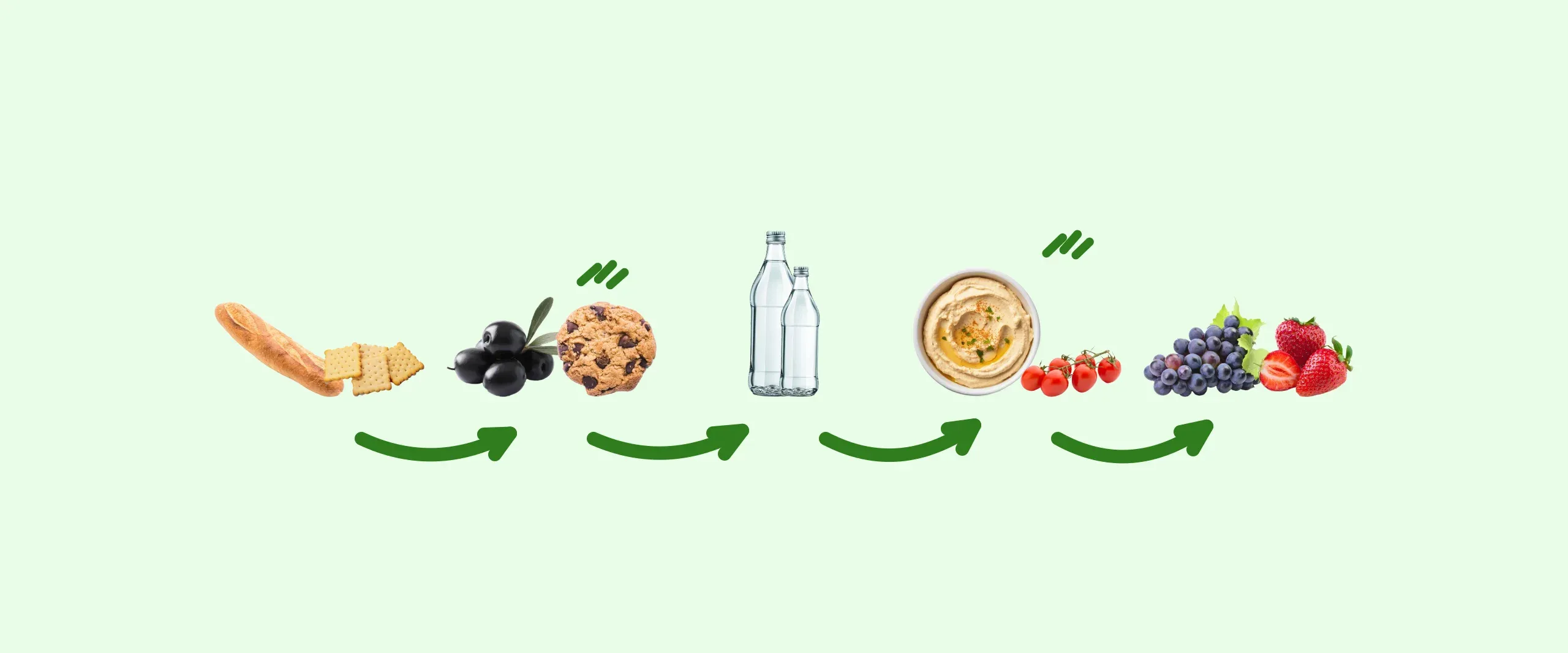
The rule is simple: bring food that is already whatever it is going to be. Hard cheese, cured meat, hummus, olives, crackers, a baguette, cherry tomatoes, carrot sticks, grapes and strawberries all arrive in the state they left in. They do not need plating, they do not need heating, and nobody needs to sit down to eat them.
Skip the things that need a kitchen or a flat surface. Dressed salads go limp, cream fillings and soft cheeses do not like being warm, anything with mayonnaise is a risk you do not need to take, and cakes with frosting arrive as a single new object. If you want something sweet, choose things that take a knock: cookies, brownies, a loaf cake, whole fruit.
Think about hands too. A picnic is eaten sitting on the ground, usually with one hand holding a cup, so food that needs a fork and a plate competes with the view. Things you can pick up win, which is why a board of bread, cheese, meat and dips beats a dish that would be better at a table.
Splitting a picnic between people
Four people each bringing what they feel like gives you four bags of crisps and no knife. Split by job instead of by dish. One person brings the blanket and the kit, one brings drinks and ice, and the others bring food in categories: bread and cheese, fruit and something sweet. The categories do the arguing for you.
Say out loud who is bringing the boring half. The blanket, cups, cutlery, the knife, the bottle opener, napkins and a trash bag are the things a picnic cannot do without and nobody volunteers for, so assign them to one person rather than hoping. If it is a big group, that person also brings a ground sheet, because grass is damper than it looks and the blanket soaks through from underneath.
Ask about food people cannot eat while the list is still being made, not while the basket is being unpacked. One message to the group changes the shopping rather than the afternoon, and a picnic is easy to make work: keep the meat on its own board, let people build their own plate, and give every dip its own spoon.
Leaving the spot the way you found it
The most common mistake is not the forgotten corkscrew, it is having no plan for the trash. Bring more bags than you expect to need, and use one for rubbish and one for the boxes and cutlery coming home dirty. Bins in parks fill up by the afternoon, so plan to carry it out rather than balance it on top of a full one.
Wet wipes and paper towels are what let you pack up quickly. Wipe the boards and the knife before they go back in the bag, shake the blanket out downwind, and fold it with whatever crumbs are left on the inside. Anything that got warm in the sun goes in the trash rather than back in the cool bag, and the cool bag goes straight from the car to the kitchen rather than the hallway.
Walk the spot once before you leave. Bottle caps, corks, bag ties, napkins under the edge of the blanket and whichever toy belongs to whichever child are always there, and the point of looking is that the next people sit down to the view you had.