 Drinks
Planning a party can be stressful, but organization is the key to success. Whether you’re inviting a few people or the whole family, throwing a great party brings everyone plenty of satisfaction and joy. A party shopping list is the foundation here. It keeps you from getting lost among all the products and spending money on things that will go to waste, while making sure you don’t forget the essentials.
How to make a party shopping list
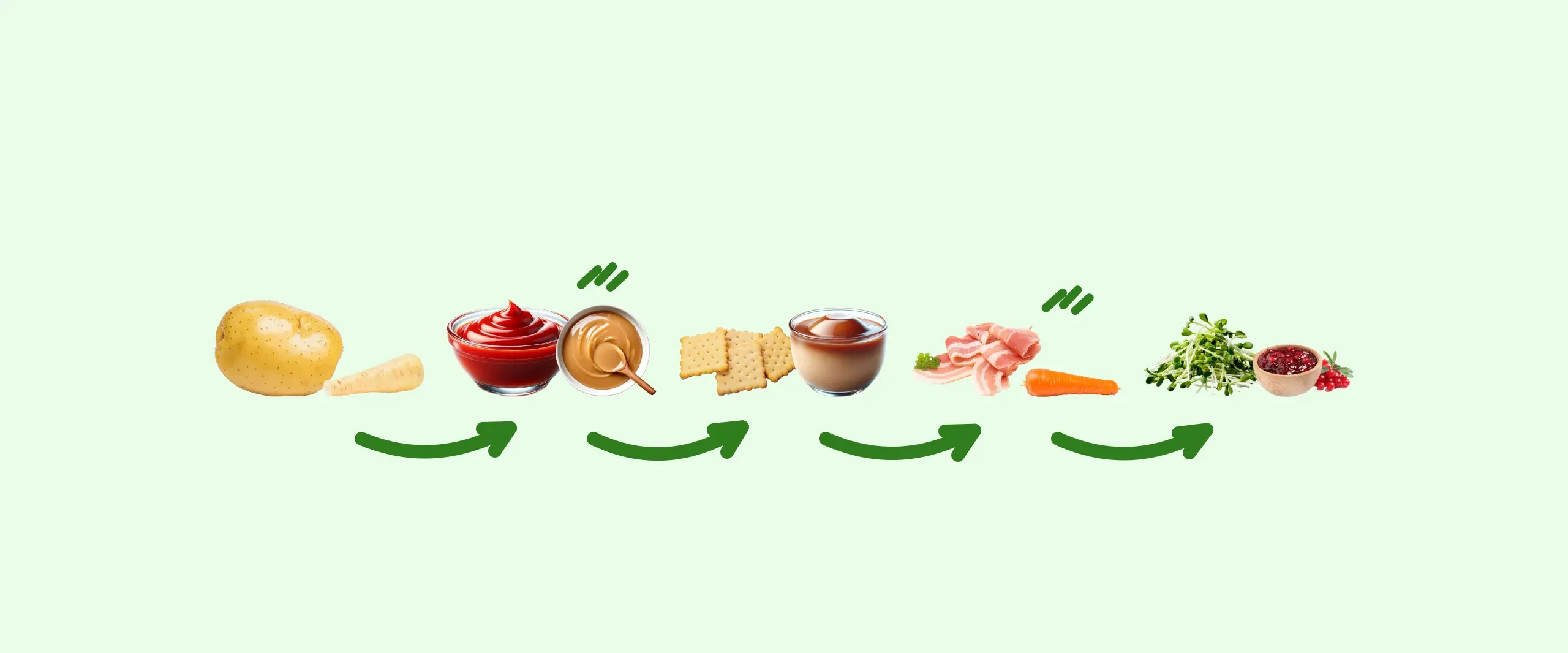
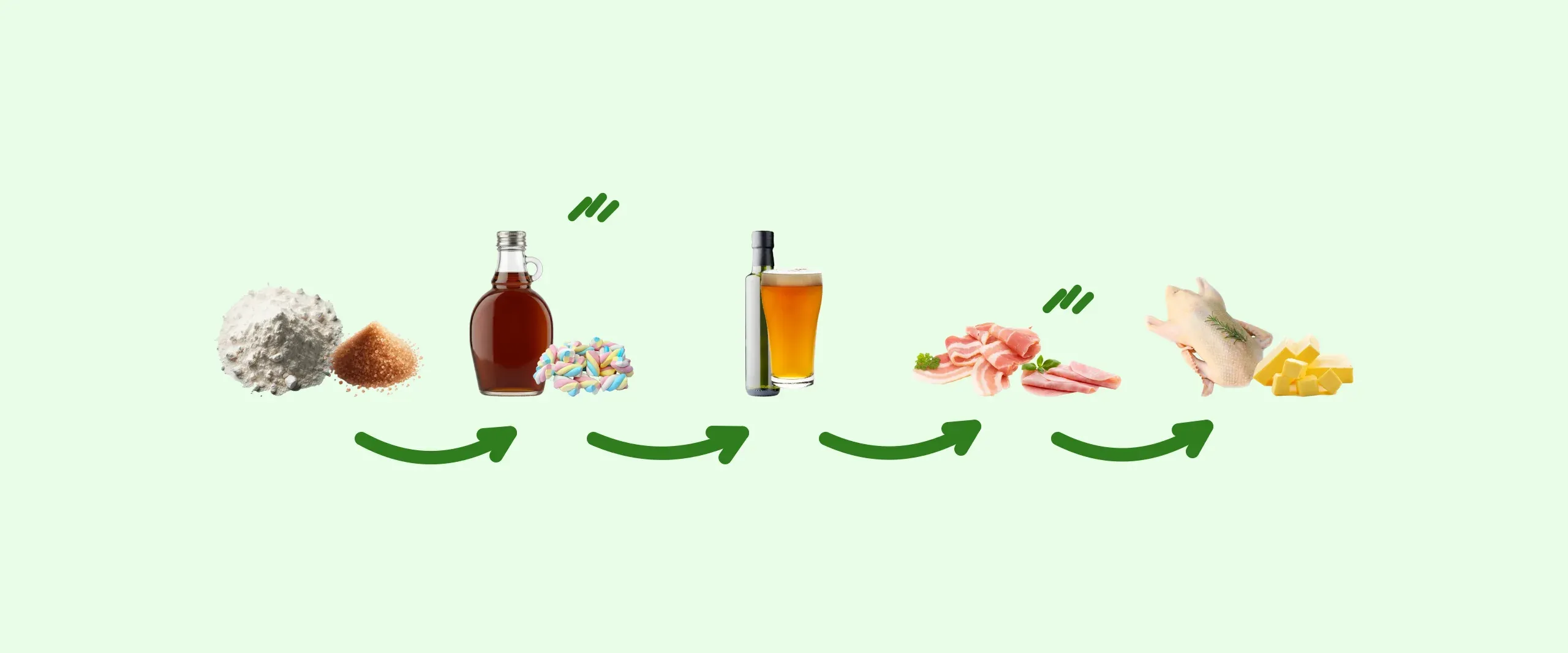
The first step in putting together a party shopping list is deciding on the menu.
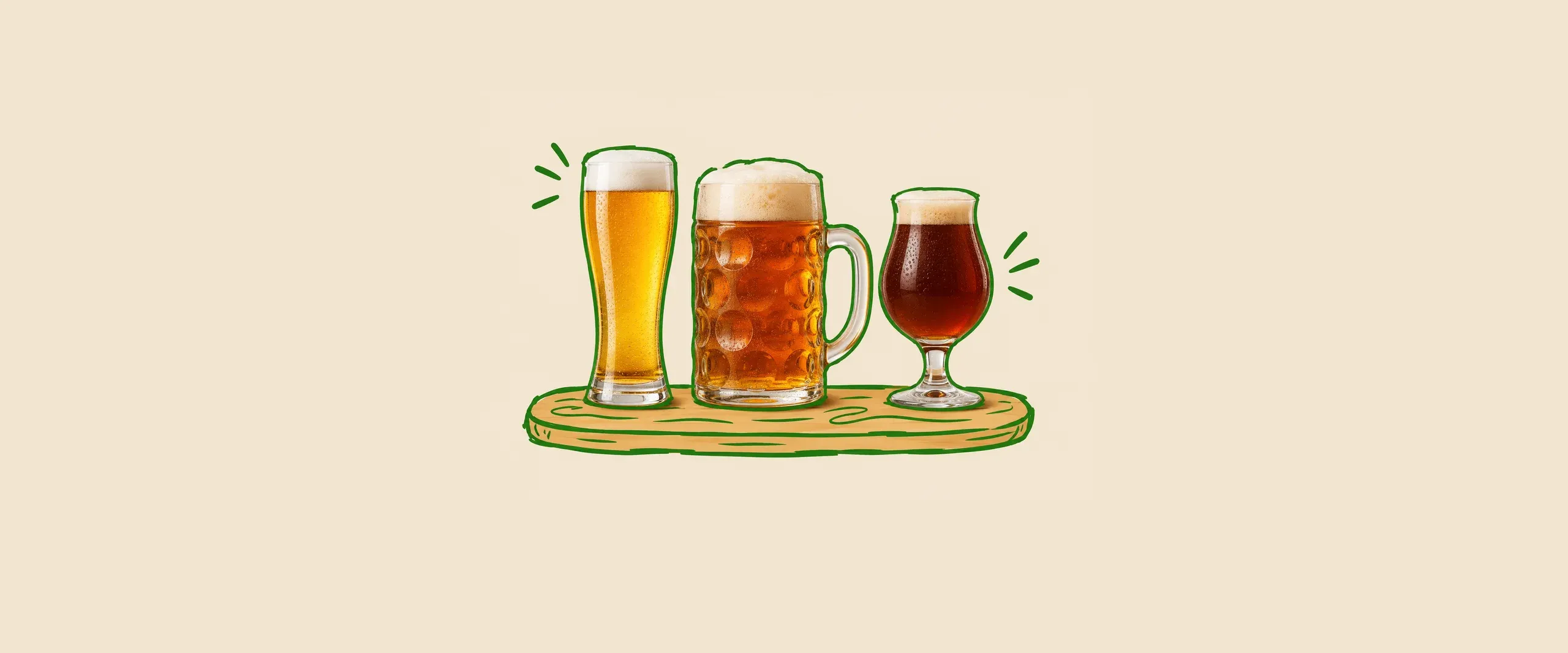
Take some time to look closely at your recipes and check what you already have, and only then add more items. It’s common to end up with a pile of fancy, exotic products but no plain flour or sugar. The same goes for drinks. Many people focus on buying the best alcohol, but remember the guests who don’t want to or can’t have alcoholic drinks.
Besides food, decorations also set the mood of a party. They don’t have to be expensive to work, and sometimes a homemade garland beats covering the whole apartment in confetti (not to mention how impractical that is, since it means hours of picking bits of paper out of every nook and cranny).
Still, it’s worth choosing a theme, whether that’s a special occasion or even just a color accent. Flowers, candles and placemats in the same shade will make your guests feel they’ve arrived at a carefully planned party.
A party shopping list should be split into categories. Food, drinks, decorations and supplies are good sections that make it easier to get around the store. If the party is for kids, you can add more sections to the list, such as toys or creative activities.
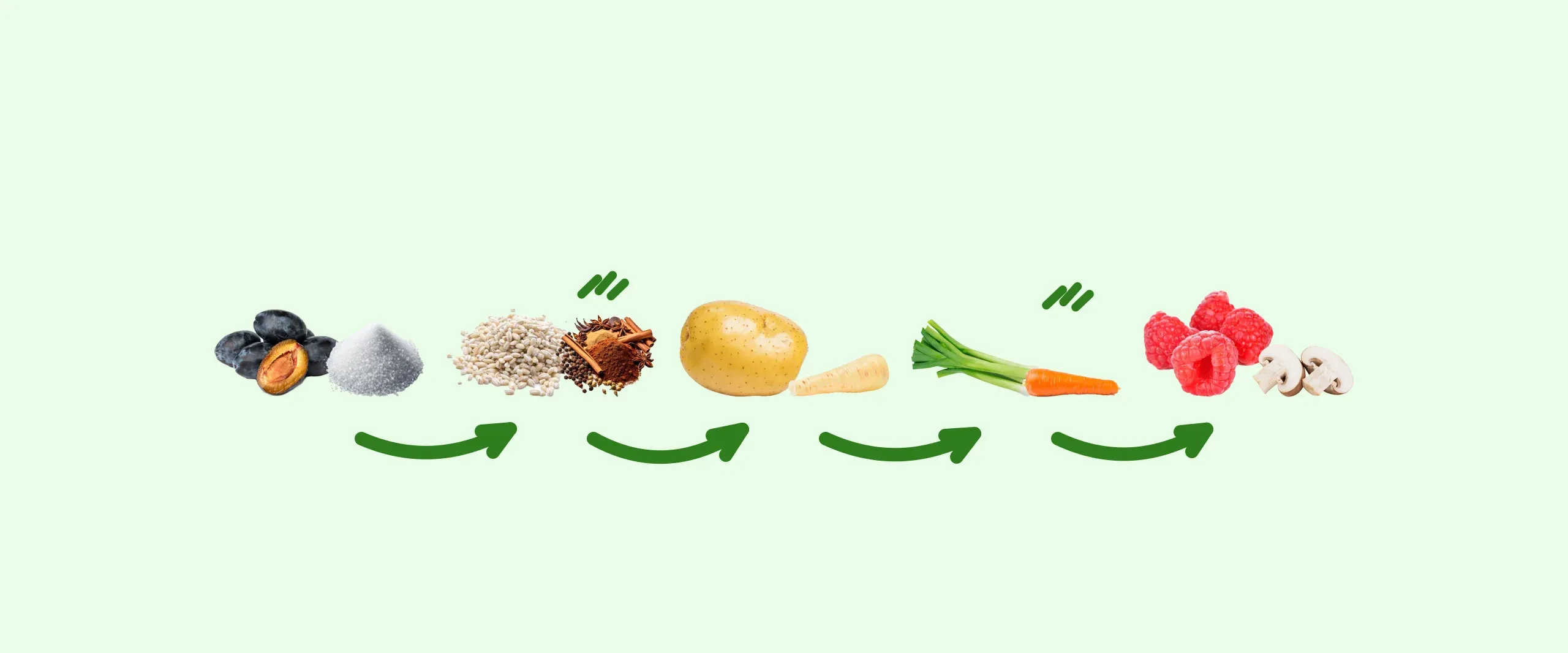
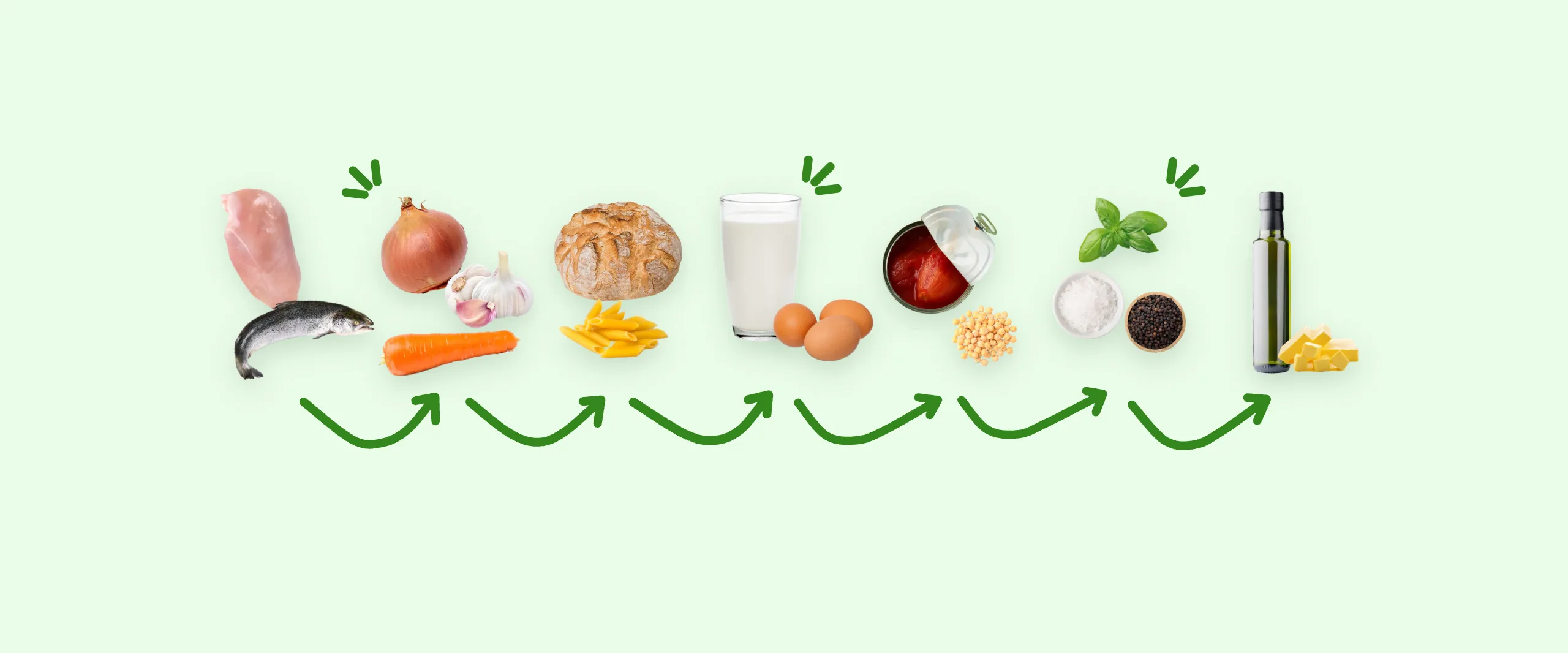
The 10 essentials on this list
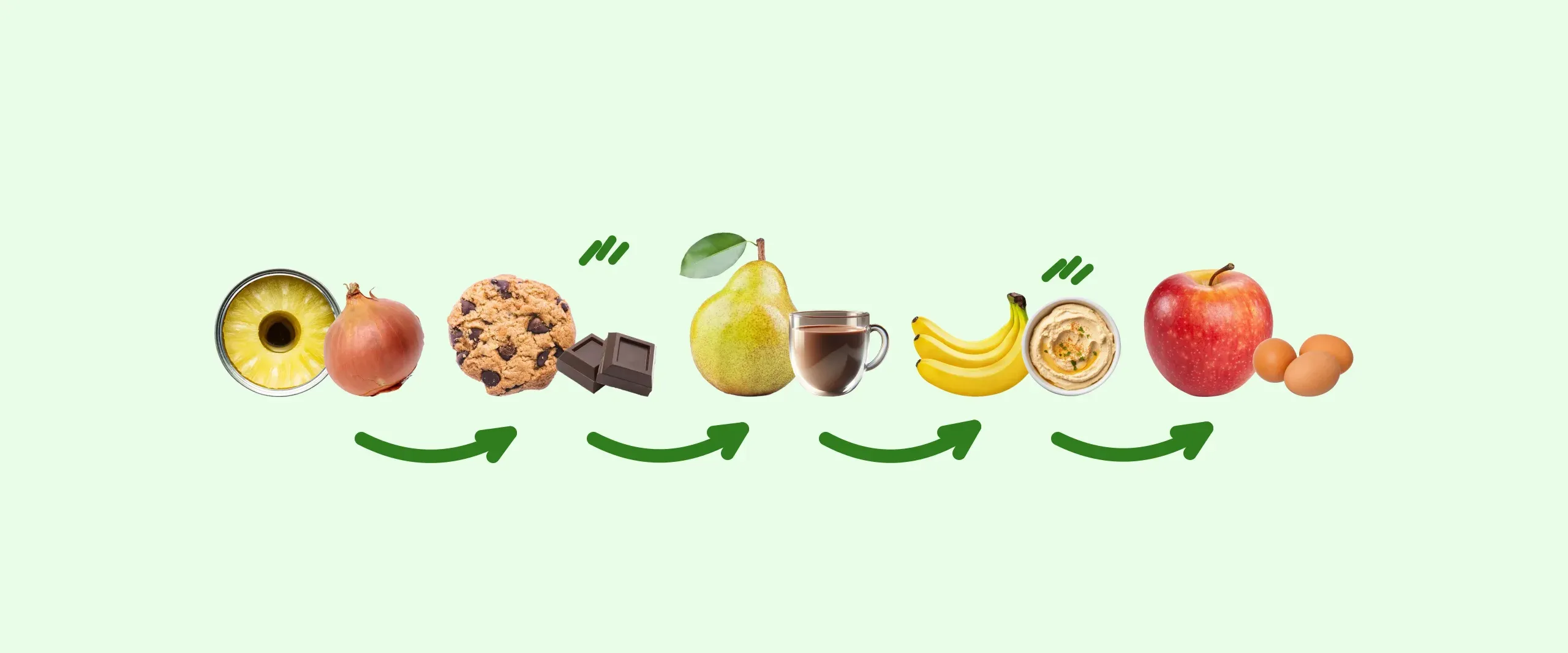
The products on this list that have a page of their own. Open any of them for its calories, its protein and how to keep it.


One menu that works for every guest
Ask who can’t eat what while you’re still choosing the menu, not when people are hanging up their coats. One message to the group does it, and the answers change your shopping list instead of your evening.
The UK Food Standards Agency makes food businesses declare 14 regulated allergens, and that list doubles as your prompt: celery, cereals containing gluten, crustaceans, eggs, fish, lupin, milk, mollusks, mustard, peanuts, sesame, soybeans, sulfites and tree nuts. US labels cover 9 major food allergens, sesame among them since January 1, 2023.
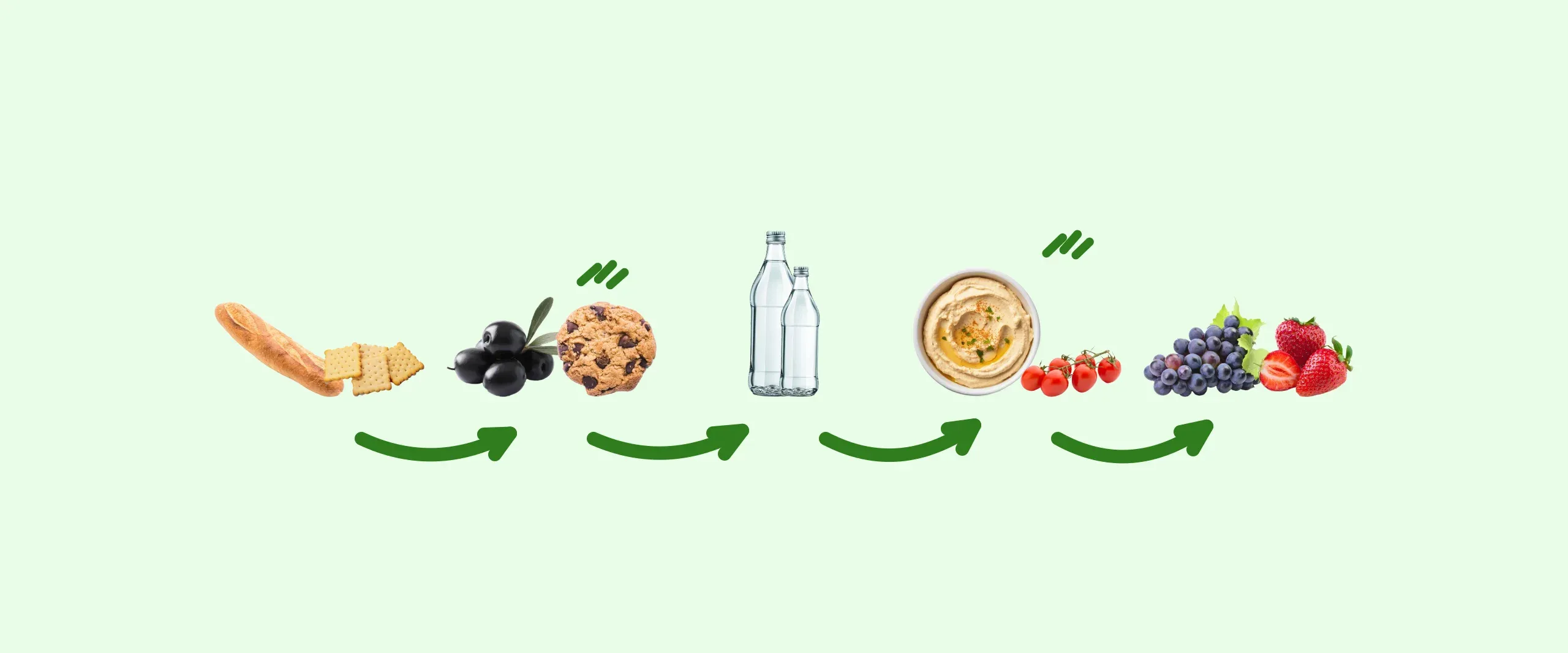
One menu still covers a vegetarian, a gluten-free guest and a 6-year-old, as long as you serve parts instead of finished plates. Put out a base everyone can eat, keep the meat beside it rather than through it, and give sauces, cheese and toppings their own bowls. Guests build a plate that works, and you cook once. The hummus, tofu, feta and olives already on your list carry a meat-free plate on their own.
Give every dish its own spoon. The FSA warns that picking an ingredient back off a plate is not enough, because a very small amount can trigger a reaction. Keep the packets from sauces, dressings and desserts until the party is over, so you can answer a question about what went into a dish.
When to buy what, working backward from the party
Let the fridge set your shopping order. The refrigerator limits in FoodSafety.gov’s cold food storage chart split the list into three trips:
- A week out. Drinks, chips, crackers, canned pineapple, olives and everything else that lives in a cupboard. Eggs belong here too, since they keep 3 to 5 weeks in the fridge, and so do unopened hot dogs and deli meat at 2 weeks.
- Two or three days out. Steaks, chops and roasts, good for 3 to 5 days, plus hard cheese, potatoes, onions and the sturdier vegetables.
- The day before or the morning of. Ground meat and fresh poultry keep just 1 to 2 days, so the chicken breast on your list is the last thing in the cart.
Anything you make ahead runs on the same clock. Soups, stews and baked casseroles hold 3 to 4 days in the fridge, and soups and stews freeze for 2 to 3 months, so a sauce or a cake base made the weekend before is fine either way. Move whatever you froze down to the fridge the night before, because the Food Standards Agency says to defrost in the fridge and use the food within 24 hours of it thawing through.
One rule covers all three trips. The FDA says to refrigerate meat, poultry, eggs and seafood within 2 hours of buying them, so do the food shop last, not before an afternoon of other errands.
How to shop for a party
When you’re getting ready for any kind of party, it often feels like you’re buying too little. So people put far more products in their carts than they need.
Be realistic about how much each guest can eat. Formal celebrations usually have a first course, a main course, dessert, fruit and snacks. That’s fine if the party goes on for a dozen or so hours, but for a family get-together that much food can be absurd.
The average person will eat a main course and 2 slices of cake over 3 hours, so counting on them to also put away soup, salads and ice cream is risky. That means your party shopping list has to reflect realistic amounts, because few sights are as sad as wasted dishes you spent plenty of time and money on.
It’s also worth choosing products in large packs. They usually have a better unit price and create less trash too.
The same goes for drinks. Rather than a pack of small bottles, buy single large ones. If you’re short on time to get ready for the party, you can reach for groceries sold in sets. They can cost more, but they’re often good inspiration and a base for other dishes.
What to do with what’s left
Start clearing while the last guests are still talking. The USDA says to throw out perishable food left at room temperature for more than 2 hours, or 1 hour if it’s over 90°F, and the clock runs from when the bowl went out. Cheese, dips, cold cuts and anything with egg or cream are on that clock. Chips, crackers, cookies and whole fruit are not.
Cool what you save quickly. Split a full tray or a big pot into shallow containers, and put hot food straight into the fridge rather than leaving it on the counter.
Two numbers are worth knowing:
- Fridge. The USDA gives leftovers 3 to 4 days. The Food Standards Agency is stricter and says to eat them within 48 hours or freeze them.
- Freezer. 3 to 4 months, and that one is about quality rather than safety: the USDA says frozen leftovers stay safe indefinitely, they just lose moisture and flavor.
Reheating has a standard on each side of the Atlantic. The USDA wants leftovers brought to 165°F, and the FSA wants them steaming hot all the way through, reheated once only.
Send the rest home. Put containers out before anyone reaches for a coat, and give away the platters that stayed covered rather than the ones that sat out all evening. Unopened chips, sealed drinks and whole fruit travel best, and the guest who leaves with half the cake spares you the sight of it every time you open the fridge.