No-Sugar Diet Food List for a 14-Day Challenge + PDF
The no-sugar diet is an eating pattern that cuts added sugar, so the sugar you eat comes from whole fruit, vegetables and plain milk instead of sweets, sweetened drinks and sugar hidden in packaged food. Many people try it as a 14-day challenge. This list covers what to buy, what to skip and how to spot added sugar on a label.
- Shopping list
- 59
- Store categories
- 12
- Type
- Weight loss diets
No-sugar diet shopping list
59 of 59 items
 Meats
 Fish & seafood
 Fresh grocery
 Dry goods
 Dairy & eggs
 Plant based
 Bakery
 Frozen
 Cans & jars
 Snacks & sweets
 Spices & sauces
 Beverages
How the no-sugar diet works
Added sugars are sugars and syrups put into food when it is made, cooked or served at the table. WHO calls them free sugars and counts honey, syrups, fruit juice and fruit juice concentrates among them. Sugars naturally present in fruit, vegetables and milk are not counted.
Health bodies set a ceiling rather than zero. WHO recommends less than 10% of daily calories from free sugars. Going below 5%, about 25 grams or 6 teaspoons, would bring additional benefits. The American Heart Association sets no more than 6% of calories, which is about 6 teaspoons for most women and 9 for most men. The 2025-2030 Dietary Guidelines for Americans go further: no amount of added sugars is recommended, and no more than 10 grams in one meal. The no-sugar diet follows that strictest reading.
To follow it, build meals from whole foods and read the label on anything packaged. On the Nutrition Facts panel, check the Added Sugars line. The Daily Value is 50 grams a day on a 2,000-calorie diet. The FDA calls 5% of it or less low and 20% or more high. In the ingredient list, look for the words sugar and syrup and for names ending in -ose, such as dextrose, maltose and sucrose.
Drinks matter as much as food. The American Heart Association points out that one 12-ounce can of regular soda holds about 10 teaspoons of sugar. Water, plain sparkling water, unsweetened tea and coffee leave sugar out. The Dietary Guidelines do not recommend non-nutritive sweeteners, such as aspartame or sucralose, as a replacement.
What can you eat on the no-sugar diet
-
Protein
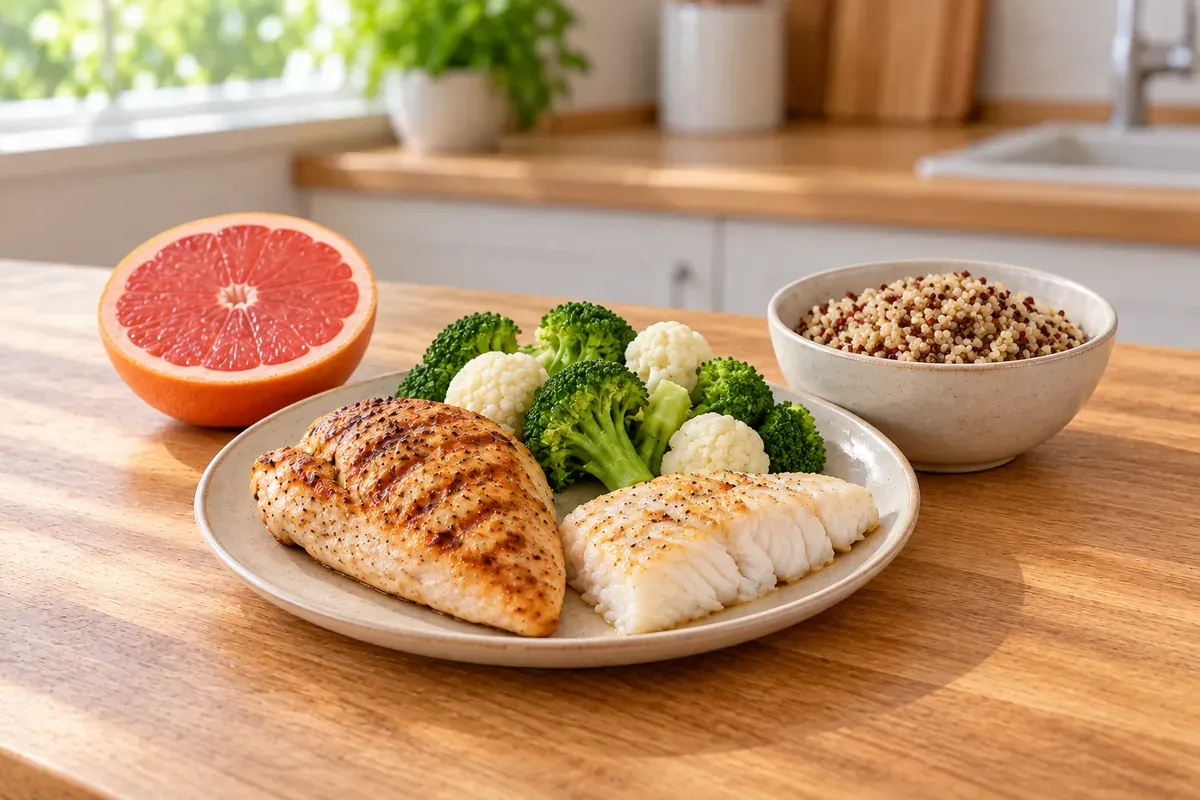
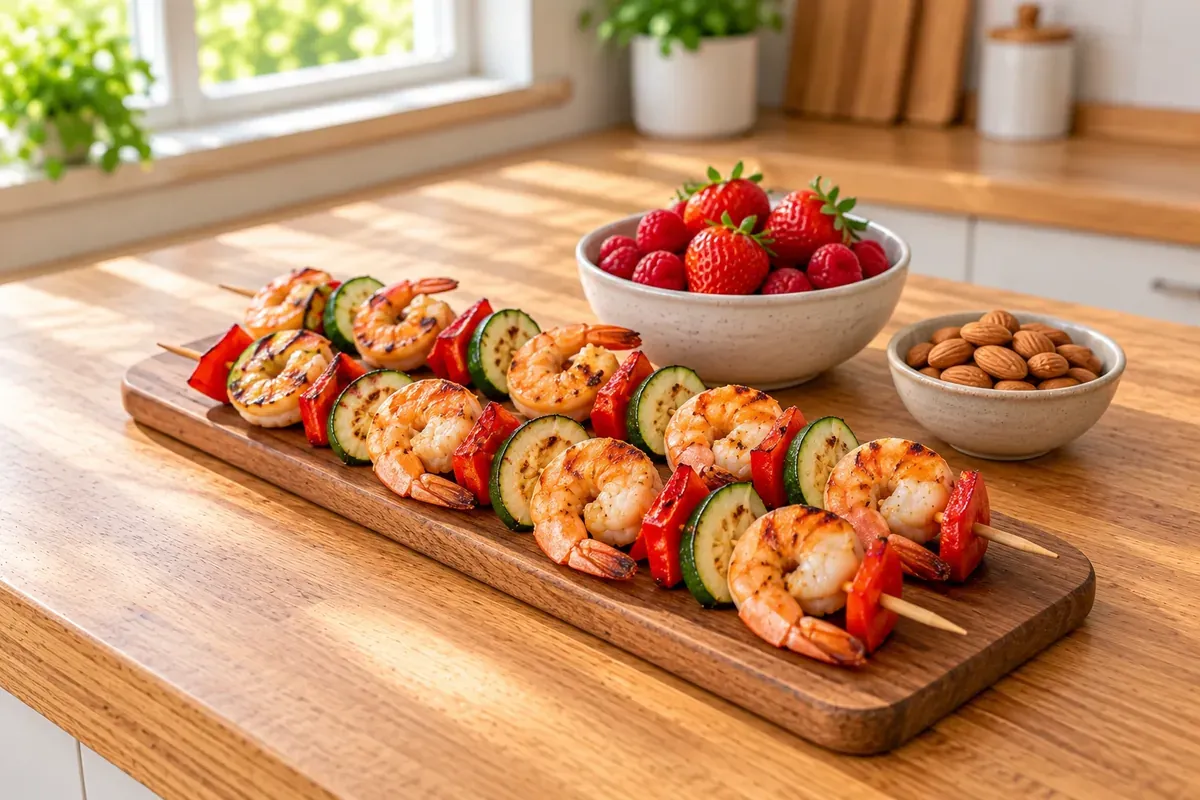
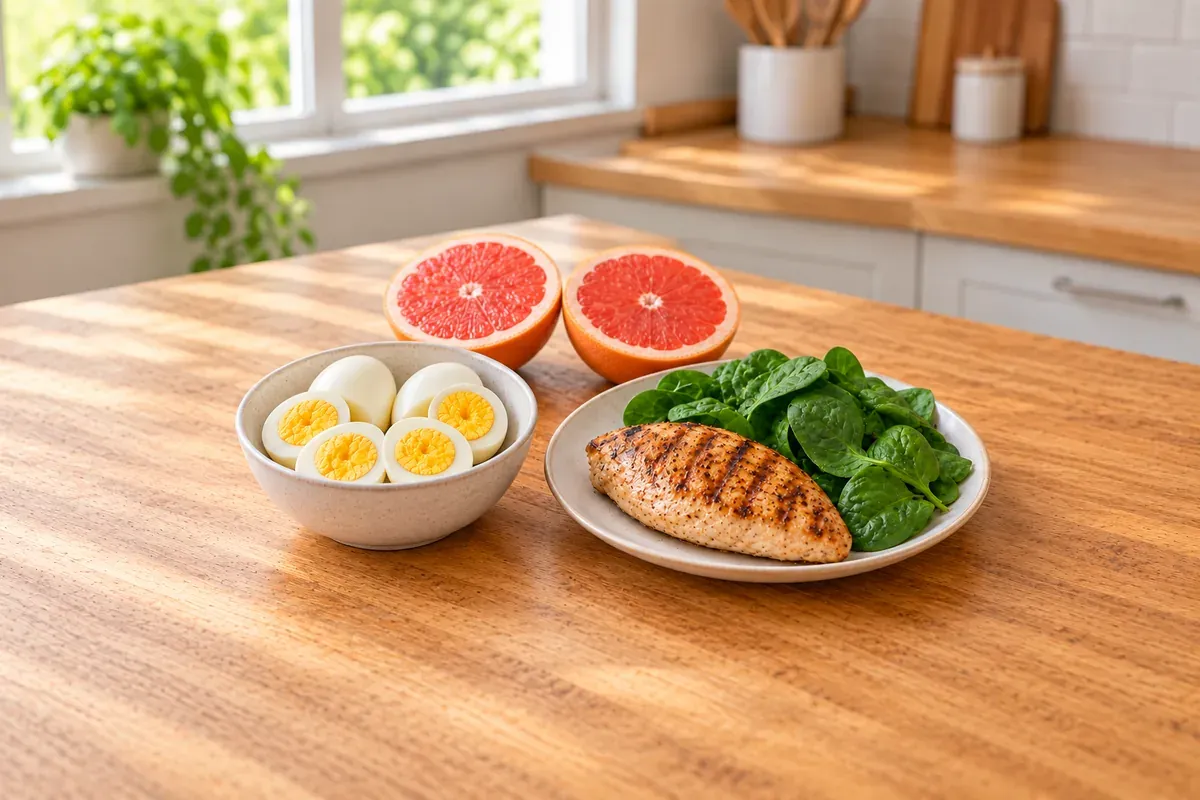
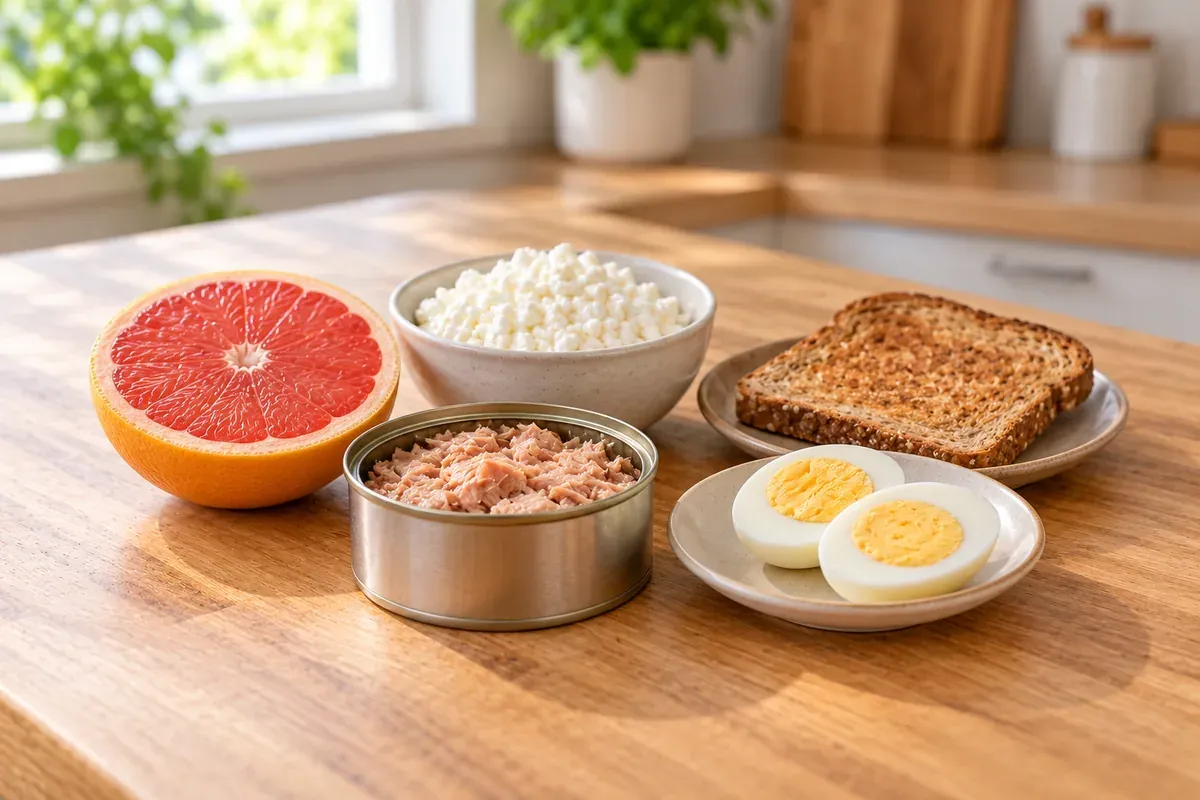
Eggs, poultry, beef, pork, fish, shrimp, tofu and tempeh contain no added sugar in their plain form. Check marinades, glazes and flavored or cured products, which can add sugar.
-

Vegetables
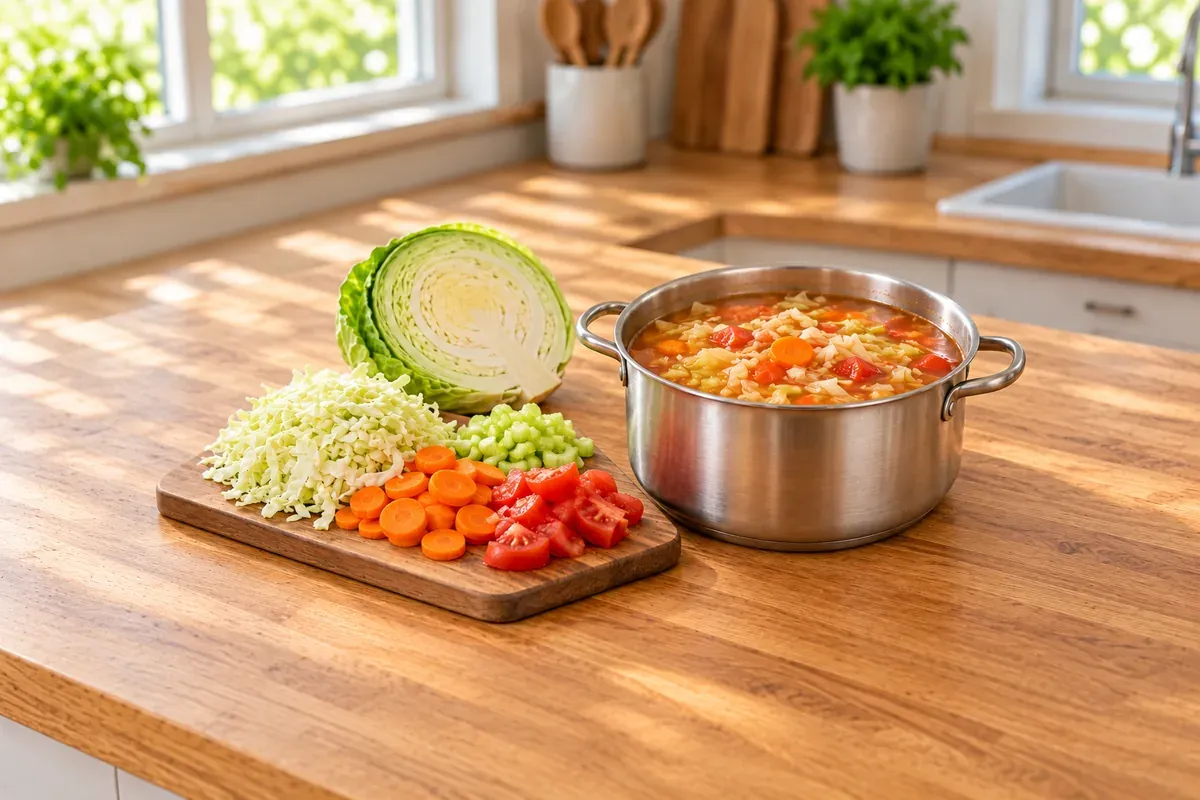
Fresh, frozen and canned vegetables all fit, and their natural sugars are not counted as added sugars. Choose frozen and canned ones with no sugar added.
-

Whole fruit
Whole fruit is allowed, because its natural sugars are not counted as added sugars. Berries, apples and oranges work as snacks, while fruit canned in syrup and fruit juice do not.
-
Whole grains
Rolled oats, brown rice, quinoa and whole-grain pasta have no added sugar and give meals a base without sweet foods. Check bread labels, because some loaves list sugar or syrup.
-

Legumes
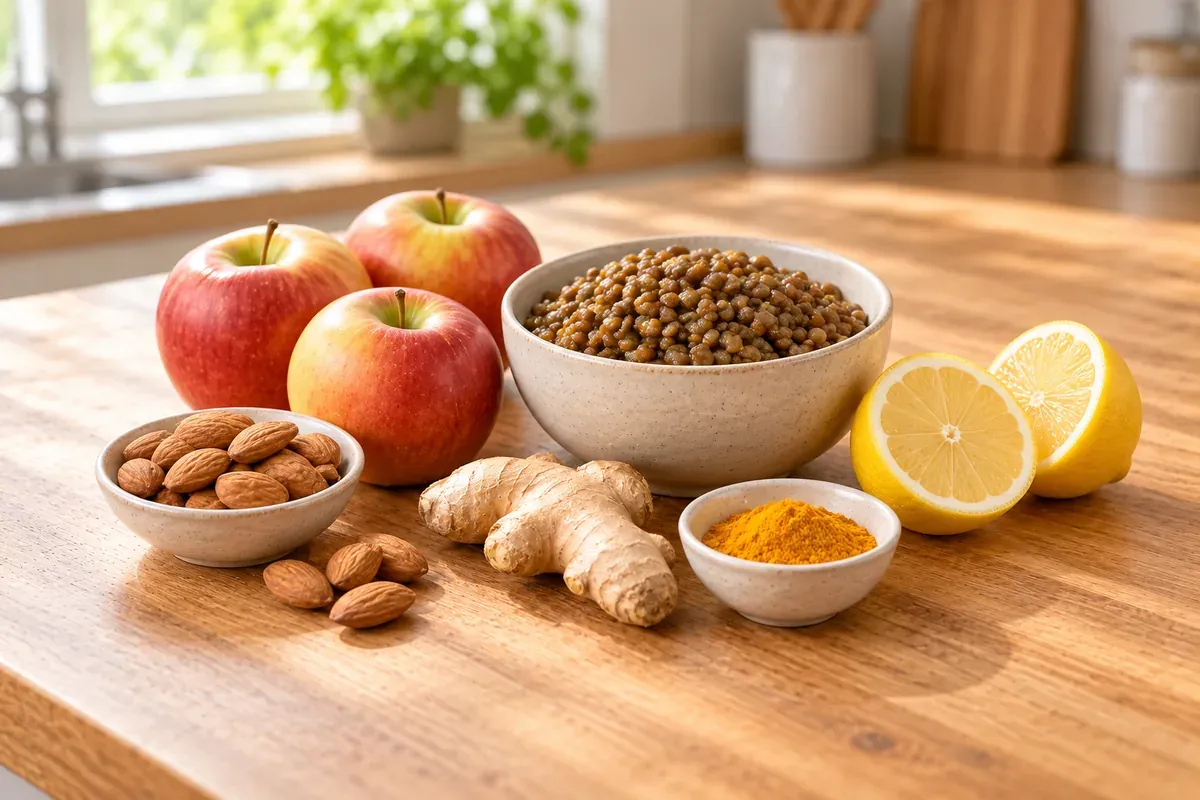
Lentils, chickpeas and beans are staples for soups, salads and curries. Buy them dried, or canned with no sugar added, and check baked beans in sauce.
-
Dairy and alternatives
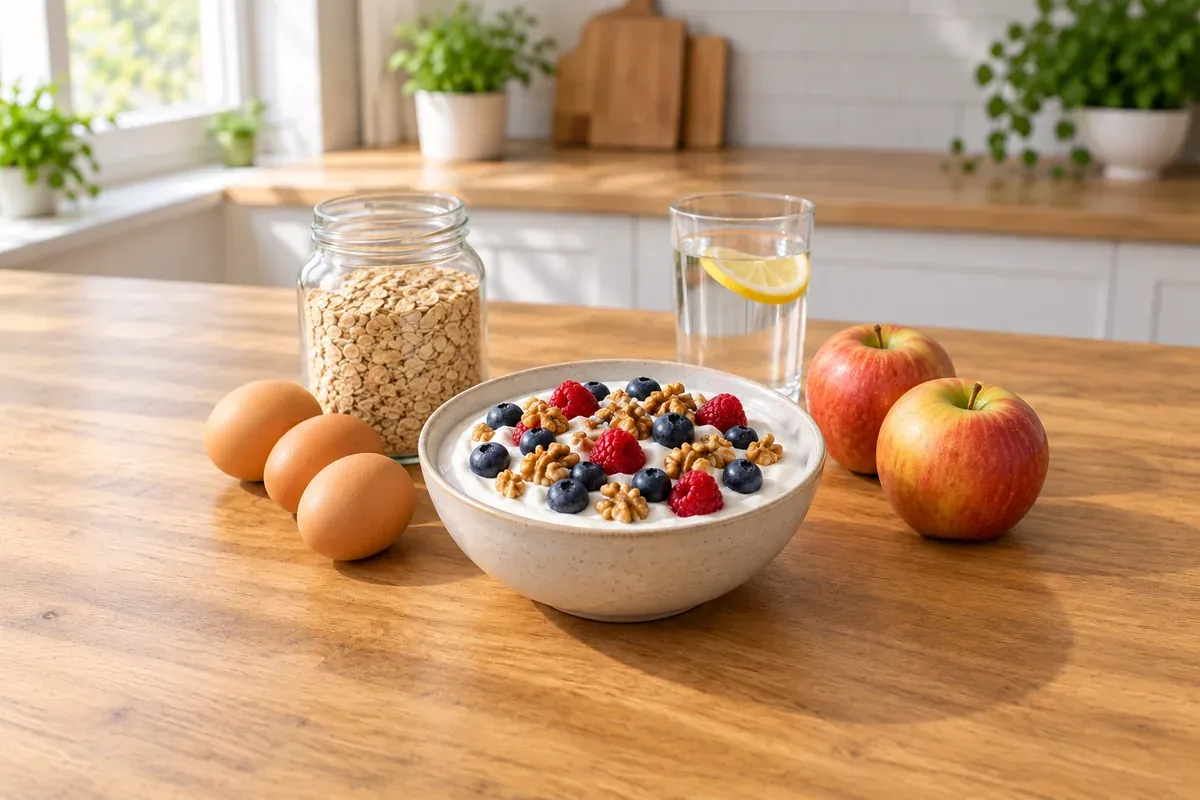
Plain milk, plain yogurt, cottage cheese and cheese have no added sugar. Any sugar in them is lactose, which is not counted as added. Choose unsweetened almond or soy milk if you drink plant-based milk.
-

Nuts and seeds
Plain almonds, walnuts, pumpkin seeds and chia seeds work as snacks and toppers. Skip candied, honey-roasted and chocolate-coated ones.
-
Beverages
Water, plain sparkling water, unsweetened tea and coffee. A slice of lemon or a few berries adds flavor without adding sugar.
Foods to avoid on the no-sugar diet
On the no-sugar diet, leave out:
- Table sugar, honey and syrups. White and brown sugar, honey, maple syrup, agave syrup, molasses and corn syrup all count as added sugar. WHO counts honey and syrups as free sugars even though they come from natural sources.
- Sugary drinks and juice. Regular soda, energy drinks, fruit drinks, sweetened tea and coffee, and fruit juice. One 12-ounce can of regular soda holds about 10 teaspoons of sugar.
- Sweets and desserts. Candy, cookies, cakes, pastries, ice cream and most chocolate, including most dark chocolate. Candy and ice cream are on the American Heart Association's list of common sources of added sugar.
- Sweetened dairy and breakfast foods. Flavored yogurt, flavored milk, sweetened breakfast cereals, granola, cereal bars and instant oatmeal packets. The American Heart Association lists sweetened yogurts, flavored milk, cereals and bars among common sources.
- Sauces and packaged foods with sugar. Ketchup, barbecue sauce, teriyaki sauce, sweet salad dressings and some breads, soups and canned goods contain added sugar. Check the Added Sugars line before they go in the cart.
- Sugar substitutes and diet products. The 2025-2030 Dietary Guidelines do not recommend any amount of non-nutritive sweeteners, such as aspartame, sucralose, saccharin, xylitol and acesulfame K. Sugar-free sodas, bars and desserts that rely on them are not on this list either.
Downsides to know about
- Added sugar hides in savory foods. Sugar and syrups show up in bread, sauces, soups and canned goods. The American Heart Association notes that many people consume more sugar than they realize. Following the diet means reading the label on most packaged food, which takes time at the store.
- Guidelines don't agree on zero. WHO sets a limit of less than 10% of calories from free sugars, and the American Heart Association 6%. Only the 2025-2030 Dietary Guidelines say no amount of added sugars is recommended. Cutting to zero is a stricter choice than the WHO and AHA limits ask for.
- No standard 14-day plan. The 14-day challenge is a popular format, not a protocol from a health body. WHO, the American Heart Association and the Dietary Guidelines set sugar limits for every day. This page makes no claim about what two weeks will do.
People also ask
Is honey or maple syrup allowed on a no-sugar diet?
No. Honey and syrups count as added sugar even though they come from natural sources. WHO lists them among free sugars, and the American Heart Association names honey and syrup among the many names for sugar. To sweeten a bowl of oats or plain yogurt, use whole fruit such as berries or grated apple, or leave it unsweetened.
Does 0 g added sugars on a label mean a food has no sugar at all?
No. The Added Sugars line leaves out sugars that occur naturally in milk, fruit and vegetables. A food can show 0 g added sugars and still list grams under Total Sugars. On a no-sugar diet, the Added Sugars line and the ingredient list are the two places to check.
Is fruit juice allowed on a no-sugar diet?
A strict no-sugar diet leaves it out. WHO counts the sugars in fruit juice and juice concentrates as free sugars, even when no sugar was added. The 2025-2030 Dietary Guidelines say 100% juice should be limited or diluted with water. Whole fruit is the better pick, since its natural sugars are not counted as added.