Fatty Liver Diet Food List and Foods to Avoid + PDF
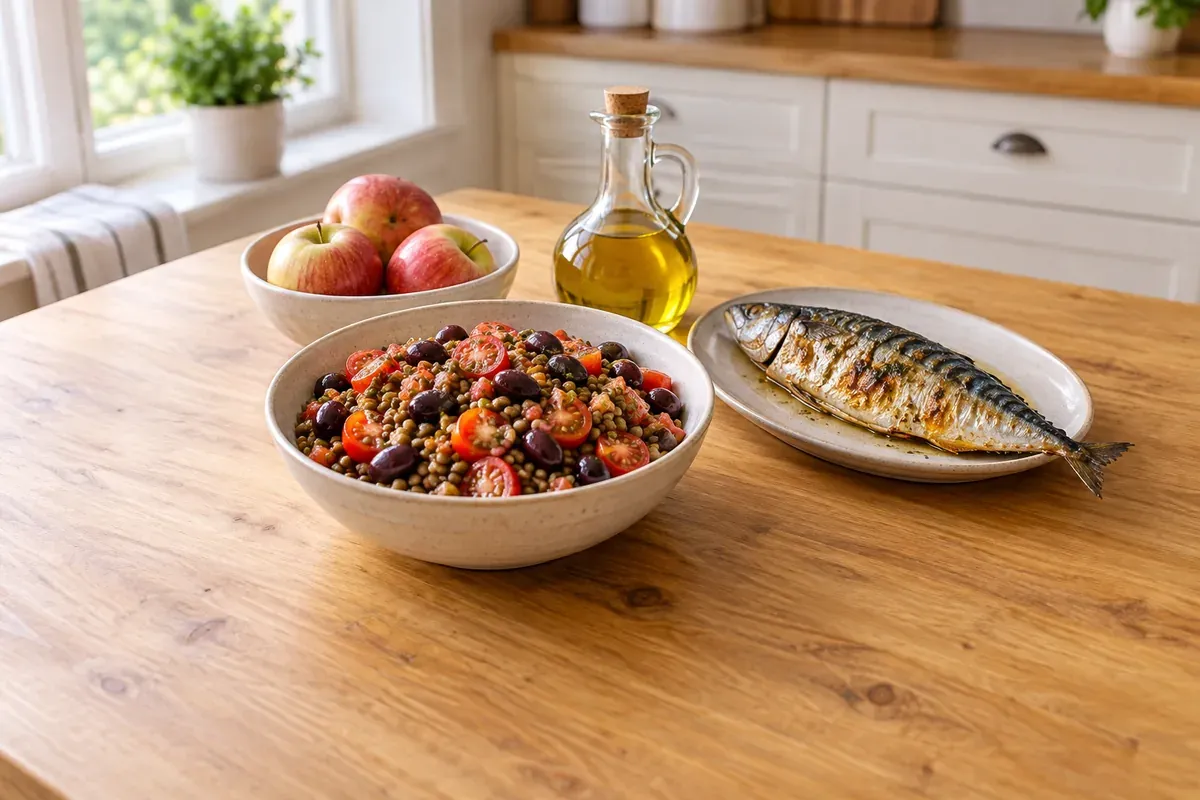
The fatty liver diet is a Mediterranean-style way of eating for fatty liver disease (now called MASLD, formerly NAFLD), low in added sugar, sugary drinks, ultra-processed food, and alcohol. This page gives the shopping list, what to limit, and what the evidence says.
- Shopping list
- 55
- Store categories
- 12
- Type
- Diets for health conditions
Fatty liver diet shopping list
55 of 55 items
 Meats
 Fish & seafood
 Fresh grocery
 Dry goods
 Dairy & eggs
 Plant based
 Bakery
 Frozen
 Cans & jars
 Snacks & sweets
 Spices & sauces
 Beverages
How the fatty liver diet works
Fatty liver disease is now called metabolic dysfunction-associated steatotic liver disease (MASLD) and was formerly called NAFLD. The European guideline defines it as steatotic liver disease, meaning fat in the liver, in a person with at least one cardiometabolic risk factor and no harmful alcohol intake. There is no single official fatty liver diet. Guidelines point to a Mediterranean-style pattern instead: plenty of vegetables, fruit, legumes, whole grains, nuts, fish, and olive oil, with little red meat, processed food, added sugar, and alcohol.
In the guidelines, weight loss is the best-supported goal, more than any single food. The European guideline says adults with overweight should aim for a sustained loss of at least 5% of body weight to reduce liver fat, 7 to 10% to improve liver inflammation, and 10% or more to improve fibrosis (scarring). It also says there is little evidence so far that better diet quality changes clinical liver outcomes. NIDDK describes the weight loss as gradual.
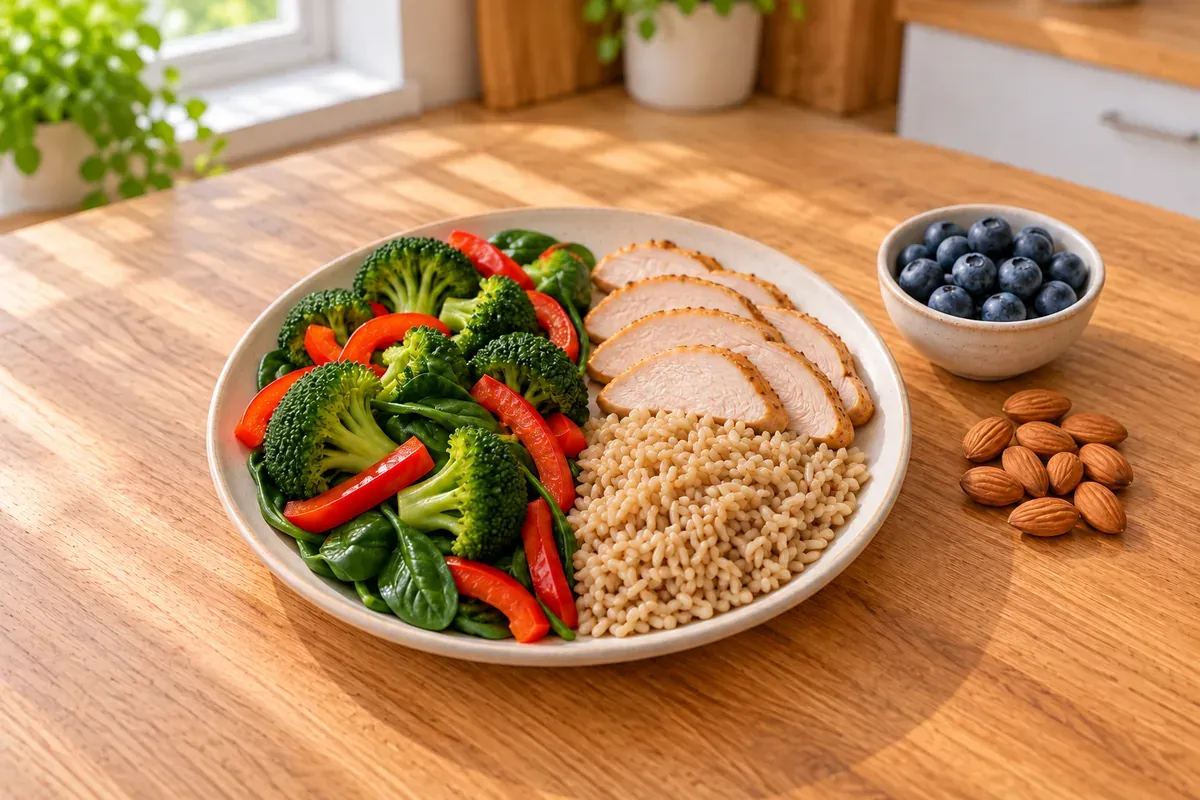
A practical plate, from a hospital liver clinic handout: half non-starchy vegetables, a quarter protein foods such as fish, chicken, eggs, or legumes, and a quarter whole grains. The same handout suggests 2 to 3 pieces of fruit a day, fish at least twice a week, and red meat once a week at most. Water is the default drink. Sugary drinks and alcohol are what the guidelines say to leave out.
What can you eat on the fatty liver diet
-

Vegetables
Fill half of your plate with non-starchy vegetables such as spinach, broccoli, tomatoes, and peppers, as the hospital handout suggests. NIDDK lists most vegetables among low-glycemic foods.
-

Fruit
Whole fruit such as apples, berries, and oranges fits the pattern, at 2 to 3 pieces a day in the hospital handout. NIDDK lists most fruits as low-glycemic and fruit juice as a source of fructose to avoid.
-
Whole grains
Oats, brown rice, quinoa, whole wheat pasta, and whole grain bread can fill a quarter of the plate. NIDDK groups whole grains with low-glycemic foods, unlike white bread and white rice.
-

Legumes
Lentils, chickpeas, and black beans are core Mediterranean foods. The hospital handout suggests eating legumes about 3 times a week.
-

Nuts and seeds
Unsalted almonds, walnuts, and pumpkin, chia, and flax seeds belong to the Mediterranean pattern. The handout's snack portion is a handful of nuts, about 30 g.
-
Lean protein
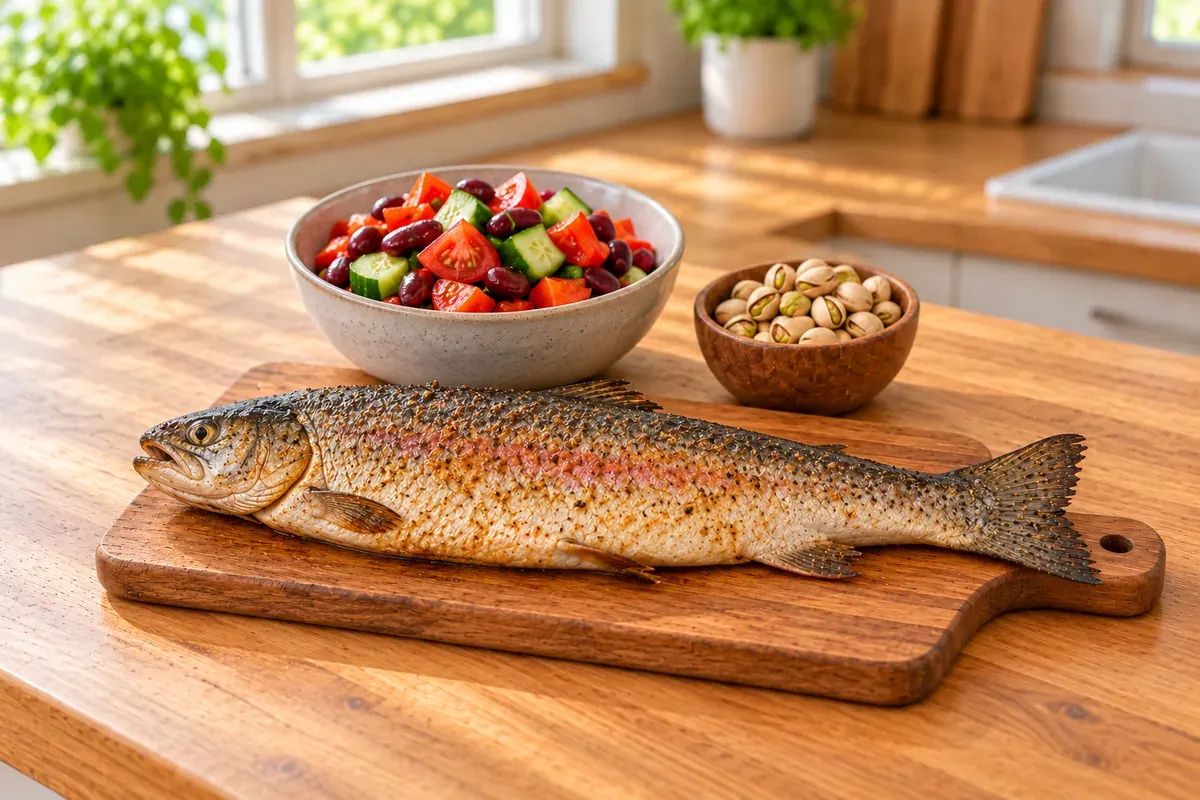
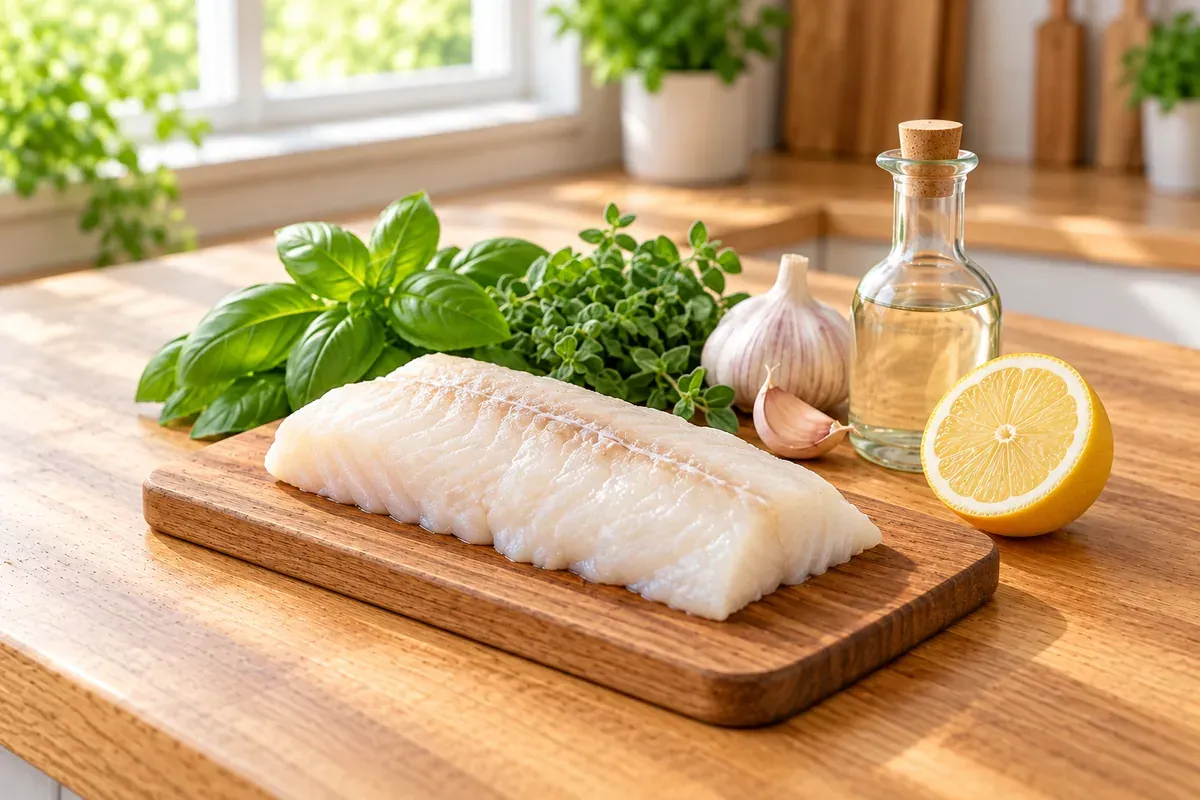
Fish or seafood at least twice a week, plus chicken, eggs, tofu, and tempeh. Moderate amounts of plain yogurt, milk, and cottage cheese also fit, and low-fat versions keep saturated fat down.
-

Healthy fats
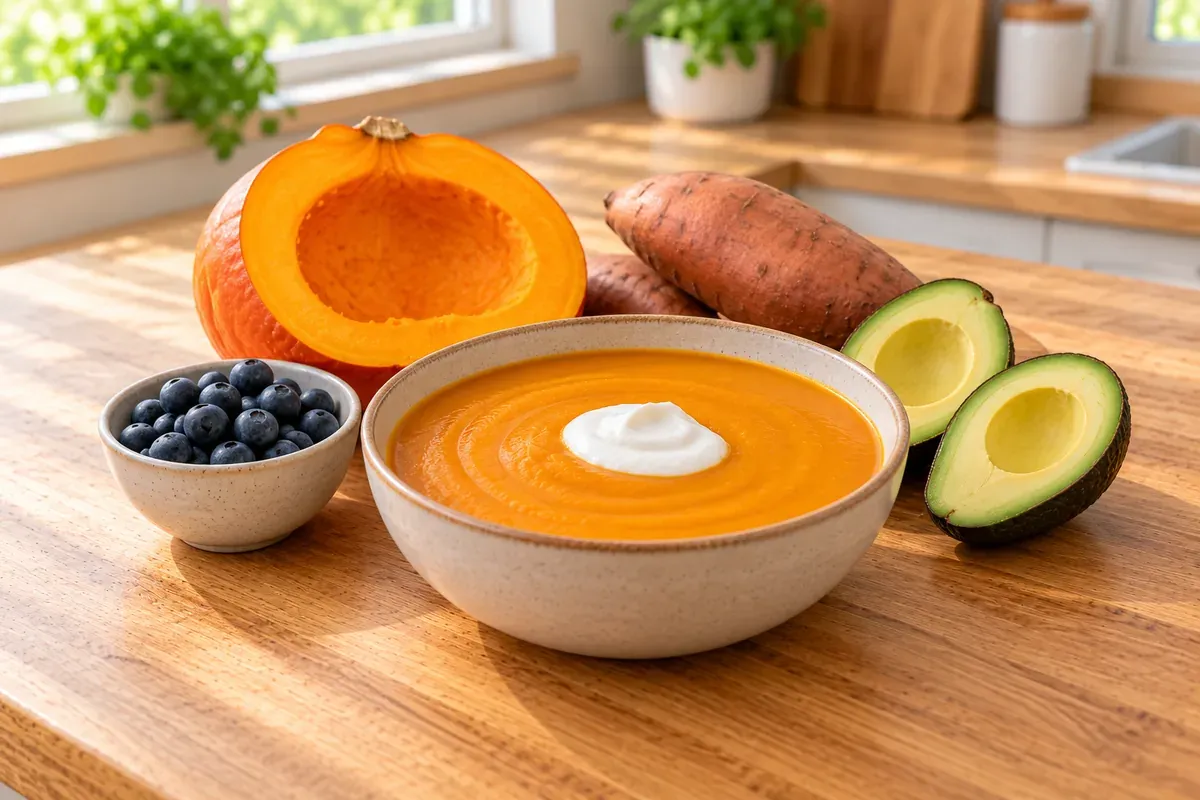
Extra virgin olive oil is the cooking oil the hospital handout suggests, and avocados and fatty fish such as salmon and mackerel add unsaturated fats. NIDDK advises replacing saturated and trans fats with unsaturated fats, especially omega-3s.
-
Beverages
Water is the default, and tea and coffee stay unsweetened. The AASLD says three or more cups of coffee a day could be recommended if there is no reason to avoid it, but that rests on observational studies, and the European guideline says no firm conclusions can be drawn.
Foods to limit on the fatty liver diet
On a fatty liver diet, limit or leave out:
- Sugary drinks. Soda, sweetened tea, sports drinks, and fruit juice. NIDDK names them as sources of fructose, and the European guideline recommends avoiding sugar-sweetened beverages.
- Added sugar and sweets. Candy, cookies, cakes, and other desserts. The AASLD says excessive fructose intake raises the risk of NAFLD, NASH, and advanced fibrosis independent of calorie intake.
- Ultra-processed food. Fast food, chips, packaged snacks, and ready meals. The European guideline recommends limiting ultra-processed food, which it describes as rich in sugars and saturated fat.
- Refined carbohydrates. White bread, white rice, and pastries made with refined flour. NIDDK also lists potatoes among higher-glycemic foods.
- Processed and fatty meats. Bacon, ham, sausages, salami, and the fat on red meat. The hospital handout suggests no processed meats and red meat once a week at most.
- Fried foods and saturated fat. Deep-fried food and other high-fat choices. NIDDK advises limiting overall fat, which is calorie-dense, and replacing saturated and trans fats with unsaturated ones.
- Alcohol. The European guideline says people with fatty liver disease should be discouraged from drinking, especially at moderate or high intake, and that people with advanced fibrosis or cirrhosis should stop completely. NIDDK says to minimize alcohol.
Downsides to know about
- No single proven menu. The AASLD says low-carbohydrate, low-fat, intermittent fasting, and Mediterranean approaches appear comparable in improving fatty liver, and that the Mediterranean diet's edge over the others in small trials is debated.
- Little proof on liver outcomes. The European guideline states there is little evidence that better diet quality changes clinical liver-related outcomes, and that the long-term clinical effect of weight loss needs more follow-up studies.
- Weight loss is hard to keep. The AASLD reports that about 10% of patients reach effective weight loss at 1 year in structured programs, and fewer than half of them keep it off 5 years later.
- Stage and weight change the advice. The weight-loss targets are for adults with overweight, and the AASLD says people with cirrhosis need a different approach that prioritizes protein intake. This list is a general pattern, not a plan for every stage.
People also ask
Are fatty liver disease, NAFLD, and MASLD the same thing?
MASLD is the current name for what was called NAFLD, and MASH is the current name for NASH. In a NAFLD cohort reviewed in the European guideline, 99.8% of patients met the MASLD criteria, so the groups largely overlap. NIDDK and the University Health Network handout both use the new name alongside the old one.
Does exercise matter for fatty liver as well as food?
Yes. The European guideline recommends physical activity to reduce liver fat, preferably more than 150 minutes a week of moderate intensity or 75 minutes of vigorous intensity. The AASLD adds that exercise has liver and metabolic benefits independent of weight loss.
Can supplements replace a fatty liver diet?
No supplement is recommended. The European guideline says nutraceuticals cannot be recommended for MASLD because the evidence of effectiveness or safety is insufficient. Diet, weight loss, and physical activity are the lifestyle measures the guidelines back.
Sources
- EASL-EASD-EASO Clinical Practice Guidelines on the Management of Metabolic Dysfunction-Associated Steatotic Liver Disease (MASLD)
- AASLD Practice Guidance on the Clinical Assessment and Management of Nonalcoholic Fatty Liver Disease
- Eating, Diet, & Nutrition for NAFLD & NASH
- Nutrition and Metabolic Dysfunction Associated Steatotic Liver Disease (MASLD)
- Diet Changes and Foods To Help Manage MASH