Gout Diet Food List and Foods to Avoid + PDF
The gout diet is an eating pattern for people with gout that limits foods and drinks linked to higher uric acid and more attacks: organ meats, red meat, some seafood, beer and sugary drinks. It favors vegetables, low-fat dairy and water, and it supports medication rather than replacing it. This page covers what to buy and what to skip.
- Shopping list
- 53
- Store categories
- 12
- Type
- Diets for health conditions
Gout diet shopping list
53 of 53 items
 Meats
 Fish & seafood
 Fresh grocery
 Dry goods
 Dairy & eggs
 Plant based
 Bakery
 Frozen
 Cans & jars
 Snacks & sweets
 Spices & sauces
 Beverages
How the gout diet works
Gout is a form of arthritis linked to too much uric acid in the blood. Purines, found in many animal foods, break down into uric acid, so this diet limits the richest sources: organ meats, red and game meat, and some seafood. Alcohol, especially beer, and sugar-sweetened drinks are limited too.
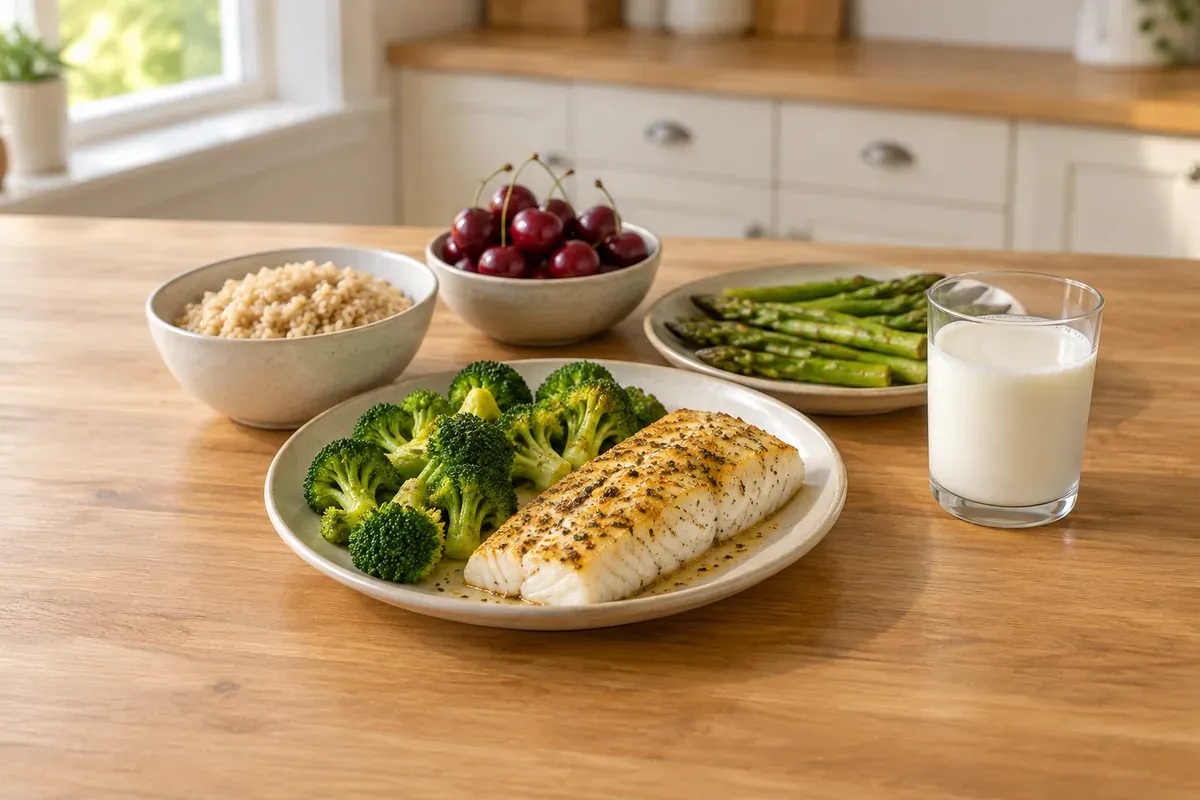
The rest of the plate follows a general healthy pattern: vegetables, fruit, whole grains, beans, low-fat dairy and modest portions of poultry or fish. NIAMS says the DASH eating plan, which is built the same way, may help lower uric acid and is especially useful for people who also have high blood pressure.
Drink water through the day, because dehydration can trigger gout symptoms, and skip alcohol completely during a flare. If you’re overweight, losing weight can lower uric acid levels.
Treat the diet as support, not a replacement for treatment. Harvard Health says that in most cases the only way to lower uric acid enough to stop attacks is with medication.
What can you eat on the gout diet
-

Vegetables
Vegetables are the base of the diet. Harvard Health says asparagus and spinach contain purines but don't seem to be linked with increased gout risk, so they stay on the list.
-

Fruit
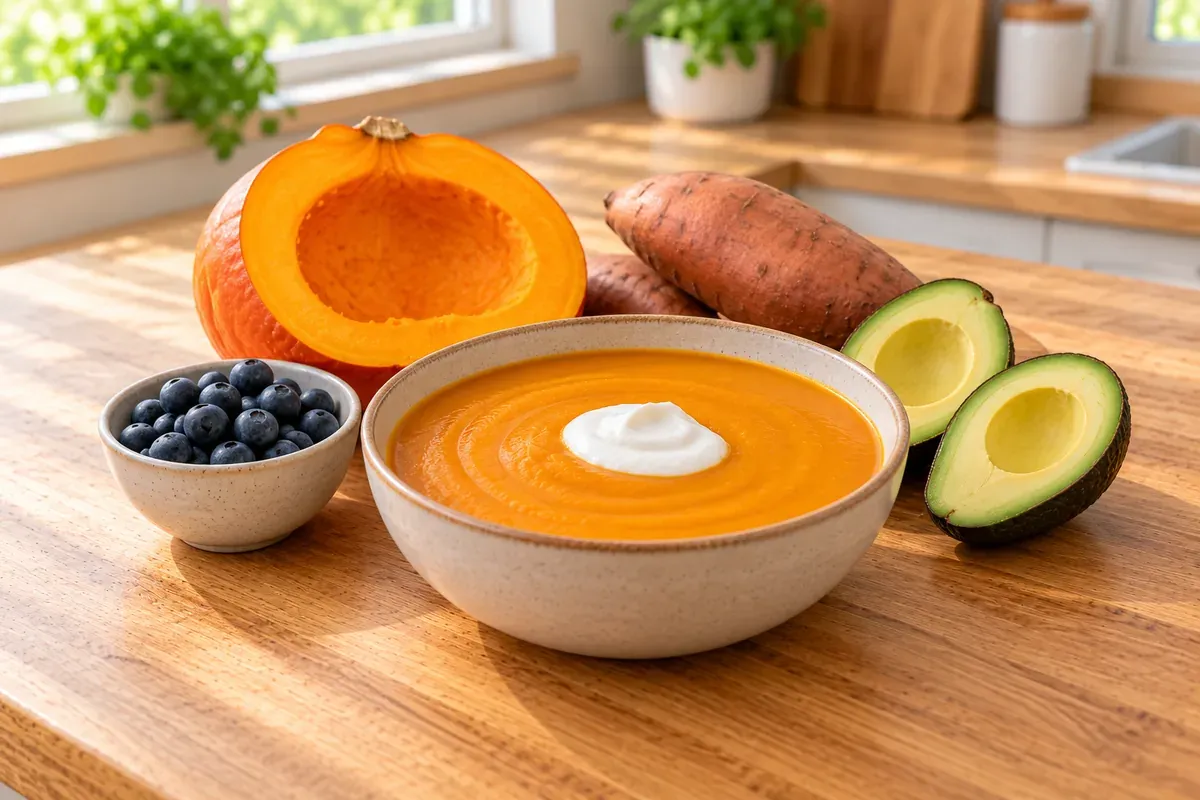
Whole fruit fits, including cherries. Harvard Health calls the evidence for cherries not conclusive but sees no harm in adding them.
-

Low-fat dairy
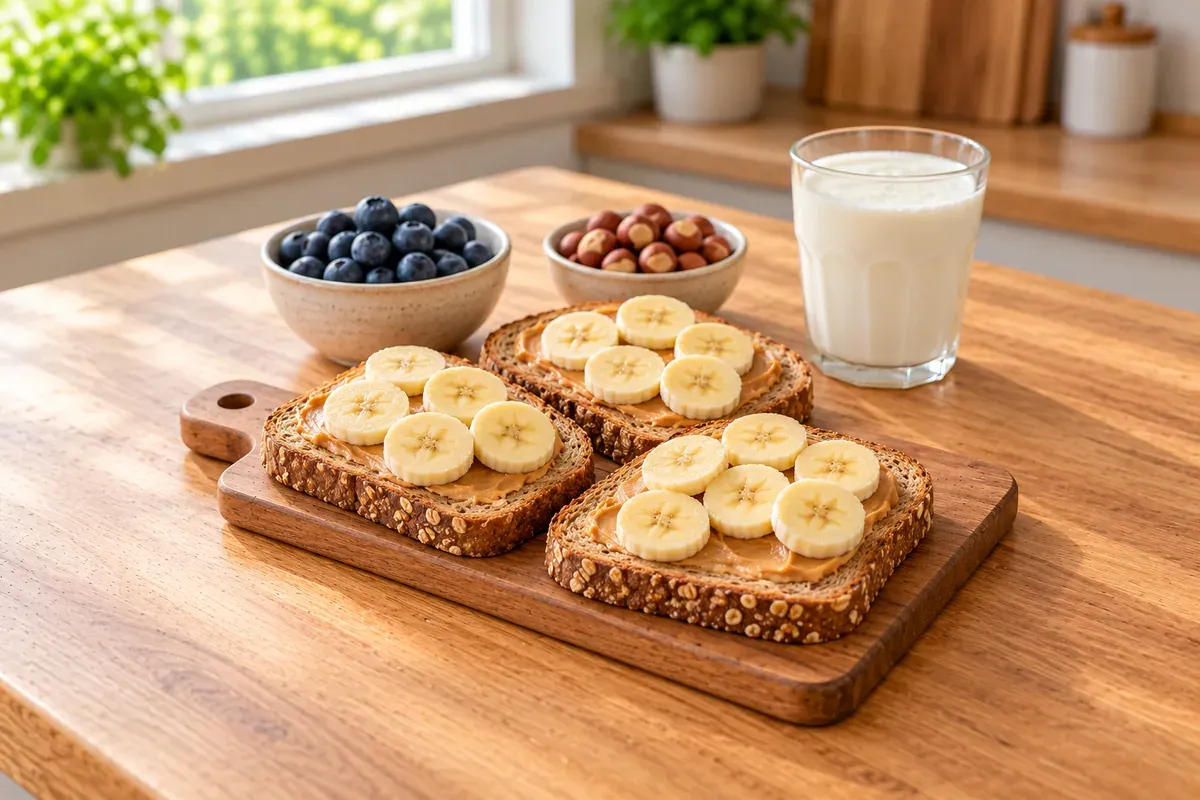
Skim milk, low-fat yogurt and low-fat cottage cheese. Harvard Health says multiple studies link low-fat dairy to lower uric acid levels, though the ACR guideline panel judged the evidence on dairy protein too weak to make a recommendation.
-

Legumes and tofu
Beans and lentils are on Harvard Health's list of non-meat proteins to emphasize. Tofu is another meat-free protein to buy instead of red meat.
-
Lean protein
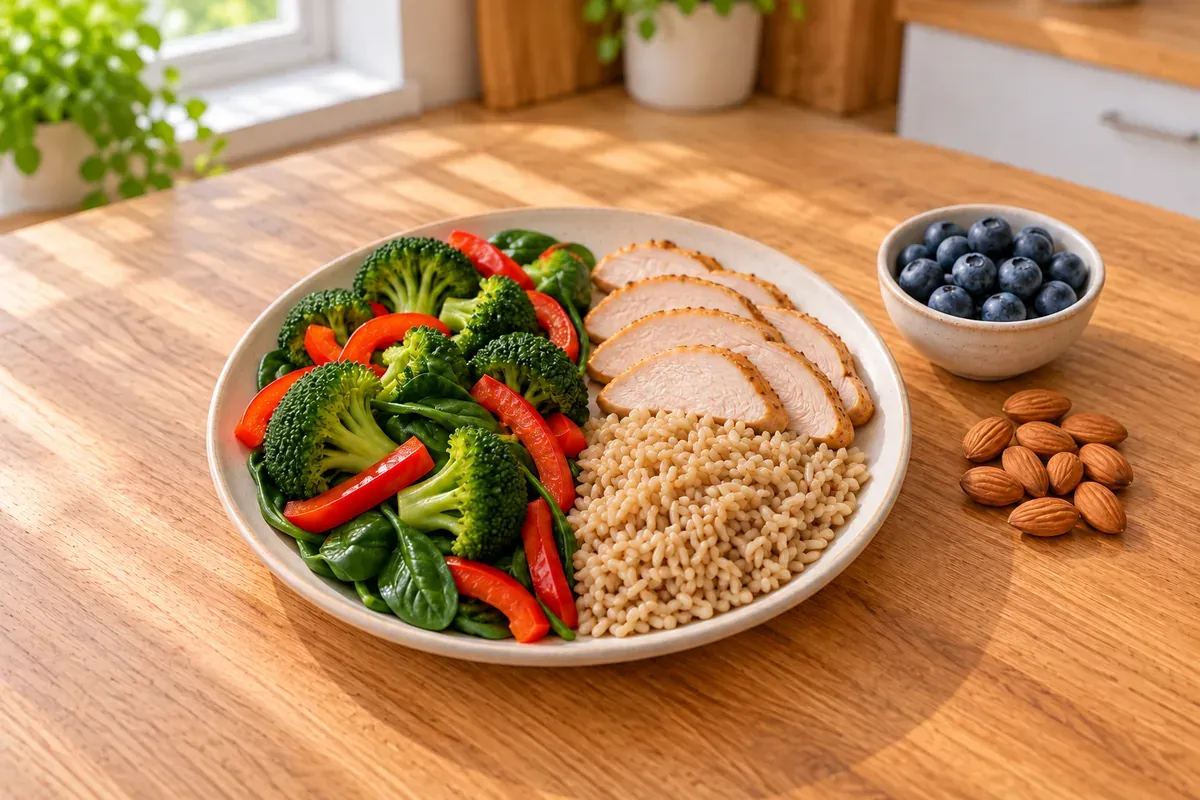
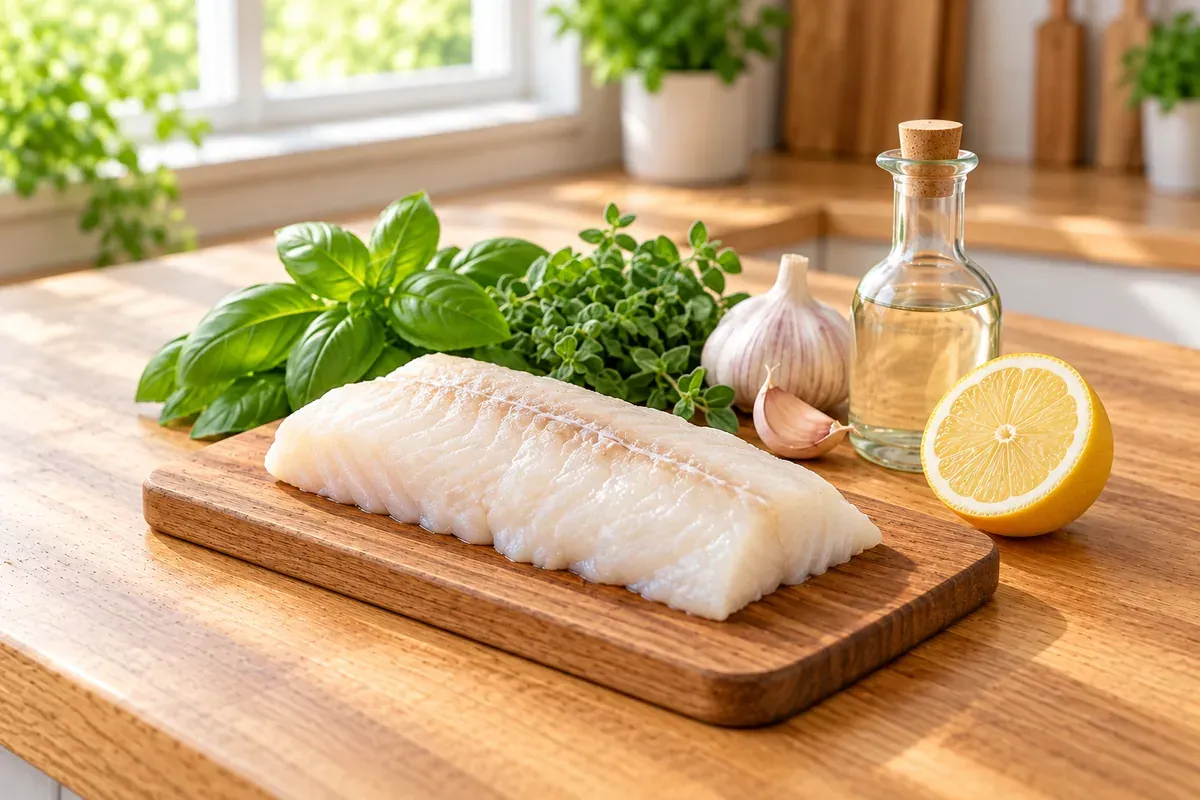
Chicken breast and turkey breast fit in modest portions. NIAMS asks you to avoid certain seafood, not all of it, so mild white fish such as cod, flounder or tilapia is on the list while the high-purine fish are not.
-
Whole grains
Oats, brown rice, quinoa, and whole wheat bread and pasta match the DASH pattern, which NIAMS says may help lower uric acid levels.
-
Healthy fats
Harvard Health's description of the gout diet emphasizes olive oil and avocados alongside vegetables, fruit and whole grains.
-
Beverages
Water comes first, since Harvard Health says dehydration can trigger gout symptoms. Harvard Health also lists coffee among foods to emphasize, but that is not a reason to start drinking it, and sweetened coffee drinks fall under the sugary drinks to limit.
Foods to limit on the gout diet
On a gout diet, limit or leave out:
- Organ meats. Liver, kidney, tongue and sweetbreads are higher in purines, and NIAMS advises avoiding them.
- Red and game meat. Beef, lamb and pork, plus game such as venison, boar and bison. Harvard Health lists red and game meat among the high-purine foods to limit or avoid.
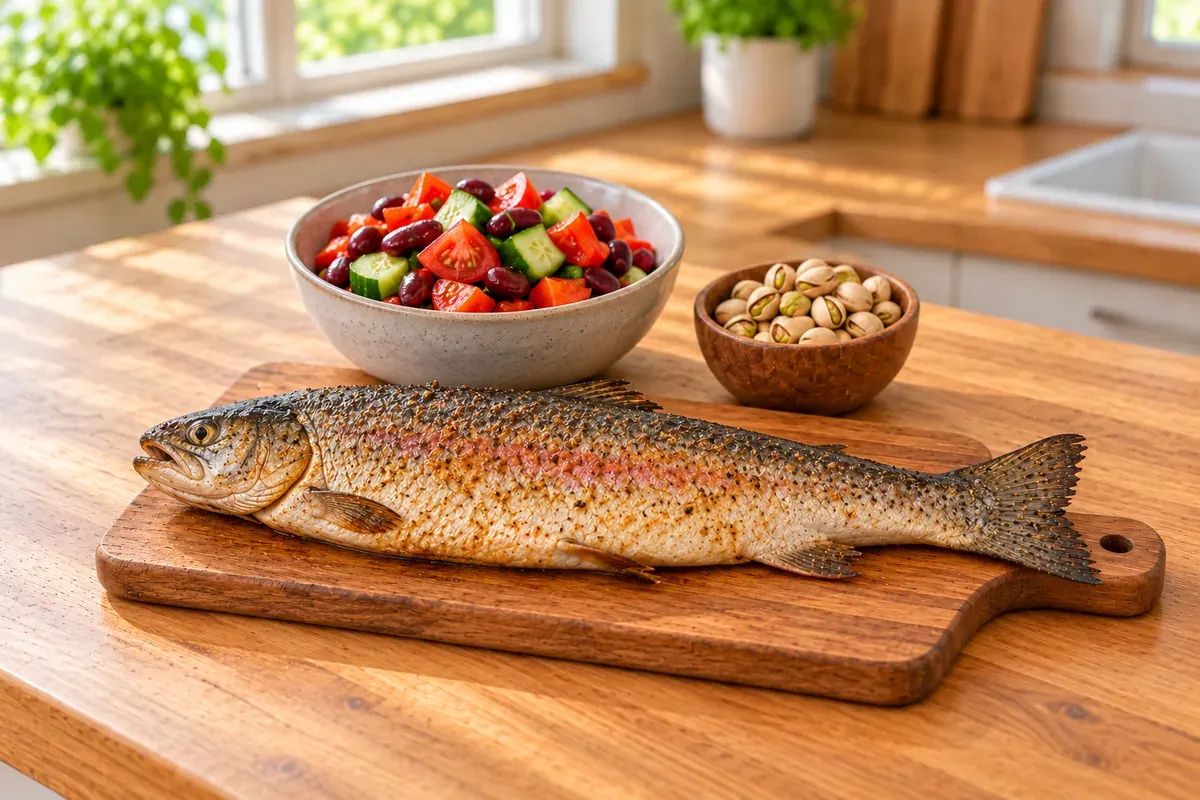
- Some seafood. Shellfish such as shrimp and lobster, sardines and anchovies are the ones NIAMS names. Harvard Health adds trout, haddock and herring.
- Beer and other alcohol. Alcohol is a risk factor for gout and can trigger a flare, and Harvard Health singles out beer because it also contains purines. NIAMS includes nonalcoholic beer in its advice to drink fewer alcoholic beverages.
- Sugary drinks and juice. Soda and other drinks sweetened with sugar or high-fructose corn syrup are linked to higher gout rates, and Harvard Health also lists naturally sweet fruit juices. Whole fruit is not on this list.
- High-fructose corn syrup in food. Harvard Health says processed foods made with high-fructose corn syrup are linked to higher gout rates, so it's worth checking ingredient lists on packaged foods.
Downsides to know about
- The evidence for food advice is thin. The 2020 ACR guideline recommends limiting alcohol, purines and high-fructose corn syrup only conditionally, and rates the evidence as low or very low certainty. It found the evidence on cherries and dairy protein too weak to make any recommendation.
- Diet rarely does the whole job. The ACR guideline says dietary changes likely shift uric acid only slightly, and it strongly recommends urate-lowering medicine, with a blood uric acid goal below 6 mg/dL, for people with tophi, joint damage or frequent flares. NIAMS and Harvard Health agree that lifestyle changes alone often aren't enough.
- Cherries and coffee are not proven. The main cherry study followed 633 people with gout and linked eating cherries over two days to about 35% lower odds of an attack. Intake was self-reported, and the authors said randomized trials are needed to confirm it. Coffee is a food Harvard Health lists to emphasize, not a treatment.
People also ask
What is on a low-purine diet food list?
A low-purine food list centers on vegetables, fruit, whole grains, beans and lentils, low-fat dairy, and modest portions of poultry or mild white fish. It leaves out organ meats, red and game meat, shellfish, sardines, anchovies and beer. Harvard Health notes that a strict low-purine diet can be hard to follow and is not nearly as reliable as medication at preventing attacks.
Can you eat fish if you have gout?
Some fish, yes, in modest portions. NIAMS advises avoiding certain seafood, such as shellfish (shrimp and lobster), sardines and anchovies, and Harvard Health also lists trout, haddock and herring as high in purines. Fish that is not on those lists can fit into the diet.
Are asparagus and spinach bad for gout?
No. Both contain purines, but Harvard Health says purine-containing vegetables like these don't seem to be linked with increased gout risk. The animal foods and beer on the limit list are the ones to watch.